
Comprehensive Vegetarian Keto Plan
Mastering Protein and Fat Intake: Finding the balance between metabolic precision and dietary sustainability.
The adoption of a vegetarian keto plan represents a sophisticated intersection of two distinct nutritional philosophies: the ethical and health-driven abstinence from meat and the metabolic shift of ketosis. For many, the primary obstacle in this journey is the perception that a ketogenic lifestyle requires heavy meat consumption to satisfy protein requirements. However, from a clinical perspective, achieving a state of nutritional ketosis—where the body transitions from glucose oxidation to utilizing fat-derived ketones for fuel—is entirely feasible without animal flesh.
The core of a successful vegetarian keto plan lies in the strategic selection of nutrient-dense, low-carb proteins and high-quality lipids that preserve lean muscle mass while facilitating efficient weight management.
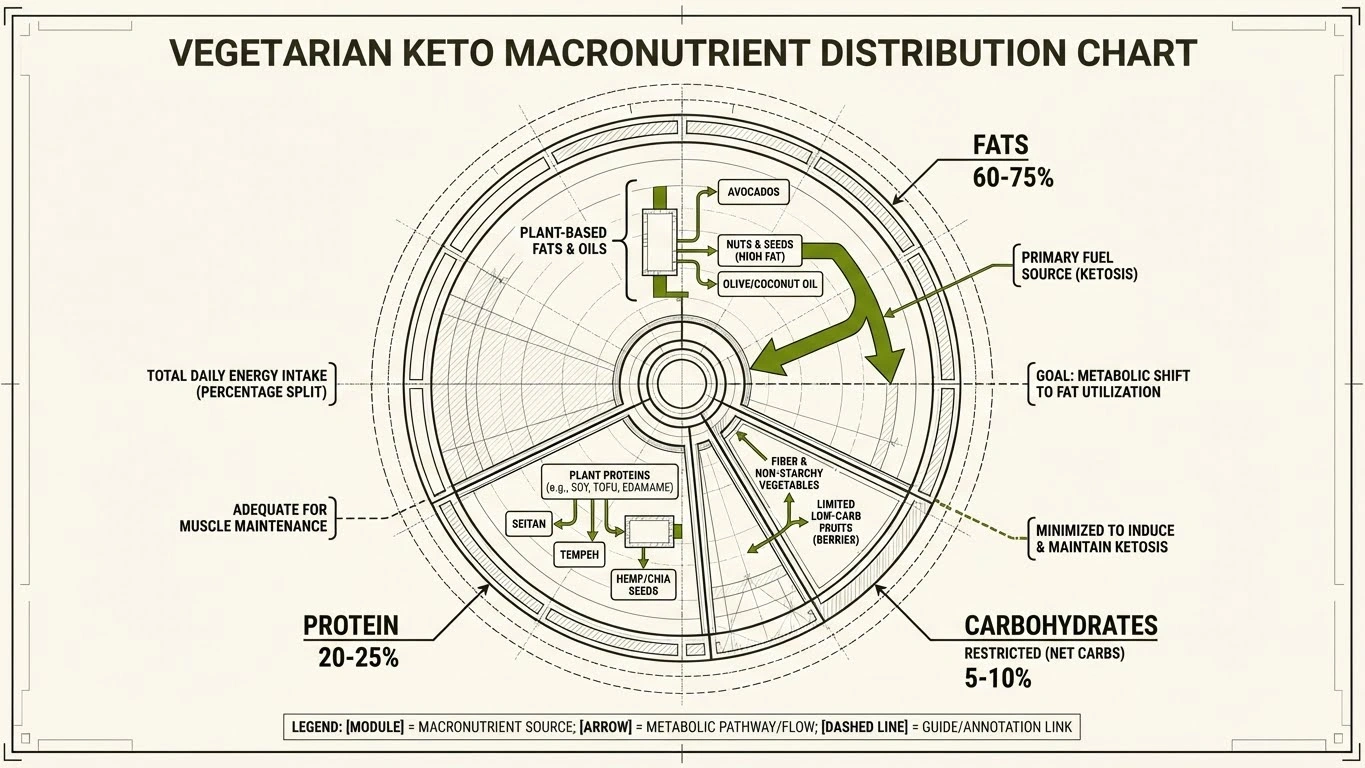
To implement a vegetarian keto plan effectively, one must understand the fundamental macronutrient distribution required to trigger the metabolic switch. Typically, this involves deriving 60-75% of daily calories from fats, 20-25% from proteins, and restricting net carbohydrates to a range of 20-50 grams per day. While a traditional vegetarian diet is often high in grains and legumes, the ketogenic version necessitates a transition toward high-fat plant sources and, for many, the inclusion of eggs and dairy.
This article serves as an expert guide on how to do keto without meat while ensuring your protein intake remains optimal and your micronutrient levels are balanced.
👇 Calculate Your Vegetarian Macros
Ensure you are hitting your protein targets without meat. Establish your baseline.
Your Personalized Results
Daily Target
0
kcal / day
The Biochemical Importance of Protein
Protein is a vital macronutrient composed of amino acids, which serve as the primary structural components for muscles, skin, enzymes, and hormones. On a vegetarian keto plan, ensuring adequate protein intake is critical to prevent muscle atrophy (sarcopenia) and support metabolic health. Unlike carbohydrates and fats, the body does not have a dedicated storage site for amino acids, meaning they must be supplied through the diet daily.
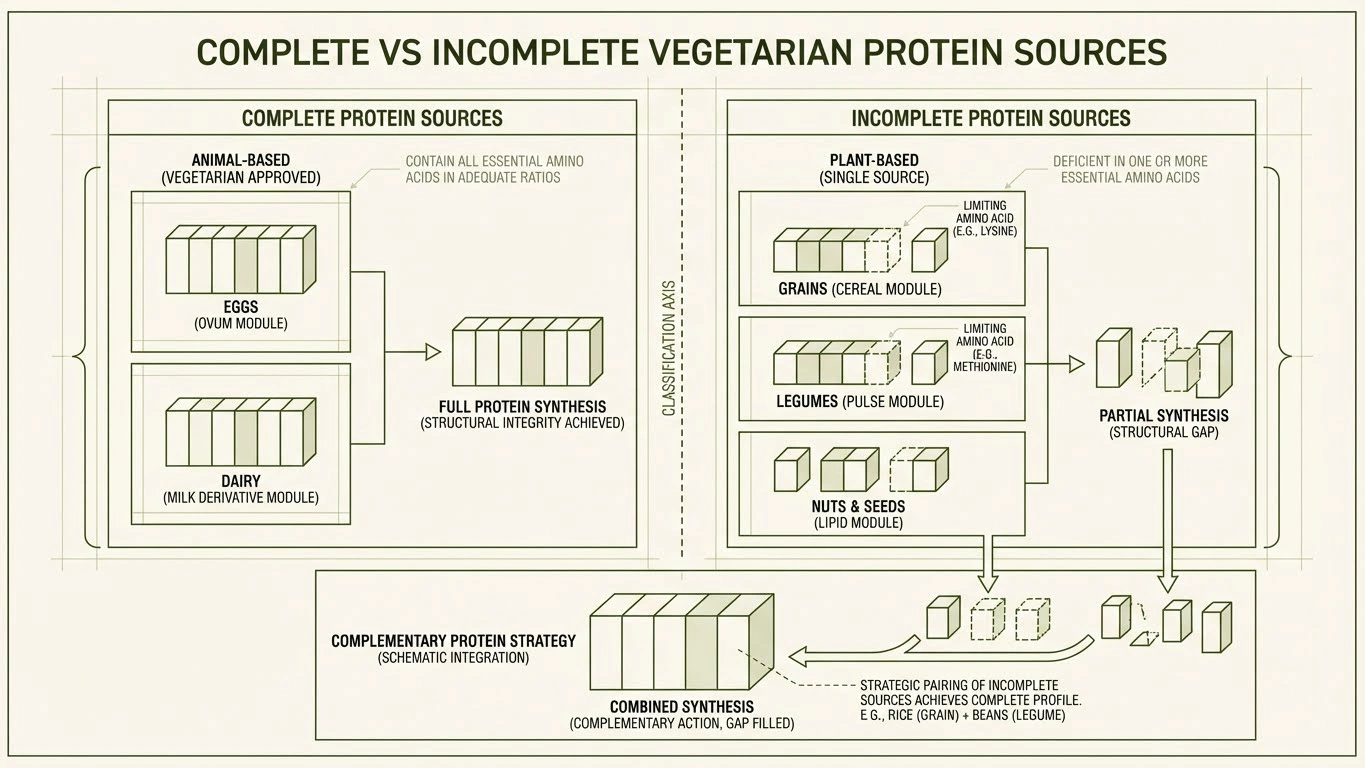
One of the significant challenges when evaluating vegan keto protein sources is the concept of bioavailability and amino acid profiles. Animal-derived proteins, such as eggs and dairy, are considered “complete” because they contain all nine essential amino acids in the correct proportions for human physiology. In contrast, many plant-based proteins are “incomplete,” meaning they lack one or more essential amino acids, such as lysine or methionine. To overcome this, practitioners should focus on a variety of protein sources to ensure a comprehensive amino acid spectrum.
How to Do Keto Without Meat: Top Vegetarian Sources
For those who consume eggs and dairy (lacto-ovo vegetarians), hitting protein targets is significantly easier. These foods provide high-quality protein with near-zero carbohydrate impact, making them staples of a vegetarian keto plan.
The Nutritional Power of Eggs
Eggs are frequently described as a “superfood” in the clinical community due to their perfect biological value of 100 on the BV scale. A single large egg provides approximately 6 grams of protein and 5 grams of healthy fats with virtually no carbs. Furthermore, eggs are rich in choline, which is essential for brain function and liver health. Incorporating eggs into your daily routine—whether scrambled, boiled, or used in “chaffles” (egg and cheese waffles)—is one of the most effective ways to maintain ketosis.
High-Protein Dairy Options
Dairy products are excellent allies for those learning how to do keto without meat. However, it is essential to choose full-fat versions to align with ketogenic ratios and avoid hidden sugars in low-fat “diet” products.
- Greek Yogurt: Unsweetened, full-fat Greek yogurt can provide 15-20 grams of protein per 170g serving. It also offers probiotics for gut health.
- Cottage Cheese: This is a versatile protein source, offering roughly 15-20 grams of protein per cup.
- Hard Cheeses: Parmesan, Cheddar, and Gouda are high in protein and fat while being almost carb-free. Parmesan, for instance, can contain up to 36 grams of protein per 100g.
- Paneer: A staple in Indian cuisine, paneer is a high-protein, firm cheese that holds its shape when grilled, providing an excellent meat substitute.
Vegan Keto Protein Sources: The Plant-Based Challenge
For those following a strictly plant-based lifestyle, identifying viable vegan keto protein sources requires meticulous planning. The objective is to find foods that provide high protein density without the starch typically found in beans and lentils.
Soy-Based Proteins: Tofu, Tempeh, and Edamame
Soy products are among the few complete plant-based proteins, containing all essential amino acids.
- Tofu: Firm tofu is a versatile base for many meals, providing approximately 8-14 grams of protein per 100g with only 2-3 grams of net carbs.
- Tempeh: Made from fermented soybeans, tempeh is denser than tofu and provides about 16-20 grams of protein per 100g.
- Edamame: These immature soybeans are excellent as snacks or salad additions, providing 9 grams of protein and 3 grams of net carbs per half-cup.
Seitan: The “Wheat Meat”
Seitan is produced from vital wheat gluten and is often used as a meat substitute due to its chewy, meat-like texture. It is an absolute “protein bomb,” offering up to 24-28 grams of protein per 100g. However, since it is pure gluten, it is unsuitable for those with celiac disease or gluten sensitivity.
The Rise of Lupini Beans
Lupini beans are emerging as a secret weapon for any vegetarian keto plan. Unlike most legumes, which are too starchy for keto, lupini beans are remarkably high in protein and fiber. They can contain up to 36-41 grams of protein per 100g with a significantly lower net carb count than chickpeas or lentils.
Essential Fats: The Energy Foundation
While protein builds the body, fat fuels it in the absence of carbohydrates. A well-structured vegetarian keto plan must prioritize healthy, unprocessed lipids to ensure satiety and hormonal balance.
Monounsaturated and Saturated Fats
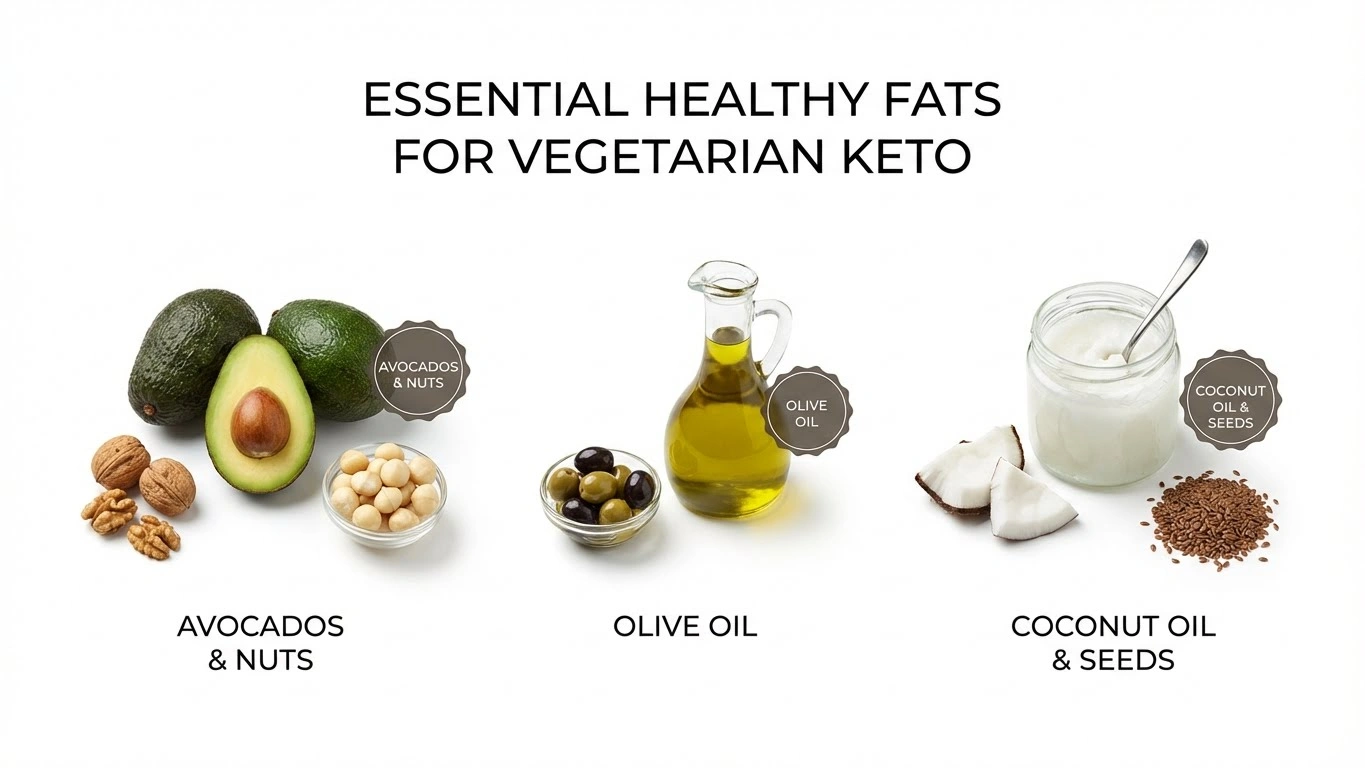
- Avocados: Often considered the ultimate keto fruit, avocados provide 15 grams of healthy monounsaturated fats and are rich in potassium and fiber.
- Extra Virgin Olive Oil: High in antioxidants and heart-healthy fats, it should be a primary dressing and finishing oil.
- Coconut Oil and MCT Oil: Coconut oil contains medium-chain triglycerides (MCTs) which provide an immediate energy boost for the brain and body.
- Grass-fed Butter and Ghee: For vegetarians, these provide vitamins A, D, E, and K and a rich source of saturated fat.
Nuts and Seeds: Protein and Fat in Tandem
- Macadamia Nuts: These are the “kings” of keto nuts, boasting a high fat-to-carb ratio.
- Hemp Hearts: A complete protein source, hemp seeds provide 9-10 grams of protein per 28g serving and are rich in omega-3 fatty acids.
- Chia and Flax Seeds: These are excellent for thickening smoothies or creating “puddings,” providing high fiber content which results in zero net carbs in some cases.
Strategic Meal Planning: A Day on a Vegetarian Keto Plan
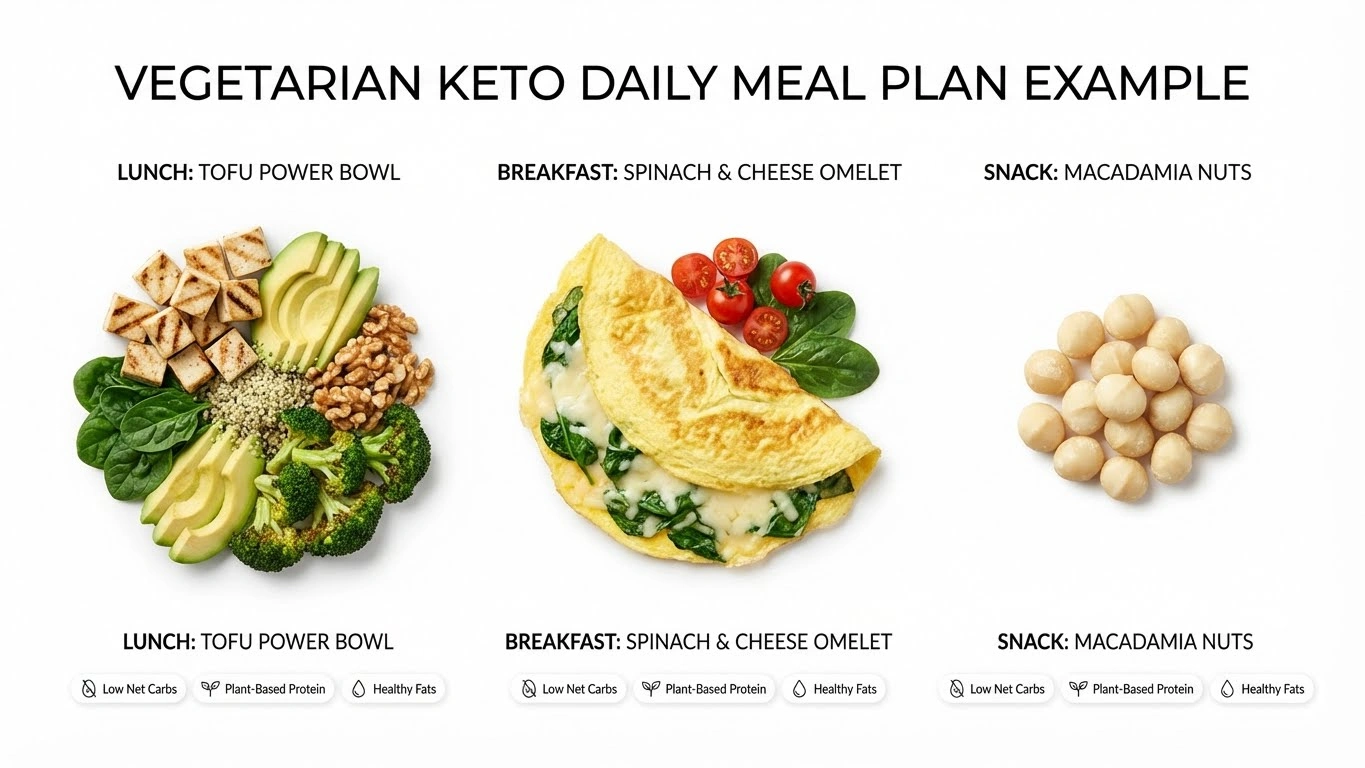
Consistency is the hallmark of success when learning how to do keto without meat. Below is an example of how to structure a day to meet protein goals while remaining in ketosis.
| Meal | Food Suggestion | Est. Protein | Est. Net Carbs |
|---|---|---|---|
| Breakfast | Omelet with 3 eggs, spinach, and 30g feta cheese | 25g | 3g |
| Lunch | Tempeh “Buddha bowl” with cauliflower rice and avocado | 20g | 6g |
| Snack | 30g macadamia nuts or a scoop of pea protein isolate | 10-25g | 1-3g |
| Dinner | Zucchini lasagna with ricotta, mozzarella, and parmesan | 24g | 8g |
This structure ensures that the practitioner reaches approximately 80-100 grams of protein daily, which is sufficient for most moderately active adults.
Supplementing for Success
In some instances, whole foods may not be sufficient to reach higher protein targets, especially for athletes or those with high activity levels. This is where high-quality vegan keto protein sources in supplement form become valuable.
Selecting the Right Protein Powder
When choosing a protein supplement, isolates are generally preferred over concentrates. Isolate processing removes more carbohydrates and fats, leaving a higher concentration of pure protein.
- Pea Protein Isolate: Highly digestible and rich in branched-chain amino acids (BCAAs), making it as effective as whey for muscle support.
- Hemp Protein: Provides fiber and omega-3s but can be slightly higher in carbs than pea isolate.
- Soy Protein Isolate: Offers a complete amino acid profile but should be used in moderation due to concerns about processed soy and potential hormonal impacts.
Warning: Always verify the nutritional label for “hidden carbs” like maltodextrin, dextrose, or added sugars that could disrupt ketosis. A keto-friendly powder should contain fewer than 3 grams of net carbs per serving.
Avoiding Nutrient Deficiencies & Advanced Strategies
A restrictive vegetarian keto plan increases the risk of certain micronutrient deficiencies. Clinical oversight and strategic food choices are necessary to mitigate these risks.
- Vitamin B12: Primarily found in animal products. Vegetarians can get it from eggs and dairy, but vegans must supplement or consume fortified nutritional yeast.
- Iron and Zinc: Found in pumpkin seeds, hemp hearts, and leafy greens. Consuming these with Vitamin C-rich vegetables like bell peppers can enhance iron absorption.
- Omega-3 Fatty Acids (EPA/DHA): Plant sources like flax provide ALA, which the body converts poorly to EPA/DHA. Consider an algae-based supplement.
- Electrolytes: The “keto flu” often results from the loss of sodium, potassium, and magnesium. Increasing water intake and consuming mineral-rich bone broth (or vegetable broth) and avocados can alleviate these symptoms.
Advanced Strategies for Metabolic Optimization
To maximize the benefits of a vegetarian keto plan, one might consider integrating intermittent fasting or “carb cycling”.
- Intermittent Fasting: Restricting the eating window (e.g., 16:8) can accelerate the entry into ketosis by depleting glycogen stores faster.
- Carb Cycling: This involves consuming slightly higher carbohydrates on intense training days to fuel performance, then returning to strict keto on rest days.
Frequently Asked Questions (FAQ)
Q: Is it possible to build muscle on a vegan keto diet?
A: Yes. Research indicates that plant-based proteins like pea isolate are effective for muscle protein synthesis when combined with resistance training. The key is ensuring a total daily protein intake of 1.2-2.0 grams per kilogram of body weight.
Q: Won’t eating too much protein kick me out of ketosis?
A: This is a common concern called gluconeogenesis, where the body converts excess protein to glucose. However, in practical terms, it takes a massive amount of protein to significantly disrupt ketosis for most individuals. Prioritizing protein for muscle maintenance is generally more important than fear-based restriction.
Q: How do I handle social dining while on a vegetarian keto plan?
A: Focus on “side dishes” that are naturally keto, such as salads, roasted vegetables, and cheese plates. Most restaurants can accommodate a request for an omelet or a tofu stir-fry without sauce.
Conclusion
Transitioning to a vegetarian keto plan is a journey of precision and adaptation. By focusing on high-quality vegan keto protein sources like tofu, tempeh, and lupini beans, and prioritizing essential fats from avocados and cold-pressed oils, you can successfully navigate the complexities of this lifestyle.
To master this way of eating, think of your metabolism as a high-performance hybrid engine. Just as a hybrid can switch between electricity and gasoline, your body is learning to switch between glucose and ketones. On a vegetarian keto plan, your job is to provide the highest-quality bio-fuel (fats) and the best structural parts (proteins) to ensure that whether you are running on “battery” or “fuel,” your engine remains powerful, efficient, and clean for the long haul.
Further Reading & Tools
Prevent muscle atrophy and gluconeogenesis with deep scientific data.
Compute difficult plant-based macro targets more accurately.
An immediate grocery guide for low-carb volume and micronutrients.
Explore More Resources
For additional information check out these excellent resources on vegetarian keto: