
Keto Breastfeeding Calculator: A Scientific Guide to Adjusting Your Macros
Ensuring maternal health and optimal infant development through physiological macro adjustments.
For postpartum mothers, the transition into a ketogenic lifestyle requires careful clinical consideration. Utilizing a specialized keto breastfeeding calculator is not merely a convenience but a physiological necessity to ensure maternal health and infant development. Breastfeeding significantly alters the body’s metabolic profile, necessitating a departure from standard “strict” ketogenic protocols.
This article provides a comprehensive medical overview of how to adjust your keto macros for breastfeeding safely during the nursing period.
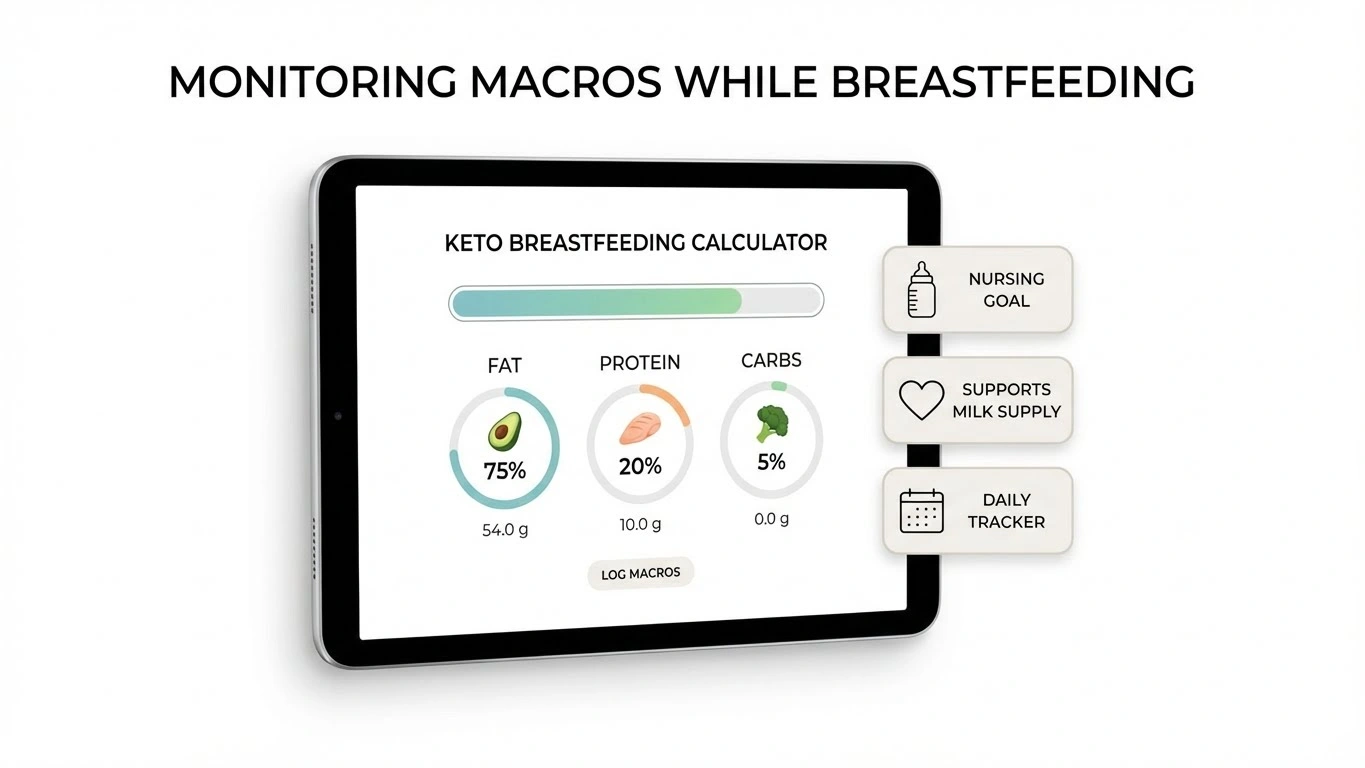
The Metabolic Demands of Lactation
Lactation is one of the most energy-intensive processes the human body undergoes. Producing breast milk requires approximately 300 to 500 additional calories per day above the mother’s basal metabolic rate (bmr). In some cases of exclusive breastfeeding, this demand can even reach 700 calories per day.
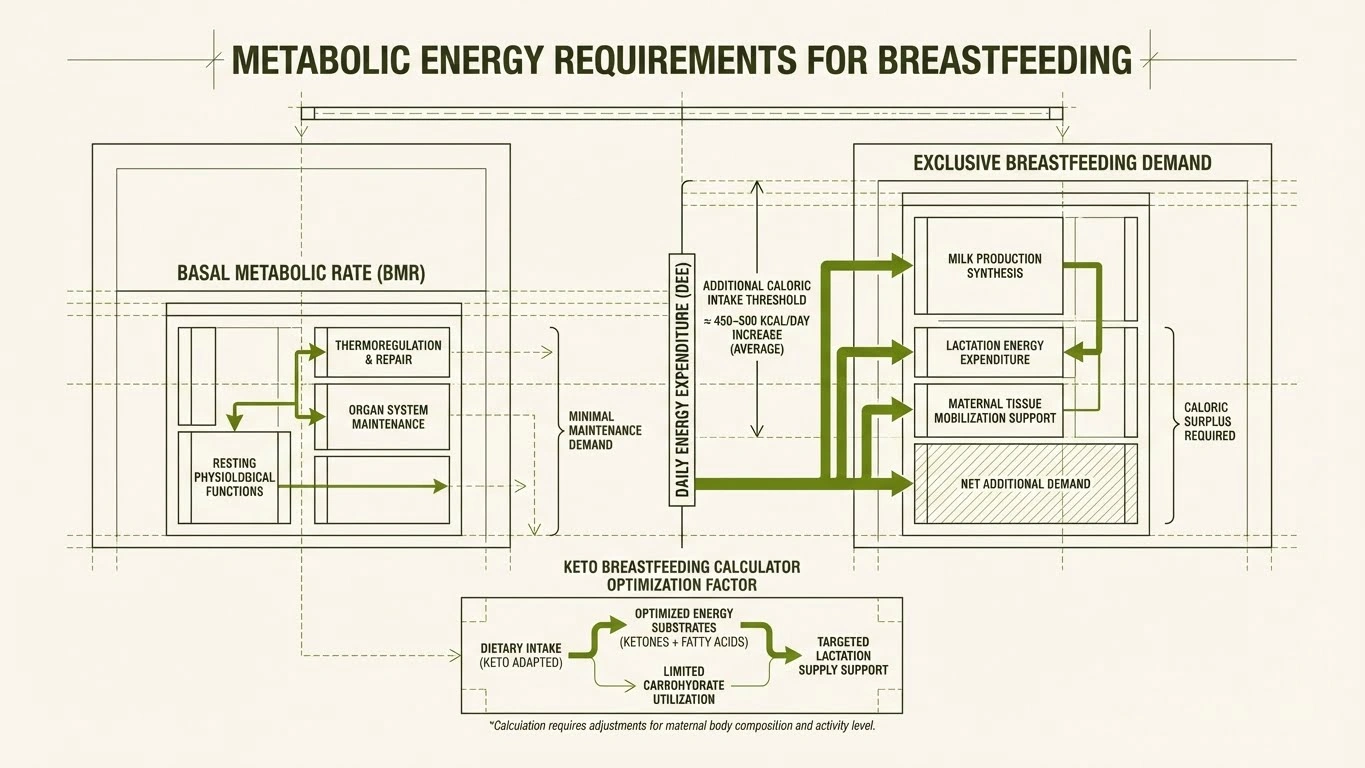
When a mother consumes a standard diet, these energy needs are met through a combination of dietary intake and the mobilization of fat stores. However, when shifting to a low-carb profile, the body must rely more heavily on gluconeogenesis to maintain the lactose levels in milk. This is why a keto breastfeeding calculator is essential; it accounts for these heightened metabolic shifts.
🤱 Keto Breastfeeding Calculator
Personalize your postpartum macros for safety and supply.
Your Safety-Adjusted Macros
Daily Energy Target
kcal / day
Understanding the Risk of Lactation Ketoacidosis
The most significant medical reason for using a keto breastfeeding calculator instead of following general keto advice is to avoid a rare but life-threatening condition known as lactation ketoacidosis. Unlike nutritional ketosis, ketoacidosis involves an uncontrolled buildup of ketones that turns the blood acidic.
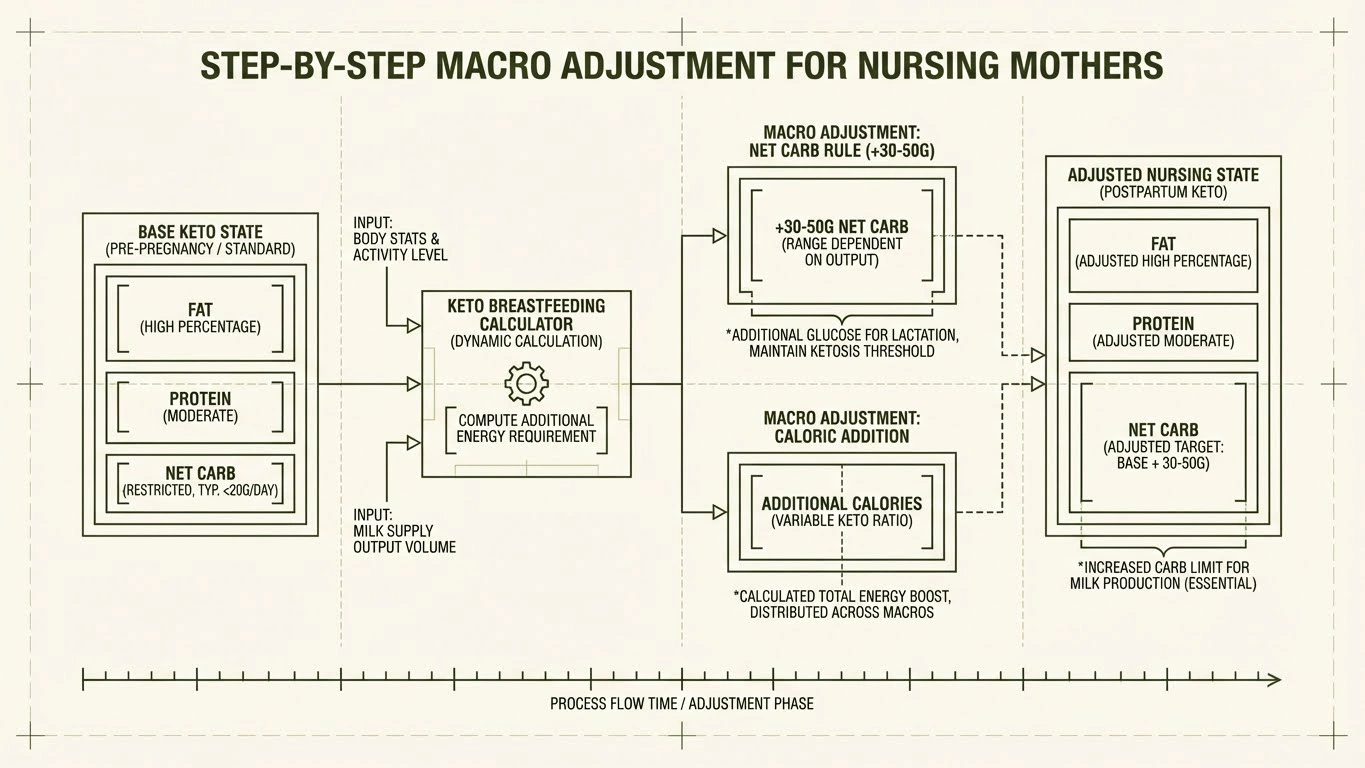
Medical literature has documented several cases where lactating women on very low-carb diets (under 20 grams per day) developed severe ketoacidosis. To mitigate these risks, clinicians recommend a minimum of 50 grams of net carbs while breastfeeding.
Essential Nutrients and Hydration Strategies
The ketogenic diet has a diuretic effect, and breastfeeding also consumes significant fluids. This combination creates a high risk of dehydration.
- Sodium: You may need more salt than usual to prevent headaches.
- Hydration Goal: Aim for at least 2.6 to 3 liters (roughly 13 cups) of water daily.
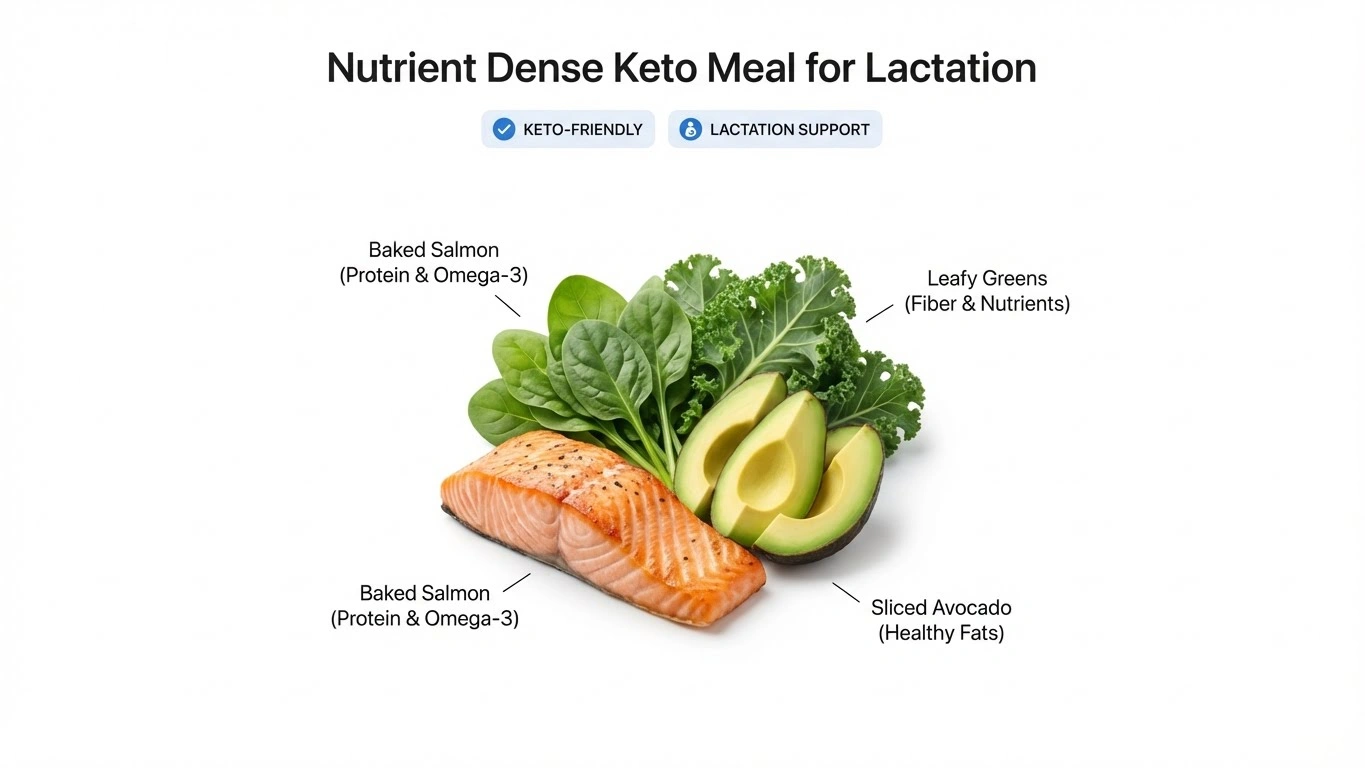
- Micronutrients: Prioritize Choline (egg yolks), Iron (red meat), and Omega-3s (salmon).
Metaphor for Understanding
Think of your body during lactation like a high-performance engine that is also charging an external battery (your baby). While you can run on high-grade “fat fuel,” you still need a small amount of “glycogen coolant” to prevent the system from overheating. Using the right calculator ensures you never run out of either.
Further Reading & Tools
A deep dive into how ketosis affects the human body generally.
Calculate your non-nursing baseline to compare your results.
Protocols for sodium, potassium, and magnesium supplementation.