
Keto Breastfeeding: Is It Safe? A Science-Backed Guide for Moms
Navigating the complex physiological demands of lactation while pursuing metabolic health and weight loss postpartum.
The postpartum period is a time of profound physiological transition. For many new mothers, the desire to return to their pre-pregnancy weight is a significant priority. The ketogenic diet, characterized by high-fat and very low-carbohydrate intake, has emerged as a popular strategy for rapid weight loss and metabolic health. However, the safety of keto breastfeeding remains a complex clinical question that requires an analytical look at the metabolic demands of lactation and the potential risks of entering deep ketosis while nursing.
Scientific literature suggests that while the body undergoes natural metabolic shifts during lactation, a strict ketogenic protocol may introduce unnecessary risks. This guide provides an evidence-based analysis of how the ketogenic diet interacts with the nursing body, drawing on medical case reports, nutritional science, and professional clinical guidelines.
👇 Calculate Your Safe Postpartum Macros
Ensuring you meet the caloric floor (1,800-2,400 kcal) is vital for milk production.
Your Recommended Daily Intake
Estimated Daily Target
0
kcal / day
Understanding Nutritional Ketosis and Lactation
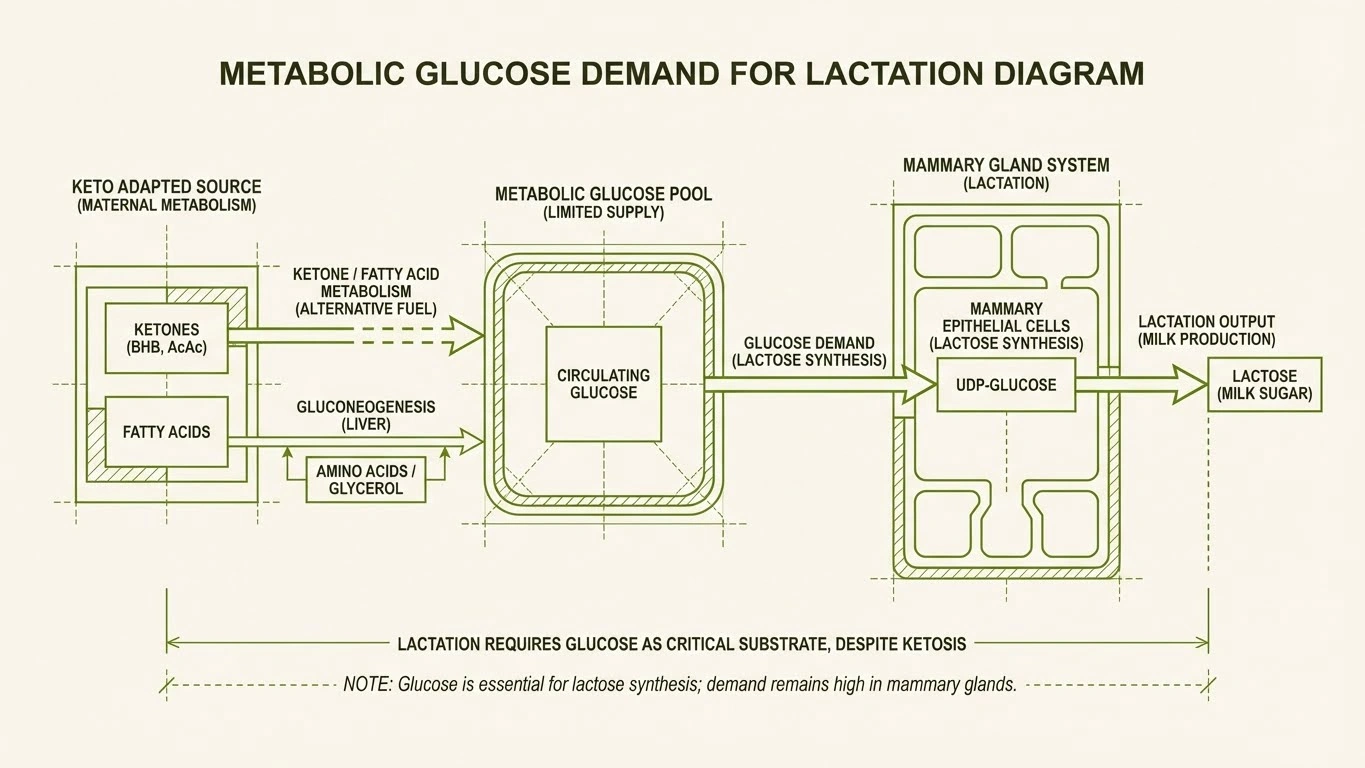
The ketogenic diet functions by drastically reducing carbohydrate intake, which forces the body to shift its primary fuel source from glucose to fats. This metabolic state, known as nutritional ketosis, involves the liver converting fatty acids into ketones.
The Physiology of Milk Production
The mammary glands require a steady supply of glucose from the blood to synthesize lactose, the primary sugar in breast milk. In a typical diet, this glucose comes from ingested carbohydrates. When a mother follows a strict keto breastfeeding regimen, the body must rely on gluconeogenesis—the process of creating glucose from protein—to meet the sugar demands of breast milk.
Liberal Low-Carb vs. Strict Keto
Most clinical experts, including those from Diet Doctor and IABLE, suggest that a “liberal” or “moderate” low-carb diet is a much safer alternative to strict keto breastfeeding.
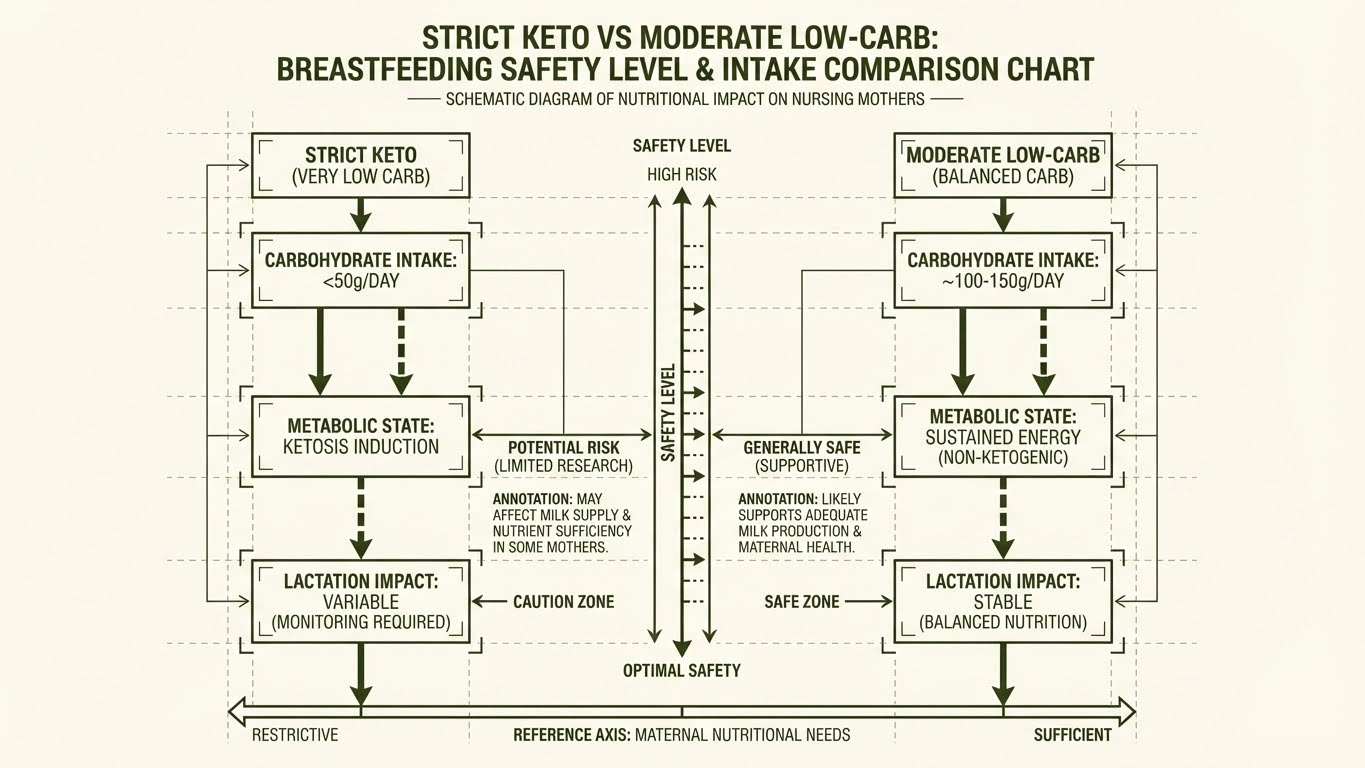
- Strict Keto (<20-30g carbs): May lead to dangerously high ketone levels and metabolic acidosis.
- Moderate Low-Carb (50-100g carbs): Typically provides enough glucose to support the mammary glands while allowing for fat burning.
The Risk of Lactation Ketoacidosis
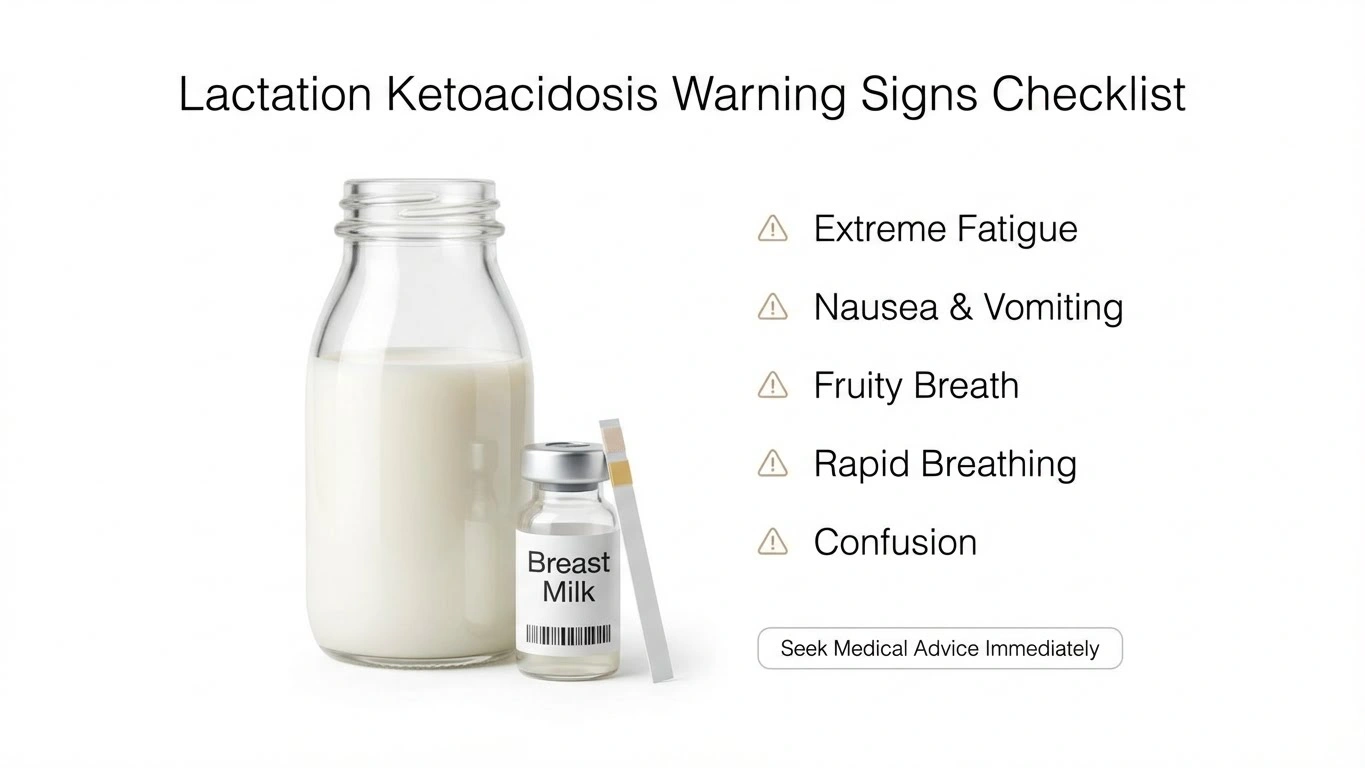
Lactation ketoacidosis is a life-threatening metabolic emergency. Unlike nutritional ketosis, which is controlled, ketoacidosis is a crisis where the blood becomes too acidic.
Identifying Early Warning Signs
- Severe nausea and vomiting.
- Unusual fatigue and weakness.
- Shortness of breath or rapid breathing.
- “Fruity” smelling breath (a sign of high ketones).
Seek medical evaluation immediately if these symptoms occur while on a low-carb diet.
Impact on Milk Supply and Micronutrients
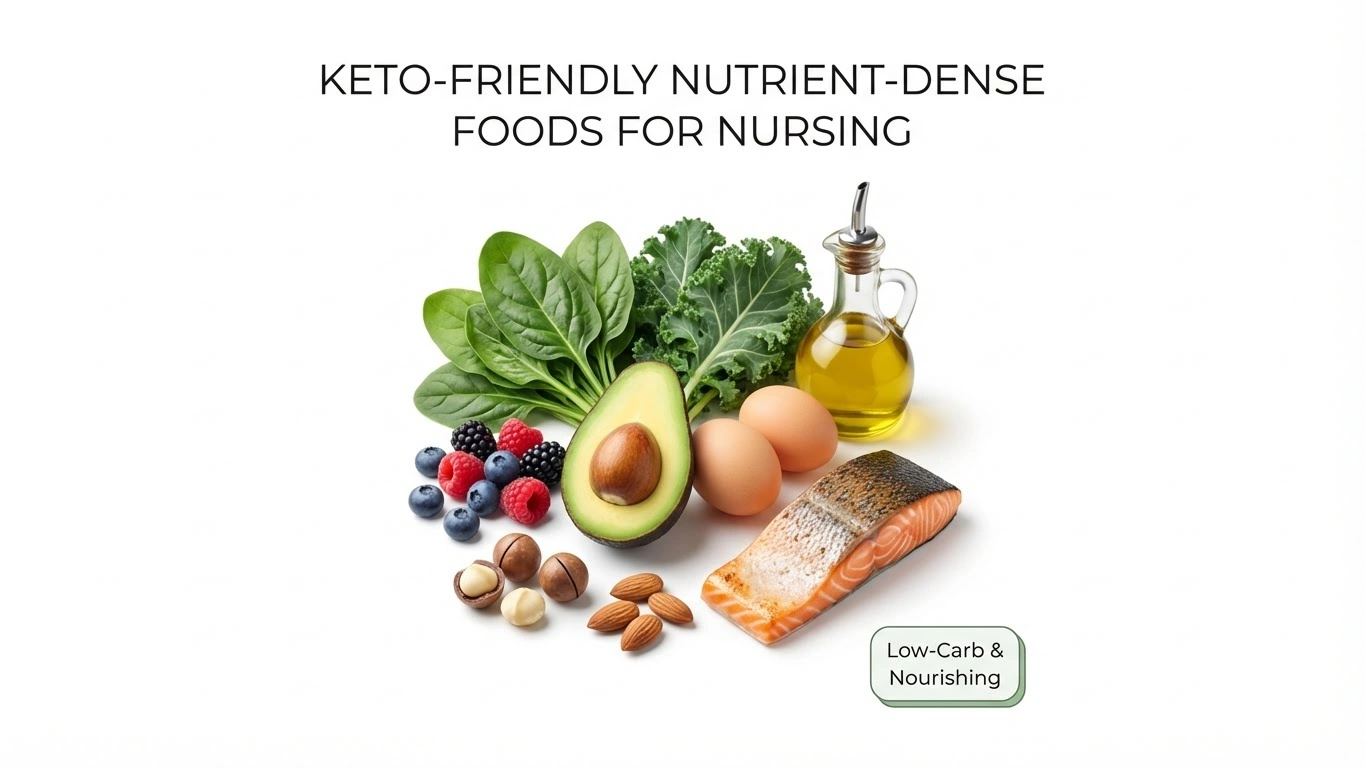
Many mothers report a decrease in milk supply when starting keto, often attributed to two main factors: inadequate calories and dehydration. Nursing women generally need at least 1,800 to 2,400 calories per day.
Critical Nutrients at Risk
- B Vitamins: Essential for energy and found in whole grains.
- Vitamin C: Necessary for immunity; abundant in fruits.
- Fiber: Essential for gut health and preventing constipation.
Practical Safety Checklist for Moms
- Consult your physician or a lactation consultant first.
- Wait for the 6-week postpartum checkup before starting any diet.
- Set a carbohydrate floor of at least 50g net carbs daily.
- Prioritize hydration: Drink at least 3–4 liters of water a day.
- Monitor your supply: Watch for dips in milk volume or baby’s satisfaction.
The Engine Analogy
Think of your body during lactation like a high-performance engine. Glucose is the premium fuel it was designed to run on. While the engine can switch to a back-up “ketone” battery in emergencies, trying to run exclusively on that battery while driving at high speeds (the high demand of breastfeeding) can cause the system to overheat. Keeping a little “premium fuel” (carbs) in the tank ensures the engine remains stable.