
Is the Keto Diet Right for You?
An analytical and objective review of the ketogenic diet — its mechanisms, potential benefits, and associated risks — to help you make an informed decision.
Quick answer: what is the keto diet?
The keto diet, short for ketogenic diet, has gained considerable attention in recent years as a nutritional strategy, primarily for weight management. However, its origins lie in medical therapy, specifically for treating refractory seizures in children with epilepsy, dating back to 1921. This eating plan is characterized by a significant reduction in carbohydrate intake, a moderate protein consumption, and a high proportion of fats. The objective of this article is to provide an analytical and objective review of the keto diet, outlining its mechanisms, potential benefits, and associated risks, to help individuals — particularly newcomers — make an informed decision about whether this dietary approach aligns with their health goals.
Key targets at a glance

Understanding the ketogenic diet: what does it entail?
The ketogenic diet, or keto diet, is an eating pattern designed to induce a metabolic state known as ketosis. This state is achieved by drastically reducing carbohydrate intake, typically to less than 50 grams per day, and often as low as 20 grams, which usually represents 5–10% of total daily calories. In response to this carbohydrate restriction, the body shifts from burning glucose (derived from carbohydrates) to burning fat for energy. This process leads to the production of ketone bodies (acetoacetate, beta-hydroxybutyrate, and acetone) in the liver, which then serve as an alternative fuel source for the brain and muscles.
Macronutrient ratios in a keto diet
A standard keto diet typically involves a specific macronutrient distribution to facilitate ketosis:
- Fats: account for approximately 70–80% of daily caloric intake.
- Proteins: make up a moderate proportion, generally 20–25% of calories.
- Carbohydrates: are severely restricted to 5–10% of total calories, or typically less than 50 grams per day.

Types of ketogenic diets
Different variations of the keto diet exist, though some are more extensively studied than others: Standard Ketogenic Diet (SKD), High-Protein Ketogenic Diet, Cyclical Ketogenic Diet (CKD), Targeted Ketogenic Diet (TKD), and Very Low-Calorie Ketogenic Diet (VLCKD).
Clinical benefits of a keto diet and low-carbohydrate approaches
The keto diet and other low-carbohydrate eating plans have been associated with various potential health benefits, supported by a growing body of scientific evidence.
Weight Loss and Appetite Control
Effective in reducing body fat, particularly harmful visceral fat. The diet often leads to rapid initial weight loss and reduces hunger, which can lead to a natural reduction in calorie intake.
Diabetes Management
Can lead to lower blood glucose levels, improved insulin sensitivity, and a reduced need for diabetes medications for those with type 2 diabetes.
Cardiovascular Health
Often improves lipid profiles by decreasing triglycerides and increasing HDL (“good”) cholesterol. It can also lead to reductions in blood pressure.
Neurological Conditions
A well-established therapy for drug-resistant epilepsy. Promising research is also exploring its use in Alzheimer’s, Parkinson’s, and for improving mental clarity.
Polycystic Ovarian Syndrome (PCOS)
Has shown positive impacts for women with PCOS by improving insulin resistance and hormonal imbalances.
Other Benefits
Can lead to improvements in digestive issues like IBS, a potential reduction in acne, and a decrease in general body inflammation.

Potential risks and considerations of the keto diet
While the keto diet presents several promising benefits, it is crucial to acknowledge its potential risks and challenges, especially given the limited long-term research.
Short-term Side Effects: The “Keto Flu”
Upon initiation, many experience temporary symptoms like headache, fatigue, dizziness, nausea, and irritability. Constipation and bad breath can also occur. This is often due to an electrolyte imbalance as the body adapts.
Long-term Health Risks
Concerns exist regarding potential nutrient deficiencies, an increase in LDL (“bad”) cholesterol for some individuals, and a higher risk of kidney stones. The diet’s restrictive nature can also make it difficult to sustain long-term, leading to a “yo-yo” effect with weight.

Who should avoid the keto diet? Key contraindications
The keto diet is not universally suitable, and certain individuals should avoid it or proceed only under strict medical supervision.
Individuals with the following conditions should generally avoid a keto diet or only undertake it with expert medical guidance:
- Type 1 Diabetes
- Pancreatic, severe liver, or gallbladder conditions
- Kidney disease
- Pregnancy and breastfeeding
- History of eating disorders (e.g., anorexia, bulimia)
- Certain active cardiovascular conditions or rare metabolic disorders
Individuals on medications for diabetes (especially SGLT-2 inhibitors) or high blood pressure must be closely monitored by a doctor.
How to calculate keto macros: step-by-step
Calculating your personal keto macros involves a few straightforward steps. Use the calculator below to automate this process, or follow the manual method here.
Determine your personal metrics
Enter your gender, age, height, and weight to establish your baseline metabolic rate. These inputs are required for an accurate calculation.
Select your activity level
Choose how physically active you are — from sedentary (desk job) to extra active (physical job). This determines your Total Daily Energy Expenditure (TDEE).
Set your carbohydrate limit
On a standard keto diet, carbohydrates are restricted to 5–10% of total daily calories — typically less than 50 grams per day, often as low as 20 grams.
Calculate protein intake
Protein makes up a moderate 20–25% of total daily calories. This is sufficient to maintain muscle mass while supporting ketosis.
Fill remaining calories with fat
Fat accounts for approximately 70–80% of daily caloric intake on keto. Focus on healthy fats: avocados, olive oil, nuts, and fatty fish.
👇 Calculate Your Personal Keto Macros
Given the profound metabolic changes the keto diet induces, rely on data — not guesswork. Find your personalized daily targets below.
Your Personalized Results
Daily Target
0
kcal / day
Navigating a keto diet: practical considerations for beginners
For individuals considering a keto diet, thoughtful planning and informed choices are essential to maximize benefits and minimize risks.
Food choices: what to eat and what to avoid
Focus on healthy fats (avocados, olive oil, nuts, fatty fish), moderate protein (meats, eggs, cheese), and low-carb vegetables (leafy greens, broccoli, cauliflower). Avoid sugary foods, grains, starches, legumes, and most fruits.
Hydration and electrolyte management
Drink plenty of water and ensure sufficient intake of sodium, potassium, and magnesium through bone broth, salt, and electrolyte-rich foods to prevent “keto flu” symptoms.
Importance of medical supervision
Given the profound metabolic changes and potential risks, it is highly advisable to consult with a healthcare professional or a registered dietitian before beginning. This is crucial for anyone with pre-existing medical conditions or those on medication.
How many carbs should I eat on keto to lose 20 pounds?
On a standard ketogenic diet, carbohydrates should be restricted to less than 50 grams per day — often as low as 20 grams — which represents 5–10% of total daily calories. This restriction is the core mechanism that drives fat loss. By limiting carbs to this level, the body is forced to burn fat for fuel instead of glucose, entering a state of ketosis. The diet often leads to rapid initial weight loss and naturally reduces hunger, which can further lower overall calorie intake. Use the calculator above to determine your exact personalized carb, protein, and fat targets based on your weight, height, and goal.
Best free keto macro calculator for beginners in USA
The free keto macro calculator on this page is designed specifically for beginners. It calculates your personalized daily targets for calories, fat, protein, and carbohydrates based on your gender, age, weight, height, activity level, and weight-loss goal. The calculator uses the Mifflin-St. Jeor formula (or the Katch-McArdle formula if body fat percentage is provided) to compute your metabolic rate, then applies keto-specific macro ratios — 70–80% fat, 20–25% protein, and 5% carbs. No signup required; simply enter your details and receive your targets instantly.
How to calculate protein intake for keto bodybuilding
On a standard keto diet, protein makes up a moderate 20–25% of total daily calories. For bodybuilding goals, the calculator on this page uses lean body mass (when body fat percentage is provided) to calculate a more precise protein target of 1.0 gram per pound of lean mass — preserving muscle while maintaining ketosis. Without body fat data, protein is set at approximately 0.8 grams per pound of bodyweight. Select “Gain Muscle” as your goal in the calculator above to apply a 10% caloric surplus, ensuring adequate energy for muscle growth while keeping carbohydrates within the keto threshold.
FAQ: clinical insights on the keto diet
What exactly is the ketogenic diet?
The ketogenic diet is an eating pattern designed to induce a metabolic state known as ketosis. It drastically reduces carbohydrate intake — typically to less than 50 grams per day, often as low as 20 grams — causing the body to shift from burning glucose to burning fat for energy, producing ketone bodies (acetoacetate, beta-hydroxybutyrate, and acetone) in the liver.
What are the macronutrient ratios for a keto diet?
A standard keto diet consists of approximately 70–80% fats, 20–25% protein, and 5–10% carbohydrates (typically less than 50 grams of carbs per day). These ratios are specifically calibrated to push the body into and maintain a state of ketosis.
What are the main clinical benefits of the keto diet?
The keto diet has been associated with effective body fat reduction, improved blood glucose control and insulin sensitivity for type 2 diabetes, improvements in lipid profiles (lower triglycerides, higher HDL cholesterol), reduced blood pressure, and well-established benefits for drug-resistant epilepsy. Research also explores benefits for Alzheimer’s, Parkinson’s, PCOS, IBS, acne, and general inflammation.
What are the “keto flu” symptoms?
Upon initiation of the keto diet, many people experience temporary symptoms including headache, fatigue, dizziness, nausea, and irritability. Constipation and bad breath can also occur. This is often due to an electrolyte imbalance as the body adapts to the new metabolic state. Ensuring sufficient sodium, potassium, and magnesium intake can help prevent these symptoms.
Who should avoid the keto diet?
Individuals with Type 1 Diabetes, pancreatic, severe liver, or gallbladder conditions, kidney disease, during pregnancy and breastfeeding, with a history of eating disorders, or with certain cardiovascular conditions or rare metabolic disorders should generally avoid the keto diet or only undertake it under strict expert medical supervision. Those on SGLT-2 inhibitors or blood pressure medications must be closely monitored by a doctor.
What foods should I eat and avoid on keto?
Focus on healthy fats such as avocados, olive oil, nuts, and fatty fish; moderate protein from meats, eggs, and cheese; and low-carb vegetables including leafy greens, broccoli, and cauliflower. Avoid sugary foods, grains, starches, legumes, and most fruits, as these will disrupt ketosis by elevating blood glucose and insulin.
Is medical supervision necessary before starting keto?
Given the profound metabolic changes and potential risks, it is highly advisable to consult with a healthcare professional or a registered dietitian before beginning the keto diet. This is especially crucial for anyone with pre-existing medical conditions or those currently taking medication.
Conclusion: making an informed decision about your diet
The keto diet is a powerful dietary intervention with compelling benefits for weight loss, type 2 diabetes, and certain neurological conditions. However, it comes with potential short-term side effects and long-term risks that require careful consideration. The decision to embark on a keto diet should be highly individualized and, most importantly, made in consultation with a qualified healthcare professional who can provide a personalized assessment and ensure the approach is safe, effective, and sustainable for your unique health profile.
Further Reading & Tools
Calculate your personalized daily fat, protein, and carb targets.
A simplified approach for beginners starting the ketogenic diet.
Which vegetables to prioritize on keto for maximum nutrition.
A practical way to combine healthy fats and greens into a ready breakfast.
Explore More Resources
For additional information, check out these reputable resources on the ketogenic diet:
Latest articles
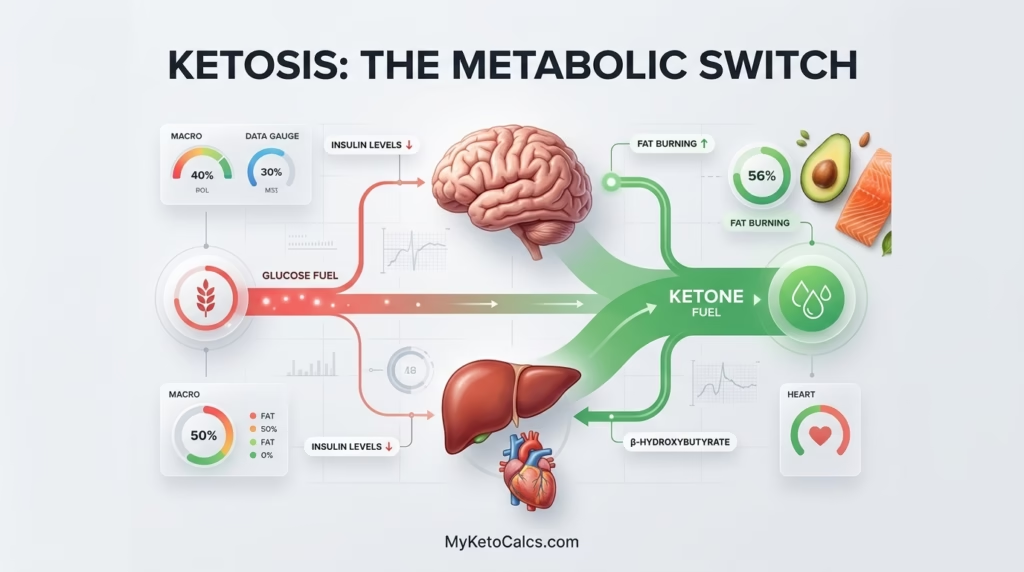
What Is Ketosis? How It Works and Why It Happens
What Is Ketosis? How It Works and Why It Happens Ketosis Guide What is ketosis?…
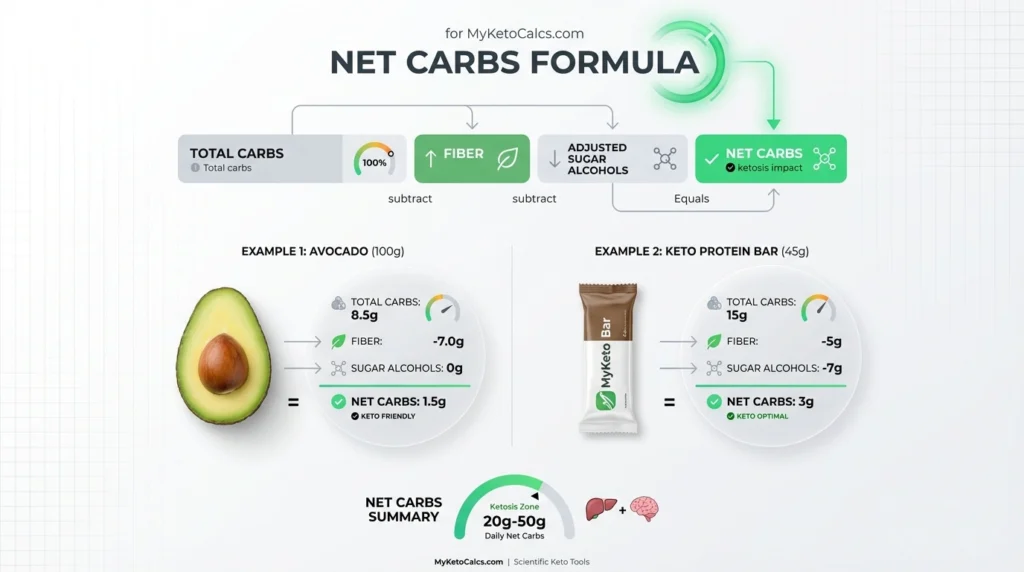
Net Carbs vs Total Carbs: What Matters for Keto?
Net Carbs vs. Total Carbs: the Science + Calculator Tool | MyKetoCalcs Clinical Metabolic Guide…
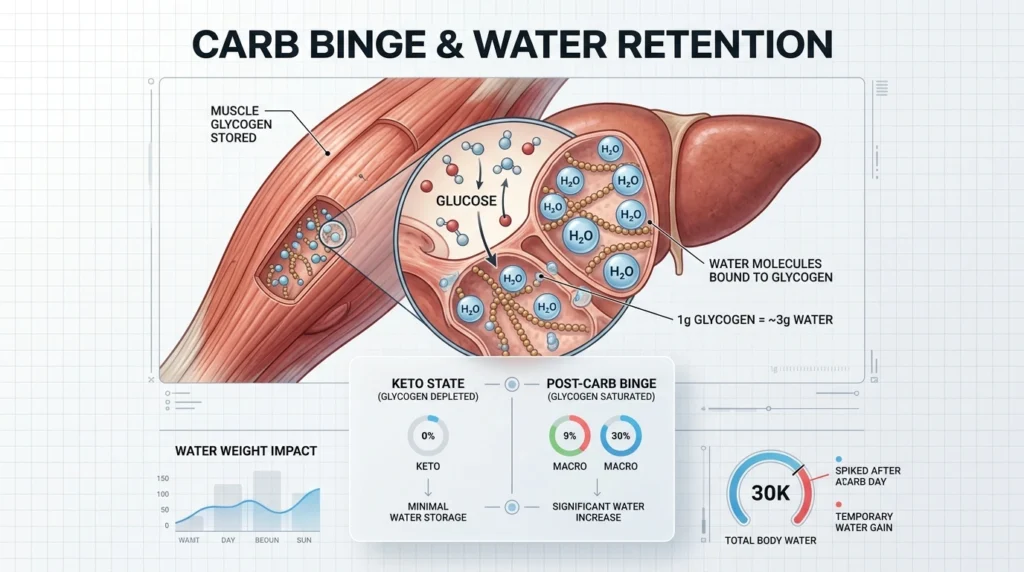
Getting Back Into Ketosis: Scientific Carb Recovery Guide
Scientific Recovery Guide Getting back into ketosis: the scientific guide to recovering after a carb…
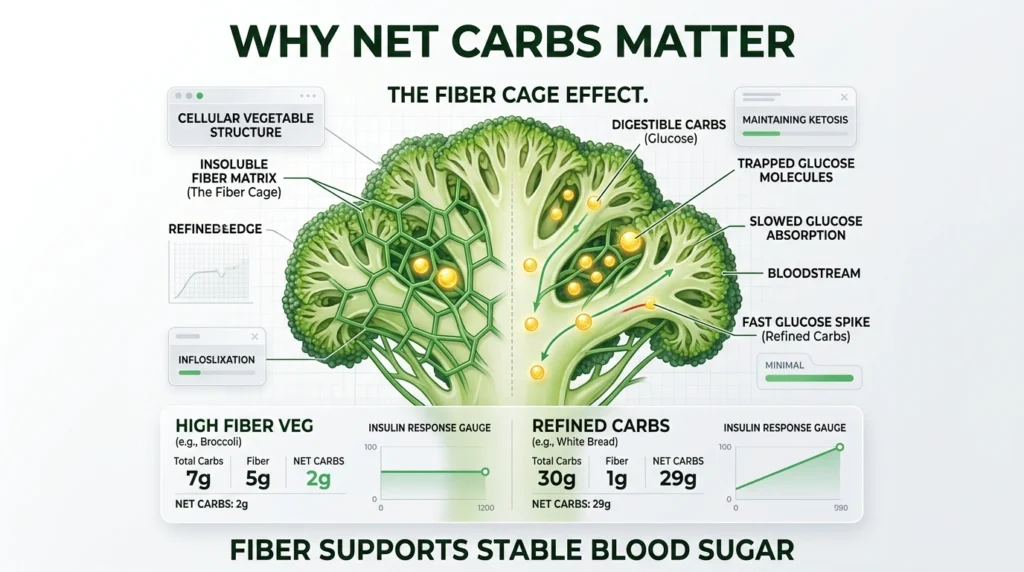
Low Carb Vegetables: Scientific Keto Guide & Metabolic Matrix
Definitive Metabolic Database Low Carb Vegetables: The Definitive Database and Metabolic Guide Prioritize non-starchy, above-ground…
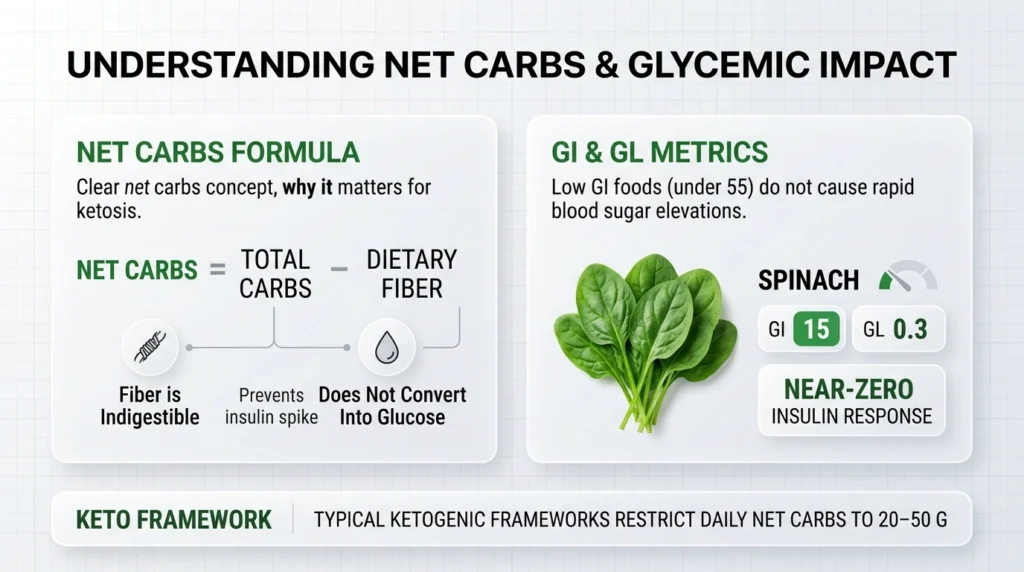
Is Spinach Keto? Net Carbs, GI/GL, and Keto Adaptation
Metabolic Analysis Is spinach keto? A metabolic analysis of 15 leafy greens Spinach contains only…
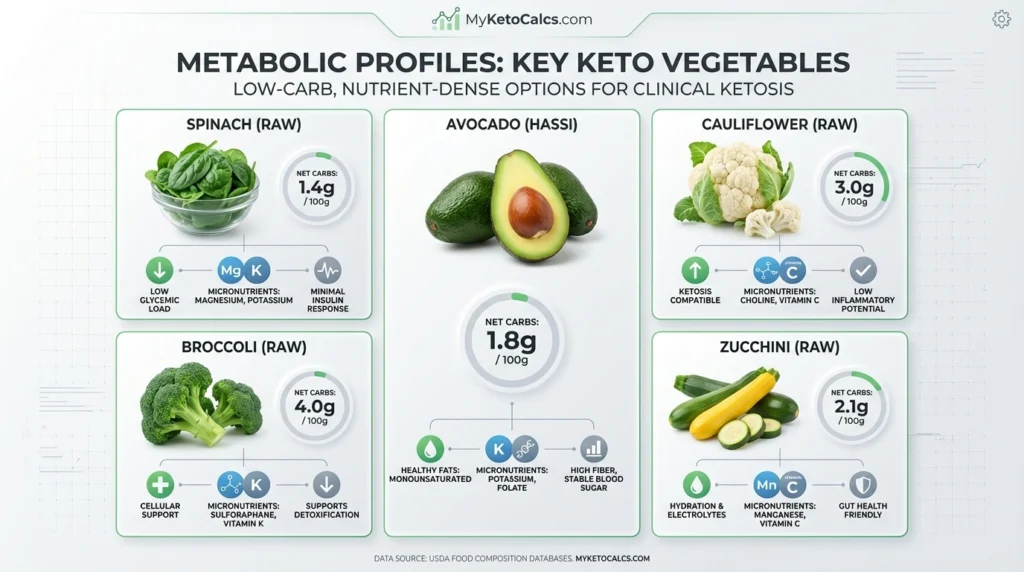
Keto Friendly Vegetables: 50+ Low Net Carb Options
Ultimate Clinical Database Ultimate guide to keto friendly vegetables: 50+ options sorted by carb count…