
Can You Drink Alcohol on a Ketogenic Diet? The Ultimate Liquid Guide
The ketogenic diet represents a significant metabolic shift, transitioning the human body from a primary reliance on glucose to the utilization of fatty acids and ketone bodies for cellular energy.
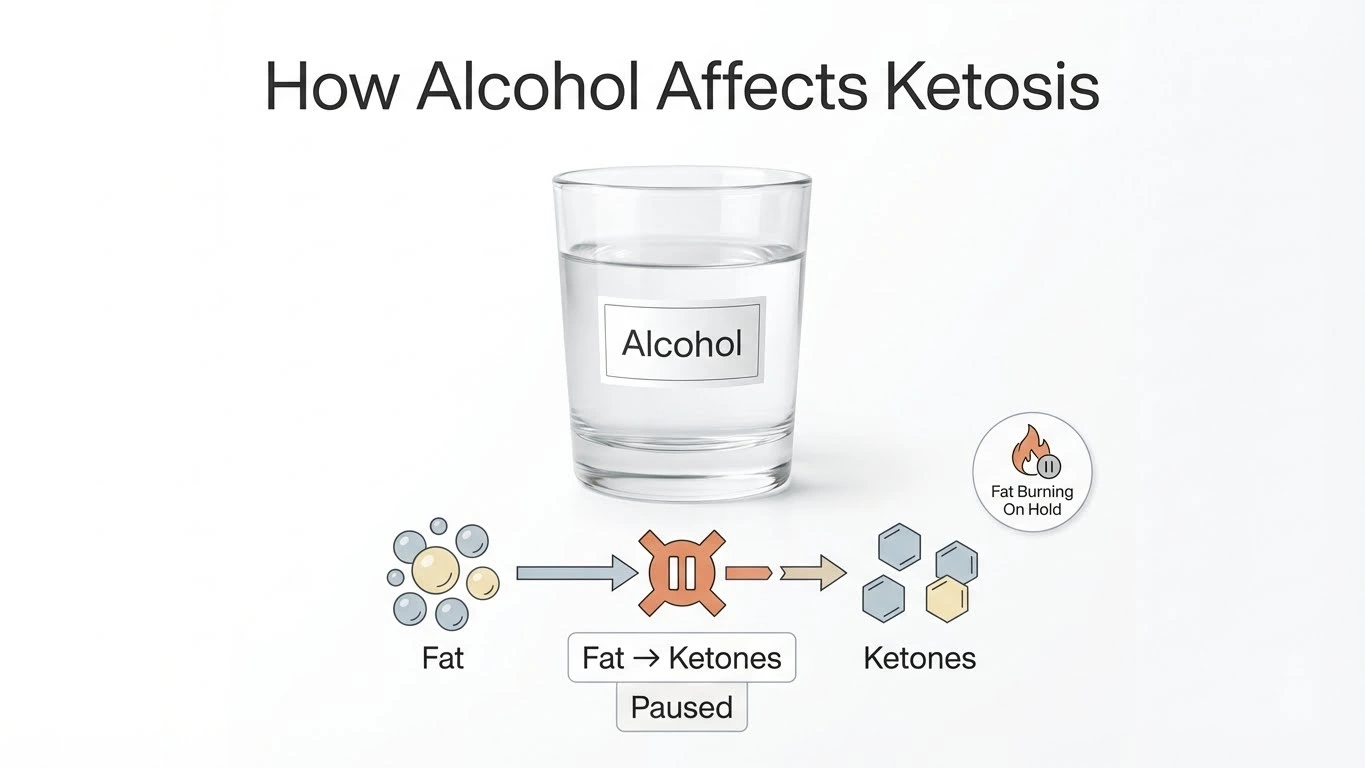
This physiological transformation, known as nutritional ketosis, is highly sensitive to macronutrient ratios. While many practitioners focus strictly on solid food intake, the biochemical impact of liquid consumption is often underestimated. A common concern for many starting this journey is: Can you drink alcohol on a ketogenic diet without jeopardizing metabolic progress?
This comprehensive clinical guide analyzes the physiological interactions between various beverages and the state of ketosis. We will examine the metabolic processing of ethanol, the controversial role of artificial sweeteners in non-caloric sodas, and why traditional dairy products are contraindicated for maintaining a fat-burning state.
The Physiology of Ketosis and Liquid Metabolism
To understand if you can drink alcohol on a ketogenic diet, one must first understand the liver’s role in energy production. In a standard metabolic state, the body breaks down carbohydrates into glucose. When carbohydrate intake is restricted—typically below 20–50 grams of net carbs per day—the liver begins converting stored and dietary fats into ketones.
Liquid intake plays a vital role in this process. Ketosis has a well-documented diuretic effect, particularly in the initial stages as glycogen stores (which bind water) are depleted. Maintaining hydration is essential to prevent the “keto flu,” a cluster of symptoms including fatigue and headaches caused by electrolyte imbalances. However, the liver’s metabolic priority shifts dramatically when specific substances, particularly ethanol, are introduced into the system.
When considering whether you can drink alcohol on a ketogenic diet, it is essential to realize that the body treats ethanol as a metabolic toxin. Unlike carbohydrates, proteins, or fats, alcohol cannot be stored in the body. Consequently, the liver prioritizes the detoxification and breakdown of alcohol into acetate over all other metabolic functions.
Why Fat Burning Stops
While a zero-carb spirit might not technically “kick you out” of ketosis by raising blood sugar, it effectively pauses fat burning. The liver ceases the oxidation of fatty acids to focus on clearing ethanol from the bloodstream. This delayed metabolic processing means that for several hours after consumption, your body is burning acetate for fuel instead of fat. Therefore, frequent consumption of alcohol on keto can lead to significant weight loss stalls, even if the drinks themselves are carb-free.
The Impact on Tolerance
Patients often report a significantly lowered tolerance when consuming alcohol on keto. This occurs because glycogen levels are depleted; carbohydrates typically slow the absorption of alcohol into the bloodstream. Without this buffer, ethanol enters the system more rapidly, leading to quicker intoxication and potentially more severe hangovers.
🍷 Can You Drink Wine on a Ketogenic Diet?
One of the most frequent questions from patients is: Can you drink wine on a ketogenic diet? The answer is nuanced and depends entirely on the residual sugar content of the specific varietal.
Dry vs. Sweet Wines
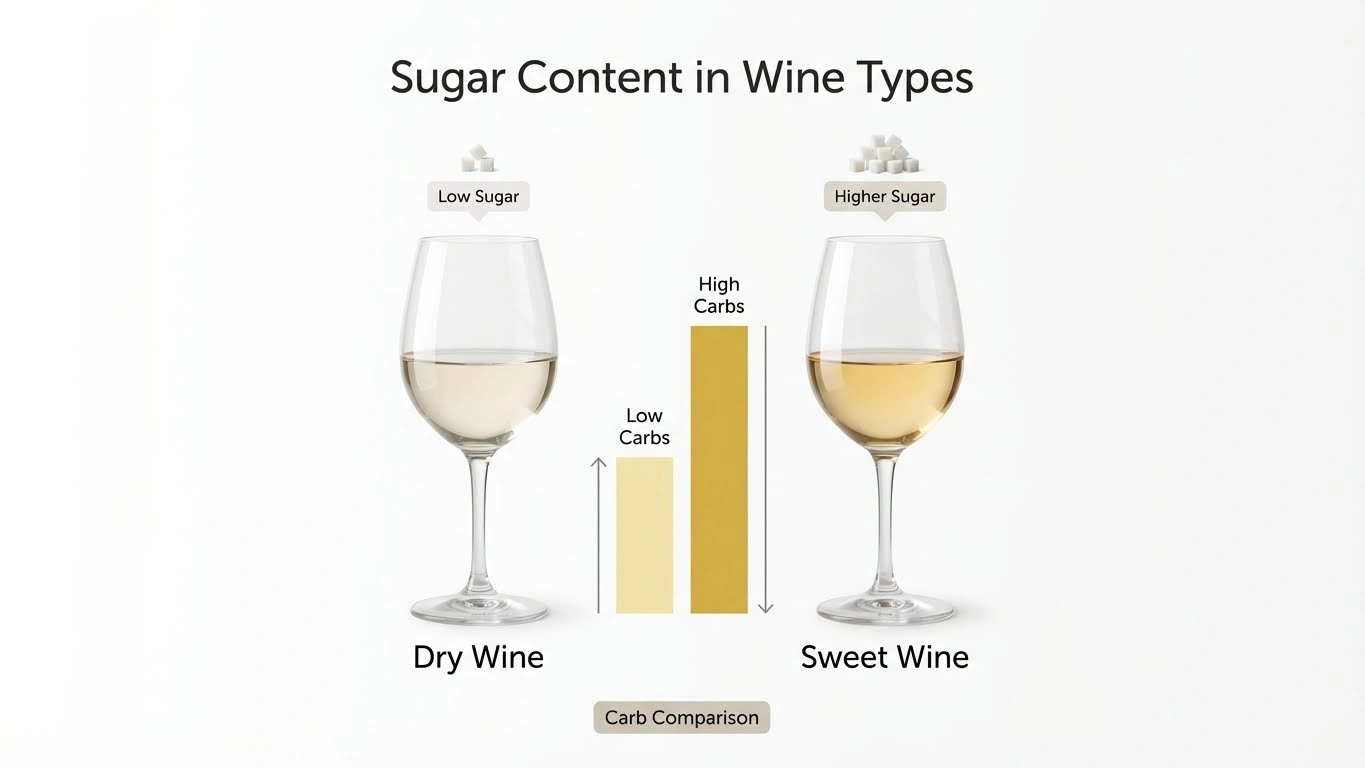
Wine is produced through the fermentation of grape sugars by yeast. If the fermentation process is allowed to reach completion, most sugars are converted into ethanol, resulting in a “dry” wine.
- Dry Wines: Red varietals like Cabernet Sauvignon, Merlot, and Pinot Noir, and white varietals like Sauvignon Blanc or Pinot Grigio, typically contain between 2 to 4 grams of net carbs per 5-ounce serving.
- Sweet Wines: Dessert wines, Ports, and Rieslings can contain upwards of 14–20 grams of sugar per glass, which is enough to disrupt ketosis instantly.
The Champagne Exception: Interestingly, dry sparkling wines are often highly compatible with a low-carb lifestyle. Varietals labeled as “Brut Nature” or “Extra Brut” have the lowest residual sugar, often containing less than 2 grams of carbs per serving. When patients ask if they can drink wine on a ketogenic diet, clinicians generally recommend these dry sparkling options or “Old World” dry reds.
The Truth About Spirits and Mixers
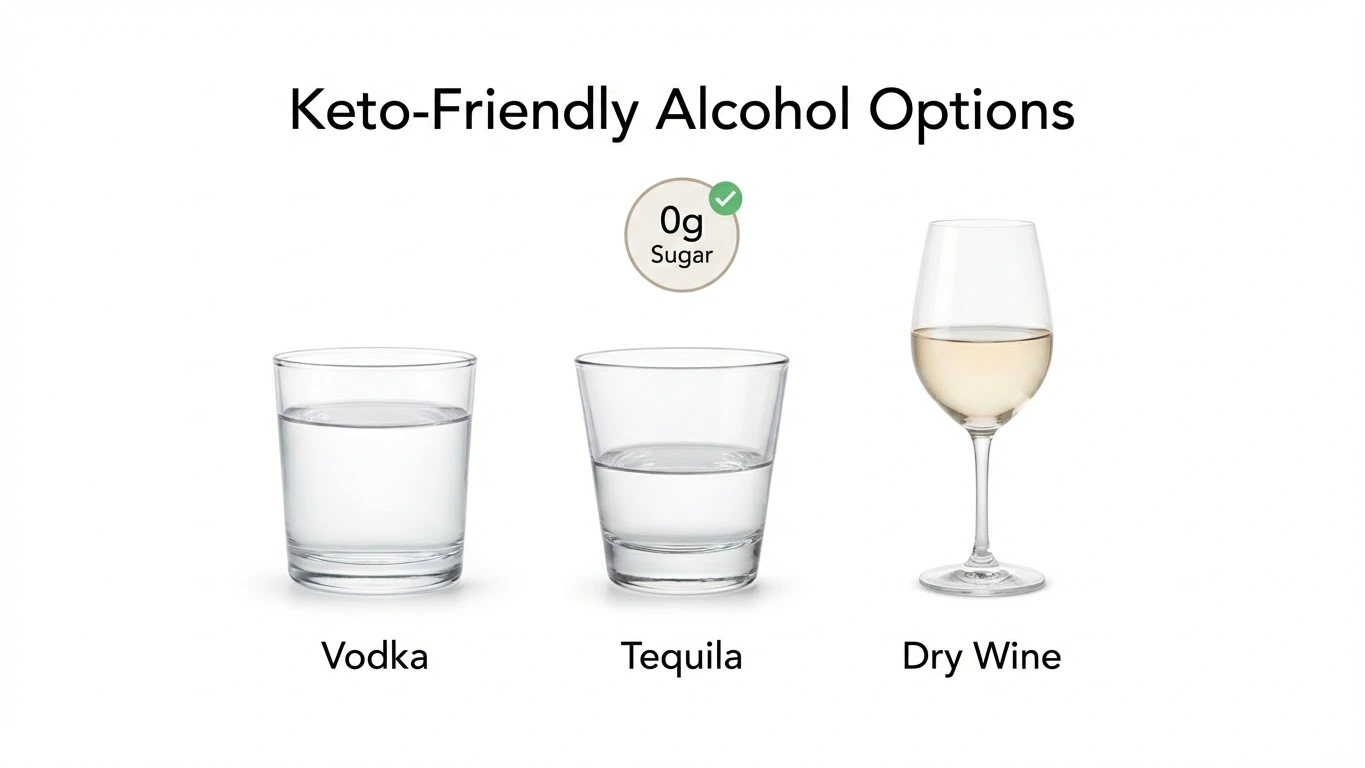
For those wondering if you can drink alcohol on a ketogenic diet, pure distilled spirits offer the lowest carbohydrate impact. During the distillation process, sugars are left behind, resulting in a liquid that is essentially ethanol and water.
🥃 Keto-Approved Spirits
The following spirits contain zero carbohydrates when consumed unflavored and neat or on the rocks:
- Vodka
- Gin
- Tequila
- Whiskey/Bourbon/Scotch
- Brandy/Cognac
- Rum (Unsweetened)
The Mixer Trap
The danger in consuming alcohol on keto usually lies in the mixers rather than the spirit itself. A single gin and tonic made with regular tonic water contains approximately 32 grams of sugar—more than many dieters’ daily allowance. To maintain ketosis, one must use club soda, seltzer, or fresh citrus juice in strictly limited quantities.
🥤 Can You Drink Diet Soda on a Ketogenic Diet?
Transitioning from sugary beverages to low-carb alternatives leads many to wonder: Can you drink diet soda on a ketogenic diet? While these beverages are technically “carb-free,” their impact on long-term health and metabolic stability is a subject of ongoing clinical debate.
The Role of Artificial Sweeteners: Diet sodas use non-nutritive sweeteners such as aspartame, sucralose, or acesulfame potassium to mimic the taste of sugar without the caloric load. From a strict “Macro” perspective, because they contain 0g of sugar and 0g of carbohydrates, they do not directly inhibit the production of ketones.
Metabolic and Psychological Risks
However, clinicians often advise caution for several reasons:
- Insulin Response: Some research suggests that the sweet taste of artificial sweeteners may trigger a “cephalic phase insulin response,” where the body releases insulin in anticipation of sugar. High insulin levels, even without blood sugar spikes, can hinder fat burning.
- Cravings: The intense sweetness can keep the palate accustomed to sugar, potentially increasing cravings for high-carb treats and leading to dietary non-compliance.
- Gut Health: Emerging studies link sweeteners like sucralose to disruptions in the gut microbiome, which is critical for overall metabolic health.
When patients ask if they can drink diet soda on a ketogenic diet, the consensus is that they are acceptable as an occasional tool for transition but should not replace water or tea as primary hydration sources.
🥛 Can You Drink Milk on a Ketogenic Diet?
While dairy is often associated with high-fat diets, the question of whether you can drink milk on a ketogenic diet usually yields a negative response for standard cow’s milk.
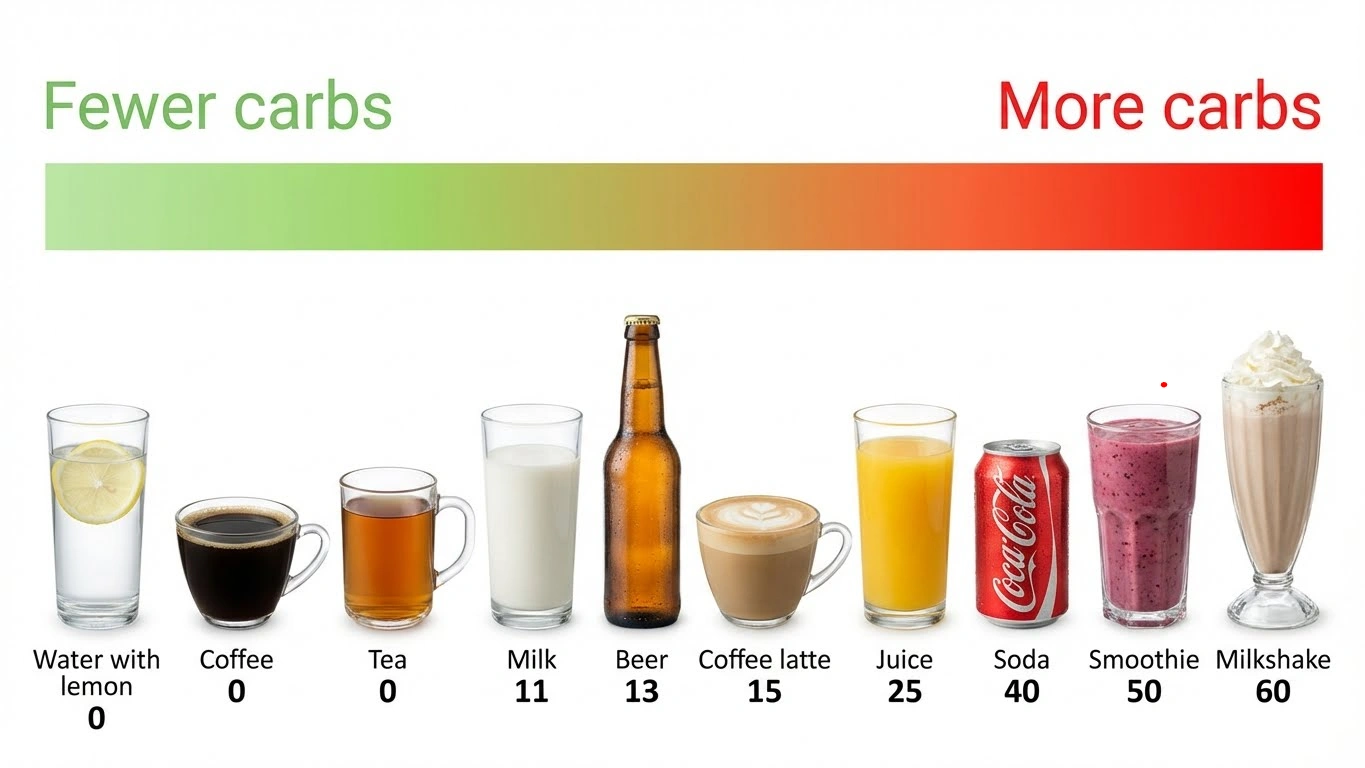
The Problem with Lactose: Standard cow’s milk, whether whole, 2%, or skim, contains a significant amount of lactose, which is a naturally occurring sugar. One 8-ounce cup of milk contains approximately 12–13 grams of net carbohydrates. For a patient restricted to 20 grams of carbs daily, a single glass of milk utilizes over 60% of their daily allowance, making it highly impractical for maintaining ketosis.
Keto-Friendly Milk Alternatives
Clinicians recommend plant-based alternatives that provide creamy texture without the glycemic load:
- Unsweetened Almond Milk: 1–2g net carbs per cup.
- Unsweetened Coconut Milk (Carton): 1–2g net carbs per cup.
- Unsweetened Macadamia or Cashew Milk: 1–3g net carbs per cup.
- Heavy Cream: While too caloric for large-scale drinking, a splash in coffee provides high fat with negligible carbs.
When considering whether you can drink milk on a ketogenic diet, always verify the label for “Unsweetened” status, as many plant milks have added cane sugar.
Beer and Cider: The “Liquid Bread” Warning
🍺 What Should I Avoid?
If the question is “Can you drink alcohol on a ketogenic diet?”, then beer and cider are generally the answers to “What should I avoid?”.
- Why Beer is Forbidden: Beer is brewed from fermented grains (barley, wheat, or rye), which are high-starch ingredients. Even after fermentation, significant amounts of maltose and other carbohydrates remain. A standard beer can contain 13 grams of carbs or more, effectively serving as “liquid bread.”
- The Hard Cider Trap: Hard cider is made from fermented fruit juices, usually apples or pears. Because fruit is naturally high in fructose, the resulting cider often retains high levels of residual sugar, frequently exceeding 20 grams per serving. For those looking to enjoy alcohol on keto, cider is considered one of the least compatible choices.
- Are “Light Beers” an Option? Some ultra-light American lagers are engineered to be low-carb. Brands like Michelob Ultra (2.6g carbs) or Miller Lite (3.2g carbs) can fit into a daily carb count in strict moderation. However, they still contribute empty calories and pause the fat-burning process.
Quick Reference: The Keto Liquid “Yes/No” List
For immediate guidance on which liquids are safe for maintaining nutritional ketosis, refer to the following clinical categorization:
YES (0–2g Carbs)
- Water: Still, sparkling, or mineral water (The primary hydration source).
- Black Coffee & Tea: Unsweetened.
- Clear Spirits: Vodka, Gin, Tequila, Whiskey (neat or with soda).
- Unsweetened Plant Milks: Almond, Coconut, Macadamia.
- Bone Broth: Excellent for replenishing sodium and electrolytes.
- Dry Sparkling Wine: Brut Nature or Extra Brut.
IN MODERATION (3–6g Carbs)
- Dry Red/White Wine: Cabernet, Pinot Noir, Sauvignon Blanc.
- Light Beer: Specifically “Ultra-Light” brands.
- Vegetable Juice: Green juices without fruit bases (e.g., celery/cucumber).
- Diet Soda: Use sparingly due to potential insulin and gut health issues.
NO (High Carb/Sugar)
- Regular Soda: Contains ~39g of sugar per can.
- Fruit Juices: High fructose content disrupts ketosis immediately.
- Cow’s Milk: High lactose (sugar) content.
- Regular Beer & Cider: High starch and fruit sugar.
- Sweetened Cocktails: Margaritas, Piña Coladas, and anything with simple syrup.
- Liqueurs: Baileys, Kahlua, and Schnapps are essentially liquid sugar.
Re-entering Ketosis After Consumption
If a patient chooses to consume alcohol on keto or accidentally consumes a high-carb beverage, the path back to ketosis typically takes 48 to 72 hours. The timeframe depends on the individual’s metabolic flexibility and the total quantity of sugar consumed. To accelerate recovery:
- Strictly Limit Carbs: Return to <20g net carbs immediately.
- Hydrate and Replenish: Use electrolyte-rich drinks to flush the system.
- Physical Activity: Deplete remaining glycogen stores through exercise.
- MCT Supplementation: Use medium-chain triglycerides to boost ketone production.
Conclusion: Balancing Lifestyle and Metabolism
In summary, can you drink alcohol on a ketogenic diet? Yes, provided the selection is limited to distilled spirits or dry wines and consumption remains moderate. However, clinicians must emphasize that alcohol is not a neutral substance; it halts fat burning and prioritizes detoxification. Similarly, while the answer to whether you can drink diet soda on a ketogenic diet is technically affirmative, the potential impact on insulin sensitivity and gut health warrants a cautious approach. Regarding the daily ritual of drinking milk, standard dairy is generally excluded due to its lactose content, necessitating a switch to unsweetened plant-based alternatives to protect the state of ketosis. By adhering to these evidence-based liquid guidelines, patients can navigate social situations and daily cravings without sabotaging their metabolic health goals.
Summary for the Patient
- Water is the foundation. Drink at least 8 glasses a day to avoid fatigue.
- Spirit choice matters. Stick to clear, unflavored liquors.
- Mixers are the hidden enemy. Avoid juices and regular tonic.
- Wine must be dry. Look for “Brut” or dry red varietals.
- Ditch the milk. Use unsweetened almond or coconut milk instead.
- Moderation is clinical. Alcohol lowers tolerance and can stop weight loss for days.
Disclaimer: This guide is for informational purposes and does not constitute medical advice. Consult with a physician before making significant dietary changes, especially if you have underlying health conditions or are taking medications that may interact with alcohol or a ketogenic metabolic state.
Explore More Keto Resources
For additional information check out these excellent resources: