
Navigating keto alcohol: what you can safely drink without breaking ketosis
A scientifically grounded framework for selecting appropriate low-carb options — and understanding the metabolic interplay between ethanol and fat burning.

Can you drink alcohol on keto?
The fundamental objective of the ketogenic diet (KD) is to induce nutritional ketosis — a metabolic state where the body primarily utilizes fat-derived ketones for energy due to a severe restriction of carbohydrate intake, typically limited to 20–50 grams per day. For individuals adhering to a ketogenic lifestyle, navigating social environments that frequently involve alcoholic beverages presents a real metabolic challenge.
While pure forms of alcohol are inherently low in carbohydrates, consumption of keto alcohol requires careful consideration of caloric density, metabolic prioritization, and inherent health risks to ensure both dietary compliance and overall wellness. In short: yes, you can drink alcohol on keto — provided you select the appropriate low-carbohydrate options and maintain strict moderation.
The metabolic impact of alcohol: understanding the science
Alcohol — specifically ethanol — is a unique compound that significantly interacts with the body’s metabolic processes. It is often regarded as a fourth macronutrient because it contributes approximately 7 kilocalories per gram (kcal/g): nearly double that of carbohydrates or protein (4 kcal/g) and approaching fat (9 kcal/g).
Alcohol as a priority toxin: halting fat metabolism
The primary mechanism by which alcohol affects nutritional ketosis stems from how the liver prioritizes its metabolism. The body perceives ethanol as a toxic substance that must be removed immediately. When alcohol is consumed, the liver shifts its focus entirely to alcohol detoxification — temporarily halting or significantly slowing fat oxidation and ketone production (ketogenesis).
- This metabolic prioritization means that while alcohol itself (if carb-free) does not typically generate an insulin spike that immediately forces the body out of ketosis, it effectively pauses the body’s ability to burn fat for fuel.
- During this period, dietary fat and any residual carbohydrates consumed are more likely to be stored as body fat — leading to a potential stall in weight loss, even if ketosis is technically maintained.
- Recovery window: resuming active fat burning and ketone production typically takes approximately 48 to 72 hours after ethanol consumption, depending on the volume consumed and individual metabolic efficiency.
Lowered alcohol tolerance on keto
Individuals on the KD often experience a significantly lowered alcohol tolerance. This physiological change is attributed to the drastically reduced glycogen stores in the liver during ketosis. Normally, liver glycogen acts as a buffer that slows alcohol absorption into the bloodstream. Without this buffer, ethanol enters circulation faster, causing quicker intoxication, more pronounced impairment, and more severe hangovers due to accelerated dehydration and electrolyte loss. See our electrolytes guide for prevention strategies.
The caloric reality: the calories supplied by alcohol are “empty calories” — they contribute significant energy without providing essential micronutrients. A glass of wine or a spirit with a mixer can add 100–250 kcal without any nutritional benefit. Regular consumption can contribute to unintentional weight gain even within carb limits.
⚠️ Risk of hypoglycemia and ketoacidosis
Hypoglycemia risk: alcohol inhibits the liver’s ability to perform gluconeogenesis (the production of glucose from non-carb sources). For individuals with diabetes — especially those on insulin or SGLT2 inhibitors — this can lead to potentially dangerous low blood glucose levels.
Alcoholic ketoacidosis (AKA): excessive alcohol consumption combined with prolonged fasting can trigger dangerously high ketone levels and severe metabolic acidosis — a distinct condition from nutritional ketosis. Patients with diabetes should test blood sugar frequently before, during, and after drinking, and never consume alcohol on an empty stomach. See our ketosis vs. ketoacidosis guide.
Keto alcohol options: the low-carb beverage guide
Successful social drinking on keto relies on eliminating high-sugar options and focusing exclusively on zero-carb or truly low-carb choices.
Distilled spirits — the safest keto choice
Pure distilled spirits stand out as the most compliant choices for keto alcohol because they contain 0 grams of net carbohydrates and 0 grams of sugar in their unflavored, straight form. The distillation and fermentation process converts initial sugars and starches into ethyl alcohol, leaving negligible carbohydrate residue.
| Spirit (1.5 oz / 45 mL serving) | Calories | Carbs (g) | Sugar (g) |
|---|---|---|---|
| Vodka | 97 | 0 | 0 |
| Rum (unflavored) | 97 | 0 | 0 |
| Whiskey / Scotch / Bourbon | 97–105 | 0 | 0 |
| Tequila (100% agave) | 97–103 | 0 | 0 |
| Gin (unflavored) | 97 | 0 | 0 |
| Brandy / Cognac | 97–104 | 0–1 | 0 |
⚠️ Flavored varieties warning: flavored spirits — spiced rum, honey whiskey, flavored vodkas and gins — often contain added syrups or sweeteners. These can quickly add 0.5g to over 10g of carbohydrates per serving and must be checked carefully on the label before consuming.
Wine — dry varieties only
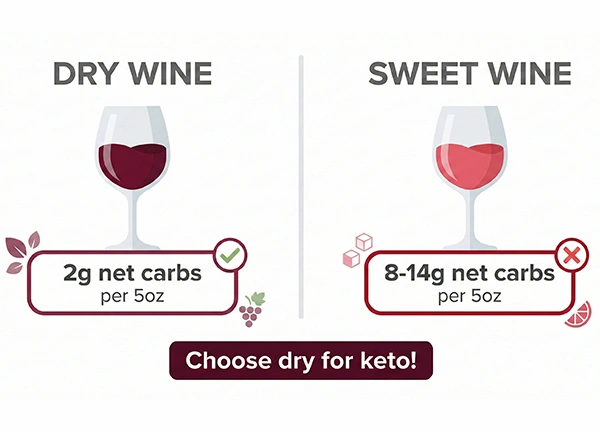
Wine can be incorporated into a keto alcohol plan, but selection must prioritize “dry” varieties — indicating minimal residual sugar remaining after fermentation. The ABV (alcohol by volume) is a useful indicator: wines with higher ABV (over 12%) typically signify more complete fermentation, thus lower sugar and carb content.
Dry red wine (best picks)
Dry red wines are popular choices also due to their antioxidant polyphenol content.
Dry white wine (best picks)
Look for labels like “Extra Dry,” “Brut,” or “Trocken” to ensure minimal residual sugar. Even wines labeled “dry” can vary — always check the label.
Sparkling wine (Champagne, Prosecco, Cava): look exclusively for Brut Nature or Zero Dosage labels, which contain the lowest sugar — under 1–2g per glass. Avoid Extra Dry, Sec, and Doux labels, which are progressively higher in residual sugar despite their misleading names.

Beer — light and ultra-low-carb options only
Regular beer is historically incompatible with ketogenic guidelines, often colloquially termed “liquid bread.” A standard 12-ounce regular beer contains approximately 13 grams of carbohydrates. However, modern brewing techniques have yielded acceptable low-carb alternatives.
| Beer Type (12 oz / 355 mL) | Calories | Carbs (g) |
|---|---|---|
| Regular beer | 153 | 13 |
| Light beer (average) | 103 | 6 |
| Low-carb light beer | 96 | 3 |
| Budweiser Select 55 | 55 | 1.9 |
| Michelob Ultra | 95 | 2.6 |
Even keto-compatible light beers should be treated as a controlled portion — one can per occasion maximum, factoring the 2–3g of net carbs into your daily total tracked with the keto macros calculator.
Hard seltzers — a naturally keto-friendly option
Hard seltzers — flavored carbonated water mixed with alcohol — have emerged as a popular keto alcohol option due to their inherently low carbohydrate and calorie counts. A standard 12-ounce can generally contains approximately 1–5 grams of carbohydrates and roughly 86–100 calories.
- Truly Hard Seltzer: ~1g net carbs per 12oz can
- White Claw: ~2g net carbs per 12oz can
Always check the label — some flavored seltzers add fruit concentrates or juice that can increase the carb count significantly above 5g per can.
🍹 Free Keto Drink Calculator
Build your drink, add every ingredient, and see the full macro breakdown before you pour.
Mastering low-carb mixers and cocktails
The greatest hazard in keto alcohol consumption often lies not in the pure spirit itself, but in the accompanying mixers — which can transform a zero-carb base into a high-sugar beverage in seconds.
Essential zero-carb mixers
To preserve the zero-carb status of hard spirits, only strictly zero-sugar mixers should be used. Almost all bars and restaurants stock these options.
- Soda water / seltzer / club soda: plain or unsweetened flavored versions — 0g carbs, 0 calories.
- Diet / zero-sugar soft drinks: diet cola, diet ginger ale, or other sugar-free sodas — minimal to 0g carbs.
- Diet tonic water: the crucial substitution for regular tonic, which contains up to 27g of carbs per serving.
- Fresh lemon or lime juice (splash): adds flavor with minimal impact — approximately 4g carbs per fluid ounce, so use sparingly.
Keto cocktail modifications
| Keto-Friendly Cocktail | Modification | Net Carbs |
|---|---|---|
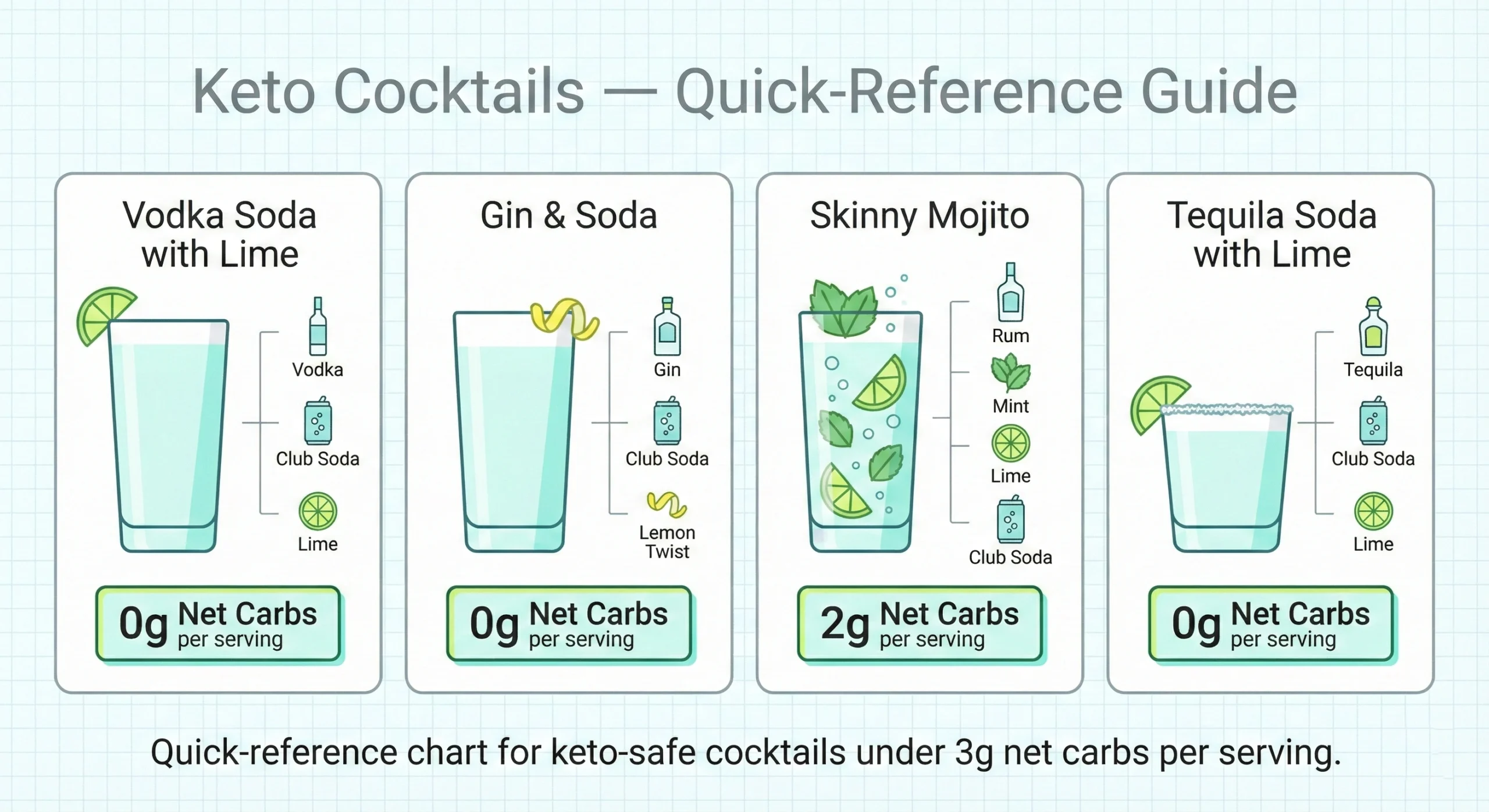
| Vodka soda / Gin soda | Club soda or seltzer + citrus twist | 0g |
| Dry martini | Dry vermouth — low residual sugar | 0–0.2g |
| Whiskey on the rocks | Served neat or with ice only | 0g |
| Rum & diet cola | Use diet cola instead of regular | 0–2g |
| Keto margarita | Lime seltzer or diet grapefruit soda + tequila | 0–0.65g |
| Keto mojito | Rum, lime juice, mint, soda water — omit simple syrup | <3g |
High-carb beverages to strictly avoid on keto
Maintaining ketosis necessitates strict avoidance of drinks laden with fermentable sugars or high concentrations of carbohydrates.
🚫 Sweet wines, Ports, and dessert liqueurs
These categories are consistently high in residual sugars. A small 5 oz glass of Port wine can contain 10–14g of carbs. Liqueurs like Baileys, Amaretto, or Kahlua often contain 11–40g of carbs per shot — enough to consume an entire day’s keto carb allowance in a single drink.
🚫 Sugary cocktails and premixed drinks
Traditional cocktails and premixed coolers (alcopops) are essentially sugar-laden sodas with added alcohol. A few common examples:
- Piña Colada: 32–87g net carbs
- Long Island Iced Tea: 25–50g net carbs
- Regular Margarita (with mix): 8–30g net carbs
- Mojito (traditional): 15–25g net carbs
Any cocktail made with simple syrup, premixed sour mix, juice, energy drinks, regular sodas, or cream liqueurs must be considered off-limits on strict keto.
Clinical recommendations for responsible consumption
While low-carb alcohol options exist, it is imperative to address the overall health implications and metabolic risks associated with ethanol intake. No amount of alcohol is considered beneficial for overall health — these strategies exist to mitigate harm, not to encourage drinking.
Strategies to minimize negative metabolic effects
- Hydration is critical: both alcohol and ketosis act as diuretics. Consume one glass of water for every alcoholic beverage. Prioritize electrolytes — sodium and potassium especially — before and after drinking.
- Always eat before drinking: never consume alcohol on an empty stomach. A balanced keto-friendly meal rich in healthy fats and protein significantly slows alcohol absorption and reduces the blood sugar impact.
- Use measured portions: use measured portions at home — 1.5 oz spirit pours, 5 oz wine pours — and order high-volume, low-alcohol drinks to slow consumption pace.
- Track with your calculator: account for all alcohol calories and carbs in your daily totals. Use the keto macros calculator to adjust your remaining food intake accordingly.
⚠️ When to consult a healthcare provider
If a weight loss plateau occurs, the immediate clinical intervention is the complete elimination of all alcohol consumption for 2–4 weeks before re-evaluating. Patients with underlying liver conditions, diabetes (especially type 1), kidney disease, or those taking SGLT2 inhibitors must consult a physician before incorporating any keto alcohol into their diet.
Conclusion: alcohol on keto — awareness, not abstinence
Adopting the keto lifestyle does not mandate absolute abstinence from alcohol — but it demands an elevated level of metabolic awareness and self-discipline. By consistently choosing zero-carb spirits, dry wines, or compliant low-carb beers and hard seltzers, and by diligently avoiding sugary mixers and high-carb cocktails, individuals can responsibly enjoy social drinking within a ketogenic framework.
The key principle: view keto alcohol as an occasional, planned indulgence — not a regular dietary component. Always prioritize hydration, moderation, and medical consultation if you are using keto for the therapeutic management of medical conditions.
FAQ: keto alcohol — clinical answers
The most common questions about drinking alcohol on a ketogenic diet — answered with metabolic precision and practical guidance.
Yes — with the right choices. Pure distilled spirits (vodka, whiskey, tequila, gin) contain 0g of net carbohydrates and will not directly trigger an insulin spike or remove you from ketosis. However, the distinction is important: while ketosis may be technically maintained, active fat burning is paused. The liver prioritizes alcohol detoxification as a metabolic emergency, meaning it stops producing ketones from fat during that window. Blood ketone levels may remain detectable but the fat-burning engine is effectively idle for 48–72 hours. The answer is: ketosis can technically persist, but fat loss will stall.
Pure distilled spirits — vodka, gin, tequila (100% agave), whiskey, bourbon, unflavored rum — contain 0 grams of net carbs per standard 1.5 oz serving. These are definitively the lowest-carb options available. Among wines, Sauvignon Blanc (~2.8g per 5oz glass) and Pinot Grigio (~3.0g) are the driest and most keto-compatible. For beers, Budweiser Select 55 (1.9g per 12oz) and Michelob Ultra (2.6g) are the best options. Hard seltzers (White Claw, Truly) typically contain 1–2g per 12oz can. The absolute worst choices — from a carb perspective — are sweet wines, liqueurs, and cocktails made with juice or simple syrup.
This is one of the most practically important things to understand before drinking on keto. In a normal metabolic state, the liver stores glycogen — a reserve of glucose that acts as a buffer and slows the rate at which alcohol enters the bloodstream. On a ketogenic diet, liver glycogen stores are dramatically depleted, sometimes to near zero. Without this buffer, ethanol passes into the bloodstream much faster, causing quicker and more pronounced intoxication from the same amount of alcohol you normally consumed without difficulty. The hangover is also significantly worse due to accelerated dehydration and electrolyte loss — both of which are already elevated on keto. Always start with a smaller amount than you think you need.
Active fat burning and ketone production typically resumes approximately 48 to 72 hours after alcohol consumption, depending on the total volume consumed, the individual’s body weight and metabolic efficiency, and whether food was eaten alongside the alcohol. During this window, the liver is fully occupied with ethanol detoxification and cannot simultaneously process fat for ketogenesis. This does not mean you gain weight from a single evening of moderate keto-compliant drinking — it means your progress temporarily pauses. For individuals in active fat loss phases, this interruption is worth factoring into the decision of whether and how often to drink.
Yes, dry wines are generally acceptable on keto in moderation. The key variable is not color but residual sugar — which depends on how fully the wine was fermented. Dry red wines (Pinot Noir, Merlot, Cabernet) and dry white wines (Sauvignon Blanc, Pinot Grigio) are both appropriate choices, typically containing 2.8–3.8g of net carbs per 5oz pour. Color matters less than the “dry” designation: a dry white is just as appropriate as a dry red. What matters most is the label — avoid anything described as sweet, medium-sweet, off-dry, or dessert wine. For sparkling wines, only Brut Nature or Zero Dosage qualifies; even “Brut” and “Extra Dry” labels can contain 6–12g of carbs per glass.
Zero-carb mixers safe on keto include: plain soda water or club soda (0g carbs), diet or zero-sugar sodas (diet cola, diet ginger ale), diet tonic water — the crucial substitution, since regular tonic contains up to 27g of carbs per serving — and a small splash of fresh lemon or lime juice (~4g carbs per oz, use sparingly). These mixers allow you to take a zero-carb spirit and keep the total drink at 0–1g of net carbs. What to avoid: regular tonic water, fruit juices of any kind, energy drinks, simple syrup, sweet and sour mix, grenadine, coconut cream, and all regular sodas. When ordering at a bar, the safest verbal order is: “[spirit] and soda water” or “[spirit] on the rocks.”
Related resources & tools
A comprehensive ranking of every alcoholic beverage category by carb load and ketosis compatibility.
Check if your favorite beverage — cocktail, coffee, smoothie — is safe for ketosis before drinking it.
Factor alcohol calories into your daily macro budget to ensure the rest of the day stays on track.
Prevent the dehydration and electrolyte crash that hits harder on keto after drinking.
Understand the distinction between safe nutritional ketosis and dangerous alcoholic ketoacidosis.
Had too many sugary cocktails? This guide covers the fastest strategies to re-enter ketosis.
Explore more keto alcohol resources
For additional information and comprehensive guides, check out these expert external resources:
Latest articles
Keto Drinks Guide: Best & Worst Beverages for Ketosis
Keto Drinks Guide Keto Drinks: Best Zero-Carb Beverages for Ketosis Keto drinks are zero-carbohydrate beverages...
What Is Ketosis? How It Works and Why It Happens
Ketosis Guide What is ketosis? How it works and why it happens Ketosis is a...
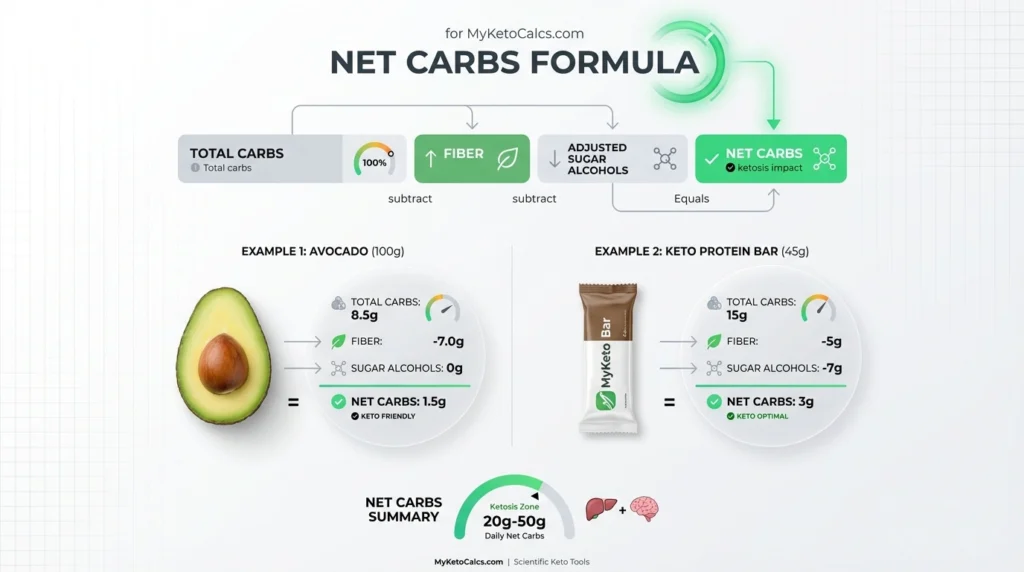
Net Carbs vs Total Carbs: What Matters for Keto?
Keto Nutrition Guide Net carbs vs. total carbs: the science + calculator tool Understand the...
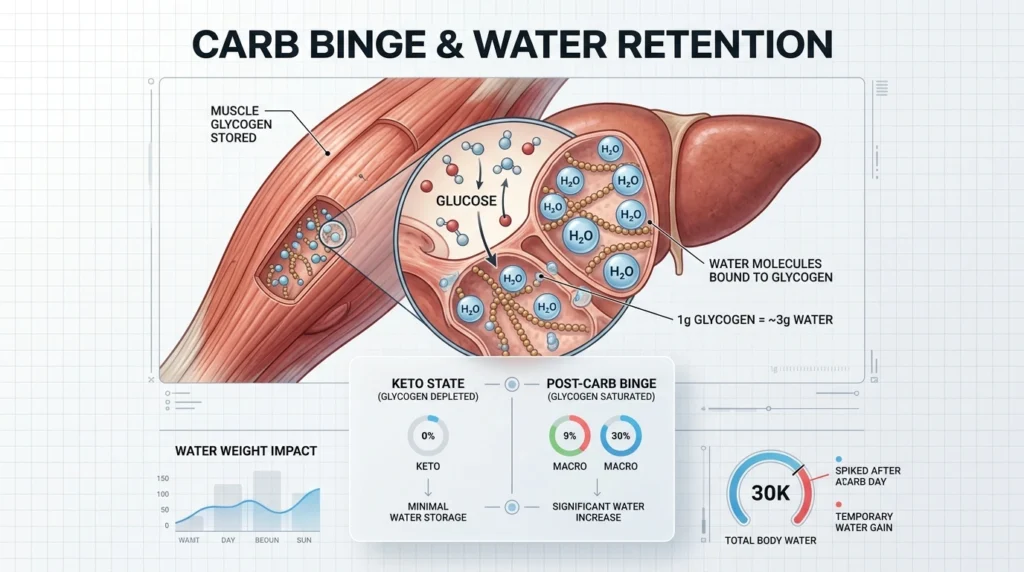
How Long to Get Back Into Ketosis After a Carb Binge?
Keto Recovery Guide How to Get Back Into Ketosis After a Carb Binge (Recovery Guide)...
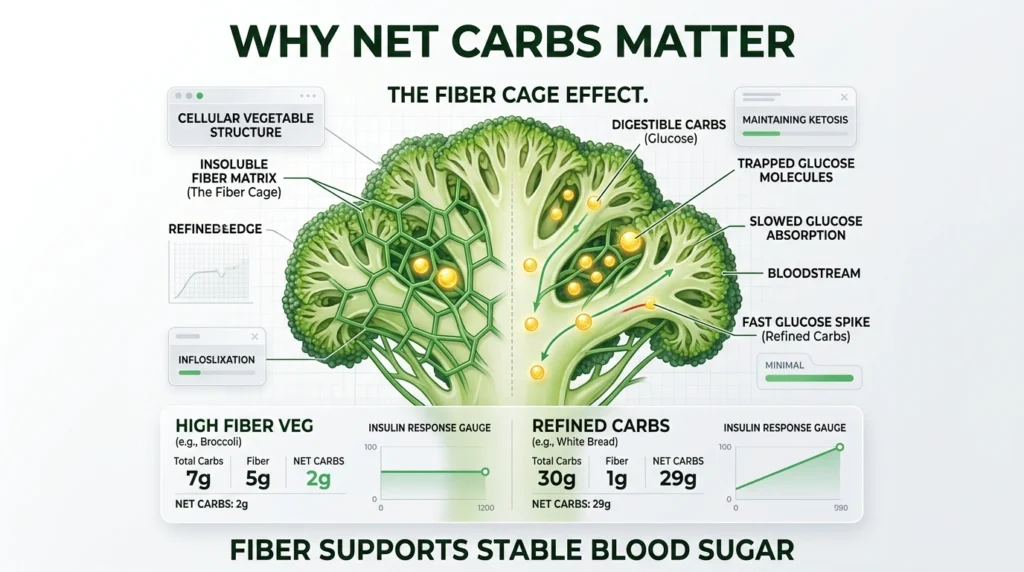
Low Carb Vegetables: Scientific Keto Guide & Metabolic Matrix
Definitive Metabolic Database Low Carb Vegetables: The Definitive Database and Metabolic Guide Prioritize non-starchy, above-ground...
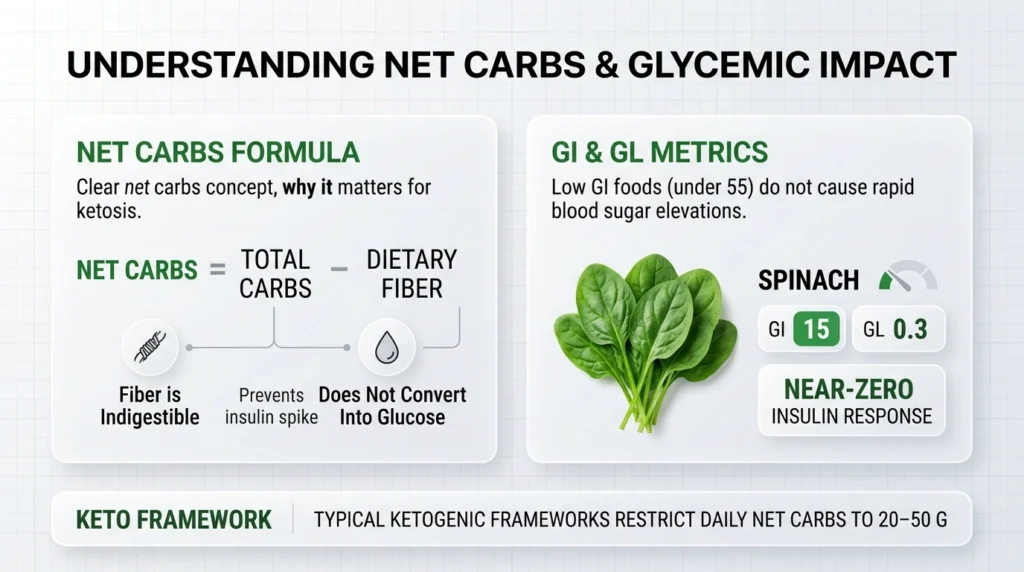
Is Spinach Keto? Net Carbs Per Cup, Per 100g + Serving Guide
Metabolic Analysis Is Spinach Keto? Net Carbs Per Cup, Per 100g + Serving Guide Raw...