
The Comprehensive Guide to Keto for Women: Balancing Hormones, Macros, and Cycle Cravings
A dynamic process that must adapt to the fluctuations of estrogen, progesterone, and insulin sensitivity.
Implementing a ketogenic lifestyle requires more than just restricting carbohydrates; for the female physiology, it demands an understanding of the intricate hormonal dance that occurs every month. Keto for women is not a static endeavor but a dynamic process that must adapt to the fluctuations of estrogen, progesterone, and insulin sensitivity. Unlike the linear metabolic patterns often observed in men, women are inherently cyclical. This biological reality means that your nutritional requirements, energy levels, and even your “keto-flu” susceptibility change depending on where you are in your menstrual cycle.
To achieve long-term success, women must transition from a “one-size-fits-all” approach to a cycle-synced strategy. Scientific evidence suggests that the state of nutritional ketosis—where the body utilizes fat and ketones rather than glucose—can significantly modulate reproductive health, especially for those managing conditions like PCOS. However, the same metabolic pathways that offer therapeutic benefits can also trigger stress responses if the diet is too restrictive during sensitive hormonal phases. This guide explores the scientific intersection of keto and the menstrual cycle, providing a framework for adjusting your macros and managing that inevitable carb cravings period.
👇 Calculate Your Personal Macros
Use this tool to find your baseline, then adjust based on your cycle phase.
Your Personalized Results
Daily Target
0
kcal / day
Understanding Female Hormonal Architecture
The female reproductive cycle is a complex interaction involving the brain (specifically the hypothalamus and pituitary gland), the ovaries, and the uterus. This cycle is typically divided into four distinct stages: the menstrual phase, the follicular phase, ovulation, and the luteal phase. Each phase is governed by shifting concentrations of sex hormones that directly influence how your body processes macronutrients and maintains metabolic flexibility.
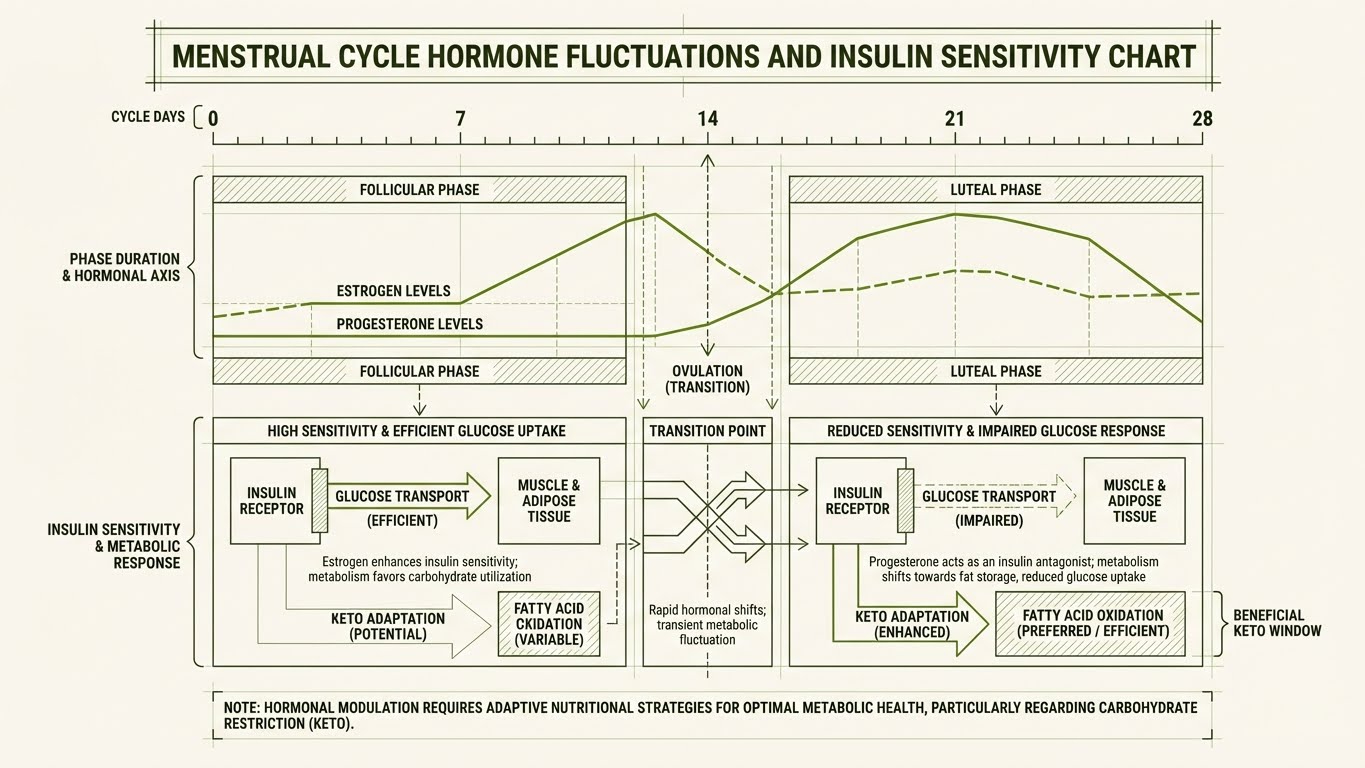
Estrogen and progesterone are the two primary regulators here. Estrogen, which rises during the follicular phase, is generally associated with improved insulin sensitivity and better carbohydrate tolerance. Progesterone, which dominates the luteal phase, can increase energy demands and, in some cases, induce a degree of transient insulin resistance. When practicing keto for women, recognizing these shifts is essential for preventing hormonal burnout and maintaining the integrity of the endocrine system.
The Role of the Hypothalamus and Leptin
The female hypothalamus acts as a metabolic sensor, constantly evaluating nutrient availability, body fat percentage, and stress levels. It is particularly sensitive to leptin—the satiety hormone produced by fat cells. If the body perceives a significant energy deficit or a rapid drop in body fat, leptin levels fall, signaling to the brain that it may not be a safe environment for reproduction.
This can lead to “functional hypothalamic amenorrhea,” where the cycle stalls to preserve energy for vital survival functions. To prevent this, women on keto must ensure they are consuming adequate calories and healthy fats, rather than focusing solely on aggressive restriction. A well-formulated diet provides the raw materials—specifically cholesterol and saturated fats—necessary for sex hormone synthesis.
Keto and the Menstrual Cycle: The Four Phases of Adaptation
To optimize your results, you must align your macronutrient targets with your biological rhythm. Using a flexible tool like a free keto calculator allows you to adjust these targets as your internal chemistry shifts throughout the month.
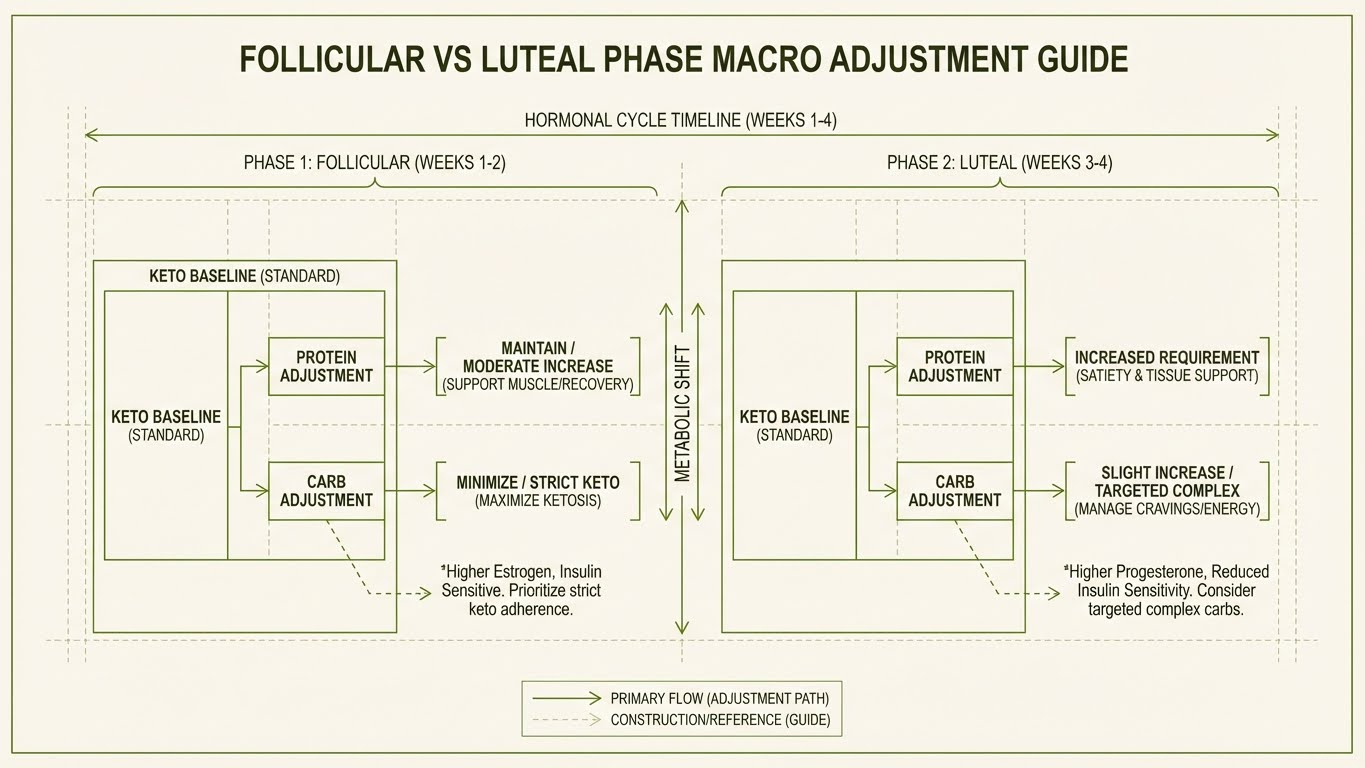
1. The Follicular Phase (Days 1–14)
Following the end of menstruation, estrogen begins its steady climb, peaking just before ovulation. This is the phase where women typically feel most energetic and metabolically resilient.
- Metabolic Profile: High estrogen improves insulin sensitivity, meaning your body is more efficient at utilizing both glucose and ketones.
- Macro Strategy: You can typically maintain a stricter ketogenic state here. Most women thrive on a ratio of 75% fat, 20% protein, and 5% carbohydrates.
- Nutrient Focus: Prioritize cruciferous vegetables (broccoli, kale, Brussels sprouts) to support the healthy metabolism and detoxification of estrogen.
- Training: Because energy is high, this is the ideal time for high-intensity interval training (HIIT) or heavy strength training.
2. Ovulation (Approximately Days 14–16)
During ovulation, estrogen reaches its zenith, and luteinizing hormone (LH) spikes to release the egg.
- Symptoms: You may experience a surge in libido and physical strength, but also slight bloating or breast tenderness due to the hormonal peak.
- Macro Strategy: Continue with standard keto macros, but be mindful of your protein intake. Adequate protein (1.0–1.2g per pound of lean body mass) is crucial for supporting the structural changes occurring in the ovaries.
- Cravings Management: To control any sudden “ovulatory cravings,” focus on protein-rich meals and healthy fats to keep blood sugar stable.
3. The Luteal Phase (Days 17–28)
This is the most critical phase for women on keto. Following ovulation, progesterone rises to prepare the uterine lining. If fertilization does not occur, both estrogen and progesterone eventually plummet, leading to the carb cravings period often associated with PMS.
- Metabolic Profile: Progesterone increases your basal metabolic rate, meaning your body actually requires more calories (often an extra 100–300 kcal/day). However, insulin sensitivity may decline.
- The “Carb-Up” Strategy: Many clinical experts suggest that women benefit from a slight increase in carbohydrates during the late luteal phase (days 21–28). Adding 15–25g of net carbs from clean, low-glycemic sources like sweet potatoes or berries can help support progesterone production and boost serotonin levels.
- Serotonin and Sleep: The drop in estrogen can lead to lower serotonin, which triggers a biological “insistence” on carbohydrates. Strategically increasing carbs at dinner may improve sleep quality and mitigate anxiety during this difficult window.
4. The Menstrual Phase (Days 1–5)
As the cycle restarts, all sex hormones are at their lowest levels. This is a time for rest, recovery, and nutrient repletion.
- Metabolic Profile: Inflammation may be higher due to the drop in progesterone, leading to cramps and fatigue.
- Nutrient Focus: Iron is the priority. Consume red meat, liver, or shellfish to replace what is lost during bleeding. Pair these with Vitamin C to enhance absorption.
- Hydration: Proper hydration and electrolyte balance (sodium, magnesium, potassium) are vital for reducing water retention and headaches.
Conquering the Carb Cravings Period
One of the greatest challenges of keto for women is the sudden, intense desire for sugar and starches that strikes in the week before your period. These cravings are not a sign of “weakness” or a failure of the diet; they are a neurochemical response to changing hormones.
The Serotonin-Estrogen Connection
The brainstem contains receptors where estrogen controls the flow of tryptophan—the precursor to serotonin. When estrogen drops during the late luteal phase, serotonin often follows suit. Since consuming carbohydrates is a fast way for the body to increase serotonin, your brain triggers a carb cravings period as a survival mechanism to boost your mood.
Strategic Solutions for Cravings:
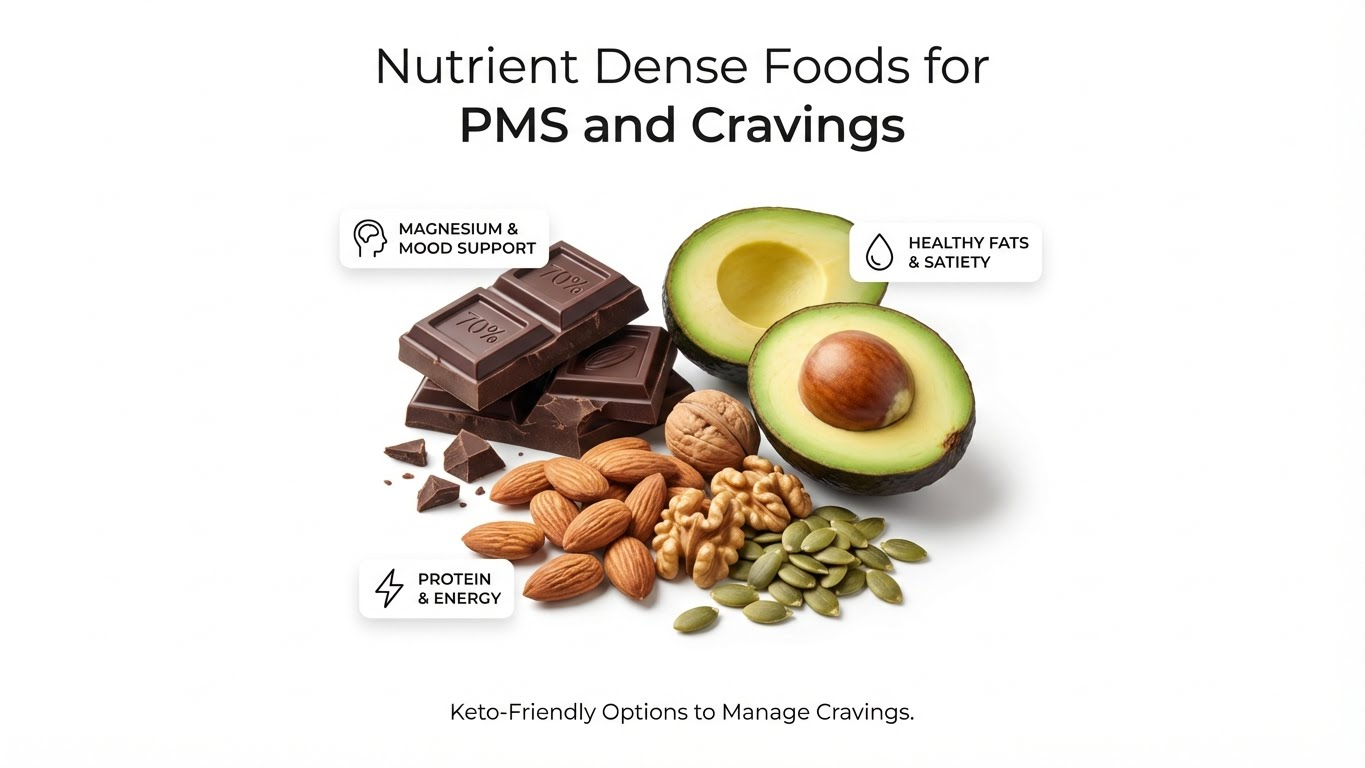
- Up the Healthy Fats: If the “PMS monster” hits, increase your fat intake. Nut butters, avocado, or keto-friendly fat bombs can provide the satiety needed to avoid a high-carb binge.
- Magnesium is Key: Most women with intense PMS have lower magnesium levels. Supplementing with 300–400mg of magnesium glycinate can reduce chocolate cravings and improve sleep.
- B6 for Mood: Vitamin B6 helps regulate mood and can reduce the irritability that often drives emotional eating.
- Dark Chocolate: If you must have chocolate, choose 85% or higher cacao content. It satisfies the palate while providing antioxidants and magnesium without breaking ketosis.
- Increase Salt: Oddly enough, salt can kill cravings. Olives or a cup of salty bone broth can provide the electrolytes needed to stabilize the nervous system.
Keto for Women and Specific Health Challenges
The ketogenic diet has shown profound clinical utility for women’s health issues, provided it is implemented with care.
Polycystic Ovary Syndrome (PCOS)
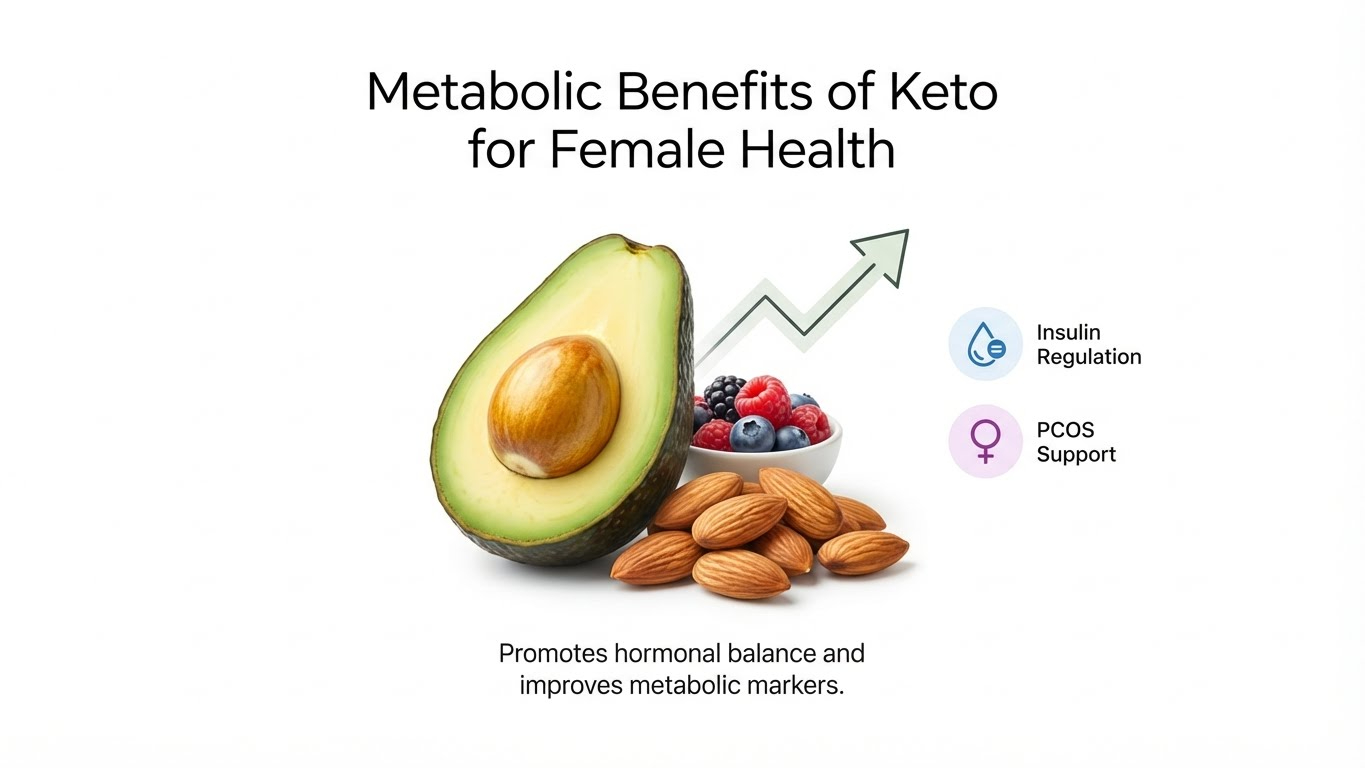
PCOS affects up to 10–12% of women and is characterized by insulin resistance, high androgens, and irregular cycles. Research indicates that a ketogenic diet can be an “absolute game changer” for this population.
- Insulin Regulation: Keto drastically lowers insulin levels, which in turn reduces the stimulation of the ovaries to produce excess testosterone.
- Hormonal Balance: Studies have shown that within 45 to 90 days on keto, women with PCOS see a significant reduction in their LH/FSH ratio and an increase in Sex Hormone Binding Globulin (SHBG).
- Fertility: By restoring ovulation and reducing weight, keto has helped many previously infertile women conceive spontaneously.
Perimenopause and Menopause
As women enter their 40s and 50s, estrogen levels become erratic before eventually declining.
- Weight Redistribution: During menopause, fat tends to migrate to the abdominal area, similar to male fat distribution patterns. Keto helps combat this by targeting visceral fat and stabilizing blood sugar.
- Cognitive Support: Many women in this stage struggle with “brain fog.” Ketones provide an alternative fuel source for the brain that can improve mental clarity and concentration.
- Bone Health: Keto may even support bone density by improving the absorption of calcium and magnesium, which is crucial as the risk of osteoporosis increases.
Practical Tracking: Using a Dynamic Calculator
Because your needs are not static, your macro tracking shouldn’t be either. A free keto calculator should be used as a dynamic tool rather than a one-time set of instructions.
How to Adjust Your Macros Monthly:
- Follicular Phase: Use the calculator to set a standard 5% carb limit. Focus on a moderate calorie deficit if weight loss is the primary goal.
- Luteal Phase: Adjust the settings to “Maintenance” or slightly higher. Increase the carbohydrate slider by 15–25 grams and prioritize protein to ensure fullness.
- Post-Plateau: If you hit a weight loss stall, use the calculator to slightly adjust your fat-to-protein ratios. Women often benefit from higher protein (25–30% of calories) to preserve lean muscle mass during weight loss.
Monitoring Your “Red Flags”
While keto is a net positive for most, women must monitor their health markers. If your period disappears for more than three months (amenorrhea) or you experience drastic energy drops and hair thinning, it is a sign that the diet is too stressful for your current state. In these cases, increasing your daily carb intake to 50g or implementing “keto cycling”—where you have 1–2 higher carb days per week—can restore balance.
Essential Nutrients for the Keto Woman
A successful keto diet for women is not just “bacon and butter.” It must be nutrient-dense to support the liver’s role in hormone metabolism.
- Omega-3 Fatty Acids: Found in salmon, sardines, and chia seeds. They are highly anti-inflammatory and essential for reducing period cramps and supporting brain health.
- Zinc: A potent hormonal regulator that increases progesterone while balancing estrogen.
- Fiber: Although keto is low-carb, fiber is non-negotiable. It binds to excess estrogen in the intestines, helping to prevent “estrogen dominance” and the bloating that comes with it.
- Vitamin D: Low levels are linked to menstrual irregularities. Ensure adequate sun exposure or supplementation, especially during winter months.
Conclusion: Embracing the Cyclical Nature of Health
The journey of keto for women is a process of learning to listen to your body’s signals. By understanding the science behind keto and the menstrual cycle, you move away from the frustration of unpredictable cravings and toward a sustainable, health-optimizing lifestyle.
Using a free keto calculator as a flexible guide allows you to nourish your body with the right macros at the right time. Whether you are navigating the high-energy follicular phase or the demanding carb cravings period of the luteal phase, remember that your metabolism is designed to be flexible. Respecting your biological rhythm is the ultimate key to achieving stable energy, balanced hormones, and lasting weight management.