
Keto Fruit: The Definitive Medical Guide to Low-Carb Berries
From “Nature’s Candy” to “Nature’s Medicine”: How to select the right fruits to maintain metabolic flexibility without triggering insulin spikes.
When a patient transitions into a state of nutritional ketosis, the most common inquiry directed toward their medical provider involves the feasibility of fruit consumption. From a biochemical standpoint, fruit is often categorized as “nature’s candy” due to its high fructose content. However, not all fruits are created equal. Identifying the right keto fruit is essential for maintaining metabolic flexibility without triggering an insulin response that halts fat oxidation.
In this comprehensive clinical guide, we will analyze the distinction between low-glycemic berries and high-sugar fruits, examining the physiological impact of different carbohydrate densities. By understanding the metabolic pathway of fructose and the role of dietary fiber, you can strategically incorporate low-carb fruits into your regimen.
👇 Calculate Your Carb Limit
Before adding fruit, determine your specific daily carbohydrate allowance to ensure you stay in ketosis.
Your Personalized Results
Daily Target
0
kcal / day
The Metabolic Reality of Fruit on a Ketogenic Diet
To understand why selecting a specific keto fruit is vital, we must examine how the liver processes sugar. Unlike glucose, which can be used by almost every cell in the human body, fructose is primarily metabolized in the liver. When high-sugar fruits are consumed in excess, the liver’s glycogen stores are quickly replenished. Once these stores are full, the body may exit ketosis as it shifts back to sugar metabolism, potentially leading to de novo lipogenesis (the creation of new fat).
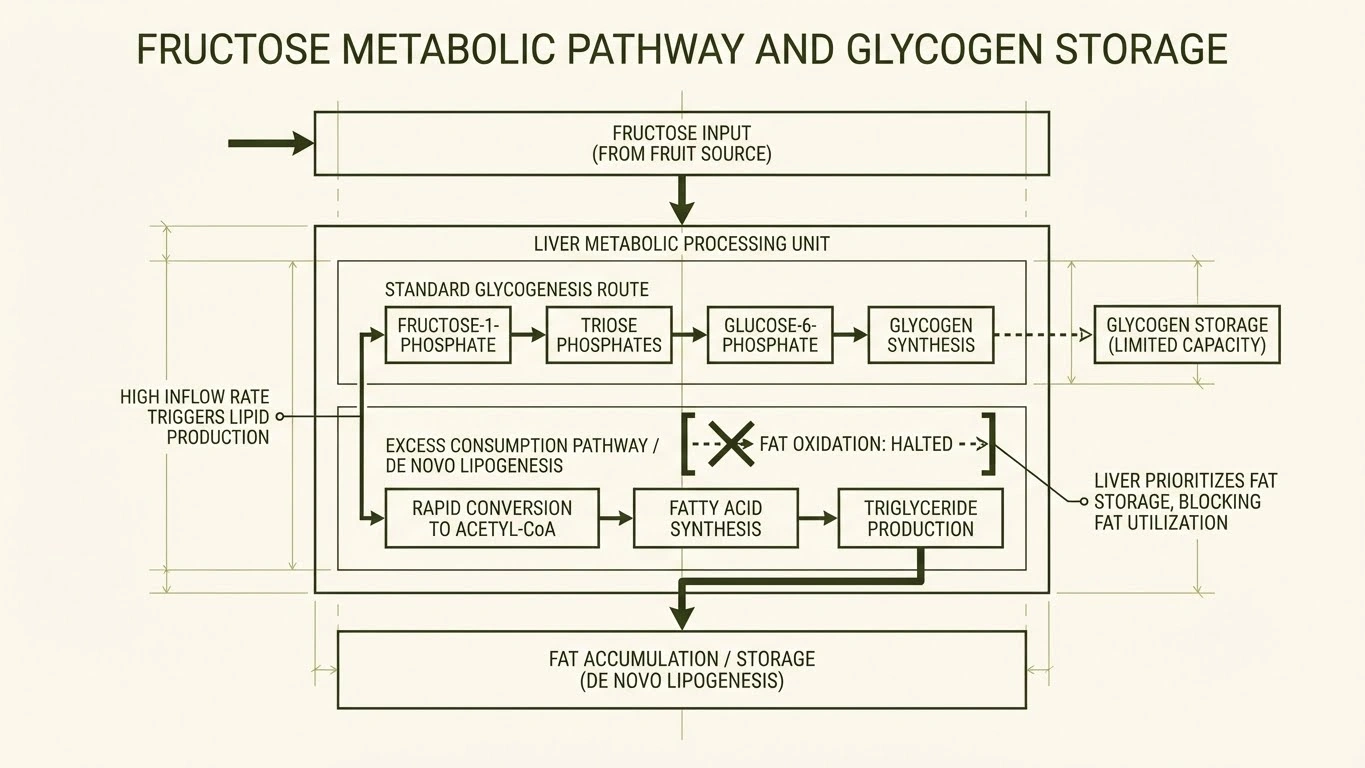
However, fruit offers essential phytonutrients and antioxidants. The goal for a keto adherent is not necessarily the total elimination of fruit, but the prioritization of those with the highest fiber-to-sugar ratio. This is where berries on keto become the “gold standard” for healthy supplementation.
The Gold Standard: Berries on Keto
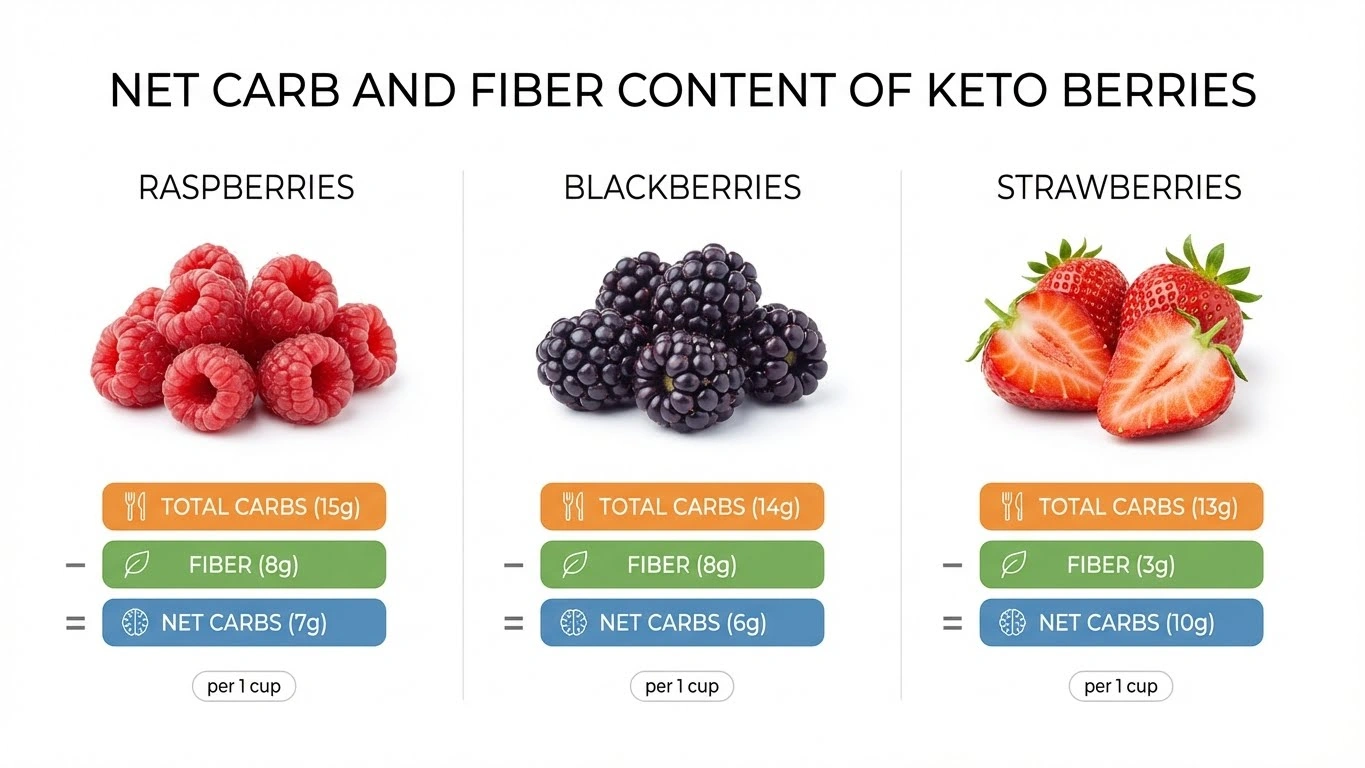
Berries are unique in the botanical world due to their structural composition. They are dense in water and fiber, which helps mitigate the glycemic load. When considering which keto fruit to add to your breakfast or snack, the following three options are medically recommended for their nutrient density and low net carb count.
Raspberries: The Fiber Powerhouse
Raspberries are perhaps the most keto-friendly fruit available. A half-cup serving contains approximately 7 grams of total carbohydrates, but an impressive 4 grams of that is fiber. This leaves only 3 grams of net carbs. From a clinical perspective, raspberries are rich in anthocyanins and quercetin, which have been shown to reduce systemic inflammation. The high fiber content also promotes gut microbiome diversity, which is sometimes neglected on high-fat diets.
Blackberries: Anthocyanin-Rich Support
Similar to raspberries, blackberries are excellent low-carb fruits. They provide roughly 3 to 4 grams of net carbs per half-cup. Their deep purple hue is a marker of high antioxidant levels, which help neutralize oxidative stress during the metabolic shift to ketosis.
Strawberries: The Vitamin C Booster
While slightly higher in natural sugars than raspberries, strawberries remain a viable keto fruit when consumed in moderation. One cup of halved strawberries contains about 8 to 9 grams of net carbs. They are an exceptional source of Vitamin C, which is crucial for collagen synthesis and immune function—micronutrients that are vital for patients undergoing significant weight loss.
Avoiding “Nature’s Candy”: The High-Sugar Offenders
While berries are generally safe, many other fruits act as a significant barrier to ketosis. These are often referred to as “Nature’s Candy” because their sugar concentration is high enough to trigger a substantial insulin spike.
The Problem with Bananas
In clinical nutrition, we often use the banana as a benchmark for high carbohydrate density. A single medium-sized banana contains approximately 27 grams of carbohydrates and only 3 grams of fiber. For most patients, a single banana exceeds the entire daily carbohydrate limit for the ketogenic diet.
Mangoes and Tropical Fruits
Tropical fruits like mangoes and pineapples are optimized by nature to be high-energy sources. A single cup of mango pieces contains about 25 grams of net carbs. Consuming these fruits effectively terminates the production of ketone bodies, shifting the body back into a glucose-dependent state.
Visualizing Carb Density: The “Banana vs. Spinach” Comparison
To truly grasp why choosing a keto fruit requires precision, it is helpful to visualize the carbohydrate density of high-sugar fruits compared to ketogenic-approved vegetables.
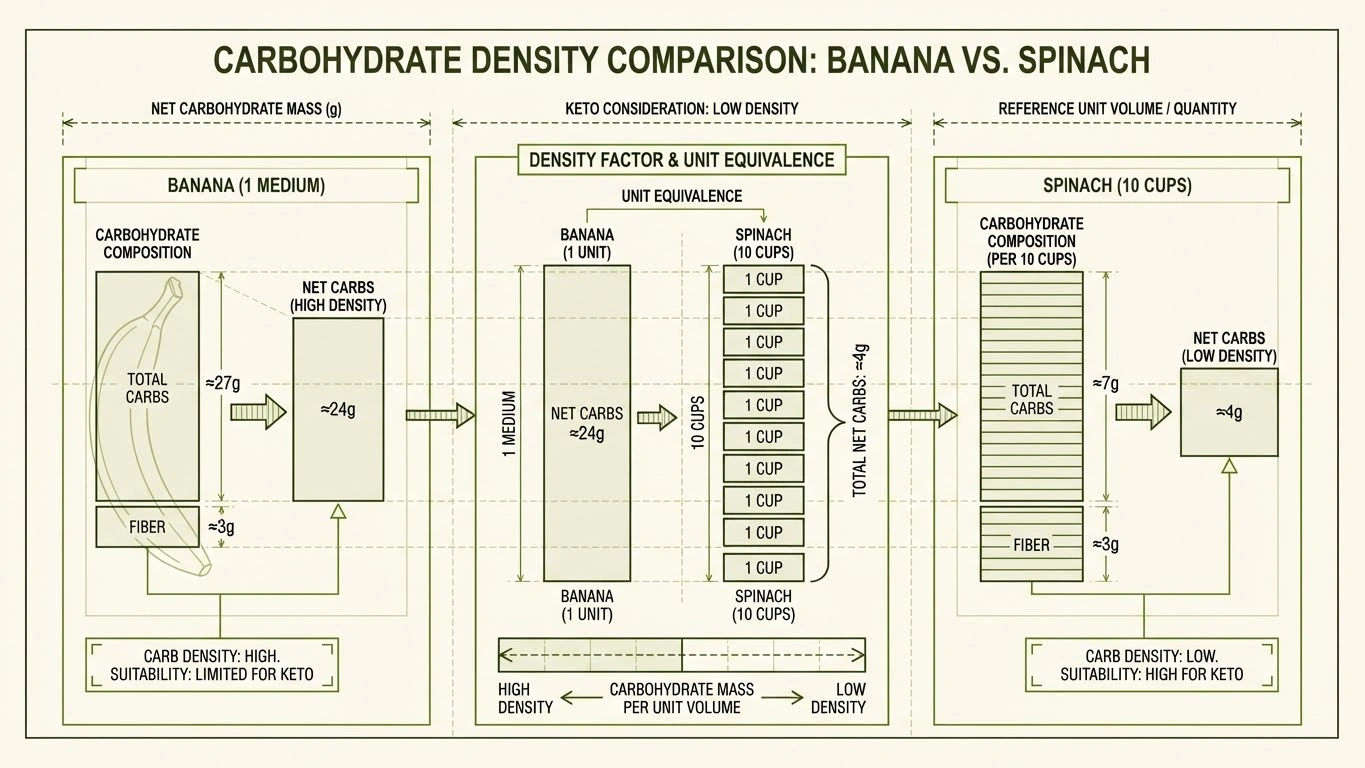
| Food Item | Typical Serving | Net Carbohydrates | Metabolic Impact |
|---|---|---|---|
| 1 Medium Banana | 118 grams | ~24g | High Insulin Spike |
| 10 Cups of Raw Spinach | 300 grams | ~3.5g | Negligible / Ketone Sparing |
As demonstrated in the table above, you would have to consume approximately 70 cups of spinach to equal the net carbohydrate load of one single banana. This visualization highlights the “hidden” sugar risks in many fruits that patients mistakenly perceive as “healthy” in unlimited quantities.
Practical Strategies for Incorporating Fruits on Keto
If you choose to consume fruit while following a low-carb protocol, timing and pairing are essential. We recommend the following clinical strategies:
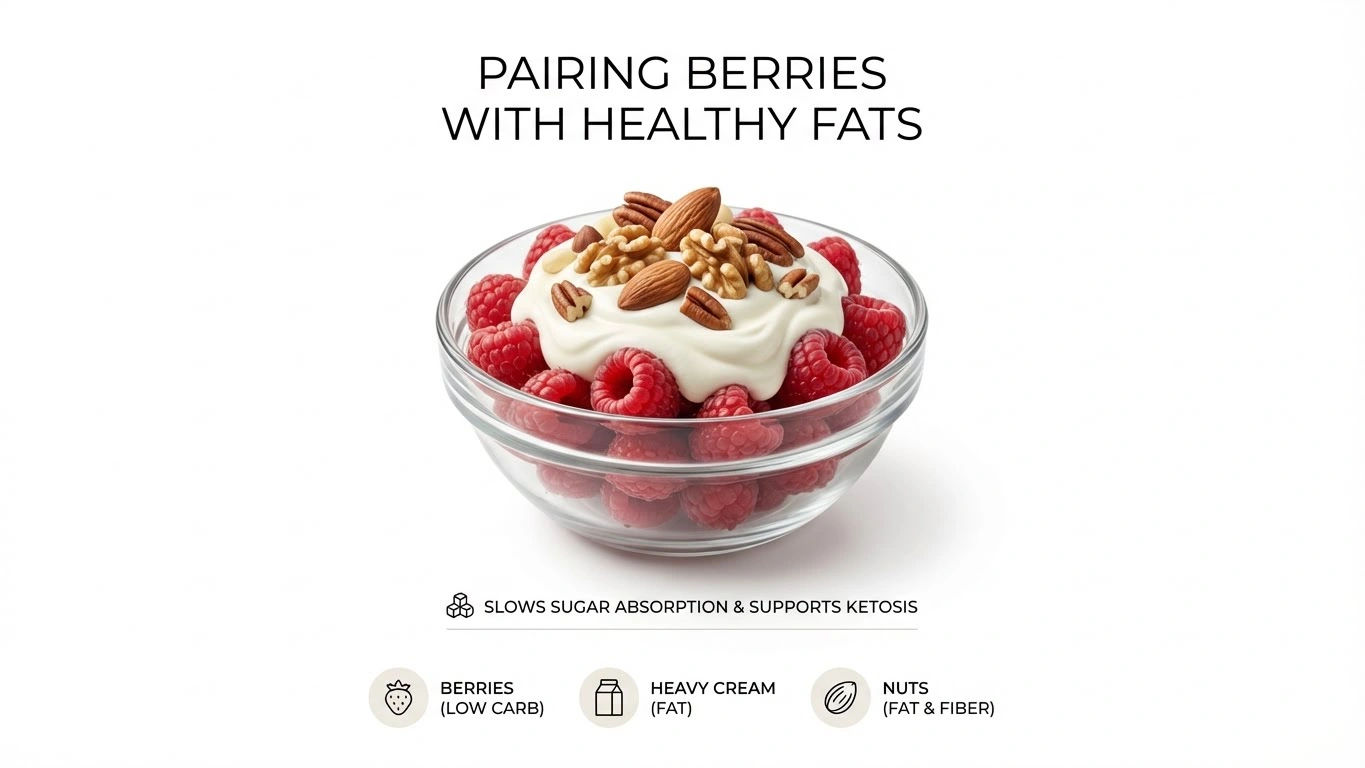
- Pair with Fats: Always consume your keto fruit alongside a high-fat source, such as heavy cream, full-fat Greek yogurt, or nuts. This further slows the absorption of sugars into the bloodstream.
- Post-Workout Consumption: Some patients find that consuming a small serving of berries on keto immediately after high-intensity exercise helps with glycogen recovery without fully disrupting ketosis.
- Measure Portions: Precision is the enemy of weight loss plateaus. Use a kitchen scale to ensure your “handful” of berries isn’t actually two servings.
The Role of Fiber and Net Carbs
In the context of the keto fruit, the “Net Carb” formula (Total Carbs – Fiber = Net Carbs) is our primary tool. Fiber is a non-digestible carbohydrate that does not raise blood sugar or insulin levels. This is why a fruit like the avocado (technically a fruit) is the ultimate keto-friendly option, as it is nearly all fiber and healthy fats with almost zero net sugar.
Conclusion: Selective Inclusion
As a physician-guided approach, we emphasize that fruit is not an essential requirement for a healthy ketogenic diet, but it can be a valuable source of micronutrients if selected with care. By prioritizing berries on keto and strictly avoiding high-sugar “nature’s candy” like bananas and mangoes, you can enjoy the sensory pleasure of fruit while maintaining your metabolic goals.
Always monitor your individual glucose response, as some patients are more sensitive to fructose than others. When in doubt, lean toward leafy greens, where the carbohydrate density allows for much greater volume and satiety.
Summary of Keto-Friendly Fruit Profiles
- Raspberries: 3g Net Carbs per half-cup. Best for fiber.
- Blackberries: 4g Net Carbs per half-cup. Best for antioxidants.
- Strawberries: 6g Net Carbs per half-cup. Best for Vitamin C.
- Avocados: 2g Net Carbs per fruit. The king of keto fruits.
Recommended Next Steps
This guide expands on the limited list of berries provided in the text, offering the reader more medically appropriate options for their diet.
Determine exactly what your specific daily carb limit is to avoid accidental metabolic disruption from fruits like bananas.
Put the “Pair with Fats” advice into practice by combining avocado (fiber/fat) with spinach and healthy oils.
Additional Keto Lifestyle Resources
Explore these external guides for navigating social drinks and popular chains while staying low-carb: