
Keto Flu Symptoms: Causes, Remedies & Electrolyte Guide
What causes it, how long it lasts, and how to feel better fast
Quick Answer: What Is Keto Flu and How Do You Fix It?
Keto flu is a temporary cluster of symptoms — headache, fatigue, muscle cramps, and brain fog — that can occur in the first days of starting a ketogenic diet. It is caused primarily by the loss of sodium, potassium, and magnesium as insulin levels drop. Replacing these electrolytes proactively resolves most symptoms within a few days.
Keto flu is not caused by ketones and is not a sign that keto is harmful. It is a predictable side effect of the metabolic transition, and it is largely preventable. For most people it lasts 3–7 days. The sections below explain the mechanism, the symptoms, and the most effective remedies.
Medical Disclaimer: This article is educational and does not substitute for medical advice. If you are diabetic, pregnant, breastfeeding, have kidney disease, high blood pressure, heart disease, or take prescription medications — especially diuretics, ACE inhibitors, or insulin — consult your healthcare provider before starting a ketogenic diet or changing your electrolyte intake. If you experience heart palpitations, persistent severe dizziness, or symptoms that worsen, stop and seek medical attention.
When you start a ketogenic diet — dramatically reducing carbohydrates and shifting your body toward fat-burning — many people experience a predictable set of temporary symptoms in the first days to weeks. This is commonly called the keto flu. Despite the name, it is not an infectious illness. It is a sign that your body is undergoing a significant metabolic change.
Keto flu is not caused by ketones themselves. It is caused primarily by the rapid loss of water and essential minerals — especially sodium, potassium, and magnesium — that happens when insulin levels drop at the start of a low-carbohydrate diet.
This article explains what causes keto flu, which symptoms to expect, how long it typically lasts, and what you can do to reduce or prevent it. The calculator below can help you understand your macro targets — getting those right is one of the most important factors in managing a smooth transition into ketosis.
👇 Calculate Your Keto Macros
Know your targets before you start. Your macro ratios affect how smoothly your body transitions into ketosis.
Your Personalized Results
Daily Target
0
kcal / day
Why Does Keto Flu Happen? The Metabolic Mechanism
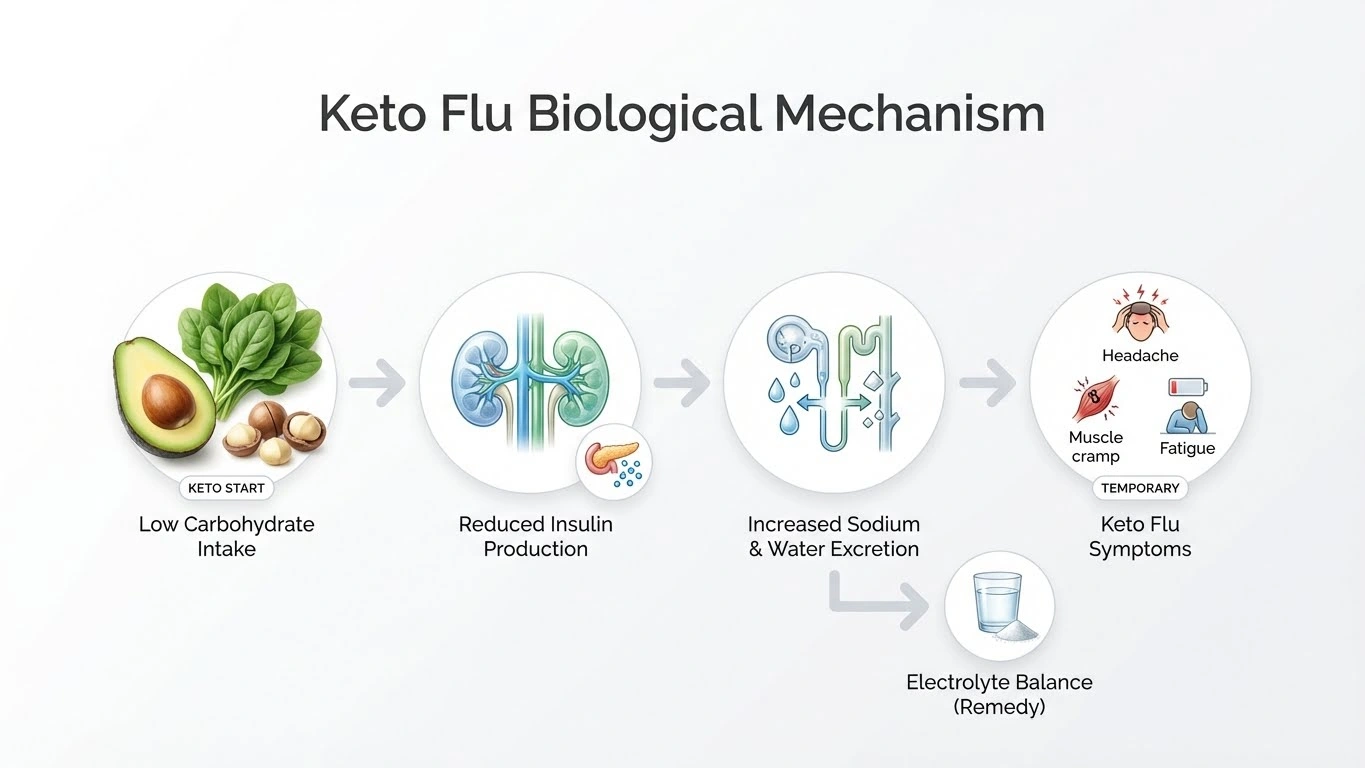
Keto flu is triggered by a rapid drop in insulin that causes the kidneys to excrete sodium and water. As glycogen stores deplete — each gram of stored glycogen releases approximately 3–4 grams of water — the body flushes out essential electrolytes, causing most of the hallmark symptoms.
To understand why keto flu occurs, it helps to first understand the metabolic change taking place. In a standard diet, the body relies on breaking down glucose from dietary carbohydrates for energy. Excess glucose is stored in the liver and muscles as glycogen.
When you restrict net carb intake (typically below 50g per day), you force the body to exhaust these glycogen reserves. Once glycogen is depleted, the liver begins to oxidize fatty acids, producing ketone bodies — acetoacetate, beta-hydroxybutyrate (BHB), and acetone — as an alternative fuel source. This state is known as nutritional ketosis.
However, the brain and body do not switch fuel sources instantaneously. There is a metabolic transition period — sometimes called the induction phase. During this window, the brain is adjusting from its usual steady stream of glucose to using ketones. This temporary shift in energy supply contributes to the lethargy and brain fog characteristic of keto flu symptoms.
Furthermore, the reduction in circulating glucose leads to a significant drop in insulin levels. While low insulin is the primary driver of fat loss, it also triggers a cascade of kidney functions that directly cause the keto flu.
The “Whoosh” Effect: Insulin, Kidneys, and Water Loss
The primary mechanism driving keto flu is not the presence of ketones themselves, but rather the rapid shift in fluid dynamics and electrolyte balance. When insulin levels are high, the kidneys retain sodium. Conversely, when insulin levels drop due to carbohydrate restriction, the kidneys enter a state of natriuresis — the excretion of sodium in the urine.
This process is compounded by the depletion of glycogen. Glycogen is hydrophilic; for every gram of glycogen stored in the muscle and liver, the body stores approximately three to four grams of water. As the body burns through glycogen stores during the first week of a ketogenic diet, this bound water is released and excreted.
This results in a rapid initial weight loss — often seen as encouraging early progress — but this is primarily water weight, not body fat. This diuresis (increased urination) acts as a mechanical flush, stripping the body of essential electrolytes. The keto flu is, in essence, a manifestation of mild dehydration combined with a specific mineral deficiency.
Common Keto Flu Symptoms Explained
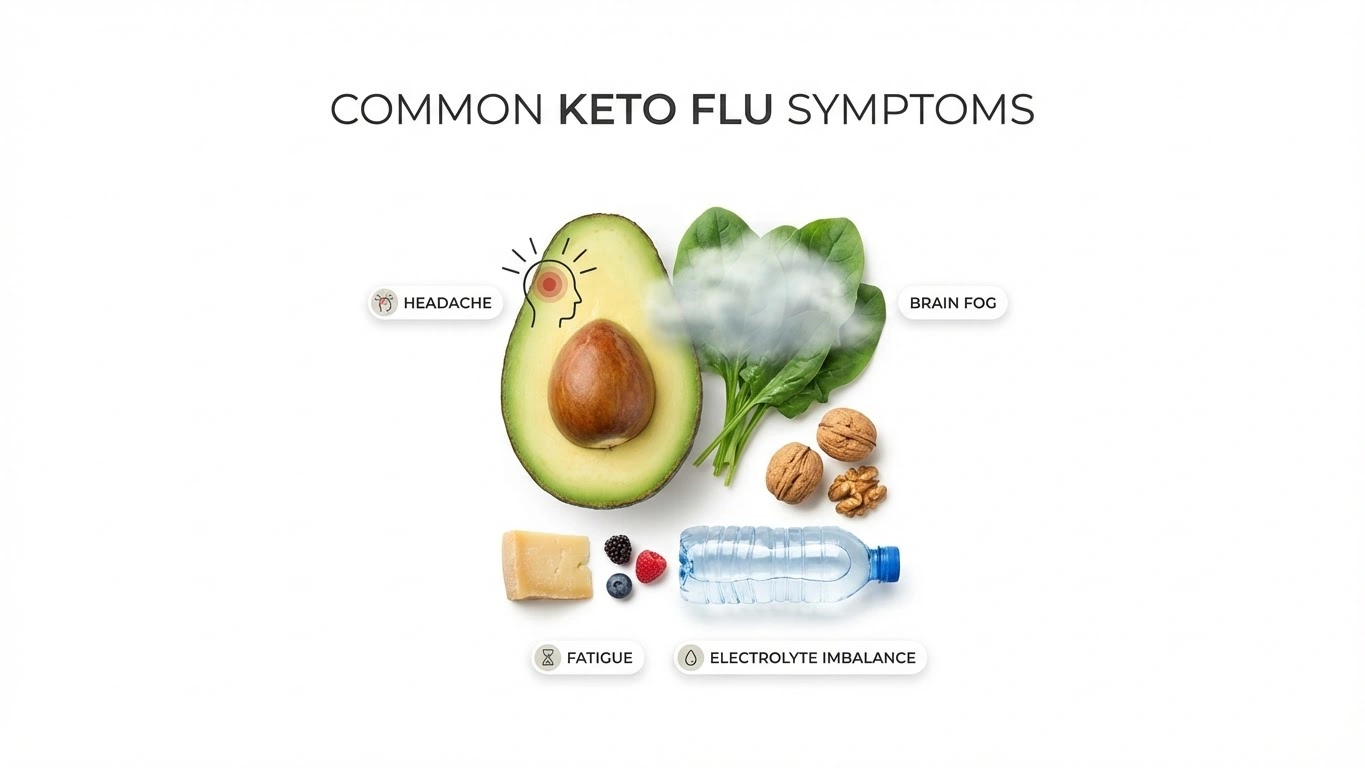
The most common keto flu symptoms — headache, fatigue, muscle cramps, and brain fog — are primarily caused by sodium and water loss in the first days of carbohydrate restriction. Symptoms typically appear within 24–72 hours and resolve within 1–2 weeks for most people.
Keto flu symptoms typically appear within the first 24 to 72 hours of carbohydrate restriction and can persist for a week or more depending on the individual’s metabolic flexibility. The severity of symptoms often correlates with the speed of the transition; a sudden drop from a high-carbohydrate diet to a strict ketogenic ratio often produces a more noticeable response.
Neurological and Systemic Symptoms
- Headache: This is perhaps the most common symptom, often caused by low blood volume due to dehydration and issues related to sodium depletion.
- Brain Fog and Poor Concentration: As the brain transitions fuel sources, cognitive performance may temporarily decline. This is often worsened by low sodium levels.
- Fatigue and Lethargy: Many people starting keto report feeling “heavy” or exhausted during the first days. This is linked to both the temporary energy gap (low glucose, ketones not yet fully online) and the loss of electrolytes required for cellular energy production.
- Dizziness and Lightheadedness: Often occurring when standing up, this is a direct sign of low blood pressure caused by water and sodium loss.
- Insomnia: Changes in cortisol and energy metabolism can disrupt sleep patterns during the induction phase.
Gastrointestinal and Muscular Symptoms
- Nausea: Gastric emptying can be delayed by high fat intake, and electrolyte imbalances can trigger nausea.
- Muscle Cramps: Spasms, particularly in the legs at night, are a hallmark sign of magnesium and potassium depletion.
- Constipation or Diarrhea: Constipation often results from dehydration, while diarrhea can occur due to difficulty absorbing increased dietary fats during the adaptation phase.
The Critical Role of Electrolytes on Keto
Keto flu is largely an electrolyte problem. Low insulin triggers rapid sodium excretion by the kidneys, and potassium and magnesium follow. Simply drinking more water without replacing electrolytes can worsen symptoms by further diluting sodium levels in the blood.
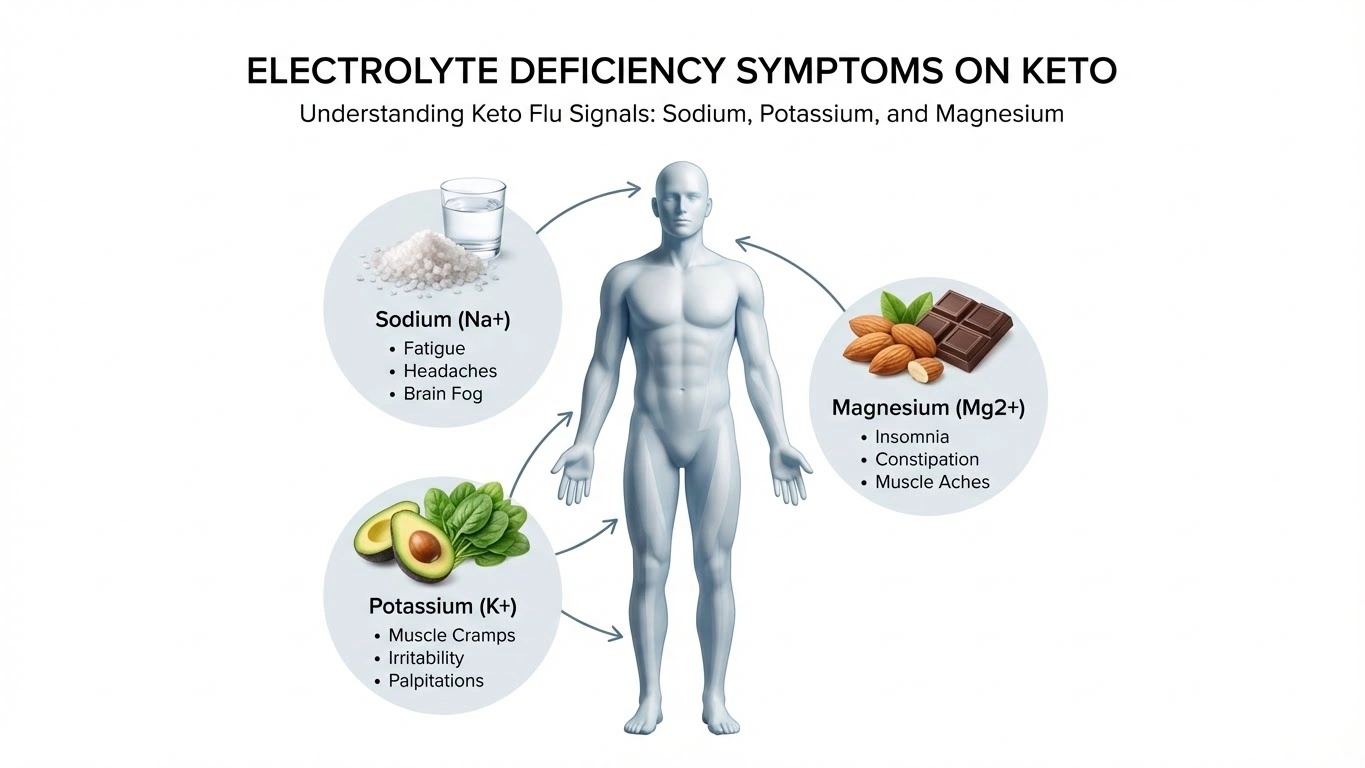
When we discuss keto flu, we are largely discussing an electrolyte imbalance. Electrolytes are minerals that carry an electric charge and are vital for nerve impulse transmission, muscle contraction, and fluid balance. The diuretic effect of ketosis disproportionately depletes three key minerals: sodium, potassium, and magnesium.
Simply drinking more water without addressing electrolytes on keto can actually worsen the situation. Consuming large volumes of plain water can further dilute electrolyte concentrations in the blood, potentially making symptoms like low sodium worse. The solution is not just hydration, but re-mineralization.
Sodium: The Primary Driver of Hydration
In the context of a standard diet, sodium is often restricted. However, in the context of a ketogenic diet, sodium is essential. Due to the natriuresis that occurs when insulin levels drop, the kidneys excrete sodium at a high rate. If this sodium is not replaced, the body cannot hold onto water properly, leading to ongoing dehydration and the circulatory effects that cause dizziness and headaches.
What low sodium causes: Low sodium is the primary driver of the headache and fatigue associated with keto flu. Without adequate sodium, the sodium-potassium pump — essential for cellular energy transport — cannot function properly.
Practical takeaway
While standard dietary guidelines often restrict sodium, people following a ketogenic diet may need more than usual — commonly cited ranges during the adaptation phase are 3,000 to 5,000 mg per day. This can be achieved by salting food generously, drinking broth, or using electrolyte supplements. Note: this range is a community guideline, not a medical prescription. People with high blood pressure, kidney disease, or heart conditions should discuss sodium intake with their healthcare provider.
Potassium and Magnesium: Regulating Function
Low potassium is commonly associated with muscle cramps and leg spasms during keto adaptation. Low magnesium causes muscle twitching, insomnia, and irritability. Both are lost through increased urination triggered by lower insulin levels at the start of a ketogenic diet.
Potassium: Regulating Cellular Function
Potassium works in tandem with sodium. When sodium levels drop, the kidneys attempt to correct the imbalance by excreting potassium to maintain a neutral charge ratio. Furthermore, because many potassium-rich foods (like bananas and potatoes) are restricted on keto, dietary intake naturally drops.
What low potassium causes: Low potassium (hypokalemia) is commonly associated with muscular weakness, severe muscle cramps, and heart palpitations during keto adaptation. The “heavy limbs” sensation is often a potassium issue. If you experience heart palpitations, consult a healthcare provider to rule out other causes.
Practical takeaway
Unlike sodium, potassium supplementation requires care — too much can be dangerous (hyperkalemia). The preferred approach is to increase potassium through low-carb food sources: avocados, spinach, salmon, and leafy greens. If using supplements labeled “No-Salt” or potassium chloride, keep doses small and consistent. People with kidney disease or those taking ACE inhibitors, ARBs, or potassium-sparing diuretics should consult their healthcare provider before adding potassium supplements.
Magnesium: The Key to Relaxation and Sleep
Magnesium is involved in over 300 enzymatic reactions in the body, including protein synthesis, muscle and nerve function, and blood glucose control. Many people may already have insufficient magnesium levels before starting keto; the diuretic effect of carbohydrate restriction can push this toward symptomatic deficiency.
What low magnesium causes: Low magnesium can cause muscle twitching, nocturnal leg cramps, and insomnia. It is also linked to the irritability and anxious feeling some people experience during keto flu.
Practical takeaway
Supplementation is often helpful for magnesium, as food sources alone may be insufficient during the adaptation phase. Magnesium glycinate or citrate are preferred for absorption and are gentler on digestion. Magnesium oxide is poorly absorbed and commonly causes loose stools — it is generally not the best choice for this purpose.
How to Prevent and Treat Keto Flu
The most effective prevention is replacing lost electrolytes — especially sodium — before symptoms appear. A gradual carbohydrate reduction and adequate fat intake can significantly reduce or eliminate keto flu for most people starting a ketogenic diet.
This is where the connection to the calculator becomes useful. When you use the keto calculator, you are determining your macro targets — carbohydrate ceiling, protein goal, and fat intake. However, the calculator also indicates the magnitude of the metabolic shift.
If the calculator suggests a caloric deficit that is too aggressive, or if you set your carbohydrate limit to nearly zero immediately, the rate of water and electrolyte loss will be more pronounced. A large deficit also places additional stress on the adrenal system (increasing cortisol), which can worsen symptoms like insomnia and irritability.
Think of the calculator not just as a weight loss tool, but as a guide for managing your metabolic transition. By ensuring protein intake is adequate (as suggested by the calculator output), you help prevent muscle breakdown, which can increase the kidney’s filtration load and affect your hydration needs during adaptation.
Evidence-Based Steps to Prevent and Treat Keto Flu
Keto flu is not inevitable. With proactive management, the severity of symptoms can be significantly reduced or eliminated. The following steps are based on the physiological changes occurring during the adaptation phase.

- Strategic Hydration with Electrolytes: Do not simply drink water. Combine fluid intake with electrolytes. “Ketoade” — a homemade mixture of water, salt, potassium chloride, and a flavoring agent — is a common and effective remedy.
Practical approach: aim to consume sodium throughout the day rather than in one dose. Start your morning with 16–20 ounces of water with a pinch of high-quality salt. If you add potassium chloride, keep the amount small — a pinch is usually sufficient. People with kidney disease should consult their healthcare provider before using potassium chloride supplements. - Gradual Carbohydrate Reduction: While many people prefer to cut carbs all at once, a more gradual approach can ease the transition and reduce electrolyte loss. Reducing carbohydrates slowly over 1–2 weeks allows the kidneys to adjust to lower insulin levels.
Step-down approach: use the calculator to set a phased plan. Week 1: 50g net carbs. Week 2: 30g net carbs. Week 3: 20g net carbs. - Dietary Fat Intake: During the transition, the body needs energy. If glucose is unavailable and ketone production is not yet ramped up, there is a temporary energy gap. Increasing dietary fat — particularly medium chain triglycerides (MCTs) — can help bridge this gap.
Practical approach: ensure you are meeting the fat macro suggested by the calculator. A very low fat approach during keto essentially becomes a starvation diet that worsens keto flu symptoms. - Managing Exercise Intensity: During the first week of keto, muscle glycogen is depleted. High-intensity exercise (like heavy lifting or sprinting) relies heavily on glycogen. Attempting these activities during induction can lead to severe fatigue.
Practical approach: switch to lower-intensity activity such as walking or light yoga for the first 1–2 weeks. This supports circulation without demanding glycogen the body cannot supply.
Keto Flu vs. Other Conditions — And How Long It Lasts
Keto flu is temporary and caused by electrolyte shifts — not by ketones. Diabetic ketoacidosis (DKA), by contrast, is a medical emergency involving uncontrolled ketone levels above 10 mmol/L combined with high blood glucose. Nutritional ketosis (0.5–3.0 mmol/L) is safe and distinct from DKA.
It is important to understand how keto flu differs from other conditions that can produce similar symptoms.
- Hypoglycemia: While the ketogenic diet naturally lowers blood sugar, reactive hypoglycemia can occur. Symptoms overlap (shaking, sweating), but true hypoglycemia involves dangerously low blood glucose. For people without diabetes, the body normally maintains glucose through gluconeogenesis — producing glucose from non-carbohydrate sources.
- Ketoacidosis (DKA): This is a dangerous condition, primarily affecting type 1 diabetics, where ketone levels become very high (typically above 10 mmol/L) combined with elevated blood sugar and high acidity. Keto flu is benign; DKA is a medical emergency. The nutritional ketosis aimed for by the calculator (0.5–3.0 mmol/L) is safe and distinct from DKA.
Duration: How Long Does Keto Flu Last?
For most people, keto flu symptoms are temporary. They typically peak around day 3 or 4 and resolve within one to two weeks. This timeline aligns with the period the body needs to increase fat-burning enzyme activity and for the brain to become efficient at using ketones as fuel.
Once this adaptation phase — often called “fat adaptation” — is complete, sodium excretion by the kidneys normalizes and energy levels typically stabilize. If symptoms persist beyond four weeks despite adequate electrolyte intake and proper macro adherence, it may be worth adjusting the calculator’s carbohydrate target slightly upward, and speaking with a healthcare provider may be helpful if symptoms remain significant.
Conclusion: Keto Flu Is Manageable
Keto flu is one of the most common reasons people abandon a ketogenic diet in the first week — but it is nearly always preventable with the right preparation. The headaches, fatigue, and muscle cramps are not caused by ketones, and they are not a sign that keto is harming you. They are a sign that your body is rapidly shifting its fuel source and flushing electrolytes in the process.
The solution is straightforward: replace sodium proactively, support potassium through low-carb food sources, and supplement magnesium if needed. Use a gradual carbohydrate reduction if a sudden transition proves too difficult. Once fat-adapted — typically within 2–4 weeks — energy levels often stabilize and many people report improved mental clarity and steady energy.
To track whether you are in ketosis and monitor your adaptation accurately, see the guide on measuring ketosis testing methods. If you have experienced a dietary lapse and want to return to ketosis efficiently, see the guide on getting back into ketosis after a carb binge.
Data & Sources
Key factual claims in this article and their basis:
- Glycogen stores approximately 3–4 grams of water per gram: Well-established finding in exercise physiology and sports nutrition literature on glycogen-bound water in skeletal muscle and liver tissue.
- Keto flu symptoms typically peak day 3–4 and resolve within 1–2 weeks: Consistent with the NCBI PMC article linked in the external resources section (PMC11978633) and with adaptation timelines described in ketogenic diet clinical literature.
- Sodium range 3,000–5,000 mg/day during keto adaptation: Commonly cited guideline range in keto practitioner literature (Volek & Phinney). This is not a clinical prescription — individual needs vary. People with hypertension or kidney disease should follow their healthcare provider’s guidance.
- Magnesium involved in over 300 enzymatic reactions: Well-established biochemistry finding, consistent with magnesium physiology reviews available via NCBI.
- Nutritional ketosis range (0.5–3.0 mmol/L): Widely cited reference range in ketogenic diet literature; consistent with the ketone levels guide at measuring ketosis testing methods.
- DKA threshold (ketone levels typically above 10 mmol/L combined with elevated blood glucose): Standard clinical threshold used in diabetes management guidelines for identifying diabetic ketoacidosis risk.
MyKetoCalcs is an educational site, not a medical provider. All claims reflect established research and published guidelines at the time of writing. For clinical decisions, consult your healthcare provider.
Frequently Asked Questions: Keto Flu Symptoms & Remedies
What is keto flu?
Keto flu is a temporary cluster of symptoms — including headache, fatigue, muscle cramps, and brain fog — that can occur in the first days to weeks of starting a ketogenic diet. It is caused by the body’s metabolic shift from burning glucose to burning fat, combined with rapid water and electrolyte loss triggered by lower insulin levels. It is not an infection and is not caused by ketones themselves.
How long does keto flu last?
For most people, keto flu symptoms peak around day 3–4 and resolve within one to two weeks. This timeline aligns with the period needed for the body to adapt to fat burning and for the kidneys to stabilize electrolyte excretion. Proactive electrolyte supplementation can shorten or prevent symptoms significantly.
What are the most common keto flu symptoms?
The most common symptoms include headache, fatigue, brain fog, dizziness, muscle cramps, nausea, irritability, and difficulty sleeping. Headache is typically caused by low sodium and dehydration. Muscle cramps are usually linked to low magnesium or potassium. Brain fog is related to the brain’s temporary adjustment to using ketones instead of glucose as its primary fuel.
What electrolytes help with keto flu?
The three key electrolytes are sodium, potassium, and magnesium. Sodium is the primary driver of fluid balance and is lost rapidly in the first days of keto. Potassium maintains cellular function and muscle contraction. Magnesium supports nerve function, muscle relaxation, and sleep quality. Replacing all three reduces or eliminates most keto flu symptoms.
Does everyone get keto flu?
No. Keto flu severity varies widely between individuals. Some people experience no symptoms, while others have significant fatigue and headaches for a week or more. Those transitioning from a very high-carbohydrate diet tend to experience more intense symptoms. Proactive electrolyte intake and a gradual carbohydrate reduction can substantially reduce or prevent symptoms.
How much sodium should I take on keto to avoid symptoms?
People following a ketogenic diet may need more sodium than standard dietary guidelines suggest — commonly cited ranges during the adaptation phase are 3,000 to 5,000 mg per day. This can be achieved through salting food generously, drinking broth, or using electrolyte supplements. People with high blood pressure, kidney disease, or heart conditions should consult their healthcare provider before increasing sodium intake.
Is keto flu dangerous?
For most healthy adults, keto flu is uncomfortable but not dangerous. It is caused by temporary dehydration and electrolyte shifts, not by ketones themselves. However, if you experience heart palpitations, severe dizziness, or symptoms that persist beyond 4 weeks despite electrolyte supplementation, consult a healthcare provider. Diabetics should monitor ketone and blood glucose levels closely during keto adaptation.
What is the fastest way to fix keto flu?
Replace lost electrolytes, especially sodium. Drink water with added salt or consume bone broth. Increase magnesium through food (dark leafy greens, pumpkin seeds) or a magnesium glycinate supplement. Get potassium through avocado, spinach, and salmon. Reduce exercise intensity temporarily. If transitioning from a high-carbohydrate diet, consider a step-down approach: 50g net carbs in week 1, 30g in week 2, 20g in week 3.
Can you get keto flu more than once?
Keto flu typically occurs during initial keto adaptation. Once fully fat-adapted — usually within 3–6 weeks — returning to keto after a dietary lapse may produce mild symptoms, but typically less severe than the first time. The severity depends on how long you were off keto and how depleted your glycogen and electrolyte stores become during the reintroduction phase.
Why am I still getting keto flu symptoms after 2 weeks?
If symptoms persist beyond 2 weeks, the most common causes are insufficient electrolyte intake (especially sodium and magnesium), too large a caloric deficit, or insufficient dietary fat. Make sure you are meeting your fat macros — a very low fat intake can worsen and prolong symptoms. If symptoms persist beyond 4 weeks despite these adjustments, speaking with a healthcare provider is recommended.
Further Reading & Tools
A deeper dive into optimizing hydration specifically to prevent keto flu symptoms.
Determine your macro targets to manage the metabolic transition effectively.
Practical application of dietary fat loading and MCTs to bridge the energy gap during adaptation.
Explore More Resources
For additional information check out these excellent resources on keto and metabolic health: