
Identifying the best low carb veggies for sustainable ketogenic and low-carb diets
The adoption of ketogenic (keto) and other low-carbohydrate diets necessitates a strategic approach to food selection, particularly concerning vegetable intake.
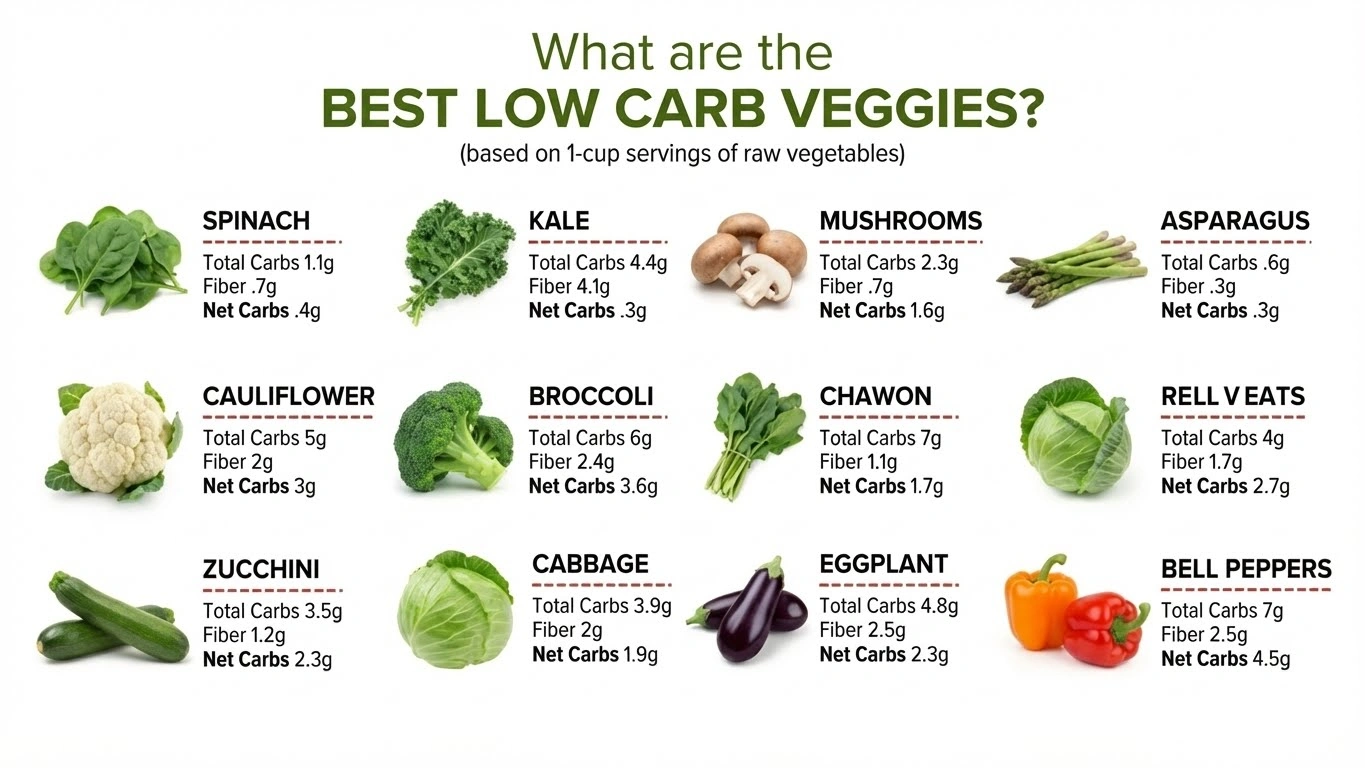
While traditional advice universally promotes consuming vegetables, adherence to the strict carbohydrate limitations inherent in keto—typically restricting daily net carbohydrate intake to 20 to 50 grams—requires careful differentiation between non-starchy and starchy varieties.
Selecting the best low carb veggies is crucial not only for staying within these metabolic limits but also for ensuring adequate consumption of essential micronutrients, fiber, and antioxidants. This guide provides a scientifically grounded assessment of the best vegetable options for individuals new to the low-carb lifestyle.
The scientific rationale: why vegetables are essential on keto
Vegetables are fundamental to a healthy and well-formulated low-carb diet. They provide volume and satiety while being naturally low in calories and rich in vital components such as vitamins, minerals, and plant compounds. Excluding them, based on the misconception that all vegetables are inherently high in carbohydrates, can lead to serious long-term health consequences.
Understanding net carbs and fiber
In the context of carbohydrate restriction, the concept of net carbohydrates is paramount. Net carbs represent the amount of carbohydrates that are digested and absorbed by the body, thus affecting blood sugar levels.
The calculation for net carbs involves subtracting the grams of indigestible fiber from the total grams of carbohydrates:
- net carbs = total carbs – fiber.
Fiber (non-digestible carbohydrates) is crucial for digestive health, gut microbiota function, and prolonged satiety. Because fiber is largely indigestible, it does not directly impact blood glucose levels or contribute significantly to caloric intake. Therefore, selecting the best low carb veggies that are rich in fiber allows for a higher volume of food intake while maintaining ketosis.
Above-ground rule: selecting non-starchy produce
A highly effective general guideline for identifying the best low carb veggies is the “above-ground rule”:
- Above-ground vegetables: (e.g., leafy greens, stalks, cruciferous vegetables, and gourds) are typically lower in starch and carbohydrates and can be eaten relatively freely. Above-ground vegetables generally contain less than 5 grams of net carbohydrates per 100 grams.
- Below-ground vegetables: (root vegetables and tubers) generally contain significantly higher concentrations of starch and sugar, making them higher in carbohydrates. Many below-ground options contain 7 to 19 grams per 100 grams.
Comprehensive list of the best low carb veggies
For beginners aiming for strict ketosis (under 20g net carbs daily), focusing on vegetables containing 5 grams or less of net carbohydrates per 100 grams is the most sustainable approach.
🥬 Leafy greens and stalks
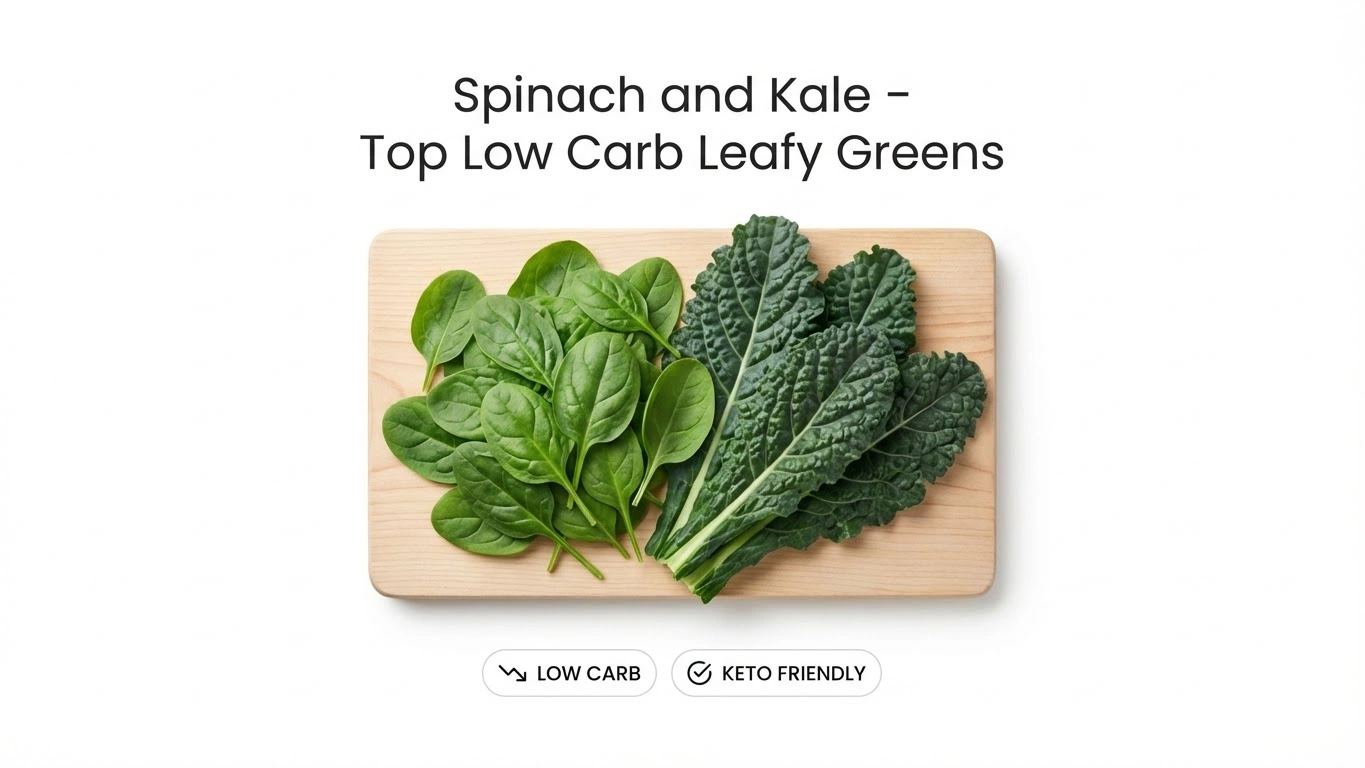
Leafy greens typically possess the lowest net carbohydrate counts due to their high water and fiber content. Dark leafy greens offer extraordinary nutrient density with minimal carbohydrate load, making them non-negotiable inclusions among the best low carb veggies.
Spinach (per 100g):
Spinach is an exceptionally low-carb option. It is prized for high levels of vitamin K, vitamin A, C, magnesium, potassium, and iron. Cooking spinach reduces oxalic acid levels, potentially improving the body’s iron absorption. Spinach can be used raw in voluminous salads or cooked down into casseroles, omelets, and soups.
Kale (col rizada): 1.1–3 g Net Carbs. While slightly higher in carbs than spinach by weight, it is considered a superfood packed with vitamin K and C. Kale’s antioxidant compounds, including quercetin and kaempferol, may reduce inflammation and oxidative stress.
Swiss chard (acelgas/Mangold): 1.1–2.1 g Net Carbs. High in vitamin A, C, K, iron, and fiber; contains the antioxidant kaempferol.
Bok choy / Pak choi: 0.6–1.2 g Net Carbs. Good source of vitamin K, C, A, and high protein for a vegetable.
Lettuce (e.g., Iceberg, Romaine, Cos): 1–2 g Net Carbs. Very high water content; Romaine is rich in vitamins A and K.
Celery: 1.2–3 g Net Carbs. High water/fiber content; contains luteolin, an antioxidant that may reduce brain inflammation.
🥦 Cruciferous powerhouses
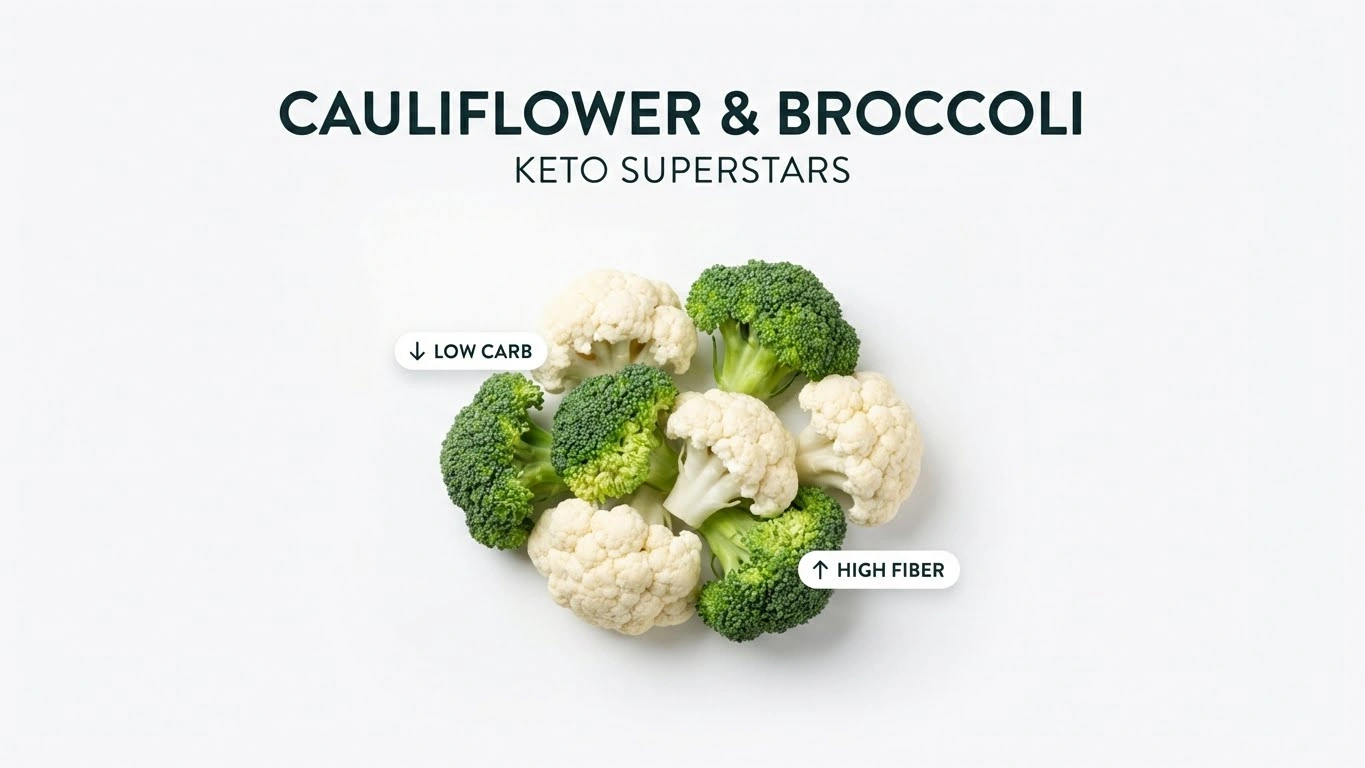
Cruciferous vegetables are highly recommended for keto diets because they are low in carbohydrates while offering powerful compounds like glucosinolates, which support detoxification and cellular health. These vegetables (belonging to the Brassica family) are the cornerstone of the keto kitchen due to their versatility and low carb profiles.
Cauliflower (per 100g):
It is a superior substitute for high-carb starchy foods. It can be riced (Blumenkohl-Reis) to replace grains or couscous, puréed to create a low-carb alternative to mashed potatoes (Blumenkohl-Püree), or serve as a base for pizza crusts and gratins. Rich in vitamin C, K, and fiber.
Broccoli (per 100g):
It is rich in vitamin C, calcium, and powerful antioxidants, notably sulforaphane, which may activate detoxification pathways and help manage insulin resistance in animal studies. It is easily incorporated into omelets, stir-fries, and as a butter-fried side dish.
Cabbage (white/green): 3–4.2 g Net Carbs. Rich in fiber, vitamin C, and glutamine, supporting intestinal lining integrity.
Brussels sprouts: 3.5–5.15 g Net Carbs. Rich in vitamin C, K, and fiber. Contains alpha-lipoic acid (ALA), associated with healthy glucose levels. (Carb count slightly higher than other greens; consume in moderation during strict keto).
🥒 The allium and gourd families
The gourd family offers excellent, low-carb versatility, while alliums provide flavor and potent health benefits.
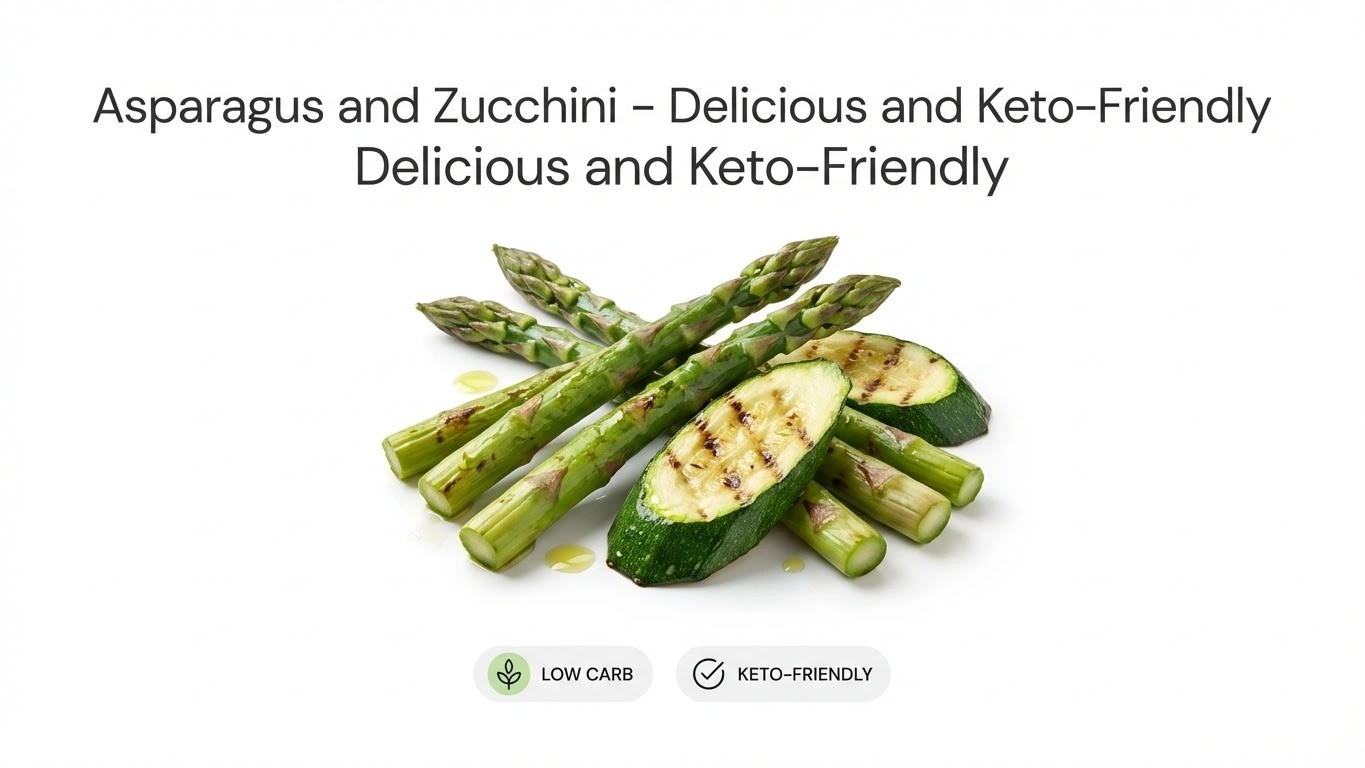
Zucchini (calabacín) (per 100g):
Zucchini is a widely used low-carb staple, particularly for replicating starchy dishes. It is high in water and fiber, contributing to satiety, and is a good source of vitamin C and potassium. Its neutral flavor makes it highly versatile. It can be spiraled into “zoodles” (Zucchininudeln) as a direct replacement for wheat pasta, used in low-carb lasagna, or grilled as a simple side.
Asparagus (per 100g):
Asparagus is a tender, flavorful option essential for micronutrient diversity. Asparagus is a rich source of folate (vitamin B9), crucial for mental health, as well as vitamins A, C, E, and K. It acts as a prebiotic due to its fiber content, feeding beneficial bacteria in the digestive tract and supporting healthy digestion. Asparagus is often served roasted or sautéed, famously paired with high-fat sauces like hollandaise or simply wrapped in bacon.
Avocado: A high-fat, low-carb exception (technically a fruit). Avocados are exceptionally low in net carbs, netting only 1.8–2 grams per 100g. This low net carb count results from its high fiber content (up to 6.7g per 100g). They are rich in heart-healthy monounsaturated fats, potassium, folate, and vitamin C. These healthy fats are key for sustained energy and satiety on keto.
Mushrooms (Pilze): 0.3–2.3 g Net Carbs. Rich in B-vitamins, selenium, vitamin C, and potassium. Known for umami flavor and antioxidant properties.
Green beans (judías verdes): 2.7–4 g Net Carbs. Member of the legume family, but significantly lower in carbs than other legumes. Good source of iron and B-vitamins.
Bell peppers (pimientos): 2.9–4 g (green lowest). High in vitamin C (more than citrus), A, and antioxidants (carotenoids). Green peppers have slightly fewer carbs than red/yellow.
Tomatoes (tomates): 2.6–3.9 g Net Carbs. Technically a fruit, but low in carbs. Rich in lycopene (antioxidant) and vitamins A, C, K. Consume in moderation on strict keto due to accumulating carb count.
Vegetables to limit or avoid on a strict keto diet
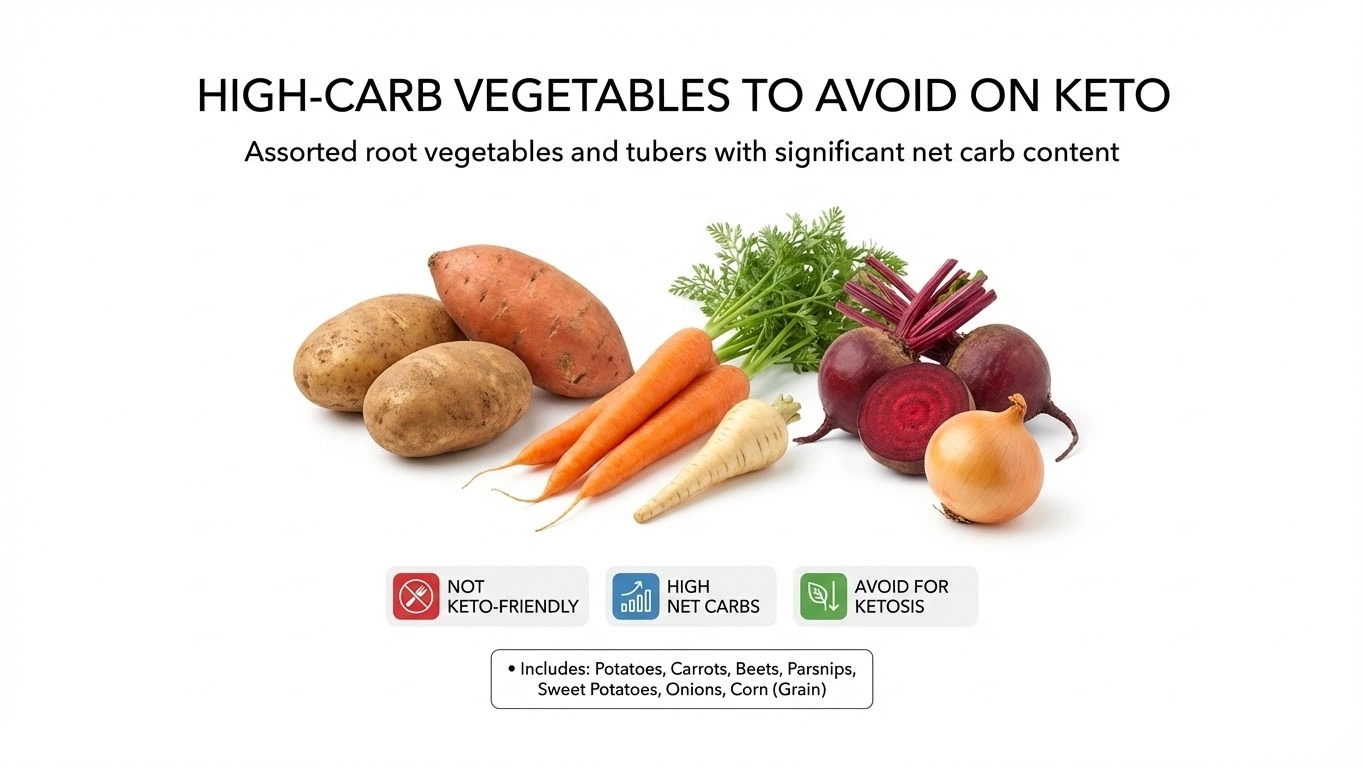
While all vegetables contain valuable nutrients, certain varieties, primarily due to their higher starch and natural sugar content, can quickly exhaust the strict daily carb limit (under 20g) required for maintaining ketosis. This is particularly important for those newly adopting the keto diet.
The problem with root vegetables and tubers
Root vegetables, which grow underground, are naturally high in starch (a complex carbohydrate) and simple sugars.
- Potatoes and sweet potatoes: these are the highest-carb vegetables and must be strictly avoided or replaced with low-carb alternatives like cauliflower mash or celeriac. Raw potatoes contain approximately 16–19 grams of net carbs per 100g.
- Carrots (Möhren): while nutrient-rich, carrots contain moderate carbs, yielding about 4.8–7 grams of net carbs per 100g. Consuming a single medium carrot (approx. 7g net carbs) may impact carb goals quickly. They should be consumed only in very small, measured portions (e.g., max 1/4 cup daily) or avoided during strict induction phases.
- Beetroot (Rote Bete): contains around 7–8.4 grams of net carbs per 100g and should be consumed in extreme moderation or avoided.
- Onions (Zwiebeln): though used mainly for flavor, raw onions contain about 7–9.5 grams of net carbs per 100g. Beginners should exercise caution, especially with cooked or caramelized onions, as they are often consumed in larger quantities and their sweetness concentrates the sugars.
Caution with legumes and grains
Foods often grouped incorrectly with vegetables, such as grains and most legumes, are typically too high in carbohydrates for a keto diet.
- Peas (Erbsen): fresh green peas are starchy and high in carbohydrates, containing around 10–12 grams of net carbs per 100g.
- Corn (Mais): very rich in carbohydrates, often exceeding 15 grams of net carbs per 100g, making it unsuitable for ketosis.
- Legumes (Bohnen, Linsen, Kichererbsen): most common beans and lentils are high in starch and should be avoided on a strict keto diet. Soybeans are an exception, with significantly lower carbohydrates (around 6g net carbs per 100g dry). Green beans, however, are low enough to be included.
Practical application: incorporating best low carb veggies
Successfully integrating the best low carb veggies requires mindful meal planning and preparation to maximize flavor, nutrient absorption, and satiety.
Strategic portion control
For vegetables that sit near the moderate-carb range (e.g., tomatoes, bell peppers, Brussels sprouts), moderation is key, especially if adhering to the strict <20g net carb rule.
- Tomatoes: while low in net carbs (approx. 2.6–3.9 g per 100g), eating too many tomatoes, especially cherry tomatoes, can quickly contribute to the daily limit. Use them as a garnish or in small, controlled portions.
- Colored peppers: red and yellow peppers are sweeter and marginally higher in net carbs (approx. 4–5 g per 100g) than green peppers (approx. 3 g per 100g). Use them judiciously for color and flavor.
Tips for enhancing flavor with healthy fats
Many fat-soluble vitamins (A, D, E, and K) found in these vegetables are best absorbed when consumed with fat. Cooking or pairing vegetables with high-quality keto fats is essential.
- Sautéing and roasting: cook vegetables like broccoli, cauliflower, and zucchini in healthy fats such as olive oil, butter or ghee, or coconut oil. Roasting enhances natural flavors and caramelizes the vegetable for added sweetness.
- Dips and dressings: use vegetables as a vehicle for fat by dipping crudités (raw vegetable sticks) in high-fat, low-carb dips. Excellent options include homemade mayonnaise (0–0.1 g net carbs/serving), guacamole, or cream-based sauces made with heavy cream or cream cheese.
- Simple seasoning: a simple mix of olive oil, salt, pepper, and herbs (like basil, thyme, or oregano—many of which are low-carb) can transform cooked vegetables into delicious side dishes.
Maximizing vegetable volume
A major benefit of consuming the best low carb veggies is increasing meal volume, which enhances satiety without raising carbohydrate counts.
- Salads: create substantial meals using bases of lettuce, spinach, and arugula, maximizing volume with minimal carbs.
- Substitutes: utilize vegetable alternatives to mimic high-carb favorites: rice (use cauliflower rice), pasta (use spiralized zucchini “zoodles” or konjac noodles), potatoes/mashed (use puréed cauliflower or celeriac).
Conclusion: sustaining health with the right low-carb vegetable choices
Adopting a ketogenic or low-carb lifestyle does not necessitate sacrificing vegetable intake; rather, it demands a disciplined selection process. The best low carb veggies—primarily leafy greens, cruciferous varieties, and non-starchy gourds—are critical tools for achieving ketosis while providing indispensable vitamins, minerals, and fiber.
By prioritizing vegetables that grow above ground, monitoring portions of moderate-carb options like tomatoes and peppers, and utilizing healthy fats during preparation, beginners can ensure their low-carb diet is both nutritionally complete and deeply satisfying. This strategic approach transforms vegetable consumption from a potential source of hidden carbohydrates into a cornerstone of sustained health and weight management. Just as a skilled gardener selects seeds that will flourish in specific soil, keto success relies on meticulously choosing low-carb vegetables proven to support metabolic goals.
Micronutrient and antioxidant benefits
Choosing the best low carb veggies ensures that the dietary restriction of carbohydrates does not compromise micronutrient status. These foods supply essential vitamins and minerals that the body cannot produce itself, alongside phytochemicals and antioxidants that are vital for chronic disease prevention.
- Antioxidant power: vegetables, especially dark green and brightly colored options, contribute to reducing oxidative stress and inflammation, which are risk factors for conditions like heart disease and cancer.
- Essential electrolytes: vegetables are critical sources of electrolytes (such as potassium and magnesium), which are vital for nerve and muscle function, energy levels, and countering common side effects of carbohydrate restriction (often referred to as “keto flu”).
- Fiber for gut health: the fiber found in non-starchy vegetables promotes a healthy digestive tract and fosters the growth of beneficial gut bacteria (probiotics).