
Keto Diabetes Connection
Is the ketogenic diet a benefit or risk for type 2 patients?
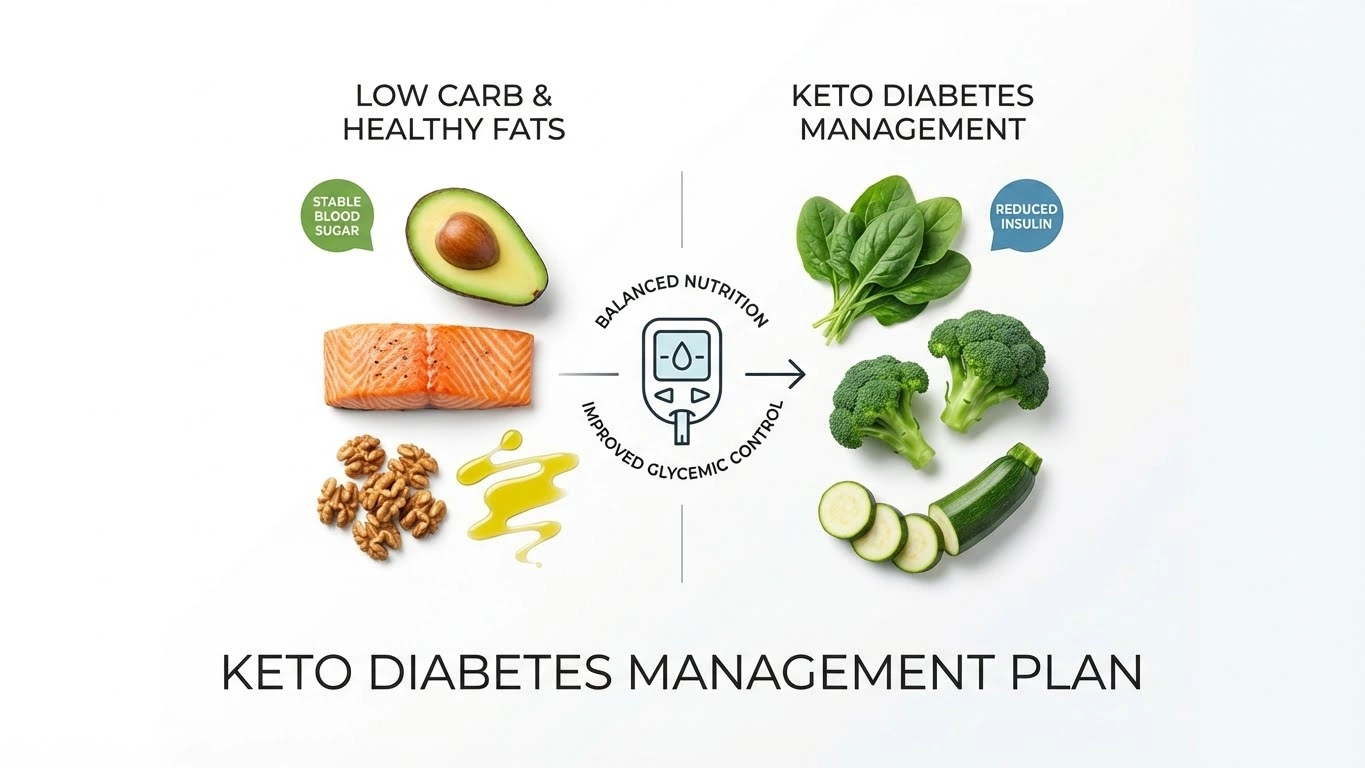
The management of type 2 diabetes mellitus (T2D) has traditionally focused on pharmacological intervention and general lifestyle modifications. However, in recent years, nutritional biochemistry has shifted the spotlight toward carbohydrate restriction as a primary therapeutic tool. The keto diabetes protocol—a high-fat, adequate-protein, and very low-carbohydrate nutritional approach—has emerged as a potent intervention for metabolic dysregulation.
While the standard recommendation for decades involved low-fat diets, emerging clinical evidence suggests that the keto diet for diabetics may offer superior results in glycemic control and weight reduction. However, this powerful metabolic shift is not without potential adverse effects. As a medical professional, it is essential to analyze the keto diabetes relationship through an objective lens, weighing the substantial metabolic benefits against the potential risks of long-term adherence and lipid alterations. This article provides a comprehensive, science-backed analysis of how the ketogenic diet affects type 2 diabetes pathophysiology.
👇 Establish Your Metabolic Boundaries
Calculate your specific needs for weight loss and blood sugar management.
Your Personalized Results
Daily Target
0
kcal / day
The Metabolic Mechanism: Low Carb and Blood Sugar Interactions
To understand the efficacy of the keto diabetes approach, one must first understand the pathophysiology of type 2 diabetes. T2D is fundamentally a condition of carbohydrate intolerance and insulin resistance. When a patient consumes carbohydrates, they are broken down into glucose, triggering the release of insulin to transport energy into cells. In T2D, cells become resistant to insulin, leading to chronic hyperglycemia and hyperinsulinemia.
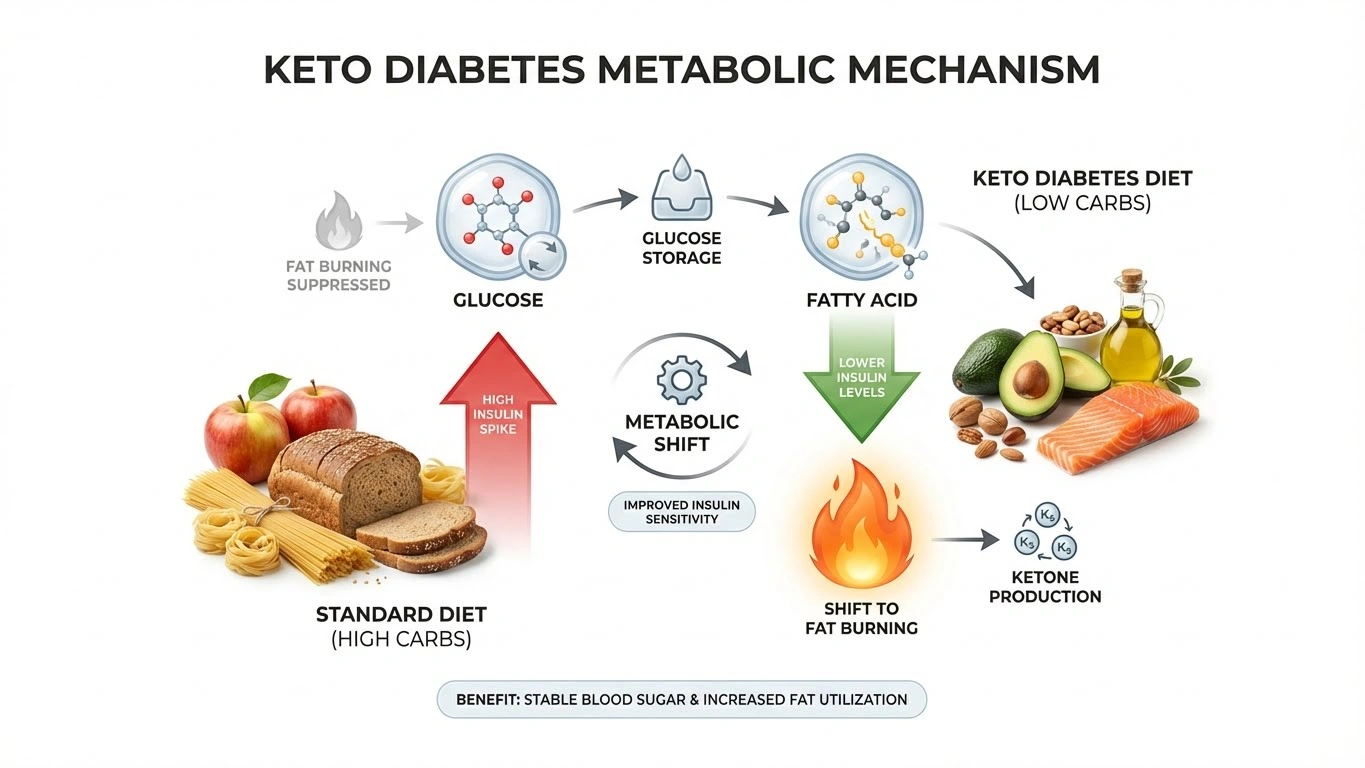
The Shift from Glycolysis to Ketosis
The ketogenic diet fundamentally alters cellular metabolism. By restricting carbohydrate intake to approximately 20–50 grams per day (or roughly 5-10% of total energy intake), the body depletes its glycogen stores. Consequently, the liver begins to oxidize fatty acids, producing ketone bodies—acetoacetate, beta-hydroxybutyrate, and acetone—which serve as an alternative fuel source for the brain and body.
This metabolic switch, known as nutritional ketosis, directly addresses the root cause of low carb and blood sugar stabilization. By drastically reducing the glucose load, the demand for insulin secretion plummets. Clinical observations indicate that as the body adapts to utilizing fat for fuel, insulin sensitivity improves, and fasting glucose levels stabilize, offering a “physiological rest” for the overburdened pancreatic beta-cells.
Type 2 Diabetes Keto Benefits: Analyzing the Clinical Evidence
The application of keto for type 2 diabetes is supported by a growing body of randomized controlled trials (RCTs) and meta-analyses. The benefits extend beyond simple weight loss, influencing the very core of metabolic syndrome markers.
1. Rapid Improvements in Glycemic Control (HbA1c)
The most significant clinical outcome of the keto diabetes intervention is the reduction of hemoglobin A1c (HbA1c), a marker of long-term blood sugar control. Studies have consistently shown that low-carbohydrate diets are effective at lowering HbA1c levels, often more significantly than low-fat diets in the short to medium term.
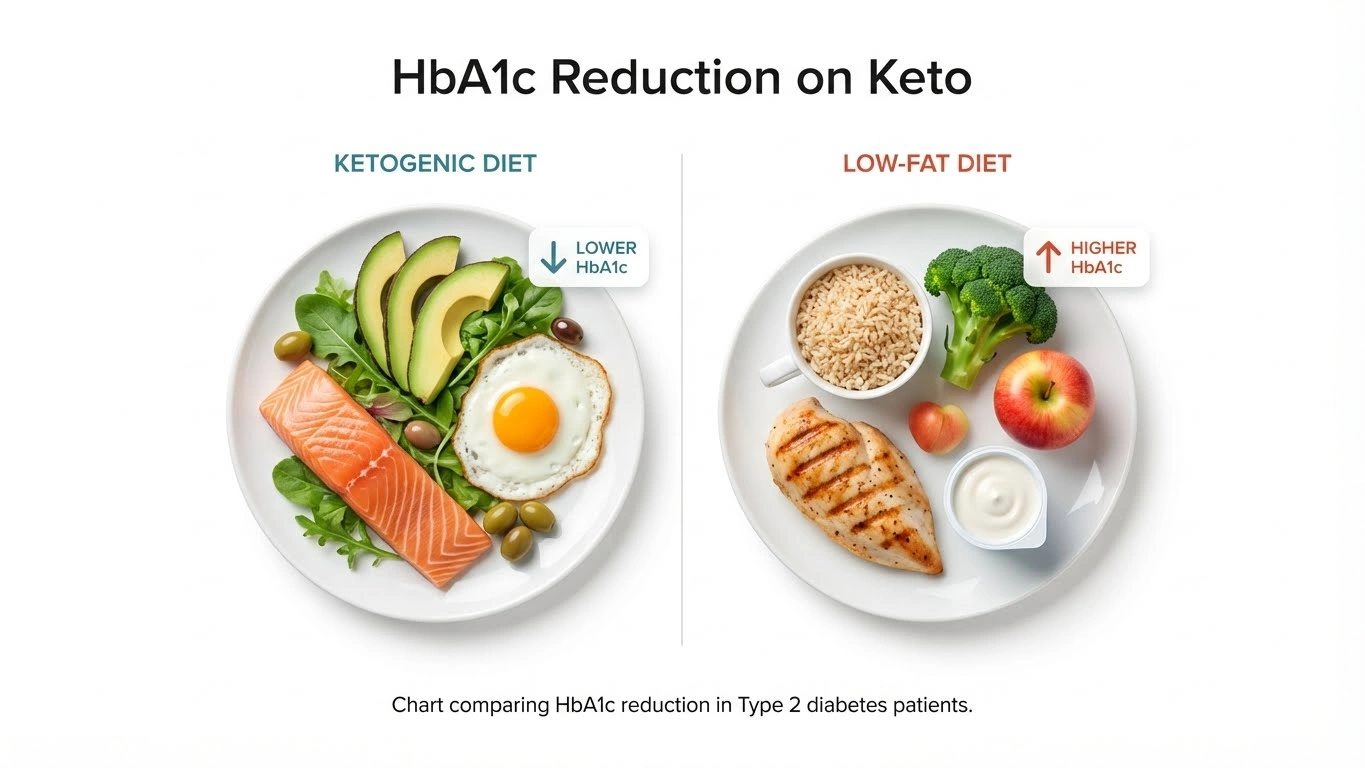
- Evidence: In a 12-month study involving 349 adults with T2D, those following a ketogenic diet saw their HbA1c drop from an average of 7.6% to 6.3%. Another study demonstrated that a 90-day ketogenic intervention reduced HbA1c from 8.9% to 5.6%.
- Mechanism: The reduction in dietary glucose intake minimizes postprandial (after-meal) blood sugar spikes, leading to a flatter glucose curve throughout the day. This reduces the cumulative glycemic burden on the vascular system.
2. Weight Loss as a Metabolic Catalyst
Obesity is a primary driver of insulin resistance. The keto diet for diabetics is particularly effective for rapid weight loss, which acts as a contributing factor to improved metabolic markers. The diet promotes weight loss through several mechanisms:
- Appetite Suppression: Ketones and high protein intake increase satiety hormones and decrease ghrelin (the hunger hormone), leading to a spontaneous reduction in caloric intake.
- Metabolic Efficiency: The body becomes efficient at burning stored adipose tissue, particularly visceral fat, which is metabolically active and linked to inflammation.
- Fluid Reduction: Initial weight loss includes water weight as glycogen stores are depleted, which can provide psychological motivation for patients.
Research indicates that type 2 diabetes keto benefits include significant reductions in body mass index (BMI) and waist circumference, which are critical for reversing the metabolic phenotype of diabetes.
3. Improvement in Insulin Sensitivity
Insulin resistance is the hallmark of T2D. By lowering basal insulin levels, the ketogenic diet helps resensitize cell receptors to insulin. A study highlighted that the ketogenic diet reduced HOMA-IR (a marker of insulin resistance) significantly, allowing patients to utilize endogenous insulin more effectively. This physiological reset is often described as “reversing” the progression of the disease, although “remission” is the more clinically accurate term.
4. Reduction in Pharmacological Dependency
One of the most profound impacts of the keto diabetes protocol is the potential for deprescribing. Because blood glucose levels drop significantly, the need for exogenous insulin and oral hypoglycemic agents (like sulfonylureas) decreases.
- Clinical Data: In one landmark study, 94% of patients on insulin were able to reduce or stop their dosage after one year on a ketogenic diet, and 100% of those on sulfonylureas discontinued the medication.
- Economic Impact: This reduction not only decreases the risk of hypoglycemia associated with these drugs but also reduces the financial burden of diabetes management.
The Risks: Critical Considerations for Keto Diabetes Management
While the benefits are compelling, the keto diabetes approach is not without risks. An objective medical analysis must consider the potential downsides and safety concerns, particularly regarding long-term cardiovascular health and acute metabolic complications.
1. The LDL Cholesterol Debate
A primary concern regarding the keto diet for diabetics is the potential increase in low-density lipoprotein (LDL) cholesterol. Because the diet relies heavily on fat, including saturated fats in some variations, some patients experience a rise in LDL-C.
Nuance: While total LDL may rise, some research suggests a shift in particle size from small, dense LDL (atherogenic) to large, buoyant LDL (less atherogenic). However, for patients with pre-existing cardiovascular disease, this rise in LDL warrants careful monitoring and potential modification of fat sources towards unsaturated fats (e.g., olive oil, avocado) rather than saturated fats (e.g., butter, bacon).
2. Hypoglycemia Risk
For patients taking insulin or insulin-secretagogues (sulfonylureas), the rapid drop in blood glucose induced by low carb and blood sugar management can lead to dangerous hypoglycemia (low blood sugar).
Precaution: It is clinically negligent to start a patient on a ketogenic diet without adjusting their medication. Insulin doses typically need to be reduced by 50% or more upon initiation to prevent hypoglycemic events.
3. Diabetic Ketoacidosis (DKA) vs. Nutritional Ketosis
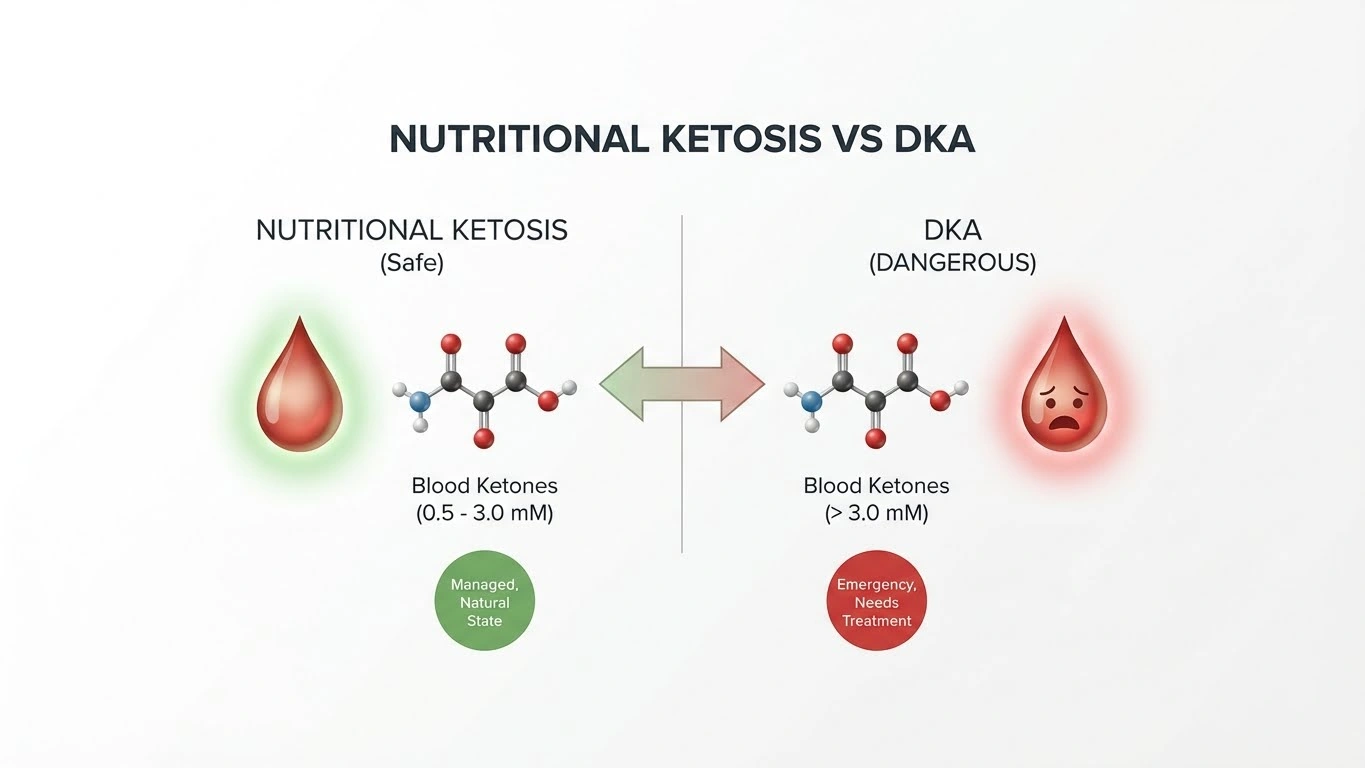
It is vital to distinguish between nutritional ketosis (safe ketone levels of 0.5–3.0 mmol/L) and diabetic ketoacidosis (life-threatening ketone levels >10 mmol/L with acidosis). While rare in T2D, DKA can occur, particularly in patients taking SGLT-2 inhibitors (e.g., empagliflozin, dapagliflozin). These medications can induce “euglycemic DKA” (DKA with normal blood sugar) when combined with a ketogenic diet. Therefore, SGLT-2 inhibitors are generally contraindicated or require extreme caution during keto diabetes therapy.
4. Nutrient Deficiencies and Gut Health
By excluding fruits, whole grains, and legumes, the ketogenic diet can be low in fiber, vitamins, and minerals. This can lead to constipation, magnesium deficiency (cramps), and potential negative shifts in the gut microbiome due to a lack of prebiotic fiber. Supplementation and the inclusion of low-carb fibrous vegetables are essential strategies to mitigate these risks.
Implementation Strategy: How to Safely Start Keto for Type 2 Diabetes
If a patient and their healthcare provider decide that a keto diet for diabetics is the appropriate therapeutic course, a structured, medically supervised approach is non-negotiable.
- Pre-Diet Evaluation: Before initiating the diet, a comprehensive metabolic panel, lipid profile, and medication review are necessary. Patients with kidney disease, pancreatitis, or liver failure are generally not candidates for this diet.
- Dietary Composition: A well-formulated ketogenic diet for diabetes should prioritize nutrient density:
- Carbohydrates: <50g net carbs per day. Focus on non-starchy vegetables (spinach, broccoli, zucchini) to maximize fiber intake.
- Protein: Moderate intake (1.2–1.5g/kg). Excessive protein can stimulate gluconeogenesis, potentially hindering ketosis.
- Fats: Emphasis on mono- and polyunsaturated fats (olive oil, avocado, nuts, fatty fish) rather than excessive saturated fats to protect cardiovascular health.
- Monitoring and Adaptation: Frequent monitoring of blood glucose and ketones is required. Supplementation with sodium, potassium, and magnesium is often required to prevent the “keto flu.”
Conclusion: Benefit or Risk?
Is the keto diabetes protocol a benefit or a risk? The scientific evidence suggests that for patients with type 2 diabetes, the ketogenic diet offers a high-benefit, high-impact intervention for rapid weight loss and glycemic control. It addresses the underlying pathology of insulin resistance more directly than almost any other dietary strategy. The ability to de-escalate pharmaceutical treatment is a profound advantage that empowers patients.
However, the “risk” cannot be ignored. The potential for dyslipidemia, hypoglycemia (without med adjustment), and the challenge of long-term adherence requires that this diet be treated as a medical therapy rather than a casual lifestyle choice. It requires monitoring, supplementation, and a willingness to adapt if lipid markers worsen.
Ultimately, the keto diet for diabetics is a powerful tool in the metabolic toolkit. Like any potent intervention, it works best when applied with precision, supervised by healthcare professionals, and tailored to the individual patient’s metabolic profile and long-term health goals.
Further Reading & Tools
The article discusses the “Metabolic Mechanism” and the shift from glycolysis to ketosis; this guide provides the deep scientific context for how that process works physiologically.
Weight loss is cited as a “Metabolic Catalyst” for improving insulin sensitivity. This calculator allows patients to determine the specific caloric deficit needed to achieve that weight loss safely.
The article explicitly recommends focusing on “non-starchy vegetables to maximize fiber intake” to mitigate gut health risks. This list gives patients the exact foods to buy.
Explore More Resources
For additional information check out these excellent resources on keto and metabolic health: