
Navigating keto diet foods: a comprehensive guide for beginners
Understanding appropriate keto diet foods is crucial for individuals embarking on this dietary regimen—from healthy fats and proteins to fiber-rich vegetables and foods to avoid.
Quick answer: what are keto diet foods?
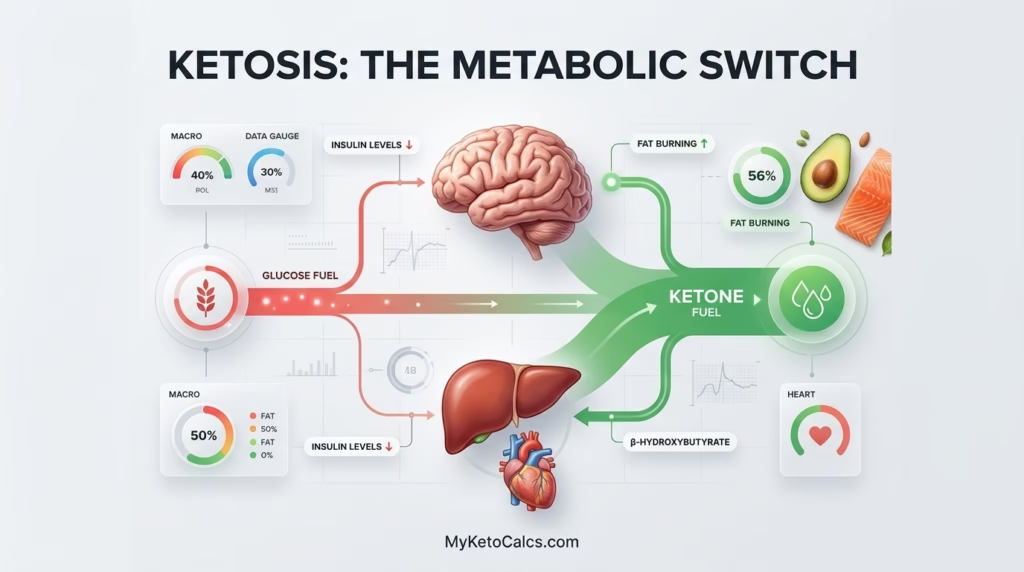
The ketogenic, or “keto,” diet has emerged as a prominent nutritional strategy, primarily recognized for its potential in weight management and its historical application in treating certain medical conditions. This eating plan is characterized by a very low carbohydrate intake, moderate protein, and a high proportion of fats. The fundamental principle behind the keto diet involves inducing a metabolic state known as ketosis, where the body shifts its primary energy source from carbohydrates (glucose) to fats, which are then converted into ketone bodies in the liver. Understanding appropriate keto diet foods is crucial for individuals embarking on this dietary regimen.
Initially developed in the 1920s to manage certain types of childhood epilepsy that did not respond to other treatments, the keto diet requires careful supervision by healthcare professionals when used for therapeutic purposes. More recently, it has gained widespread popularity among individuals seeking weight loss. A standard keto diet typically aims for 70–80% of daily calories from fat, 10–20% from protein, and a mere 5–10% from carbohydrates, which translates to approximately 25–50 grams of carbohydrates per day for a 2,000-calorie diet.
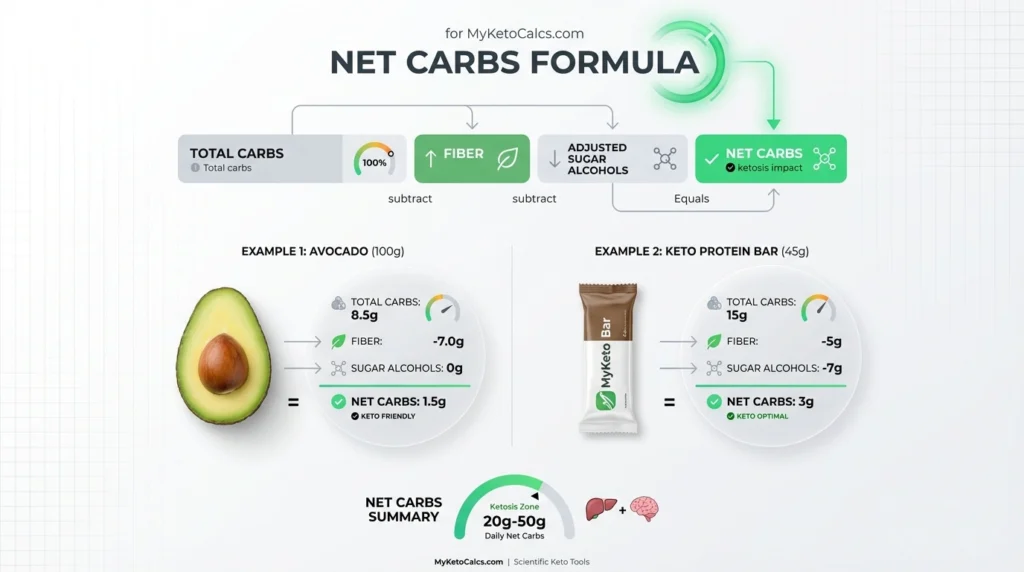
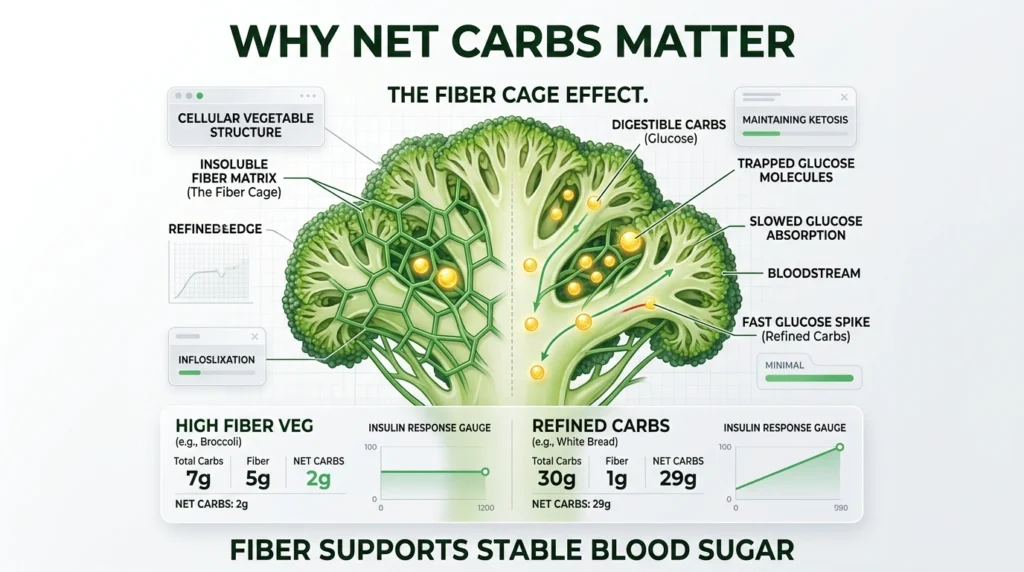
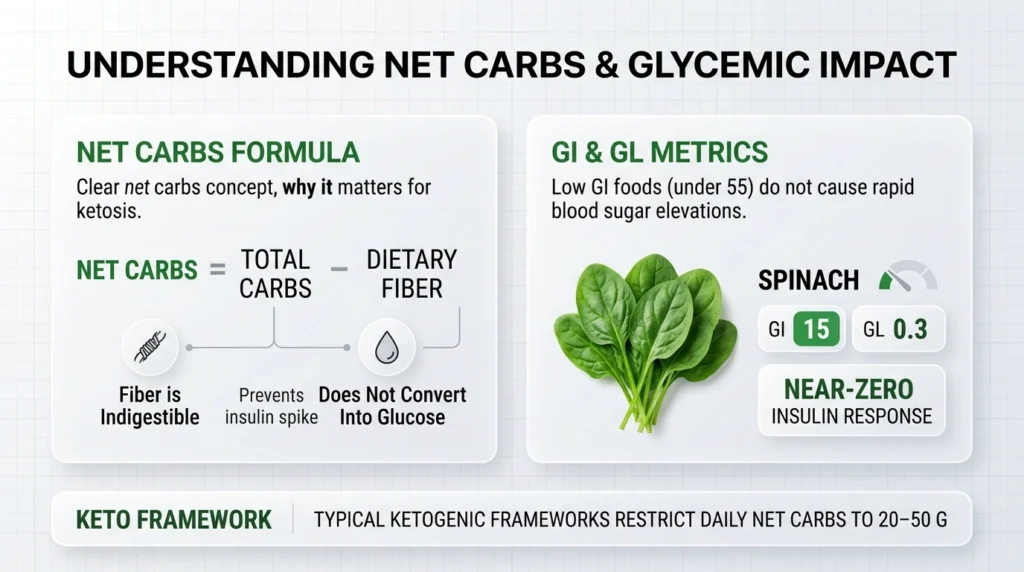
One of the significant considerations for those following a keto diet is ensuring adequate intake of fiber and certain B vitamins, as many carbohydrate-rich foods that are restricted are primary sources of these nutrients. The fiber in plant foods does not contribute to carbohydrate intake because it is not fully digested; this concept is often referred to as “net carbs” (total carbohydrates minus fiber). While the keto diet can be effective for weight loss and may offer benefits such as improved blood sugar control, increased satiety, and stable energy levels, it is not universally suitable. Individuals considering this diet, especially beginners, should consult with a healthcare provider or a registered dietitian to ensure it is appropriate for their specific health needs and to minimize potential risks like nutrient deficiencies or the “keto flu” during the adaptation phase.
Standard keto macronutrient targets

Essential keto diet foods: building a nutrient-dense meal plan
To effectively adhere to a ketogenic eating pattern, focusing on whole, nutrient-dense keto diet foods is paramount. A well-planned keto diet can accommodate a wide variety of healthy options while keeping carbohydrate intake within the required limits.
Proteins: foundational elements of keto diet foods
Proteins are a crucial macronutrient in the keto diet, contributing to satiety and muscle mass preservation. They are generally low in carbohydrates, making them ideal for the keto framework.
- Meat and poultry: beef, pork, lamb, veal, chicken, turkey, and game meats are excellent choices. Organ meats are also permitted.
- Fish and seafood: fatty fish like salmon, sardines, mackerel, and herring are particularly valuable. Shrimp, lobster, and crab are also suitable.
- Eggs: a versatile, affordable, and readily available source of protein and fat.
- Plant-Based Proteins: tofu, tempeh, pea protein, and soy protein isolates are viable options for vegetarian or vegan keto diets.
Healthy Fats and Oils: The Energy Core of Keto Diet Foods
Fats are the cornerstone of the keto diet. Prioritizing healthy fats is crucial for overall health.
- Allowed Fats: Extra virgin olive oil, coconut oil, avocado oil, butter, ghee, lard, avocados, and certain nuts and seeds. MCT oil is also favored for its rapid conversion to ketones.
- Fats to Avoid: Highly processed vegetable oils (canola, soybean), artificial trans fats, and margarine should be avoided.
Low-Carbohydrate Vegetables: Fiber-Rich Keto Diet Foods
Non-starchy vegetables are essential for providing fiber, micronutrients, and antioxidants.
- Recommended Vegetables: Leafy greens (spinach, kale), cruciferous vegetables (broccoli, cauliflower), zucchini, bell peppers, asparagus, cucumber, mushrooms, and tomatoes.
Select Fruits and Berries: Moderate Carbohydrate Keto Diet Foods
While most fruits are restricted, some can be enjoyed in small portions.
- Recommended Fruits: Berries (raspberries, blackberries, strawberries), lemons, limes, coconut meat, and avocado.
Dairy and Eggs: Versatile Keto Diet Foods
Dairy products and eggs can be valuable components of a keto diet.
- Dairy: Hard cheeses (cheddar, parmesan), cream cheese, heavy cream, and unsweetened full-fat Greek yogurt are preferred. Milk should be avoided.
Nuts and Seeds: Healthy Snack Options for Keto Diet Foods
Nuts and seeds are popular for snacking, providing healthy fats, protein, and fiber.
- Low-Carb Options: Almonds, walnuts, pecans, macadamia nuts, pumpkin seeds, chia seeds, and flaxseeds are among the best choices. Portion control is key.
Beverages: Staying Hydrated on a Keto Diet Foods Plan
Hydration is critical on a keto diet, especially during the initial adaptation phase.
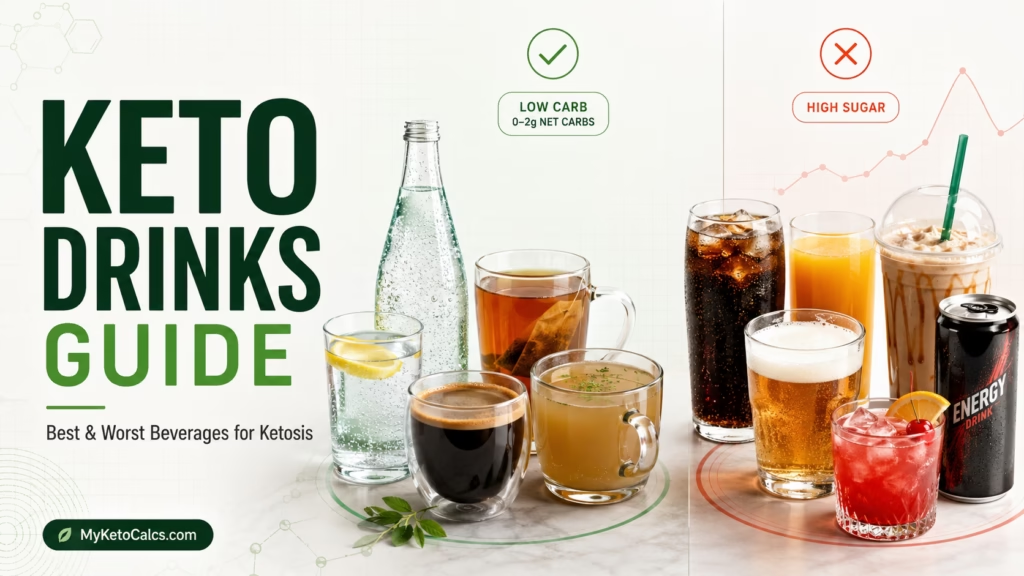
- Allowed Beverages: Water, unsweetened coffee and tea, dry wines and clear spirits (in moderation), and unsweetened plant milks.
- Beverages to Avoid: Sugary soft drinks, fruit juices, smoothies, and most beers.
Condiments and Sweeteners: Flavoring Keto Diet Foods
Adding flavor without adding carbohydrates is important for dietary adherence.
- Condiments: Herbs, spices, lemon juice, unsweetened vinegars, mustard, and sugar-free mayonnaise are generally permitted.
- Sweeteners: Stevia, erythritol, and monk fruit are suitable in moderation. Sugars like honey and maple syrup should be avoided.

Foods to Limit or Avoid on a Ketogenic Diet
To maintain ketosis, strict adherence to carbohydrate limits is necessary, typically under 20–50 grams per day. This necessitates limiting or avoiding many common high-carbohydrate keto diet foods.
- High-Carbohydrate Foods: Grains and starches (bread, pasta, rice), root vegetables (potatoes, carrots), most fruits, and legumes (beans, lentils).
- Sugary Foods and Drinks: Soda, fruit juice, candies, ice cream, cakes, honey, and maple syrup.
- Processed and “Diet” Foods: Many “sugar-free” or “low-fat” products often contain hidden sugars or unhealthy oils. Whole, unprocessed keto diet foods are always preferred.

Navigating the Keto Lifestyle: Practical Tips and Considerations
Successfully integrating keto diet foods into a sustainable lifestyle requires careful planning and a thorough understanding of the diet’s nuances.
Meal Planning and Preparation
Effective meal planning is a cornerstone of adhering to the keto diet. Preparing meals in advance, reading food labels carefully, and stocking the pantry with keto-friendly staples can simplify the process.
Fiber Intake and Digestive Health
Maintaining adequate fiber intake is crucial. This can be achieved by prioritizing non-starchy vegetables, avocados, and nuts and seeds.
Electrolyte Balance
During the “keto flu,” the body may lose electrolytes. Supplementing with sodium, potassium, and magnesium can help alleviate symptoms.
Long-Term Sustainability and Nutrient Adequacy
Maintaining the diet long-term can be challenging. A varied intake of permitted keto diet foods is crucial to prevent nutrient deficiencies. Concerns include potential risks of kidney stones, osteoporosis, and adverse effects on blood lipid profiles. A balanced approach emphasizing unsaturated fats is often recommended. Individual responses vary, and professional guidance is critical.

👇 Calculate Your Keto Macros
Get your personalized daily targets for fat, protein, and carbs based on your body and goals. Use data, not guesswork.
Your Personalized Results
Daily Target
0
kcal / day
Benefits of the Keto Diet
Beyond weight loss, the keto diet has been associated with several potential health benefits.
Weight Loss and Fat Burning
Promotes fat loss and can lead to significant weight reduction.
Blood Sugar Management
Can lower blood sugar levels and improve insulin sensitivity.
Increased Satiety
High fat and moderate protein content promote a greater feeling of fullness.
Mental Clarity and Energy Stability
Some individuals report improved focus and more stable energy levels.
How to calculate keto macros: step-by-step guide
Following these steps will help you calculate your keto macros and set up an effective ketogenic diet plan based on the guidelines described in this guide.
Step 1: Determine your calorie goal
Establish your daily calorie target. A standard keto diet typically aims for a specific caloric intake depending on your goal—losing weight, maintaining, or gaining muscle. Use the calculator above to find your personalized target.
Step 2: Set your carbohydrate limit
On a standard keto diet, carbohydrates should comprise only 5–10% of total daily calories, which translates to approximately 25–50 grams of carbohydrates per day for a 2,000-calorie diet. Track net carbs (total carbohydrates minus fiber).
Step 3: Calculate protein intake
Protein should make up 10–20% of daily calories. Proteins contribute to satiety and muscle mass preservation and are generally low in carbohydrates, making them ideal for the keto framework.
Step 4: Fill remaining calories with healthy fats
Fats are the cornerstone of the keto diet. After setting carbs and protein, the remaining 70–80% of your calories should come from healthy fat sources such as extra virgin olive oil, coconut oil, avocado oil, butter, ghee, lard, avocados, and certain nuts and seeds.
Step 5: Focus on nutrient-dense whole foods
To effectively adhere to a ketogenic eating pattern, focus on whole, nutrient-dense keto diet foods. Prioritize non-starchy vegetables, fatty fish, quality meats, eggs, and permitted dairy. Ensure adequate fiber intake by including leafy greens, avocados, and nuts and seeds.
Step 6: Monitor and adjust with professional guidance
Individual responses vary. Consulting with a qualified healthcare professional or a registered dietitian before initiating and throughout the course of a keto diet is strongly advised. This professional guidance can help tailor the diet to individual needs, monitor for biochemical changes, and ensure nutritional adequacy.
How many carbs should I eat on keto to lose 20 pounds?
On a ketogenic diet, carbohydrates should be limited to 5–10% of daily calories, typically 25–50 grams per day on a 2,000-calorie diet, to maintain the fat-burning state known as ketosis. Keeping carbohydrates at this level forces the body to shift its primary energy source from carbohydrates (glucose) to fats, which are then converted into ketone bodies in the liver. This metabolic shift promotes fat loss and can lead to significant weight reduction. To stay within the carb limit, track net carbs (total carbohydrates minus dietary fiber) and avoid high-carbohydrate foods such as grains, root vegetables, most fruits, and legumes. The keto diet can be effective for weight loss and may offer benefits such as improved blood sugar control and increased satiety. Use the keto calculator above to find your personalized daily carb and calorie target.
Best free keto macro calculator for beginners in USA
The free keto macro calculator on this page is an ideal starting point for beginners in the USA, using the Mifflin-St. Jeor or Katch-McArdle formula to calculate your personalized daily targets for fat, protein, and net carbs. A standard keto diet aims for 70–80% of daily calories from fat, 10–20% from protein, and 5–10% from carbohydrates. The calculator allows you to enter your gender, age, height, weight, activity level, and goal—whether you want to lose weight, maintain, or gain muscle—and instantly provides your recommended macro breakdown. Individuals considering a ketogenic diet, especially beginners, should consult with a healthcare provider or a registered dietitian to ensure the diet is appropriate for their specific health needs.
How to calculate protein intake for keto bodybuilding
On a ketogenic diet, protein should make up 10–20% of daily calories, contributing to satiety and muscle mass preservation. Proteins are generally low in carbohydrates, making them ideal for the keto framework, and include meat and poultry (beef, pork, lamb, veal, chicken, turkey), fatty fish and seafood (salmon, sardines, mackerel, herring, shrimp, lobster, crab), eggs, and plant-based proteins such as tofu, tempeh, pea protein, and soy protein isolates. If your body fat percentage is known, the Katch-McArdle formula can be used for a more precise lean-mass-based protein target. Avoid excessive protein intake, as very high amounts can be converted to glucose through gluconeogenesis, potentially disrupting ketosis. Use the calculator above to determine your precise protein goal based on your individual metrics and training goals.
Continue Your Keto Journey
New to the ketogenic diet? Get started with our foundational guide for beginners to build a strong base for your weight loss journey.
Read Our Beginner’s GuideFAQ: keto diet foods for beginners
What is a ketogenic diet and how does it work?
The ketogenic diet is characterized by a very low carbohydrate intake, moderate protein, and a high proportion of fats. The fundamental principle involves inducing a metabolic state known as ketosis, where the body shifts its primary energy source from carbohydrates (glucose) to fats, which are then converted into ketone bodies in the liver.
What percentage of calories should come from fat on keto?
A standard keto diet typically aims for 70–80% of daily calories from fat, 10–20% from protein, and a mere 5–10% from carbohydrates, which translates to approximately 25–50 grams of carbohydrates per day for a 2,000-calorie diet.
What are net carbs and how do I calculate them?
The fiber in plant foods does not contribute to carbohydrate intake because it is not fully digested. This concept is often referred to as “net carbs.” The formula is: net carbs = total carbohydrates − dietary fiber. Only net carbs count toward your daily limit on a ketogenic diet.
What vegetables can I eat on a keto diet?
Non-starchy vegetables are essential on keto. Recommended vegetables include leafy greens (spinach, kale), cruciferous vegetables (broccoli, cauliflower), zucchini, bell peppers, asparagus, cucumber, mushrooms, and tomatoes. High-carbohydrate root vegetables like potatoes and carrots should be limited or avoided.
What are the main foods to avoid on a ketogenic diet?
To maintain ketosis, limit or avoid grains and starches (bread, pasta, rice), root vegetables (potatoes, carrots), most fruits, legumes (beans, lentils), sugary foods and drinks (soda, fruit juice, candies, ice cream, cakes, honey, maple syrup), and many processed “sugar-free” or “low-fat” products that often contain hidden sugars or unhealthy oils.
What are the potential risks of the keto diet?
Potential risks include nutrient deficiencies and the “keto flu” during the adaptation phase. Long-term concerns include potential risks of kidney stones, osteoporosis, and adverse effects on blood lipid profiles. Individuals should consult with a healthcare provider or a registered dietitian before starting a keto diet.
Which sweeteners are allowed on a keto diet?
Stevia, erythritol, and monk fruit are suitable sweeteners in moderation. Sugars like honey and maple syrup should be avoided as they will disrupt ketosis.
Further Reading & Tools
Build a strong base for your ketogenic weight loss journey.
Instantly apply net-carb logic without manual math.
A visual guide to the best low-carb vegetables for keto.
For Further Reading
For those who wish to delve deeper into which foods to eat on a ketogenic diet, the following resources offer additional information, recipes, and detailed food lists.
Latest articles
Keto Drinks Guide: Best & Worst Beverages for Ketosis
Keto Drinks Guide Keto Drinks: Best Zero-Carb Beverages for Ketosis Keto drinks are zero-carbohydrate beverages…
What Is Ketosis? How It Works and Why It Happens
Ketosis Guide What is ketosis? How it works and why it happens Ketosis is a…
Net Carbs vs Total Carbs: What Matters for Keto?
Keto Nutrition Guide Net carbs vs. total carbs: the science + calculator tool Understand the…
How Long to Get Back Into Ketosis After a Carb Binge?
Keto Recovery Guide How to Get Back Into Ketosis After a Carb Binge (Recovery Guide)…
Low Carb Vegetables: Scientific Keto Guide & Metabolic Matrix
Definitive Metabolic Database Low Carb Vegetables: The Definitive Database and Metabolic Guide Prioritize non-starchy, above-ground…
Is Spinach Keto? Net Carbs Per Cup, Per 100g + Serving Guide
Metabolic Analysis Is Spinach Keto? Net Carbs Per Cup, Per 100g + Serving Guide Raw…