
Keto and type 2 diabetes: benefits, risks, and safety considerations
An educational overview of the mechanism, evidence, risks, and medical-supervision requirements when considering keto for type 2 diabetes.
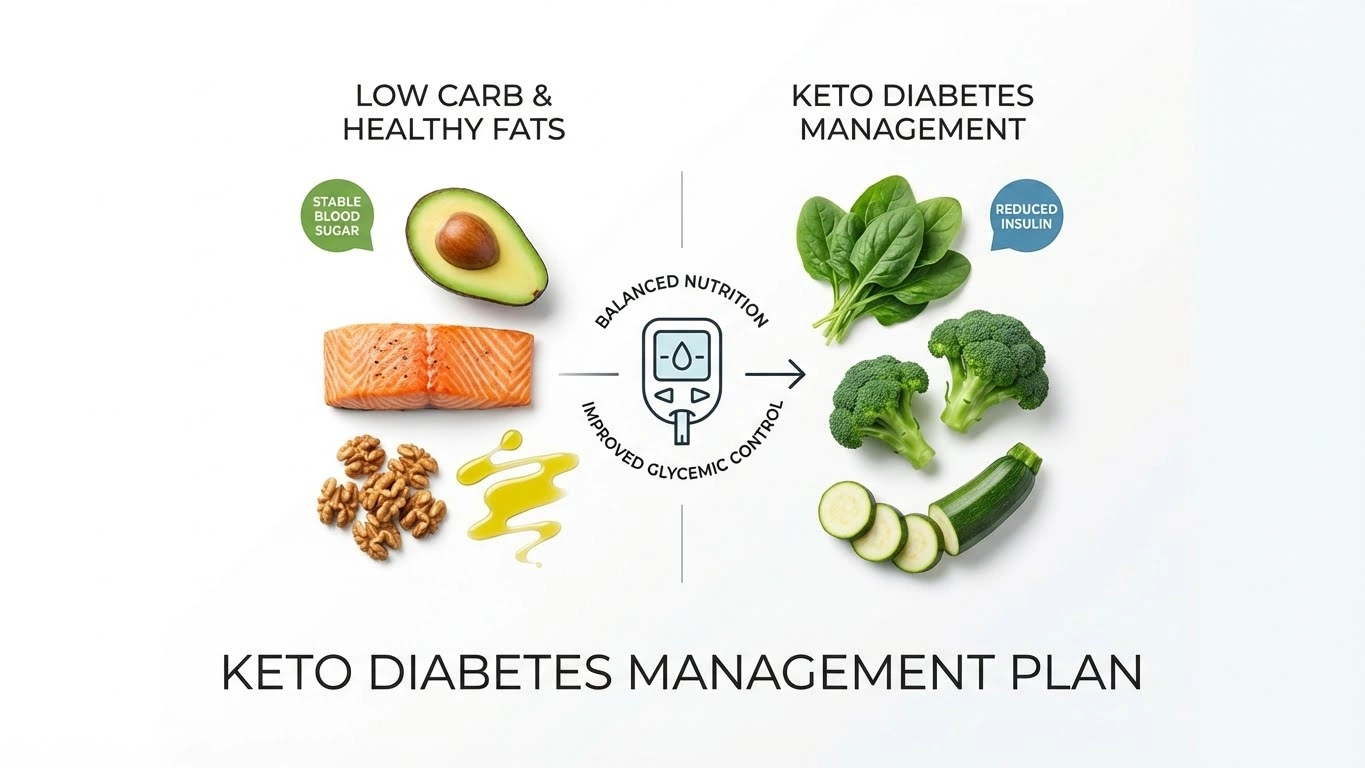
Type 2 diabetes (T2D) is conventionally managed with a combination of medication and general lifestyle changes. In recent years, carbohydrate-restricted approaches — including the ketogenic diet — have attracted growing research interest as a way to support blood glucose management in some people. The ketogenic approach is a high-fat, moderate-protein, very low-carbohydrate dietary pattern that aims to shift the body’s primary fuel from glucose to ketones.
For decades, the standard nutritional recommendation for type 2 diabetes involved low-fat diets. More recent research suggests that carbohydrate-restricted approaches may produce meaningful improvements in blood glucose control and weight in some people. However, this is a significant metabolic shift that carries real risks — especially for anyone taking glucose-lowering medications. This educational guide reviews the mechanism, the evidence for benefit, the safety risks (including hypoglycaemia, euglycemic DKA, and medication interactions), and the supervision requirements that should accompany any decision to try this approach.
A ketogenic approach (carbs typically <50g/day) may support blood glucose management and weight loss in some people with type 2 diabetes. Research has reported reductions in HbA1c, improvements in insulin sensitivity, and reduced medication needs in some participants — but outcomes vary widely and are not guaranteed. This approach is not safe without medical supervision for people on insulin, sulfonylureas, SGLT2 inhibitors (euglycemic DKA risk), or GLP-1 medications, and is not appropriate for people with significant kidney disease, liver disease, pregnancy, eating disorders, or low BMI. Plan and monitor any change with your healthcare provider.
This guide covers type 2 diabetes (T2D) — a condition of insulin resistance with preserved insulin production. Type 1 diabetes (T1D) is a different condition involving absolute insulin deficiency and a much narrower safety margin for any dietary change. Anyone with T1D considering a ketogenic approach must work directly with an endocrinologist — general T2D guidance does not apply to T1D management.
⚠️ Critical: read before considering a ketogenic approach for type 2 diabetes
This article is for educational purposes only and is not medical advice. A ketogenic diet produces significant changes in blood glucose, insulin requirements, blood pressure, electrolyte balance, and lipid markers. For people with type 2 diabetes — especially those on medication — these changes can be unsafe without close medical supervision.
Do not start a ketogenic approach for type 2 diabetes without first speaking to your prescribing healthcare provider if you: have type 1 diabetes (this article is about type 2; T1D requires specialist supervision for any major dietary change); take insulin or insulin pumps; take sulfonylureas (glipizide, glyburide, glimepiride) or meglitinides; take SGLT2 inhibitors (canagliflozin, dapagliflozin, empagliflozin, ertugliflozin) — these carry a substantially increased risk of euglycemic DKA on very-low-carb diets and during fasting; take GLP-1 receptor agonists (semaglutide, liraglutide, tirzepatide, dulaglutide) — appetite suppression plus restrictive eating can lead to inadequate intake and rapid lean mass loss; have kidney disease, liver disease, pancreatitis, or any history of DKA; have cardiovascular disease or take blood pressure or lipid medications; are pregnant or breastfeeding; are a child or teenager; have a history of eating disorders or disordered eating; are significantly underweight (BMI under 18.5); have retinopathy, neuropathy, or other diabetes-related complications that warrant slow, supervised glycaemic changes.
Do not adjust insulin, sulfonylurea, SGLT2 inhibitor, GLP-1, or any glucose-lowering medication doses on your own. Medication changes must be planned and supervised by the prescribing clinician.
If you experience persistent confusion, vomiting, fruity breath odour, rapid breathing, severe abdominal pain, signs of significant dehydration, or any symptoms of severe hypoglycaemia (shakiness, sweating, confusion, loss of consciousness), seek emergency medical care immediately. These can indicate DKA (including euglycemic DKA, which can occur with apparently normal blood glucose) or severe hypoglycaemia.
In this guide
👇 Calculate Your Keto Macros
Estimate your daily calorie and macronutrient targets. If you take diabetes medication, share these results with your healthcare provider — do not change medication doses on your own.
Your Personalized Results
Daily Target
0
kcal / day
The metabolic mechanism: how keto interacts with blood sugar and insulin
To understand how a ketogenic diet may interact with type 2 diabetes, it helps to start with the underlying mechanism. T2D is fundamentally a condition of carbohydrate intolerance and insulin resistance. When carbohydrates are consumed, they are broken down into glucose, which triggers the release of insulin to move energy into cells. In T2D, cells become progressively resistant to insulin’s signal — leading to chronically elevated blood glucose (hyperglycaemia) and chronically elevated insulin (hyperinsulinaemia).
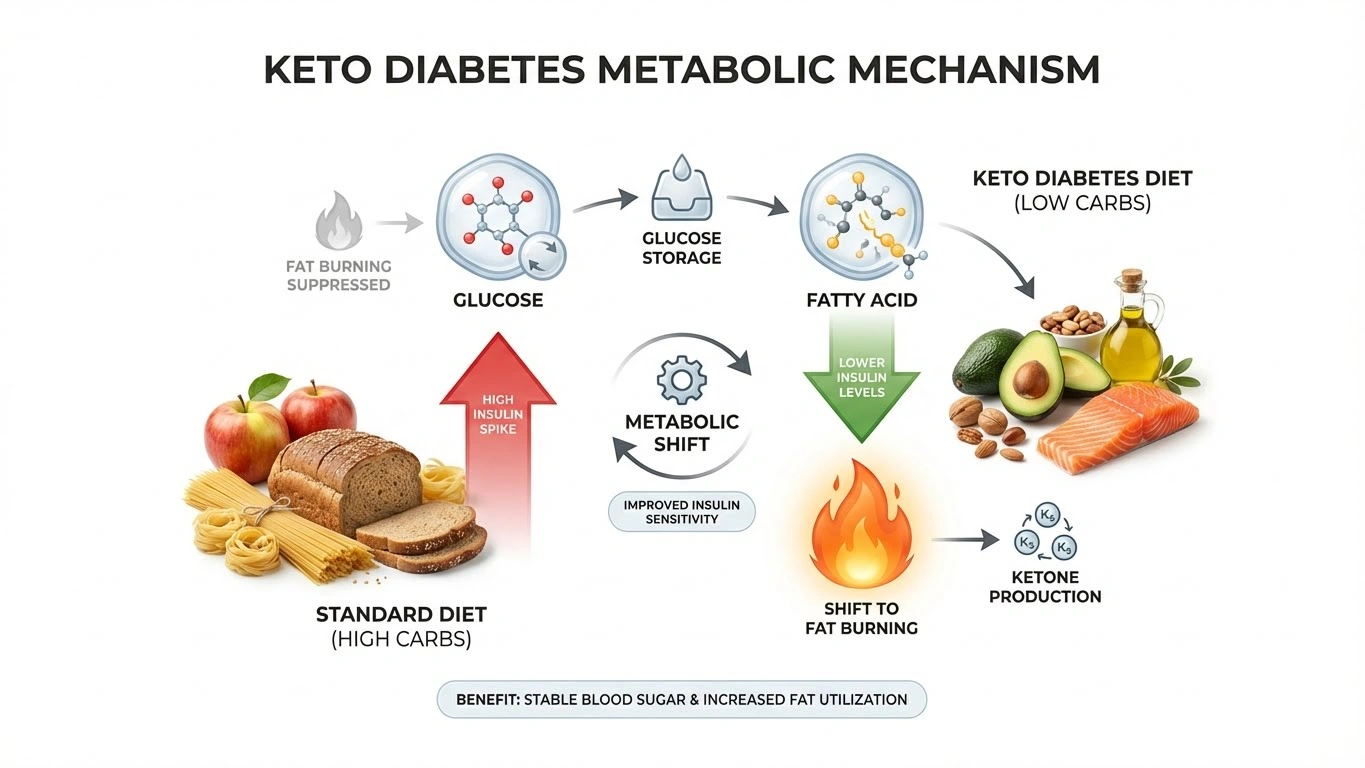
Type 2 diabetes is largely a condition of carbohydrate intolerance and insulin resistance. By restricting dietary carbohydrate, a ketogenic approach reduces postprandial glucose spikes and lowers the demand on insulin production. Research suggests this may improve insulin sensitivity over time in some people — but the mechanism does not work the same way in type 1 diabetes (which involves absolute insulin deficiency, not resistance), and individual responses to a ketogenic approach in T2D vary substantially.
The shift from glycolysis to ketosis
The ketogenic diet fundamentally alters cellular metabolism. By restricting carbohydrate intake to approximately 20–50 grams per day (or roughly 5–10% of total energy intake), the body depletes its glycogen stores. Consequently, the liver begins to oxidize fatty acids, producing ketone bodies — acetoacetate, beta-hydroxybutyrate, and acetone — which serve as an alternative fuel source for the brain and body.
This metabolic switch — known as nutritional ketosis — substantially reduces the dietary glucose load. With less glucose entering circulation after meals, insulin demand drops. Research suggests that as the body adapts to using fat as its primary fuel, insulin sensitivity may improve in some people, fasting glucose levels may stabilize, and there is reduced demand on the pancreatic beta-cells that produce insulin. Individual responses vary substantially and are not guaranteed. For more on the underlying physiology, see our guide to ketosis and the full ketogenic diet science guide.
Reported benefits: what the research suggests
Research on keto and type 2 diabetes — including randomized controlled trials and meta-analyses — has reported a range of effects beyond weight loss, including changes in glycaemic markers, insulin sensitivity, and medication requirements. The strength of the evidence varies by outcome, and individual responses vary widely. Citations for specific figures below are summarized in the Data & Sources section.
The effects described below have been observed in research participants who were medically supervised throughout. Reproducing any of these outcomes without supervision — particularly for people on insulin, sulfonylureas, SGLT2 inhibitors, or GLP-1 medications — carries real risk. Read the medication safety and emergency warning sections before considering this approach.
1. Possible improvements in glycaemic control (HbA1c)
One of the more frequently reported outcomes in keto and T2D research is a reduction in HbA1c — a marker of average blood glucose over roughly three months. Research suggests low-carbohydrate diets may lower HbA1c more than low-fat diets over the short to medium term, although long-term differences tend to narrow and individual responses vary substantially.
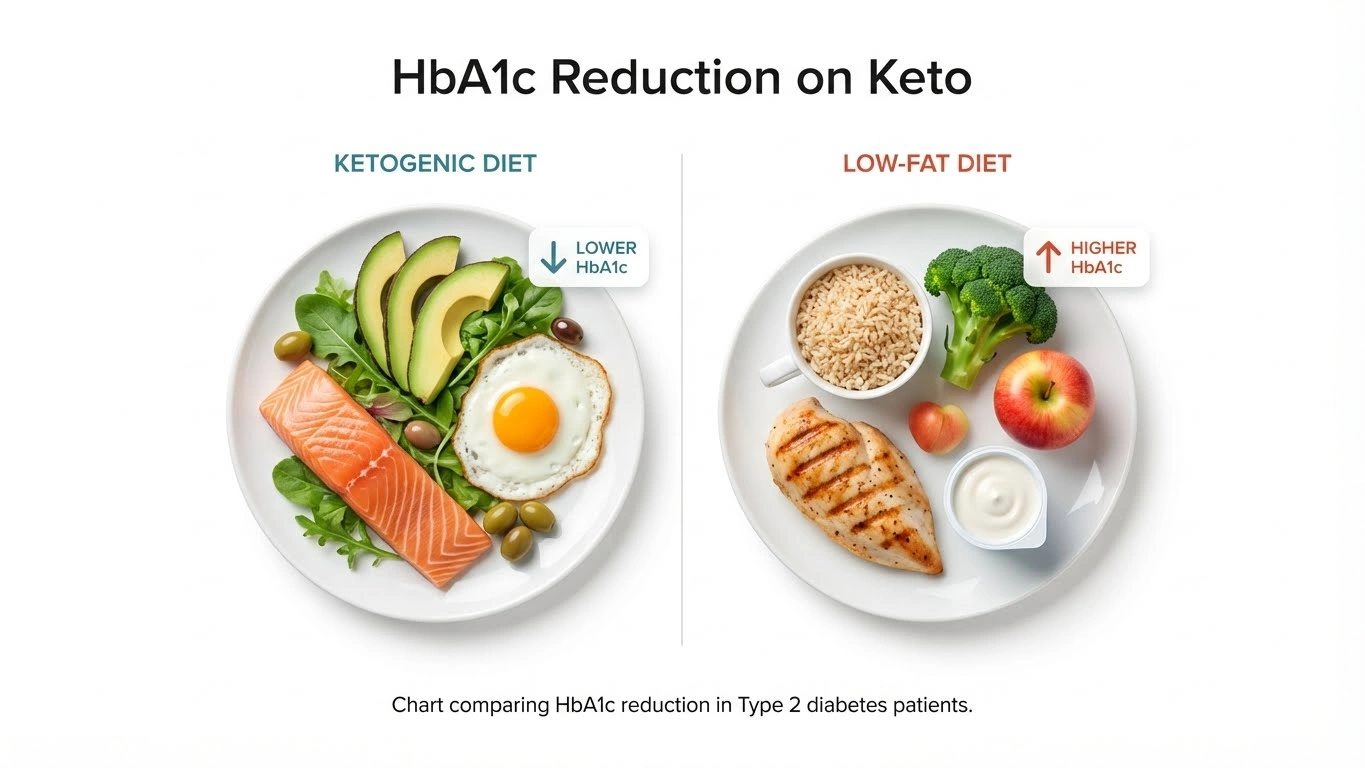
- Reported effects: Some studies have reported meaningful HbA1c reductions on ketogenic diets in people with T2D over 90-day and 12-month timeframes. The size of the reduction varies between individuals and between studies; some people respond strongly and others minimally. Specific figures should be interpreted in the context of each study’s design, sample size, and adherence rates. See Data & Sources for the underlying citations.
- Mechanism: Reduced dietary carbohydrate intake reduces postprandial (after-meal) blood glucose spikes, producing a flatter glucose curve through the day. Over time, lower cumulative glycaemic exposure may reduce the vascular burden associated with chronic hyperglycaemia.
2. Weight loss and metabolic markers
Obesity and visceral fat are strongly linked to insulin resistance. A ketogenic approach can support weight loss in many people who are able to maintain it. Reported mechanisms include:
- Appetite suppression: ketones and adequate protein intake influence satiety hormones (including ghrelin) and may reduce hunger, often leading to a spontaneous reduction in calorie intake.
- Increased fat oxidation: with insulin levels lower, the body may more readily mobilize stored fat — including visceral fat, which is metabolically active and linked to inflammation.
- Initial water-weight loss: the first phase of weight loss includes water released as glycogen stores deplete. This is normal and is not the same as fat loss; expectations should be set accordingly.
Research suggests reductions in BMI and waist circumference are possible with a sustained ketogenic approach, and improvements in these markers are associated with improved insulin sensitivity in some people. Outcomes vary by individual, baseline body composition, and adherence.
3. Possible improvements in insulin sensitivity
Insulin resistance is a defining feature of T2D. Research suggests that by lowering basal insulin levels, a ketogenic approach may help cells respond more effectively to insulin over time. Some studies have reported reductions in HOMA-IR (a calculated marker of insulin resistance) on ketogenic diets in people with T2D. The clinical concept of T2D remission — meaning HbA1c returning below the diabetes threshold without ongoing medication — has been documented in some research participants. Whether this is durable in any individual depends on long-term adherence, baseline severity, and ongoing medical follow-up. T2D “reversal” in the lay sense is not a guaranteed outcome of any dietary approach.
4. Possible reduction in glucose-lowering medication needs (with medical supervision)
One of the more notable effects reported in keto + T2D research is a reduction in the need for glucose-lowering medications in some participants. In published studies, some people taking insulin or sulfonylureas have been able to reduce or stop these medications under direct medical supervision after sustained periods on a ketogenic diet. Specific reduction rates vary by study and population — see Data & Sources for the underlying citations.
This is a clinician-supervised process, not something to attempt on your own. Reducing or stopping diabetes medications without medical supervision can result in dangerous hypoglycaemia (with insulin and sulfonylureas) or rebound hyperglycaemia. Any change must be planned with the prescribing healthcare provider, with appropriate blood glucose monitoring during the transition.
The risks: critical safety considerations
While the reported benefits are meaningful for some people, this approach also carries real risks — particularly for anyone taking glucose-lowering medications. The following risks should be discussed in detail with your healthcare provider before starting.
1. LDL cholesterol changes
A common concern with ketogenic diets is the potential for increased low-density lipoprotein (LDL) cholesterol. Because the approach is high in dietary fat, including saturated fats in some implementations, some people experience an LDL-C increase. The size of the change varies by individual and by the specific fat sources used.
Nuance: Total LDL may rise in some people, while research also suggests a possible shift in particle profile from small, dense LDL (more atherogenic) to large, buoyant LDL (less atherogenic). The clinical significance of this particle-size shift in the context of overall cardiovascular risk is still an active area of research. For anyone with pre-existing cardiovascular disease, familial hypercholesterolemia, or other significant cardiac risk factors, an LDL rise warrants close monitoring by your healthcare provider — and emphasizing mono- and polyunsaturated fats (olive oil, avocado, fatty fish, nuts) over saturated fats may help mitigate the risk.
2. Hypoglycaemia risk (critical for anyone on insulin or sulfonylureas)
For anyone taking insulin, sulfonylureas (e.g. glipizide, glyburide, glimepiride), or other insulin-secretagogues, a rapid drop in blood glucose on a low-carb diet can cause dangerous hypoglycaemia (low blood sugar). Symptoms include shakiness, sweating, confusion, fast heartbeat, and — in severe cases — loss of consciousness or seizure.
This requires medical supervision before starting. Insulin and glucose-lowering medication may need to be adjusted before starting a ketogenic approach, but those adjustments must be planned and supervised by the prescribing clinician — not estimated by you or by any general guide. Frequent blood glucose monitoring during the transition is essential. Do not stop or reduce diabetes medication on your own.
3. Diabetic ketoacidosis (DKA) vs. nutritional ketosis
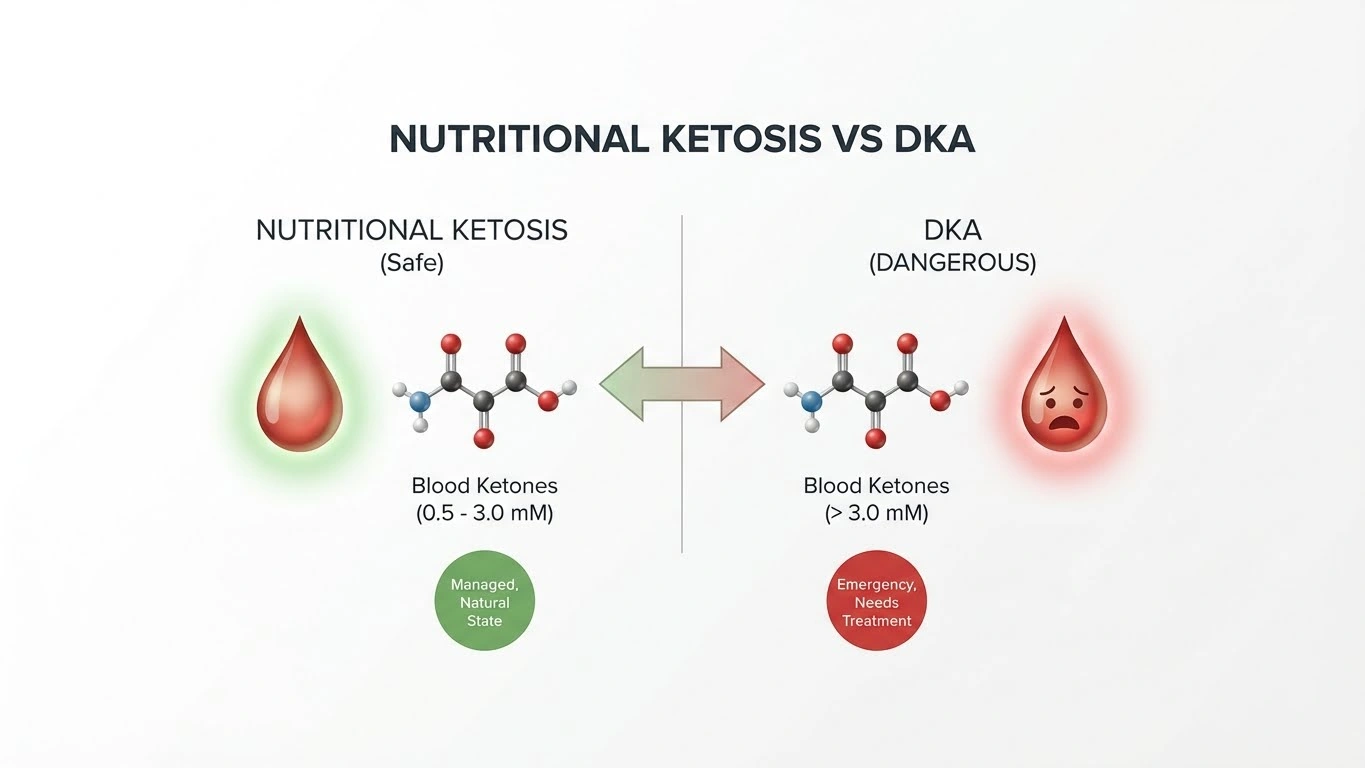
It is critical to distinguish between nutritional ketosis (a safe metabolic state with blood ketones typically 0.5–3.0 mmol/L and normal blood pH) and diabetic ketoacidosis (a life-threatening medical emergency with ketones often above 10 mmol/L and blood pH dropping into the acidotic range). See our full breakdown of the difference in ketosis vs. ketoacidosis.
DKA is much more common in type 1 diabetes than type 2, but it can occur in T2D — particularly in people taking SGLT2 inhibitors (e.g. canagliflozin, dapagliflozin, empagliflozin, ertugliflozin). These medications can cause euglycemic DKA, in which DKA develops even though blood glucose appears normal or only mildly elevated. The combination of an SGLT2 inhibitor + a very-low-carb or ketogenic diet substantially increases this risk. For this reason, combining keto with an SGLT2 inhibitor is generally not recommended and requires explicit endocrinologist supervision.
4. Nutrient and fibre considerations
By restricting most fruits, whole grains, and legumes, a ketogenic diet can be lower in fibre, certain vitamins, and minerals than a more varied diet. This can contribute to constipation, magnesium deficiency (which can cause muscle cramps), and changes in the gut microbiome from reduced prebiotic fibre. Including a wide range of low-carb fibrous vegetables (leafy greens, cruciferous vegetables, avocado), and adequate hydration and electrolytes, helps mitigate these effects. See our keto electrolytes guide for specific recommendations.
Medication safety: what to discuss with your healthcare team
If you take any glucose-lowering or related medications, the safest path is to plan a ketogenic approach with your prescribing clinician — not after starting it. The following overview is educational and is not individual medication advice.
Insulin
Anyone taking insulin (basal, bolus, or pump-delivered) is at significant risk of hypoglycaemia when carbohydrate intake drops sharply. Doses commonly need to be adjusted, but the specific changes depend on baseline regimen, response to carbohydrate restriction, and ongoing glucose monitoring data. Adjustments must be made by the prescribing clinician, with frequent blood glucose checks during the transition. Do not estimate dose changes on your own.
Sulfonylureas and meglitinides
Sulfonylureas (glipizide, glyburide, glimepiride) and meglitinides (repaglinide, nateglinide) stimulate insulin secretion regardless of carbohydrate intake. On a very-low-carb diet, this can produce significant hypoglycaemia. Many clinicians reduce or discontinue these medications when starting a ketogenic approach, but again — this is a clinician-supervised decision, not a self-managed one.
SGLT2 inhibitors
SGLT2 inhibitors (canagliflozin, dapagliflozin, empagliflozin, ertugliflozin) lower blood glucose by causing the kidneys to excrete more glucose in urine. They also shift the body toward a more ketogenic-leaning metabolism on their own. Combining an SGLT2 inhibitor with a ketogenic diet can substantially increase the risk of euglycemic DKA — DKA with normal-looking blood glucose values. This combination is generally not recommended; if it is considered, it requires explicit endocrinologist supervision with frequent monitoring. See our ketosis vs. ketoacidosis explainer for the underlying distinction.
GLP-1 receptor agonists
GLP-1 receptor agonists (semaglutide, liraglutide, dulaglutide, tirzepatide) slow gastric emptying and suppress appetite. Combining this strong appetite suppression with a restrictive ketogenic eating pattern can lead to inadequate calorie and protein intake, rapid lean mass loss, and severe nausea. If you are on a GLP-1 medication, discuss any major dietary change with your prescriber and monitor your intake closely.
Metformin
Metformin does not typically cause hypoglycaemia on its own, so the risk profile when combined with a ketogenic diet is lower than for insulin or sulfonylureas. However, gastrointestinal side effects from metformin can overlap with early keto-adaptation symptoms (nausea, GI upset), and dose adjustments may still be appropriate as HbA1c improves. Stay in touch with your prescriber.
Blood pressure medications
A ketogenic diet can lower blood pressure through reduced insulin levels, water/sodium loss, and weight loss. People on antihypertensives may experience lightheadedness or symptomatic hypotension early on. Your prescriber may need to adjust blood pressure medication doses; check blood pressure regularly during the transition.
The single most important medication safety rule on a ketogenic approach for type 2 diabetes: do not change your medications yourself. Plan changes with your prescribing clinician, monitor glucose closely during the transition, and bring data (glucose logs, side effects, adherence) to your follow-up appointments.
When to seek urgent medical care
This section lists symptoms that warrant immediate medical attention. It is educational, not diagnostic. If you are unsure, contact your healthcare provider — or, in case of severe symptoms, emergency services.
Signs of severe hypoglycaemia
Severe hypoglycaemia can occur quickly in people taking insulin or sulfonylureas, particularly during the first weeks of carbohydrate restriction. Symptoms include:
- Shakiness, sweating, racing heartbeat, intense hunger
- Confusion, difficulty concentrating, slurred speech
- Dizziness, blurred vision, weakness
- In severe cases: loss of consciousness, seizure
If you can swallow safely, fast-acting carbohydrate (glucose tablets, fruit juice, regular soda) typically resolves mild-to-moderate hypoglycaemia. Severe symptoms or loss of consciousness require emergency care.
Signs of DKA or euglycemic DKA
DKA is a medical emergency. With SGLT2 inhibitors, DKA can occur even when blood glucose appears normal (euglycemic DKA). Symptoms include:
- Persistent nausea or vomiting
- Severe abdominal pain
- Rapid, deep breathing (sometimes called “Kussmaul breathing”)
- Fruity, acetone-like odour on the breath
- Extreme fatigue, confusion, or altered mental state
- Signs of significant dehydration: very dry mouth, severely reduced urination, dizziness on standing
If you experience these symptoms — particularly the combination of nausea/vomiting + abdominal pain + rapid breathing — seek emergency medical care immediately, regardless of what your blood glucose reading shows.
Do not “wait it out” with these symptoms on a ketogenic diet. Early recognition and prompt medical evaluation reduce the risk of progression to severe DKA or severe hypoglycaemia. Many emergency presentations of DKA could have been intercepted hours earlier with attention to these warning signs.
Implementation considerations: how a ketogenic approach is typically started
If, after discussion with a qualified healthcare provider, someone with type 2 diabetes decides to try a ketogenic approach, the following considerations support a safer start. This is a general educational framework — not an individual prescription. Specifics (carbohydrate target, protein target, medication adjustments) must be tailored by the person’s healthcare team.
- Pre-start medical evaluation: a baseline metabolic panel, lipid profile, kidney and liver function check, and a thorough medication review with your prescribing clinician. People with significant kidney disease, pancreatitis, liver disease, or familial hypercholesterolemia are generally not appropriate candidates for very-low-carb diets without specialist supervision.
- Dietary composition (general educational ranges — your healthcare team should tailor specifics):
- Carbohydrates: commonly <50g net carbs per day on a ketogenic protocol, focused on non-starchy vegetables (spinach, broccoli, zucchini, leafy greens). See our explainer on net carbs vs total carbs.
- Protein: moderate intake — typically discussed in the literature in the range of 1.0–1.5g per kg of body weight, with the appropriate target depending on body composition, kidney function, and activity level.
- Fats: emphasis on mono- and polyunsaturated fats (olive oil, avocado, nuts, fatty fish) over excessive saturated fats, particularly for anyone with cardiovascular risk factors.
- Monitoring: frequent blood glucose monitoring (and ideally home ketone testing during the transition) is essential — see our guide on measuring ketosis. Electrolyte attention (sodium, potassium, magnesium) helps prevent keto flu symptoms.
Final practical takeaway
For some people with type 2 diabetes, the ketogenic approach has been associated with meaningful improvements in HbA1c, weight, insulin sensitivity, and (in some cases, under medical supervision) reductions in glucose-lowering medication. These outcomes are not guaranteed and individual responses vary widely. The mechanism — substantial reduction in carbohydrate intake leading to lower postprandial glucose and lower insulin demand — is reasonable and supported by research in willing participants.
The risks are equally real. Hypoglycaemia in people on insulin or sulfonylureas, euglycemic DKA in people on SGLT2 inhibitors, possible LDL changes, nutrient and fibre considerations, and the challenge of long-term adherence are all genuine concerns that warrant active management. None of these are reasons to avoid considering the approach, but they are reasons to involve your healthcare team in any decision to try it.
If you are considering a ketogenic approach for type 2 diabetes management, work with your prescribing clinician — ideally including an endocrinologist and/or a registered dietitian familiar with low-carb nutrition — to plan it, monitor it, and adjust medications as needed. This article is educational, not a substitute for that conversation.
Disclaimer: This article is for educational purposes only and is not medical advice. It is not a substitute for individualized care from your healthcare team. Do not adjust diabetes medications or start a restrictive diet without medical supervision, especially if you take insulin, sulfonylureas, SGLT2 inhibitors, or GLP-1 receptor agonists.
Frequently asked questions
Can keto reverse type 2 diabetes?
T2D remission — defined as HbA1c returning below the diabetes threshold without ongoing diabetes medication — has been reported in some research participants on ketogenic and low-carbohydrate diets. Whether remission is durable in any individual depends on long-term adherence, baseline severity, weight loss, and continued medical follow-up. T2D “reversal” in the lay sense is not a guaranteed outcome of any dietary approach and should not be expected as a default result.
Is keto safe for type 2 diabetes?
For people without specific contraindications and with appropriate medical supervision, a ketogenic approach has been studied as a way to support blood glucose management in type 2 diabetes. It is not safe to attempt without supervision for people on insulin, sulfonylureas, SGLT2 inhibitors, or GLP-1 medications, and is generally not appropriate for people with significant kidney disease, liver disease, pancreatitis, history of DKA, eating disorders, pregnancy, or significantly low body weight. A ketogenic approach for T2D should be planned with your healthcare provider.
Do I need to adjust my insulin if I start keto?
Insulin requirements often change on a ketogenic diet, but the specific adjustment depends on your baseline regimen, response, and monitoring data — and must be planned by your prescribing clinician. Do not estimate or change insulin doses yourself. Starting keto on full insulin doses without adjustment carries a real risk of severe hypoglycaemia. Frequent blood glucose monitoring during the transition is essential.
Can I take SGLT2 inhibitors on keto?
Combining SGLT2 inhibitors (canagliflozin, dapagliflozin, empagliflozin, ertugliflozin) with a very-low-carb or ketogenic diet substantially increases the risk of euglycemic diabetic ketoacidosis (DKA with normal blood glucose). This combination is generally not recommended without explicit endocrinologist supervision. If you take an SGLT2 inhibitor, discuss any major dietary change with your prescriber before starting.
What HbA1c reduction can I expect on keto with type 2 diabetes?
Reported HbA1c reductions in research vary widely between studies and between individuals. Some people experience meaningful reductions within months; others see smaller changes. Variables include baseline HbA1c, body composition, medication regimen, adherence, and individual metabolic response. The published research range is broad — specific figures from any one study should not be taken as the expected outcome for any individual. Discuss realistic targets with your healthcare provider.
Will keto raise my cholesterol with type 2 diabetes?
Some people experience an increase in LDL cholesterol on a ketogenic diet, especially if intake is high in saturated fats. Research also suggests possible shifts in LDL particle profile from small/dense (more atherogenic) to large/buoyant (less atherogenic), but the clinical significance of this shift in the context of overall cardiovascular risk is still being studied. People with pre-existing cardiovascular disease, familial hypercholesterolemia, or significant cardiac risk factors should monitor lipids closely with their healthcare provider and prioritize unsaturated fat sources.
Who should not try keto for type 2 diabetes?
A ketogenic approach is not appropriate without specialist supervision for people with type 1 diabetes, those taking SGLT2 inhibitors (euglycemic DKA risk), people with kidney disease, liver disease, pancreatitis, history of DKA, eating disorders or disordered eating, pregnancy, breastfeeding, children, teenagers, those significantly underweight (BMI under 18.5), or anyone with poorly controlled cardiovascular disease. Anyone on insulin, sulfonylureas, SGLT2 inhibitors, or GLP-1 medications must plan dietary changes with their prescribing clinician.
Data & sources
The claims in this article are drawn from the peer-reviewed and clinical literature on the ketogenic diet and type 2 diabetes. Specific numerical outcomes (HbA1c reductions, medication reduction rates, insulin sensitivity changes) vary substantially between studies and individuals. The following sources informed this article; readers seeking precise figures should consult the primary literature directly.
- Ketogenic diets and type 2 diabetes — mechanism, HbA1c, and medication outcomes: PubMed Central — PMC8397683. Underlying peer-reviewed research summarizing low-carbohydrate and ketogenic intervention effects in T2D.
- Carbohydrate restriction and metabolic markers in T2D: PubMed Central — PMC11380086. Additional peer-reviewed evidence on glycaemic and metabolic outcomes.
- Nutritional approaches and glycaemic control: Frontiers in Nutrition (2025). Peer-reviewed nutritional research on dietary approaches and metabolic markers.
- Clinical considerations for low-carbohydrate diets in T2D: Cleveland Clinic Journal of Medicine. Clinical review of carbohydrate restriction in diabetes care.
- Recent clinical evidence on dietary intervention: Taylor & Francis Online (2025). Peer-reviewed clinical study on dietary intervention outcomes.
- SGLT2 inhibitors and euglycemic DKA risk — increased risk of euglycemic DKA in people taking SGLT2 inhibitors during very-low-carb diets or fasting is widely documented in endocrinology literature and FDA medication labeling. Anyone on SGLT2 inhibitors should discuss any dietary change with their prescribing clinician before starting.
Note on figures: specific numerical outcomes reported in any single study reflect that study’s design, population, supervision intensity, and adherence — not what any individual reader should expect. Use the references above as starting points for further reading, and discuss realistic expectations with your healthcare provider.
Further Reading & Tools
The deep scientific context for how the glycolysis-to-ketosis shift works physiologically.
The critical safety distinction referenced throughout the DKA section.
Practical electrolyte guidance for the keto transition — especially relevant alongside blood pressure changes.
How to track ketone levels safely during the transition, particularly important for people on medication.
Combining fasting with keto adds additional risks for people with diabetes — read before considering this combination.
How carb counting works on keto, supporting accurate tracking within the recommended daily range.
Explore More Resources
For additional information, check out these resources on keto and metabolic health: