
Keto on a Budget: A Comprehensive Medical Guide
Achieving metabolic ketosis depends not on the price tag of the ingredients, but on the precise manipulation of macronutrient ratios.
The adoption of a ketogenic lifestyle is often perceived as a luxury reserved for those who can afford premium cuts of grass-fed beef and wild-caught Atlantic salmon. However, from a clinical and nutritional perspective, the efficacy of metabolic ketosis depends not on the price tag of the ingredients, but on the precise manipulation of macronutrient ratios to induce a shift from glucose to fatty acid oxidation. Achieving keto on a budget is not only possible but can be more nutritionally dense than a standard diet when implemented with scientific rigor.
Inflation has significantly impacted the cost of animal proteins and fresh produce, leading many patients to believe that healthy eating is financially out of reach. Yet, by focusing on whole, unprocessed ingredients and strategic planning, one can maintain a state of nutritional ketosis for as little as $2 per meal. This guide will provide an analytical breakdown of how to optimize your keto on a budget strategy, ensuring you achieve your weight loss and metabolic health goals without financial strain.
👇 Calculate Your Personal Macros
Precise manipulation of macronutrient ratios is key to budget success. Find your baseline.
Your Personalized Results
Daily Target
0
kcal / day
The Clinical Myth: Does Ketosis Require Expensive Superfoods?
One of the primary barriers to entry for the ketogenic diet is the “premium” marketing surrounding it. Patients are often bombarded with advertisements for exogenous ketones, MCT oil supplements, and “keto-certified” processed snacks that carry a significant price markup. From a medical standpoint, these items are rarely necessary for achieving deep ketosis or realizing the therapeutic benefits of a low-carb lifestyle.
The physiological requirement for ketosis is a reduction in net carbohydrate intake—typically below 20 to 50 grams per day—which forces the liver to produce ketone bodies from stored and dietary fats. Whether these fats come from a $40 ribeye or a $4 package of 80/20 ground beef, the metabolic outcome is largely identical. By stripping away the “lifestyle” marketing and focusing on the biochemical fundamentals, keto on a budget becomes a highly accessible intervention for chronic conditions such as Type 2 diabetes and obesity.
The Ultimate Keto Grocery List Budget: Nutrient Density for Less
To successfully implement a budget-conscious ketogenic plan, one must prioritize affordable low-carb foods that offer the highest nutrient-to-cost ratio. The following categories represent the “gold standard” for a medical keto grocery list budget:
High-Value Proteins
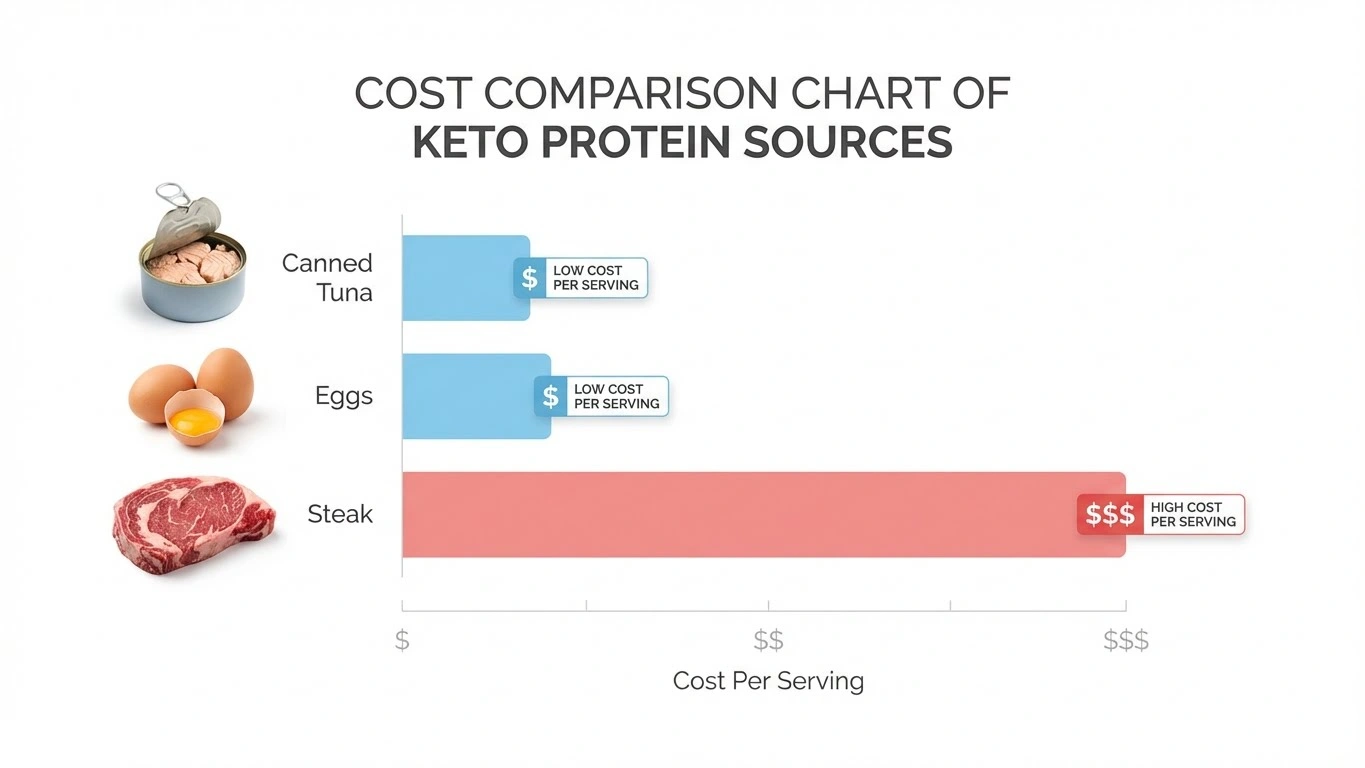
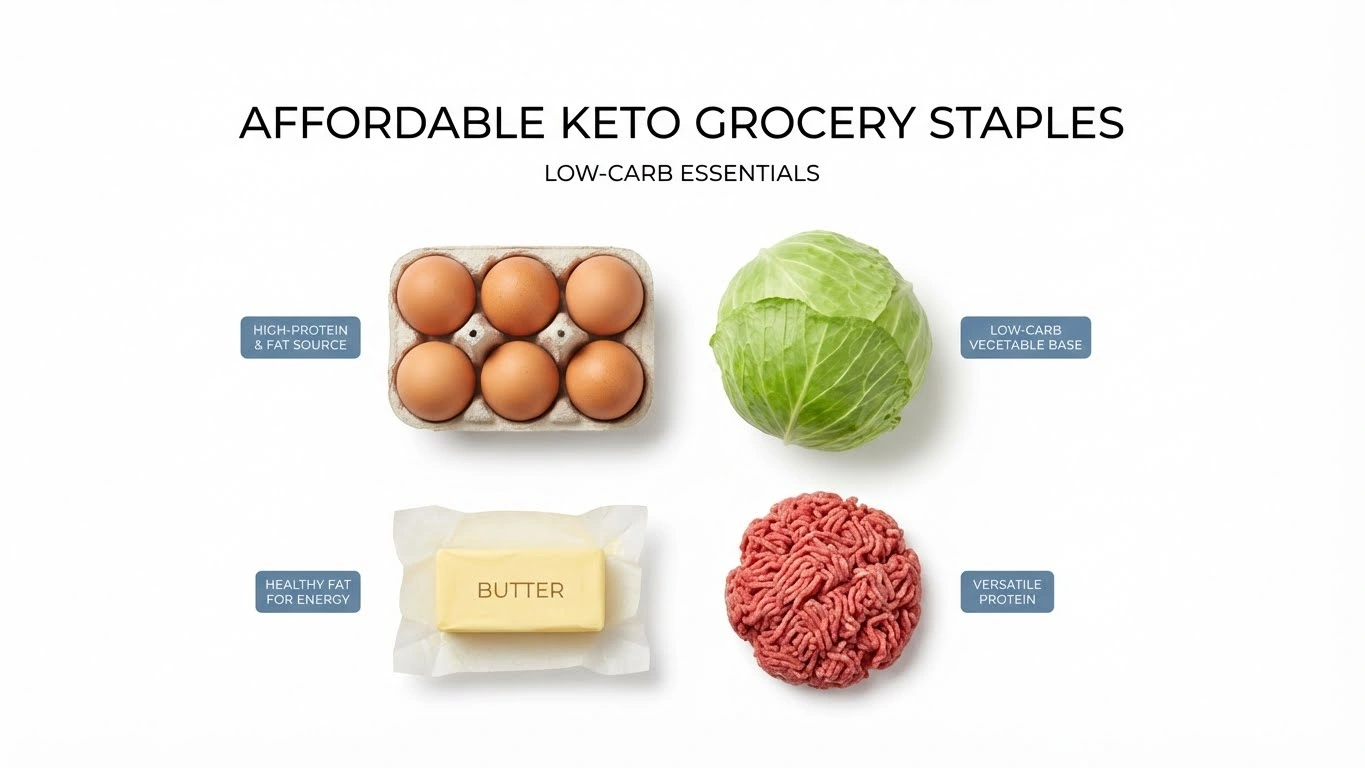
- Eggs: Clinically referred to as “the golden egg,” they are perhaps the most complete and affordable protein source available, providing 6-8 grams of protein per unit alongside essential B vitamins and choline.
- Chicken Thighs (Bone-in, Skin-on): These are significantly cheaper than breasts and provide a superior fat-to-protein ratio for keto, ensuring better satiety.
- Ground Beef (80/20): Higher fat percentages are usually cheaper and more conducive to maintaining ketosis than leaner, more expensive cuts.
- Canned Seafood: Sardines and canned tuna are shelf-stable, rich in Omega-3 fatty acids, and frequently cost under $1 per serving.
- Organ Meats: Liver is nature’s most potent multivitamin, providing high concentrations of vitamin A and iron for a fraction of the price of muscle meat.
Low-Glycemic Vegetables
- Cabbage: A nutritional powerhouse that is exceptionally cheap and versatile. It can serve as a base for stir-fries or a replacement for pasta.
- Frozen Broccoli and Cauliflower: Frozen vegetables are often picked at peak ripeness, retaining more micronutrients than fresh produce that has traveled long distances.
- Spinach: Often sold in large, affordable bags, it is a critical source of magnesium and potassium, which are essential for avoiding the “keto flu.”
Cost-Effective Healthy Fats
- Butter and Ghee: Often available in bulk or on sale, butter provides essential fat-soluble vitamins.
- Olive Oil: A staple for heart health that should be purchased in large containers to reduce the per-ounce cost.
- Animal Tallow/Lard: Reusing bacon grease or rendered beef fat is a free way to add high-quality flavor and fats to your meals.
Strategic Meal Planning: Engineering Cheap Keto Meals
Success on a restricted budget requires moving away from impulsive eating toward a structured, analytical approach to meal preparation. Medical evidence suggests that those who plan their meals are more likely to adhere to their nutritional goals and avoid the inflammatory triggers of processed “convenience” foods.
Batch Cooking and the “Cook Once, Eat Twice” Protocol
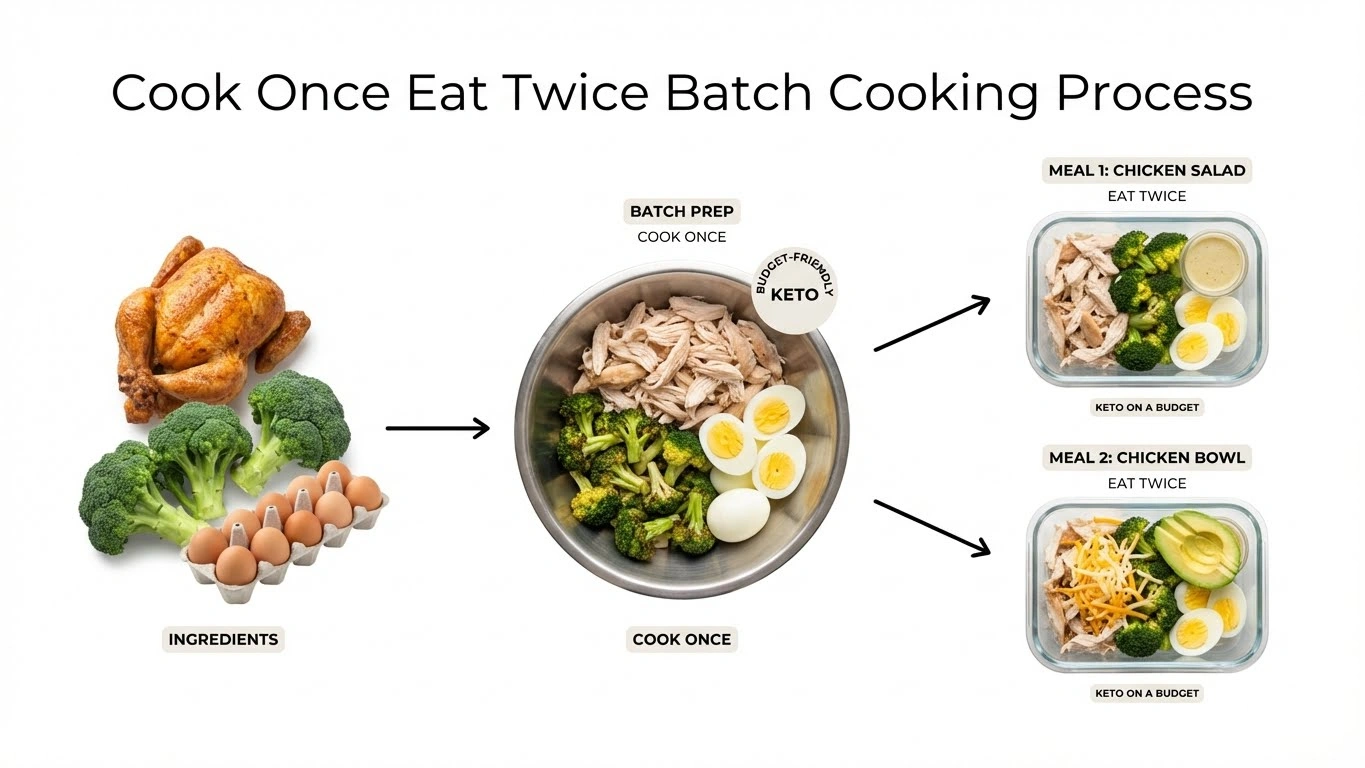
Batch cooking involves preparing large quantities of a single protein or base dish and repurposing it throughout the week. For example, roasting two whole chickens on a Sunday provides meat for salads, stir-fries, and casseroles, while the carcasses can be boiled to create mineral-rich bone broth. This reduces food waste—which accounts for nearly 25% of the average household’s food budget—and ensures that cheap keto meals are always available in the refrigerator.
Leveraging Intermittent Fasting (IF)
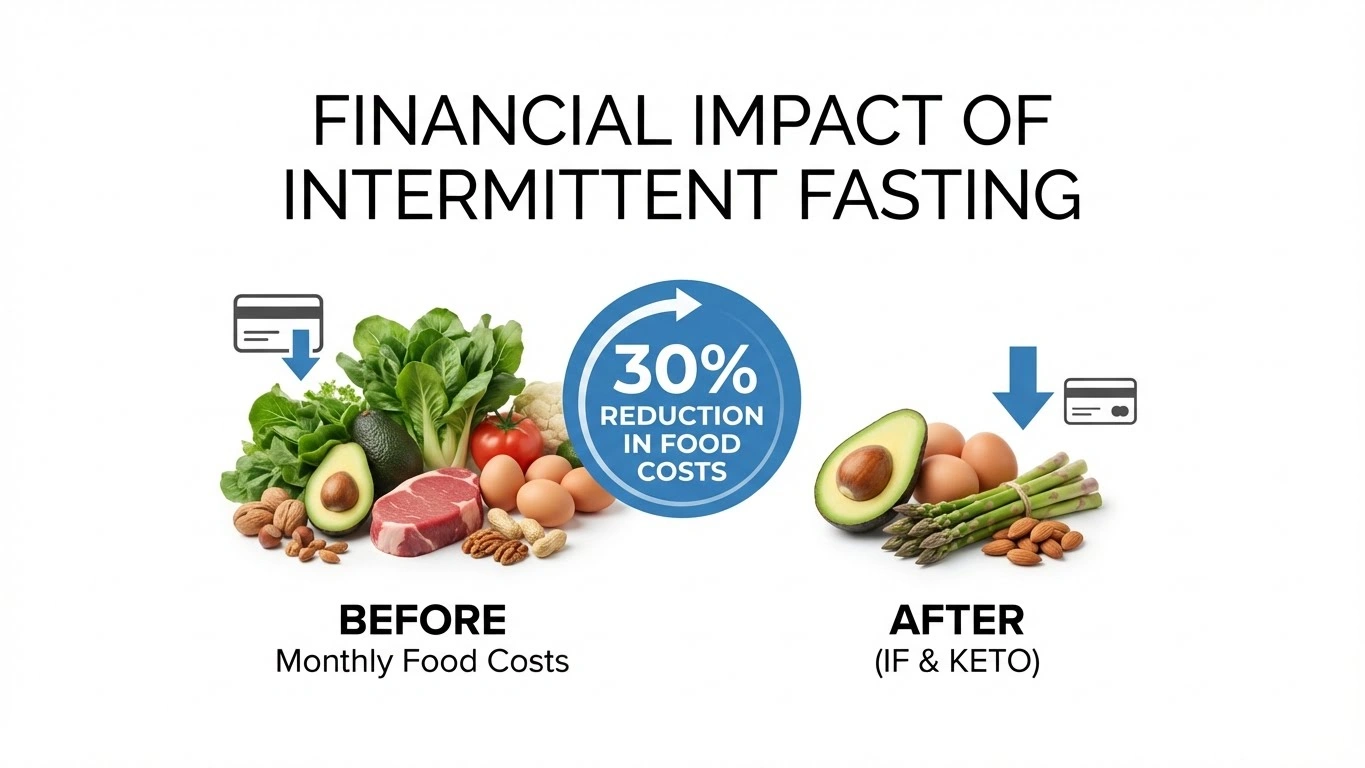
From a metabolic standpoint, IF facilitates deeper levels of ketosis by extending the periods of low insulin. From a financial standpoint, IF is the ultimate budget hack: if you skip breakfast, you have effectively reduced your monthly food expenses by up to 30% without sacrificing nutrient quality during your feeding window. Replacing a meal with water, black coffee, or plain tea is a zero-cost intervention with profound health benefits.
The Hierarchy of Shopping: Where to Buy
Knowing where to shop is just as important as knowing what to buy. Follow this hierarchy to maximize savings:
- Wholesale Clubs (Costco, Sam’s Club): Ideal for bulk purchases of cheese, nuts, and frozen meats.
- Discount Grocers (Aldi, Lidl): Often provide the lowest prices on staples like eggs, bacon, and heavy cream.
- Farmers’ Markets: Late-day visits can often yield deep discounts on seasonal, local produce.
Analytical 7-Day “Economic Ketosis” Menu
This menu is designed for a target of approximately 1,200–1,400 calories per day, focusing on a macronutrient split of 65% fat, 30% protein, and 5% net carbs.
| Day | Breakfast | Lunch | Dinner |
|---|---|---|---|
| Mon | 2 Scrambled Eggs with Butter | Leftover Chicken Cabbage Stir-fry | Bacon Cheeseburger Bowl (no bun) |
| Tue | Black Coffee / IF | Tuna Salad with Mayo in Lettuce Cups | Baked Chicken Thighs with Roasted Broccoli |
| Wed | 2 Hard-boiled Eggs | Leftover Bacon Cheeseburger Bowl | Ground Beef and Cabbage Stir-fry |
| Thu | Black Coffee / IF | Egg Salad on Celery Sticks | Slow-cooker Pork Shoulder with Greens |
| Fri | Omelet with Spinach and Cheese | Leftover Pork Shoulder | Canned Sardines with Avocado and Greens |
| Sat | Crustless Spinach and Onion Quiche | Chicken Thighs with Cauliflower Mash | Baked Tilapia with Garlic Butter Zucchini |
| Sun | Leftover Quiche | Cobb Salad (Egg, Bacon, Chicken, Greens) | Beef Meatballs with Spaghetti Squash |
Estimated Weekly Macros (Daily Average)
- Calories: 1,250 kcal
- Net Carbohydrates: 18g
- Protein: 92g
- Fat: 88g
Medical Considerations & Conclusion
Maximizing Results on a Budget
When transitioning to keto on a budget, patients must be vigilant about electrolyte management. The initial reduction in insulin levels causes the kidneys to excrete sodium, potassium, and magnesium at an accelerated rate. While expensive electrolyte supplements are available, the same clinical results can be achieved by adding salt to your food and consuming homemade bone broth or “lite” salt, which contains potassium.
Avoiding the “Convenience Trap”
The most significant threat to your keto grocery list budget is the purchase of pre-shredded vegetables or portioned meats. Pre-shredded cabbage or cauliflower rice can cost 300% more than the whole vegetable. Investing 10 minutes to chop these yourself is a high-return activity for your financial health. Similarly, block cheese is generally cheaper than shredded cheese and lacks the carbohydrate-heavy anti-caking agents like potato starch.
The Quality vs. Quantity Dilemma
In an ideal world, every patient would consume pasture-raised eggs and grass-fed butter. However, clinical studies show that the most important factor in health improvement is the removal of sugar and refined carbohydrates. If your budget only allows for “regular” eggs and conventional meat, these are still infinitely superior to a diet of processed grains and sugars. Affordable low-carb foods in their conventional form still provide the necessary biological building blocks for weight loss and metabolic repair.
Economic Benefits of the Ketogenic Lifestyle
- Reduced Satiety Signaling: Because fat and protein are more satiating than carbohydrates, most patients find they naturally consume fewer calories and have no desire to snack between meals. This “hunger suppression” leads to a direct reduction in food volume required.
- Decreased Medical Expenditures: Successful management of metabolic syndrome can lead to a reduced need for expensive medications for hypertension and Type 2 diabetes.
- Elimination of Liquid Calories: Water, the primary beverage of the keto diet, is free. Eliminating soda, fruit juices, and alcohol provides immediate and substantial savings.
Clinical Sustainability
Maintaining keto on a budget is an exercise in resource management and metabolic prioritization. By focusing on high-value staples like eggs, chicken thighs, ground beef, and cabbage, any patient can harness the transformative power of ketosis without financial hardship. The path to health is paved with simple, whole foods, not expensive supplements or gourmet ingredients.
As you move forward, remember that the most expensive food is the one that causes disease. Investing in affordable low-carb foods now is a preventative measure that pays dividends in both your bank account and your biological longevity.
Further Reading & Tools
A definitive list of pantry staples that align with the high-value proteins and healthy fats discussed.
Determine the exact calorie and macro targets needed for your specific body and budget goals.
An actionable extension to help organize your affordable ingredients into a sustainable routine.