
Top 10 essential keto foods to always keep in your pantry
Your complete guide to building a ketogenic lifestyle through strategic food selection — what to buy, why it works, and how to use it.
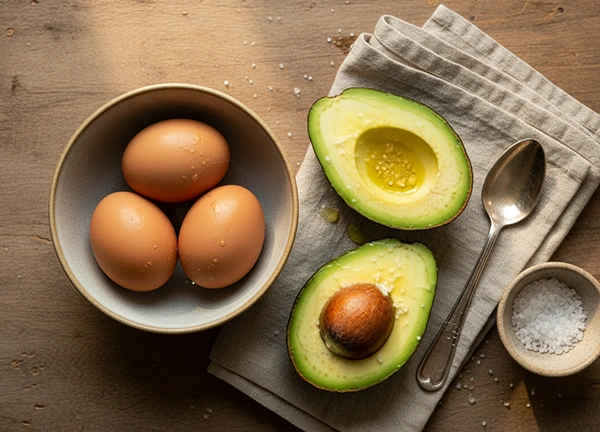
Introduction: building your keto pantry strategically
The ketogenic diet — defined by its high-fat, very low-carbohydrate, and moderate-protein macronutrient profile — necessitates a strategic approach to grocery shopping. For newcomers, navigating the shift away from traditional carbohydrate sources such as white flour, starchy vegetables, and sugary items can be challenging. However, careful planning and stocking your pantry with the right keto foods make adherence simpler and sustainable.
The foundation of a successful ketogenic diet lies in selecting nutrient-dense whole foods that facilitate the metabolic state of ketosis — where the body utilizes fat, rather than glucose, for energy. This guide provides an analytical overview of the ten keto foods that nutrition experts recommend as regulars on your shopping list, ensuring you maintain optimal nutrient intake and support long-term health goals.
The scientific rationale behind keto food selection
The standard ketogenic diet typically mandates consuming 70–80% of total daily calories from fat, 10–20% from protein, and only 5–10% from carbohydrates. This generally translates to limiting carbohydrate intake to approximately 20 to 50 grams per day. To successfully adhere to this restriction, focusing on low-carb, high-fat foods is paramount.
It is often helpful to track net carbs — calculated by subtracting the fiber content from total carbohydrates — as fiber is largely indigestible and does not fully contribute to the carbohydrate load. Choosing nutrient-rich ingredients helps mitigate the risk of deficiencies, particularly those related to fiber and B vitamins, which are abundant in many restricted high-carb foods like whole grains and legumes.
Quick reference: keto macro targets
Foundational keto foods: the top 10 must-haves
A well-stocked kitchen is the first step toward sustained success on a ketogenic regimen. These ten food categories provide the essential fats, proteins, and micronutrients required to support ketosis and general wellness.
Eggs: the protein powerhouse
Eggs are considered a staple in the ketogenic diet due to their negligible carbohydrate count and exceptional nutritional value.
Nutritional profile per 1 large egg:
Key benefits: eggs offer exceptional nutritional value and are an affordable source of protein and fat. They contain choline, an essential nutrient vital for brain development — particularly important for women of childbearing age. Eggs also promote satiety, helping to reduce appetite and manage energy levels effectively.
Clinical insight: concerns regarding dietary cholesterol from eggs have largely been mitigated by recent research, which suggests that consuming one egg per day is acceptable for most individuals. The yolk should be consumed, as it contains the antioxidants lutein and zeaxanthin, which protect eye health.
Avocados: the fiber-rich fruit
Avocados stand out as one of the few fruits low enough in sugar and high enough in fat to be central to a ketogenic diet. For a deeper look at fruit choices on keto, see our keto fruit medical guide.
Nutritional profile per ½ avocado:
Key benefits: avocados are rich in monounsaturated fats, promoting heart health, and are an excellent source of fiber, which aids in digestion and prolongs feelings of fullness. Half an avocado contains about 487 mg of potassium — roughly 10% of the recommended daily value — a mineral crucial for normalizing blood pressure and mitigating keto flu symptoms.
Usage: the neutral flavor makes avocados suitable for direct consumption, or inclusion in sauces, salads, and dressings. Regular consumption is linked to reducing levels of LDL (“bad”) cholesterol.
Fatty fish and seafood: omega-3 essentials
Fatty fish and most seafood are nearly carb-free and provide high-quality protein and essential fats, making them ideal keto foods.
Top choices: salmon, mackerel, sardines, tuna, shrimp, and crab.
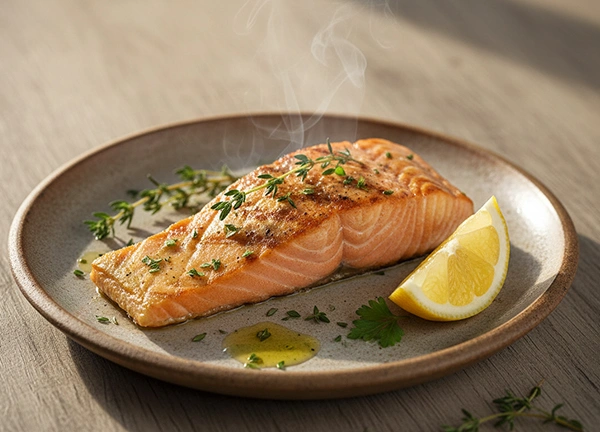
Key benefits: fatty fish are exceptionally rich in omega-3 fatty acids (DHA and EPA). Omega-3s are vital components of cell membranes, supporting better brain function, immunity, and cardiovascular health. Studies indicate that omega-3 intake may help lower insulin levels and improve insulin sensitivity.
Clinical insight: sardines are particularly valuable, offering high omega-3 levels with low mercury content, along with calcium and vitamin D that support bone health. When preparing seafood, avoid carb-heavy breading or added sugars.
Non-starchy vegetables: essential micronutrients and fiber
While the keto diet restricts starchy vegetables like potatoes and corn, non-starchy varieties are crucial for providing fiber, micronutrients, and antioxidants. See the full keto vegetables list ranked by net carbs for a comprehensive overview.
Best low net carb options:
- Leafy greens: spinach, kale, collard greens, and cabbage are packed with vitamin K and iron.
- Cruciferous vegetables: broccoli, cauliflower, and Brussels sprouts are high in fiber and micronutrients. Cauliflower is especially versatile — often used as a substitute for rice or mashed potatoes.
- Squashes and alternatives: zucchini (spiralized into “zoodles” to replace pasta) and summer squash are excellent low-carb options.
Gut health note: compounds in mushrooms (like portobello) stimulate the growth of healthy gut bacteria, promoting a balanced microbiome. Adequate fiber intake from these sources is crucial to prevent constipation and support gut health — which can be challenging on a carb-restrictive diet.
Nuts and seeds: healthy fats and satiety
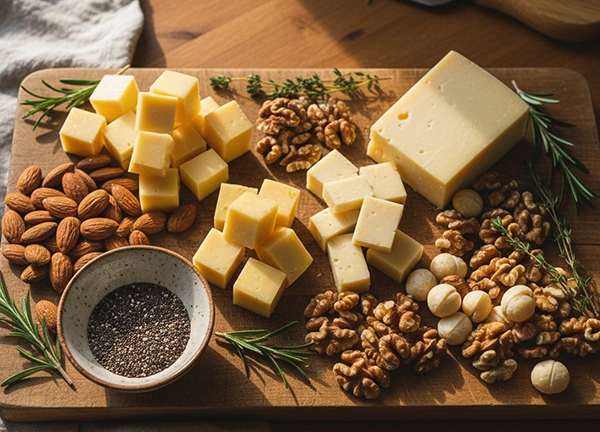
Nuts and seeds are excellent high-fat, low-carb options, providing plant protein, fiber, vitamins, and minerals including calcium and magnesium.
Recommended low-carb varieties: macadamia nuts, pili nuts, walnuts, pecans, almonds, chia seeds, and flaxseeds.
Key benefits: regular consumption is associated with a reduced risk of chronic conditions including heart disease and diabetes. Their high fiber content enhances satiety, potentially assisting with weight management.
Seeds spotlight: chia seeds are particularly rich in fiber (11g per ounce), aiding in fullness and linked to improved heart health and lower cholesterol.
⚠️ Portion control note: due to their high-calorie density and varying carbohydrate levels, portion control is essential. Cashews and pistachios are higher in carbs and may hinder weight loss for some individuals.
Cheese: high-fat, low-carb dairy
Cheese aligns perfectly with the keto diet as a naturally high-fat, low-carb food that also provides a good source of protein and calcium.
Keto cheese options: cheddar, blue cheese, mozzarella, Swiss, Colby, feta, halloumi, and cream cheese are generally very low in carbohydrates. Cheddar, Colby, and mozzarella are also lower-lactose varieties.
Key benefits: cheese is often made from simple ingredients — milk, salt, enzyme, bacteria. It is also a fermented food, acting as a source of probiotics that support a strong digestive system and overall health.
Consumption note: while cheese is rich in saturated fat, emerging research suggests that not all saturated fats are equal and some may promote heart health. Nonetheless, consumption should remain moderate, especially for those focused on weight loss, due to its calorie density.
Olive oil: the Mediterranean superfood

Olive oil is a healthy, carb-free fat source and a cornerstone of the Mediterranean dietary pattern, widely recommended for heart health.
Nutritional profile per 1 tablespoon:
Key benefits: olive oil is abundant in monounsaturated fats (oleic acid) and polyphenol antioxidants that combat inflammation and disease. Research links olive oil consumption to promoting heart health, managing blood pressure, and potentially protecting against certain cancers.
Recommendation: extra virgin olive oil (EVOO) is generally preferred because it is the least processed, containing higher concentrations of phenols which may offer enhanced antioxidant effects. EVOO is best used for low-heat cooking or as a base for salad dressings and marinades.
Meat and poultry: complete protein sources
Meat and poultry are zero-carb staples of the keto diet, providing high-quality protein necessary for maintaining muscle mass — especially important during weight loss. See our guide on how much protein to eat on keto to calibrate your intake correctly.
Zero-carb options: beef, chicken, pork, turkey, lamb, and venison.
Key benefits: fresh meat and poultry are rich sources of essential nutrients including B vitamins, iron, zinc, and selenium. Choosing fattier cuts — such as chicken thighs or sirloin steak — helps meet the high-fat macronutrient targets of the diet.
Processed meat caution: while processed meats like bacon or some sausages are low-carb, they should be consumed in moderation. High consumption may be linked to health conditions including heart disease and type 2 diabetes. Grass-fed meat is often preferred as it contains more omega-3 fats and conjugated linoleic acid (CLA).
Berries: the low-carb fruit allowance
Although most fruits are restricted due to high sugar content, berries are a notable exception on a ketogenic diet.
Best low-carb berries: raspberries and strawberries are the lowest in net carbs. Blackberries and blueberries can be included but contain slightly more carbohydrates. For a full breakdown, see our keto fruit guide.
Key benefits: berries are rich in antioxidants — including anthocyanins and ellagitannins — that help reduce inflammation and protect against cell damage. They also contain fiber, which helps enhance satiety.
Portion management: berries should still be consumed in measured, small quantities to ensure carb limits are maintained. Consider mixing them into high-fat dairy or using as a dessert topping rather than eating by the handful.
Butter and ghee: pure fat for fuel
Butter and ghee (clarified butter) are valuable keto foods because they are essentially pure fat sources with virtually no carbohydrates.
Nutritional profile per 100g butter:
Ghee specifics: ghee is made by heating butter and removing milk solids, resulting in a carb-free product commonly used in cooking. It contains butyric acid — a short-chain fatty acid that supports the gut’s endothelial cells.
Usage: excellent for cooking eggs, fish, and meats. They can also be added to coffee or smoothies — for example, as the fat component in Bulletproof Coffee (BPC) — to increase fat intake and energy levels quickly.
Maximizing nutritional balance with low-carb plant foods
While fat is the primary energy source, achieving long-term health on the ketogenic diet requires diligence in consuming sufficient micronutrients and fiber. Many individuals on keto risk falling short of the recommended daily fiber intake (28g per day) and certain micronutrients including calcium and B vitamins.
The importance of fiber and gut health
Fiber, found in low-carb plants, stays longer in the digestive system, contributing to fullness and supporting better heart health, lower cholesterol, and a reduced risk of colorectal cancer.
High-fiber keto sources:
- Chia seeds: an excellent source — 11g of fiber per ounce.
- Avocados: provide substantial fiber (6.75g per half avocado).
- Non-starchy vegetables: zucchini, broccoli, and leafy greens contribute volume and essential fiber with minimal net carbs.
- Nuts and seeds: these offer significant fiber and are linked to reducing chronic disease risk.
Dairy and alternative sources of essential nutrients
Dairy products are reliable sources of protein and calcium. To maintain low-carb intake, opt for full-fat, unsweetened options.
Plain Greek yogurt and cottage cheese: these are high in protein (which helps reduce appetite) and provide beneficial probiotics. Plain Greek yogurt (7oz) contains about 8g of carbs and 20g of protein.
Plant-based milk alternatives: dairy milk contains high amounts of natural carbohydrates (lactose). Unsweetened varieties of almond milk, coconut milk, and soy milk are keto-friendly. Soy milk is often fortified with calcium and offers a higher protein content than many other plant-based substitutes. Oat milk is generally considered too high in carbs — even in unsweetened versions — and should be avoided.
Incorporating healthy fats and oils into your keto diet
Fats constitute the majority of caloric intake on a ketogenic diet, providing the necessary fuel for ketosis. The quality and type of fat consumed are vital for cardiovascular health. Use a free keto macros calculator to determine your exact daily fat target.
Prioritizing plant-based oils
Unsaturated fats — particularly monounsaturated and polyunsaturated varieties — are recommended over excessive saturated fats found in processed meats and certain dairy, as they may reduce cardiovascular risk and mediate inflammation.
- Avocado oil: a pure fat source with no carbs, stable for cooking at high heat, and high in monounsaturated fats.
- Coconut oil: high in saturated fat but contains medium-chain triglycerides (MCTs). MCTs are processed directly by the liver, potentially leading to instant energy and enhanced ketone production.
- Extra virgin olive oil (EVOO): excellent for flavor, dressings, and heart health.
- Fats to limit: high omega-6 oils such as vegetable oil, canola oil, soybean oil, and sunflower oil should be minimized.
Utilizing specific fat sources for ketosis and energy
Beyond cooking oils, certain pure fats can significantly contribute to sustaining ketosis.
- MCT oil/powder: these supplements provide concentrated MCTs — often C8 caprylic acid — which are highly ketogenic and support energy optimization. They are the key active ingredient in Bulletproof Coffee.
- Fat bombs: homemade snacks rich in quality saturated fats like coconut oil, macadamia nuts, ghee, and MCT oil — designed to be high-fat, low-carb treats that support lasting energy between meals.
Strategic stocking and meal preparation for keto beginners
Successful adherence to the ketogenic diet, especially for beginners, depends heavily on preparation. By adopting smart shopping and storage strategies, one can maintain a diverse and satisfying intake of approved keto foods. If budget is a concern, our keto on a budget guide offers practical strategies for eating keto without overspending.
Mastering your keto grocery list
Beginners should focus on acquiring staples in bulk — particularly non-perishable keto foods — to save money and ensure ingredients are always available.
- Baking essentials: replace traditional high-carb flours with low-carb alternatives like almond flour (1g net carb per tbsp) and coconut flour (4g net carbs per tbsp).
- Shelf-stable proteins: canned fish (sardines, salmon, tuna) offer high omega-3 content and long shelf life. Unsweetened beef jerky or meat sticks are portable, zero-carb snack options.
- Keto carbohydrate substitutes: for those missing pasta, stock up on shirataki noodles (konjac noodles) or kelp noodles, which contain almost zero net carbs and are high in glucomannan fiber. Zucchini noodles (zoodles) are an excellent fresh substitute.
- Condiments and flavorings: many common condiments contain hidden sugars. Stock up on: mayonnaise (made without soybean or canola oil), mustard (non-honey versions), vinegars (especially apple cider vinegar, which may positively affect insulin sensitivity), and sugar-free ketchup or BBQ sauce.
Decoding food labels and avoiding hidden carbs
Maintaining the strict low-carb limit requires meticulous attention to food labels, particularly for processed or packaged items.
- Calculate net carbs: focus on the nutritional facts panel and calculate net carbs (total carbs minus fiber).
- Scrutinize ingredients: use the ingredient list to identify added sugars, even in seemingly healthy products. Avoid products labeled “low-fat” or “diet,” as they often replace fat with added sugars.
- Choose appropriate sweeteners: use low-carb, non-impact sweeteners like monk fruit (0g net carbs) or stevia (0g net carbs). Erythritol is also an acceptable substitute.
- Dark chocolate selection: if consuming chocolate, choose dark chocolate with a minimum of 70% cocoa solids to minimize sugar content and maximize antioxidant (flavanol) benefits.
Key considerations and potential pitfalls of the keto diet
While the ketogenic diet shows potential benefits for weight loss, blood sugar management, and specific neurological conditions, it is highly restrictive and presents several challenges for beginners.
Managing the transition phase: the keto flu
The shift into ketosis can lead to temporary side effects commonly referred to as the “keto flu” — characterized by symptoms such as fatigue, dizziness, and headache.
- Hydration and electrolytes: these symptoms are often linked to water loss through increased urination. Adequate hydration and replenishment of essential electrolytes — specifically sodium, potassium, and magnesium — are critical. See our full guide on optimizing keto electrolytes and hydration.
- Potassium sources: avocados (487mg per half), spinach, and mushrooms are excellent natural sources of potassium on keto.
Addressing potential nutrient deficiencies
The restriction of grains and many fruits necessitates intentional consumption of nutrient-dense keto foods to prevent long-term deficiencies.
- Fiber: incorporate high-fiber, low-carb options like avocados, chia seeds, and non-starchy vegetables daily to support digestive health and prevent constipation.
- B vitamins: meat, poultry, seafood (especially salmon), and eggs are crucial sources of B vitamins — including B12 — that might otherwise be missed by excluding whole grains.
The importance of professional guidance
The ketogenic diet is not a one-size-fits-all solution, and its long-term effects on overall health are not fully understood. Certain populations — such as breastfeeding women and individuals on medication for diabetes or hypertension — must avoid ketosis or seek medical supervision prior to starting.
- Consultation is key: consulting a healthcare provider or registered dietitian nutritionist (RDN) is highly recommended. An RDN can tailor your intake of keto foods to meet individual nutritional needs, mitigate side effects, and optimize macronutrient ratios for specific goals.
- Moderation in calorie-dense keto foods: an RDN can also help monitor intake of calorie-dense, low-carb staples like cheese, nuts, and oils, as unrestricted consumption can impede weight loss progress.
Conclusion: stocking for sustainable success
Achieving metabolic ketosis and reaping the potential benefits of the ketogenic diet — such as enhanced weight management and stable blood glucose — requires discipline and, most importantly, preparation. By consistently stocking your pantry and refrigerator with these ten essential keto foods — high-fat proteins, healthy oils, and low-carb plant sources — you establish a reliable foundation for adherence, minimize cravings, and ensure your body receives crucial nutrients.
A thoughtful selection of whole, nutrient-dense keto foods is the definitive strategy for turning this restrictive dietary pattern into a satisfying and sustainable lifestyle change. Think of your pantry as a tailored fuel station: stocking it correctly means you are always prepared to power your body with the clean fat sources it needs.
Quick-reference: the top 10 keto pantry staples
Further Reading & Keto Tools
Complete visual guide to every keto vegetable — stratified into Always Eat, Moderate, Limit, and Avoid groups.
Calculate your exact daily fat, protein, and carb targets to ensure your pantry supports your specific goals.
Understand the transition phase and how the right foods help you avoid fatigue, headaches, and cramps.
Avoid muscle loss and gluconeogenesis — learn how to calibrate protein intake precisely.
Stock your keto pantry strategically without overspending — practical shopping tips for every budget.
Put your butter and MCT oil to work — learn how to make the most popular keto morning drink.
Explore More Keto Foods & Diet Resources
For additional information, shopping lists, and comprehensive guides on keto foods and the ketogenic diet, check out these excellent resources: