
Free keto calculator for runners
Endurance runners need balanced macros. This keto calculator for runners adjusts electrolytes and calories for long-distance performance.
Fueling Endurance Without Carbs
Running on keto is different than sedentary keto. Endurance athletes burn through fuel faster and have higher demands for muscle repair and electrolyte balance. Standard keto macros often lead runners to “bonk” or feel sluggish.
Our specialized keto calculator for runners accounts for your high activity level. It ensures you get enough protein for recovery and adequate energy from fat to sustain long distances without relying on glucose.

👇 Use the Keto Calculator for Runners
Find your baseline for performance and recovery.
Your Endurance Plan
Daily Target Calories
0
kcal / day
The Guide to Running on Keto
Using a keto calculator for runners is the first step to becoming a “fat-adapted” athlete. Once adapted, your body taps into its massive stores of body fat for fuel, providing a virtually limitless energy source for long runs without the need for constant sugary gels. If you are focused on weight loss only, check out our Weight Loss Keto Calculator.
1. The Adaptation Phase (The “Bonk”)
Be warned: performance usually dips in the first 4-6 weeks. Your body is re-learning how to use fuel. Don’t schedule a marathon during this phase. Stick to low-intensity running until your energy returns. You can read more about keto adaptation for athletes on Healthline.
2. Protein is Key for Recovery
Runners need more protein than sedentary keto dieters to repair muscle damage from pounding the pavement. Our calculator ensures your protein intake is sufficient to prevent muscle loss while still keeping insulin low enough for ketosis.
3. Targeted Keto (TKD)
For intense speedwork or races over 90 minutes, some runners use “Targeted Keto.” This involves consuming 20-30g of fast-digesting carbs (like dextrose) 30 minutes *before* a hard run. This burns off during the workout and doesn’t ruin long-term ketosis.
⚠️ The rule: electrolytes
On keto, your kidneys flush out water and essential minerals. When you add sweating from running, you are at high risk for cramping, fatigue, and the “keto flu.”
You MUST supplement with:
- Sodium: Drink salty water or broth before a long run.
- Potassium: Use “lite salt” (potassium chloride) on food.
- Magnesium: Take a supplement at night to prevent leg cramps.
Sample High-Energy Runner’s Menu
Here is an example day based on the higher calorie needs calculated by our keto calculator for runners:
- Pre-Run (if needed): Black coffee with MCT oil, or salt stick caps and water.
- Breakfast (Post-Run): 4 eggs scrambled with spinach, cooked in generous butter, side of avocado.
- Lunch: Fatty steak (ribeye) with a large side of roasted broccoli drenched in olive oil.
- Snack: Macadamia nuts (high fat, low carb) heavily salted.
Frequently Asked Questions
Will running kick me out of ketosis?
No. In fact, high-intensity running depletes muscle glycogen rapidly, which can help you get *back* into ketosis faster if you’ve had a higher carb day.
Do I need carb gels for a marathon?
Once fully fat-adapted, many runners complete marathons on water and electrolytes alone. However, some prefer the Targeted Keto approach mentioned above for peak race performance.
I’m losing weight too fast. What do I do?
Running burns significant calories. If you are losing weight when you want to maintain performance, you must increase your fat intake. Add more olive oil to salads or butter to your veggies.
Latest articles
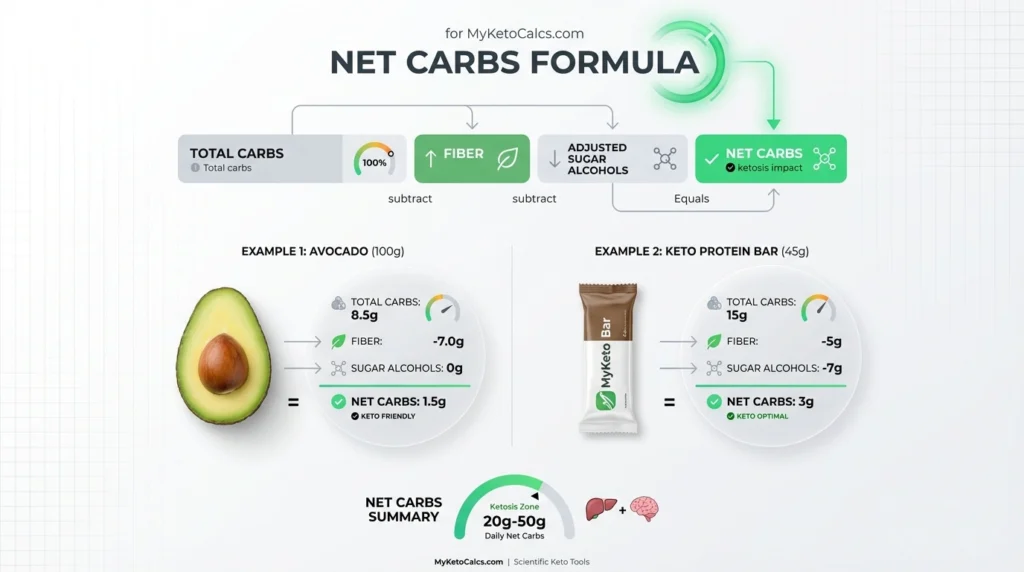
Net Carbs vs Total Carbs: What Matters for Keto?
Net Carbs vs. Total Carbs: the Science + Calculator Tool | MyKetoCalcs Clinical Metabolic Guide…
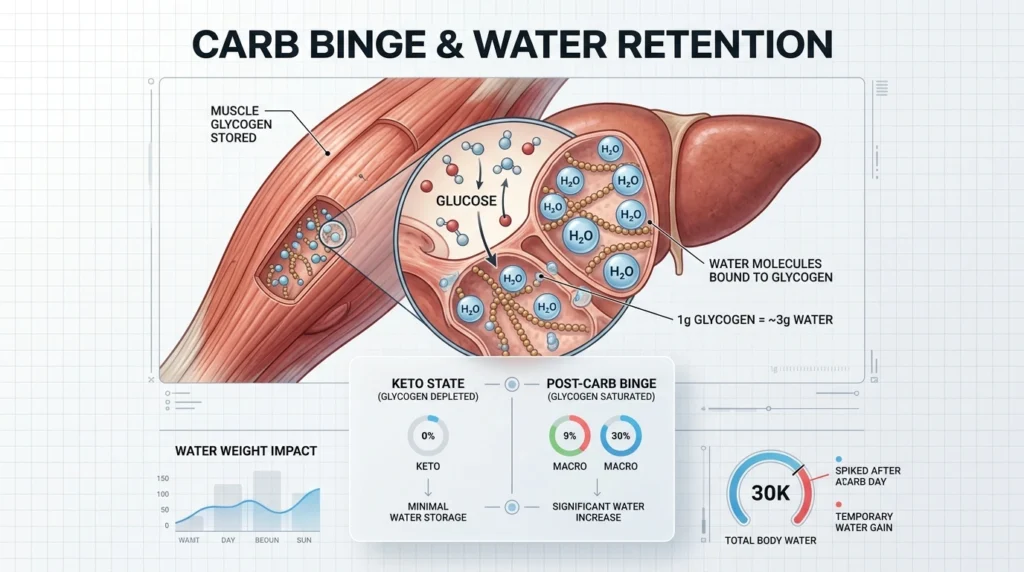
Getting Back Into Ketosis: Scientific Carb Recovery Guide
Scientific Recovery Guide Getting back into ketosis: the scientific guide to recovering after a carb…
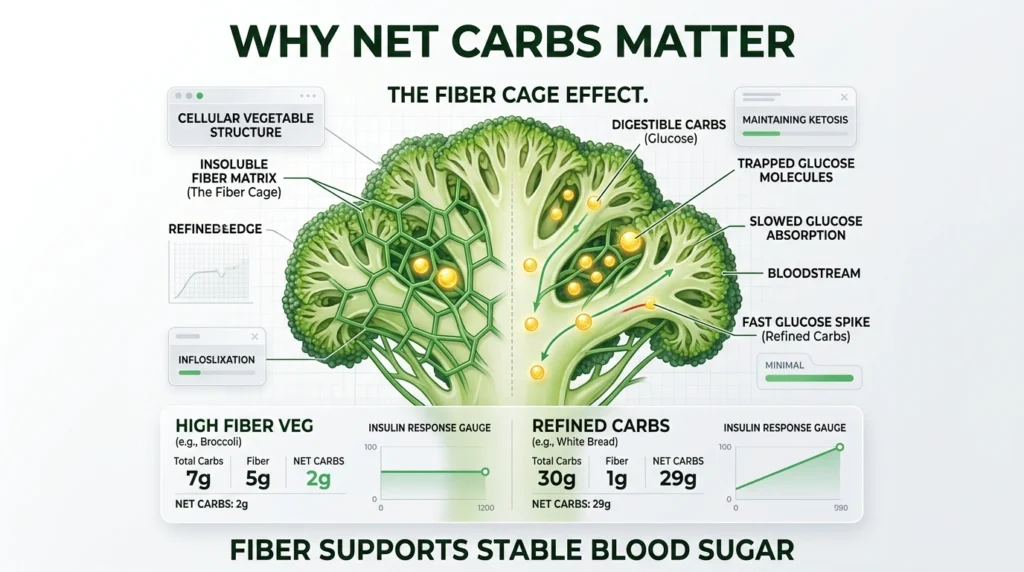
Low Carb Vegetables: Scientific Keto Guide & Metabolic Matrix
Definitive Metabolic Database Low Carb Vegetables: The Definitive Database and Metabolic Guide Prioritize non-starchy, above-ground…
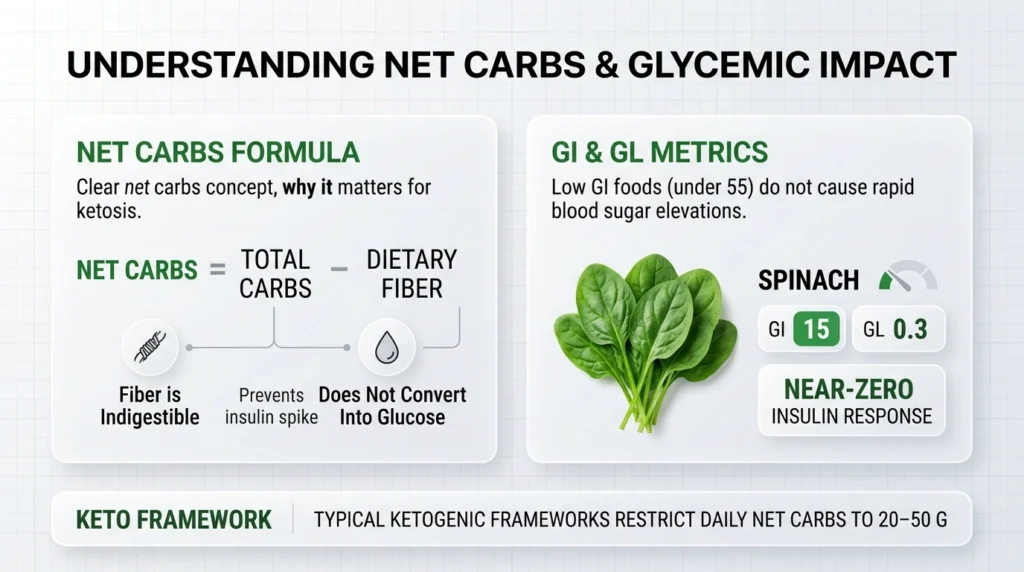
Is Spinach Keto? Net Carbs, GI/GL, and Keto Adaptation
Metabolic Analysis Is spinach keto? A metabolic analysis of 15 leafy greens Spinach contains only…
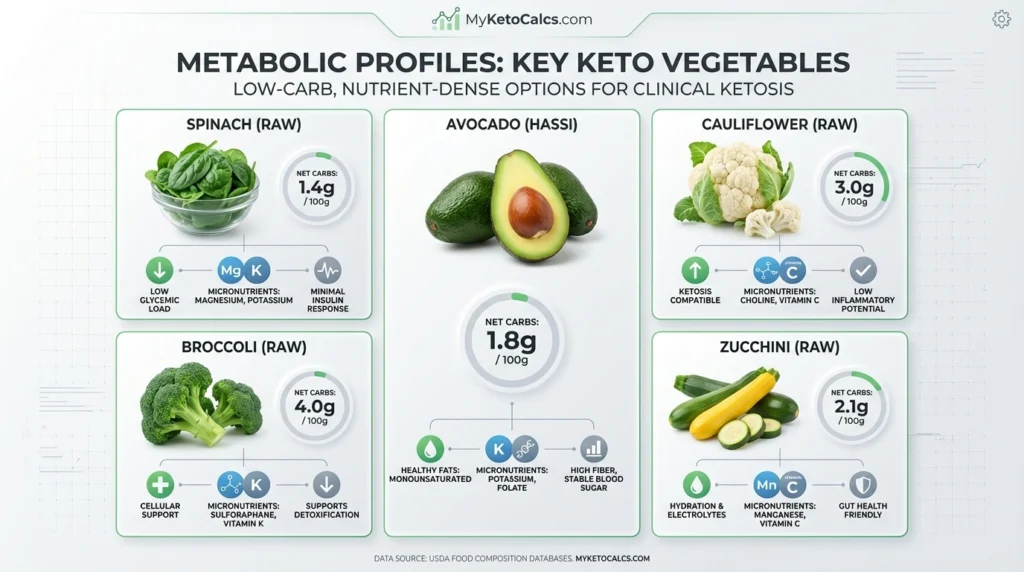
Keto Friendly Vegetables: 50+ Low Net Carb Options
Ultimate Clinical Database Ultimate guide to keto friendly vegetables: 50+ options sorted by carb count…
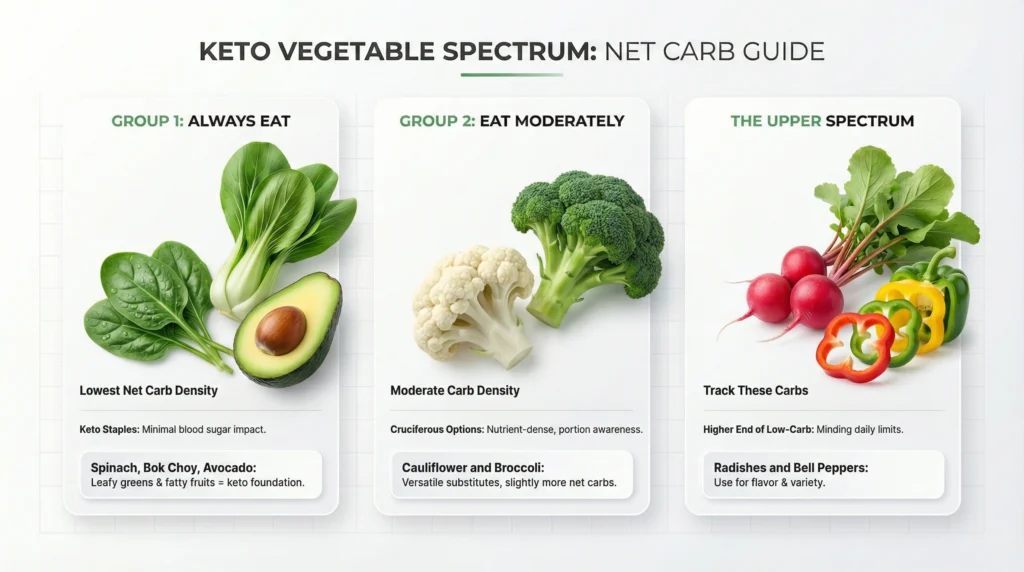
Keto Vegetables List: The Ultimate Visual Guide to Net Carbs
Clinical Visual Guide Keto vegetables list: the complete visual guide (ranked by net carbs) Optimize…