
Ketosis vs. Ketoacidosis: Understanding the Critical Differences for Your Health
In the world of metabolic health and low-carbohydrate nutrition, few topics generate as much unnecessary fear and confusion as the comparison between ketosis vs. ketoacidosis. For patients exploring the ketogenic diet for weight loss or metabolic therapy, distinguishing between these two states is vital. While they sound similar and both involve the production of ketones, they are fundamentally different physiological realities.
One is a natural, adaptive survival mechanism that humans have utilized for millennia; the other is a life-threatening medical emergency driven by a specific hormonal failure.
This article provides a comprehensive, analytical breakdown of ketosis vs. ketoacidosis, examining the biochemical mechanisms, blood markers, and clinical implications of each. By understanding the science, you can confidently navigate your health journey without the anxiety that often stems from misinformation.
The Fundamental Distinction: Physiology vs. Pathology
To understand the difference between ketosis and ketoacidosis, we must first define the metabolic context in which they occur. The human body is designed to be metabolically flexible, capable of switching fuel sources based on availability.
Nutritional ketosis is a controlled, physiological state. It occurs when carbohydrate intake is restricted (or during fasting), prompting the body to switch from using glucose as its primary fuel to using fat. The liver converts fatty acids into ketone bodies—specifically acetoacetate, beta-hydroxybutyrate (BHB), and acetone—which serve as a clean, efficient energy source for the brain and muscles. In this state, the body functions normally, blood pH remains stable, and insulin levels are low but sufficient to regulate ketone production.
In stark contrast, diabetic ketoacidosis (DKA) is a pathological state of uncontrolled metabolic chaos. It predominantly affects individuals with Type 1 diabetes (and rarely late-stage Type 2 diabetes) who suffer from an absolute deficiency of insulin. Without insulin, the body cannot use glucose, leading to a runaway release of fatty acids and an overproduction of ketones to toxic levels. This overwhelms the body’s buffering systems, causing the blood to become dangerously acidic.
What is Nutritional Ketosis? A Safe Metabolic Adaptation
Nutritional ketosis is not a malfunction; it is an evolutionary adaptation that allowed our ancestors to survive periods of food scarcity. When you adopt a keto diet, you are essentially mimicking this fasting state while still consuming adequate calories from fat and protein.
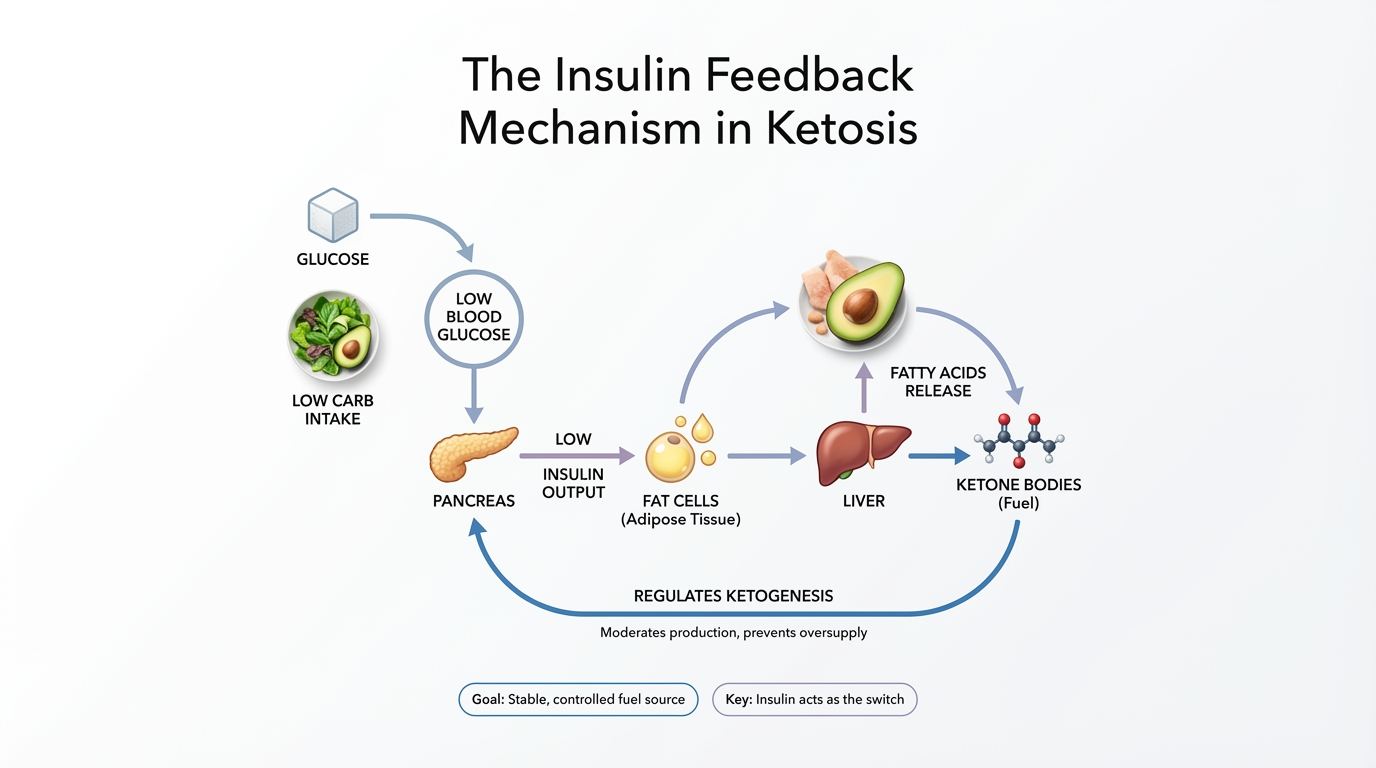
The Mechanism of Control
The defining characteristic of nutritional ketosis is that it is regulated. Even when carbohydrate intake is very low, a healthy pancreas continues to secrete small, baseline amounts of insulin. This low level of insulin is crucial because insulin inhibits lipolysis (the breakdown of fat).
This creates a negative feedback loop:
- Ketones rise to provide energy.
- The presence of ketones and the baseline insulin prevents the release of excessive fatty acids from fat stores.
- Ketone production is capped at a safe ceiling, typically well below 5 mmol/L.
Normal Ranges and Benefits
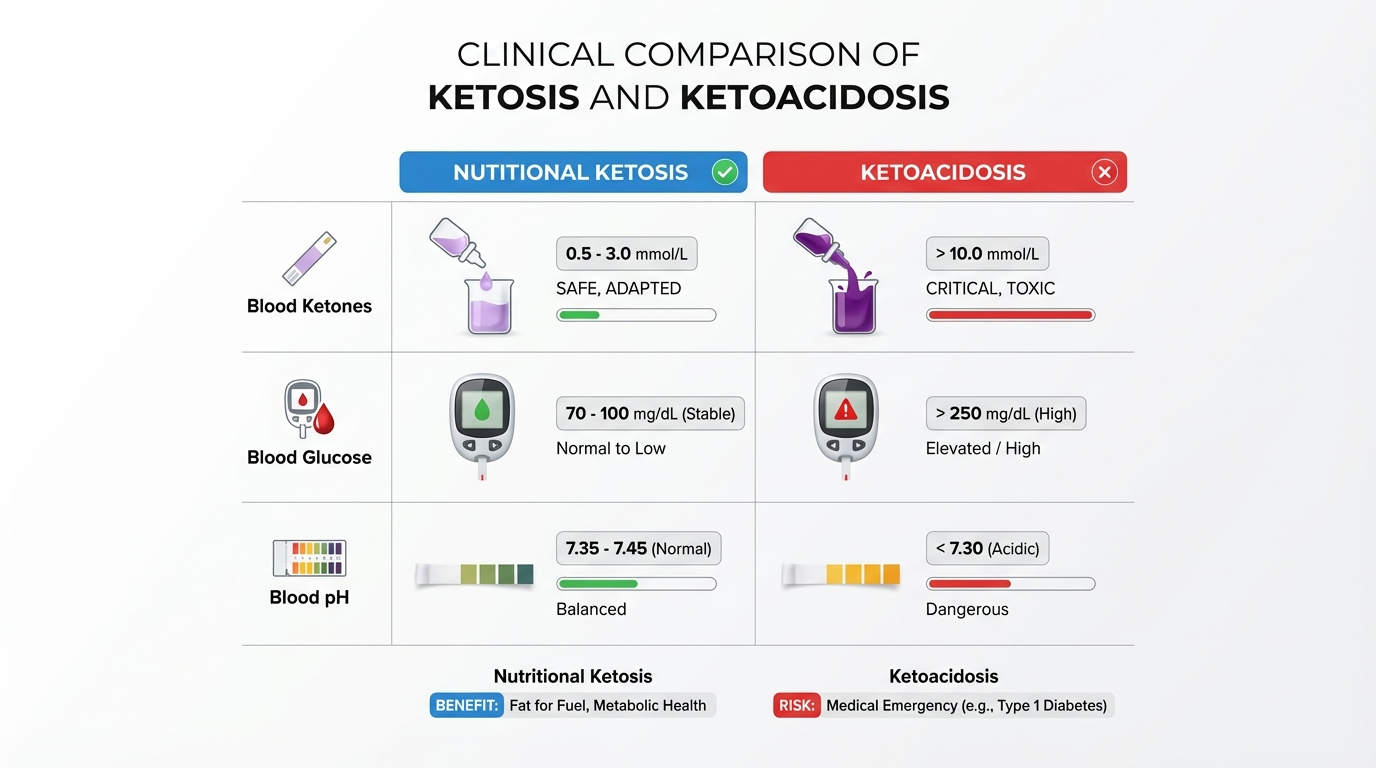
In a state of nutritional ketosis safe for healthy individuals, blood ketone levels generally fall between 0.5 and 3.0 mmol/L. This range is considered the “sweet spot” for maximum fat burning and cognitive benefits without posing a risk to the body’s acid-base balance.
Key characteristics of nutritional ketosis include controlled ketones (rarely exceeding 3–5 mmol/L), stable blood pH (slightly alkaline 7.35–7.45), and normal or low-normal glucose levels (65–90 mg/dL).
👇 Achieve Metabolic Precision
Calculate your macros to stay within the physiological range of 0.5–3.0 mmol/L mentioned in the article.
Daily Target
0
kcal / day
0g
0g
20g
What is Diabetic Ketoacidosis (DKA)? A Medical Emergency
Diabetic ketoacidosis is a critical complication that arises not from diet, but from a profound lack of insulin. It is most commonly associated with the onset of Type 1 diabetes or missed insulin doses in diagnosed patients.
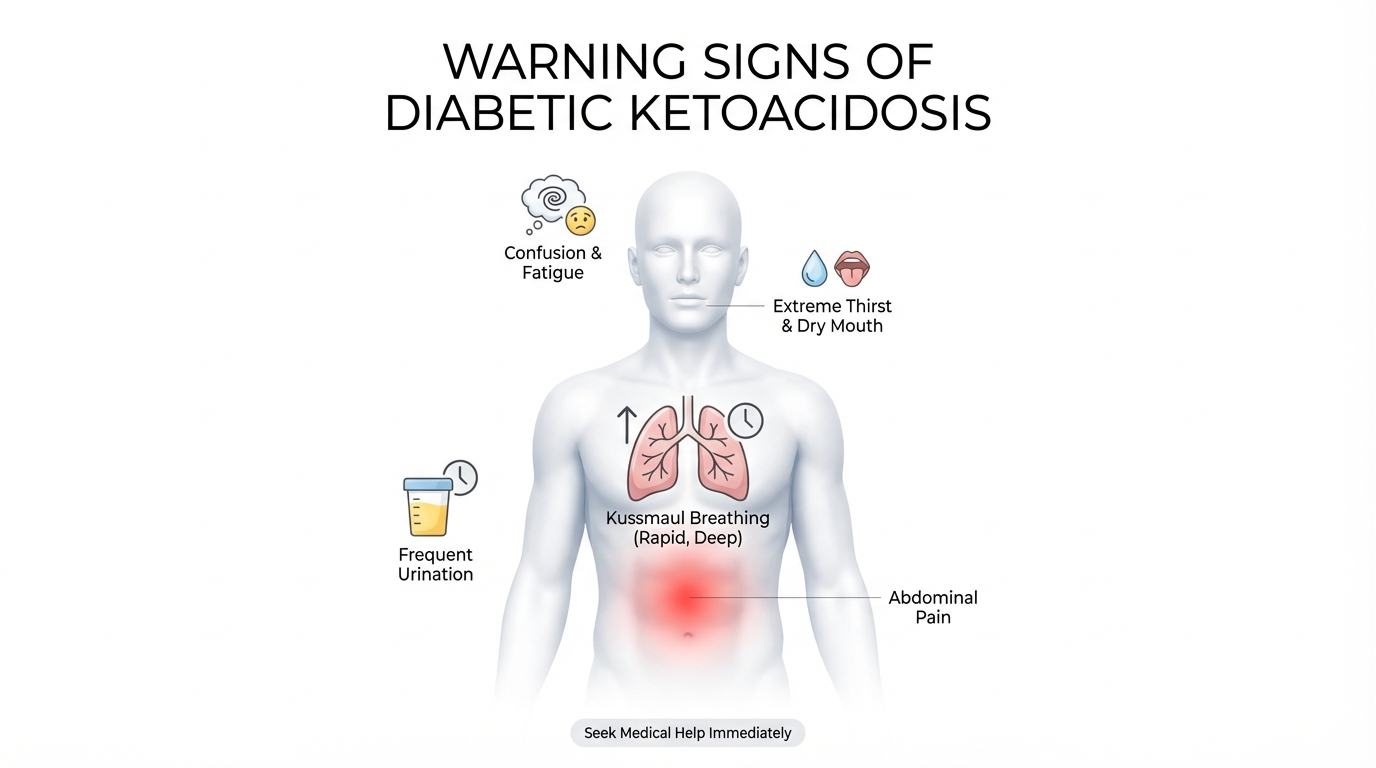
The Acid Crisis: As ketones accumulate rapidly, they dissociate and release protons into the bloodstream. In nutritional ketosis, the body handles this easily. In DKA, the sheer volume of ketones depletes the body’s bicarbonate reserves. The blood turns acidic (metabolic acidosis), which impairs enzyme function, oxygen transport, and organ health.
- Runaway ketones: Levels often skyrocket above 10–25 mmol/L.
- Acidic blood: Blood pH drops below 7.3.
- Hyperglycemia: Blood glucose is typically extremely high (>250 mg/dL).
Ketosis vs. Ketoacidosis: A Comprehensive Comparison
| Feature | Nutritional Ketosis | Diabetic Ketoacidosis |
|---|---|---|
| Primary Cause | Carb restriction, fasting. | Absolute insulin deficiency. |
| Ketone Levels | 0.5 – 3.0 mmol/L. | > 10 mmol/L. |
| Blood Glucose | Normal/Stable. | Very high (>250 mg/dL). |
| Blood pH | Normal (7.35 – 7.45). | Acidic (< 7.30). |
| Symptom Profile | Energy, clarity. | Vomiting, gasping, confusion. |
Identifying the Symptoms: Keto Flu vs. DKA
Beginners often confuse “Keto Flu” with DKA. Distinguishing these signs is essential for peace of mind.
Symptoms of Nutritional Ketosis (Keto Flu)
- Mild fatigue and headaches.
- “Keto breath” (fruity taste).
- Increased thirst and urination.
Symptoms of DKA (Warning Signs)
- Nausea and vomiting (rare in normal ketosis).
- Abdominal pain.
- Kussmaul breathing (deep, gasping breaths).
- Extreme thirst despite dehydration.
Measuring Your Levels: What do the Numbers Mean?
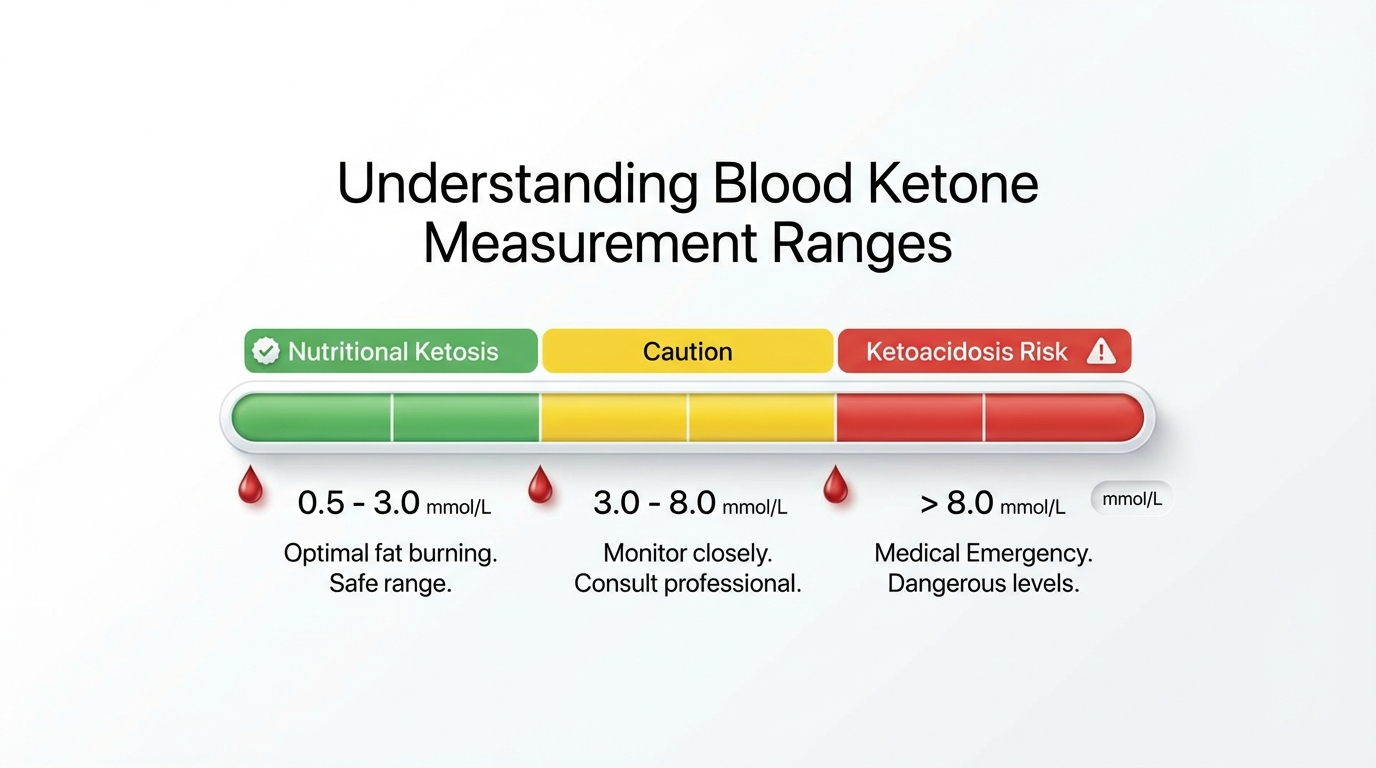
Understanding your readings is the best way to objectively see the difference:
- 0.5 – 1.5 mmol/L: Light nutritional ketosis.
- 1.5 – 3.0 mmol/L: Optimal nutritional ketosis zone.
- 8.0 – 10.0+ mmol/L: The danger zone indicating failure of insulin regulation.
The Biochemistry of Safety: The Insulin Feedback Loop
To deeply understand why nutritional ketosis safe protocols work, we must appreciate the elegance of the human liver. In a state of nutritional ketosis, the liver performs a balancing act. It mobilizes fatty acids for fuel but is constantly checked by the small amount of insulin circulating in the blood. When ketone levels rise, they can stimulate a minor release of insulin, which slightly dampens the release of fatty acids from adipose tissue.
In DKA, this check-and-balance system is absent. The result is an overflow of acetyl-CoA that overwhelms the Krebs cycle, forcing the liver to churn out ketones uncontrollably. This biochemical distinction confirms that ketosis vs. ketoacidosis are different metabolic paradigms—one regulated, one broken.
Further Reading & Tools
A deeper dive into how diabetics specifically should manage a ketogenic lifestyle without medical risk.
🧮 Free Keto Macros Calculator: Achieve Metabolic PrecisionStay within the physiological range of 0.5–3.0 mmol/L mentioned in the article.
🧂 Keto Flu: Symptoms, Causes, Duration & Electrolyte FixPractical steps to resolve benign adaptation symptoms and achieve peace of mind.