
Top 20 Low-Carb Keto Vegetables: The Ultimate Visual Guide for Your Grocery List
A comprehensive strategy to optimize your ketosis while preventing nutrient deficiencies often associated with poorly formulated low-carb diets.
In clinical nutrition, the success of a metabolic intervention like the ketogenic diet relies heavily on the quality of micronutrient intake rather than just the restriction of macronutrients. While many patients perceive a low-carbohydrate protocol as a “meat-heavy” regimen, the integration of specific keto vegetables is non-negotiable for maintaining electrolyte balance, supporting the gut microbiome, and ensuring long-term health.
The Clinical Importance of Non-Starchy Vegetables in Ketosis
From a physiological standpoint, keto vegetables act as essential vehicles for both dietary fiber and vital minerals such as magnesium and potassium. On a standard ketogenic diet, where carbohydrate intake is typically restricted to 20–50 grams of net carbs per day, choosing the best vegetables for keto becomes a strategic necessity. These vegetables are primarily non-starchy, meaning they have a high water content and a low glycemic load, which minimizes the insulin response and allows the body to remain in a state of fat-burning.
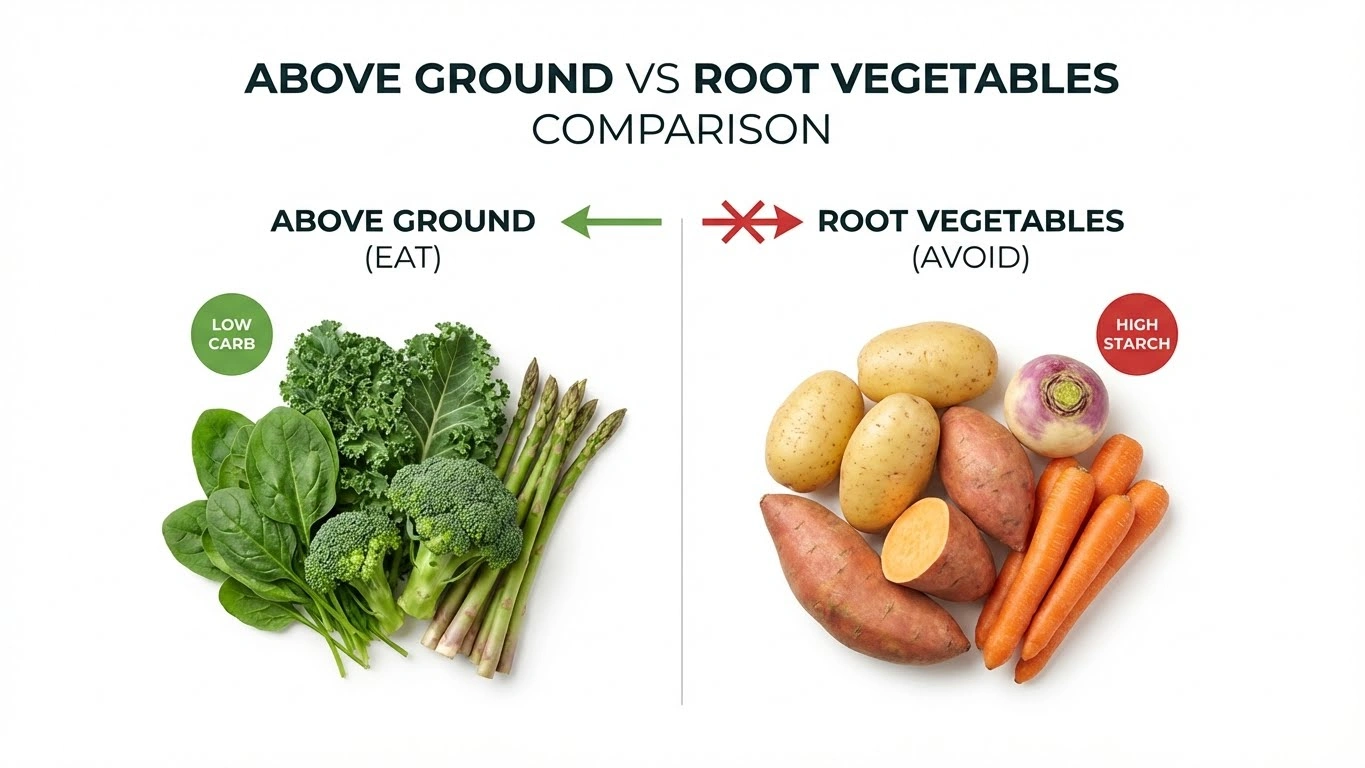
The “Above-Ground Rule”
The “above-ground rule” is a fundamental principle used in clinical settings: vegetables that grow above the soil are generally lower in starch and sugar, whereas root vegetables—which grow underground—serve as energy storage units for the plant and are therefore much denser in carbohydrates. By focusing on leafy greens and cruciferous varieties, patients can maximize their volume of food without exceeding their daily metabolic threshold.
Understanding Net Carbs: The “Fiber Cage” Concept
To accurately implement a lowest carb veggies list into your daily routine, you must understand the distinction between total and net carbohydrates. Net carbohydrates represent the portion of the plant that is actually digested and absorbed into the bloodstream. In the medical community, fiber is viewed as a “cage” or a dense matrix that traps glucose molecules, slowing their release and preventing dangerous blood sugar spikes.
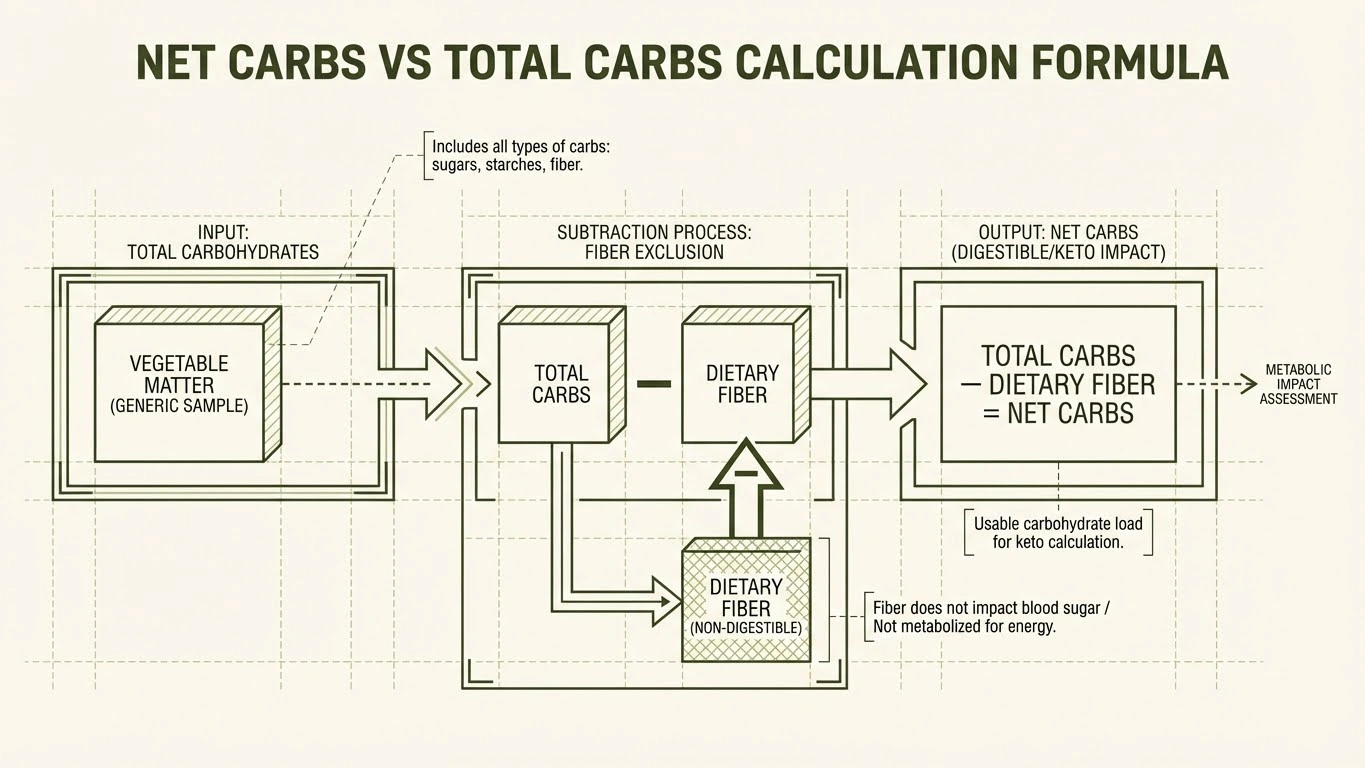
Because the human digestive system lacks the enzymes to break down certain types of dietary fiber, these carbs do not contribute to caloric load or insulin secretion. Therefore, to calculate your daily intake, you subtract the grams of fiber from the total carbohydrate count. This allows for a much more varied and sustainable diet while maintaining a therapeutic state of ketosis.
Master Data Table: Top 20 Keto Vegetables Ranked by Net Carbs
This sortable dataset provides the exact nutritional values for the best vegetables for keto, allowing you to plan your grocery list with medical precision. All values are calculated based on a standard 100g (approx. 3.5 oz) raw serving size to ensure accuracy.
| Vegetable Name | Group | Total Carbs (g) | Fiber (g) | Net Carbs (g) | Key Micronutrient |
|---|---|---|---|---|---|
| Spinach | Leafy green | 3.6 | 2.2 | 1.4 | Iron & vitamin K |
| Bok choy | Leafy green | 2.1 | 1.0 | 1.1 | Vitamin A |
| Arugula (rocket) | Leafy green | 3.6 | 1.6 | 2.0 | Folate |
| Lettuce (Iceberg/Romaine) | Leafy green | 2.9 | 1.3 | 1.6 | Vitamin K |
| Watercress | Leafy green | 1.2 | 0.5 | 0.7 | Antioxidants |
| Swiss chard | Leafy green | 3.7 | 1.6 | 2.1 | Magnesium |
| Kale | Leafy green | 4.4 | 4.1 | 0.3 | Vitamin C |
| Broccoli | Cruciferous | 6.6 | 2.6 | 4.0 | Sulforaphane |
| Cauliflower | Cruciferous | 4.8 | 2.0 | 2.8 | Vitamin C & choline |
| Brussels sprouts | Cruciferous | 8.9 | 3.8 | 5.1 | Vitamin K |
| Cabbage (green/white) | Cruciferous | 5.8 | 2.5 | 3.3 | Vitamin C |
| Asparagus | Non-starchy | 3.9 | 2.1 | 1.8 | Folate & iron |
| Zucchini | Non-starchy | 3.1 | 1.0 | 2.1 | Potassium |
| Cucumber | Non-starchy | 3.6 | 0.5 | 3.1 | Vitamin K |
| Celery | Non-starchy | 3.0 | 1.6 | 1.4 | Potassium |
| Mushroom (white) | Non-starchy | 3.2 | 1.0 | 2.2 | Selenium & vit D |
| Bell pepper (green) | Non-starchy | 6.0 | 2.1 | 3.9 | Vitamin C |
| Tomato (cherry) | Non-starchy | 3.9 | 1.2 | 2.7 | Lycopene |
| Eggplant | Non-starchy | 5.9 | 3.0 | 2.9 | Fiber & lutein |
| Green beans | Non-starchy | 7.0 | 3.4 | 3.6 | Vitamin C |
Note: Net carbs are defined as total carbohydrates minus dietary fiber.
👇 Calculate Your Personal Macros
Now that you know which vegetables to choose, use our scientifically validated tool to find your daily limits.
Your Personalized Results
Daily Target
0
kcal / day
Root Vegetables to Avoid or Strictly Limit
Root vegetables act as the plant’s metabolic bank, storing large quantities of starch to survive winter or dry periods. For patients aiming for weight loss or blood sugar stability, these items should be largely excluded from the keto vegetables pantry.
| Vegetable Name | Net Carbs (100g) | Clinical Impact |
|---|---|---|
| Potato (White/Russet) | 15.3g | High Glycemic Index (80-90); causes insulin spikes. |
| Sweet Potato | 17.1g | Starchy, though higher in Beta-Carotene than white potatoes. |
| Yucca (Cassava) | 36.2g | Extremely high starch content; incompatible with ketosis. |
| Parsnips | 13.1g | High sugar concentration for a vegetable. |
| Yams | 23.8g | Rapid conversion to glucose in the bloodstream. |
| Carrots (Boiled) | 7.0g – 8.7g | Cooking breaks down the fiber matrix, increasing sugar availability. |
| Beetroot | 6.8g – 7.7g | High natural sugar content; use only in very small amounts. |
Deep Dive: The Nutritional Power of Leafy Greens
The lowest carb veggies list is dominated by leafy greens for a reason: their high density of micronutrients relative to their caloric footprint. Medical research indicates that dark leafy greens are some of the most potent weapons against systemic inflammation and metabolic syndrome.
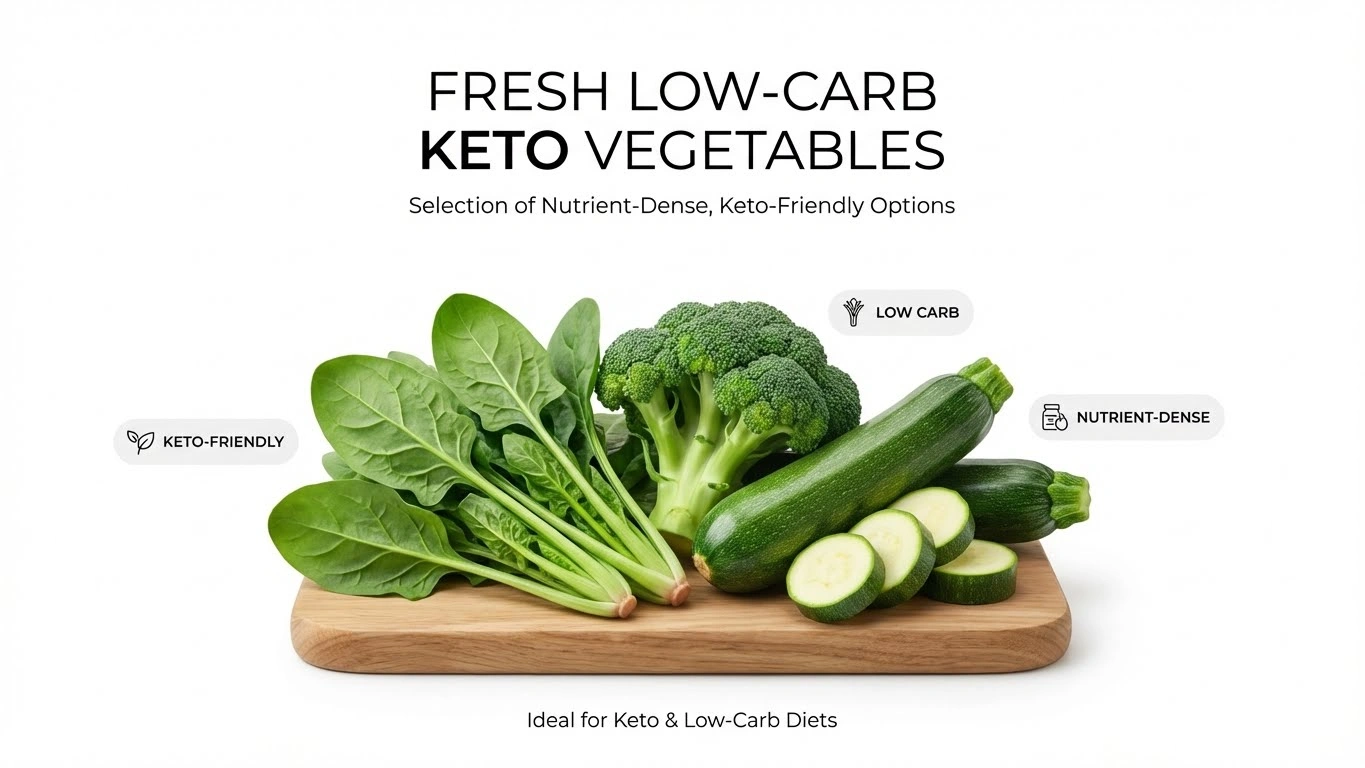
1. Spinach: The Micronutrient Powerhouse
Spinach provides a significant plant-based source of iron, calcium, and magnesium. It is also exceptionally high in Vitamin K, which is essential for bone mineralization. Clinical studies suggest that the antioxidants in spinach, such as lutein and zeaxanthin, protect against cataracts and age-related macular degeneration.
2. Kale: The Superfood of Antioxidants
Kale is one of the most nutrient-dense foods on the planet, containing high concentrations of quercetin and kaempferol. These compounds have been shown to lower blood pressure, act as anti-virals, and even provide anti-cancer benefits. Despite being slightly higher in total carbs than spinach, its high fiber content brings the net carbs down significantly.
3. Swiss Chard and Arugula
Swiss chard is often underutilized but offers a varied flavor profile and a robust hit of electrolytes. Arugula, known for its peppery flavor, is rich in folate and Vitamin K. These greens are ideal for building “volume” in meals, which promotes satiety and prevents the urge to snack on high-carb alternatives.
The Cruciferous Family & Non-Starchy Alternatives
Cruciferous keto vegetables are distinguished by their sulfur-containing compounds, specifically glucosinolates. These vegetables play a critical role in liver detoxification and hormonal balance.
- Broccoli and the Sulforaphane Effect: Broccoli is a clinical staple because it contains sulforaphane, a bioactive compound that has been shown to improve insulin sensitivity and protect blood vessels from damage caused by high glucose levels.
- Cauliflower: The ultimate versatile keto replacement. It can be “riced,” mashed, or used as a pizza crust, reducing carbohydrate load by up to 90%.
- Brussels Sprouts and Cabbage: Packed with fiber and glutamine, which is beneficial for gut lining repair.
Above-Ground Non-Starchy Alternatives
When planning a lowest carb veggies list, variety is essential for long-term adherence.
- Zucchini: “Zoodles” provide the texture of grain-based pasta with only 2.1g of net carbs per 100g.
- Mushrooms: Provide a “meaty” texture and a rich source of B vitamins and selenium, supporting thyroid function.
- Asparagus and Celery: Natural diuretics that help manage water retention during the initial stages of ketosis.
Clinical Perspectives: Cooking Methods & The Plate Method
How Cooking Methods Change the Glycemic Index
As a physician, I must emphasize that how you prepare your keto vegetables can alter their metabolic impact. The concept of “gelatinization of starch” explains why certain vegetables are keto-friendly when raw but problematic when overcooked.
- Zanahoria (Carrots): Raw GI is approx 35. Boiled GI spikes to 85.
- The “Al Dente” Rule: Cooking vegetables to a firm texture preserves the fiber matrix.
- Roasting vs. Steaming: Roasting concentrates sugars; steaming preserves water content.
The “Plate Method” for Metabolic Control
To simplify the integration of keto vegetables without the stress of constant weighing, many clinicians recommend the “Plate Method”.
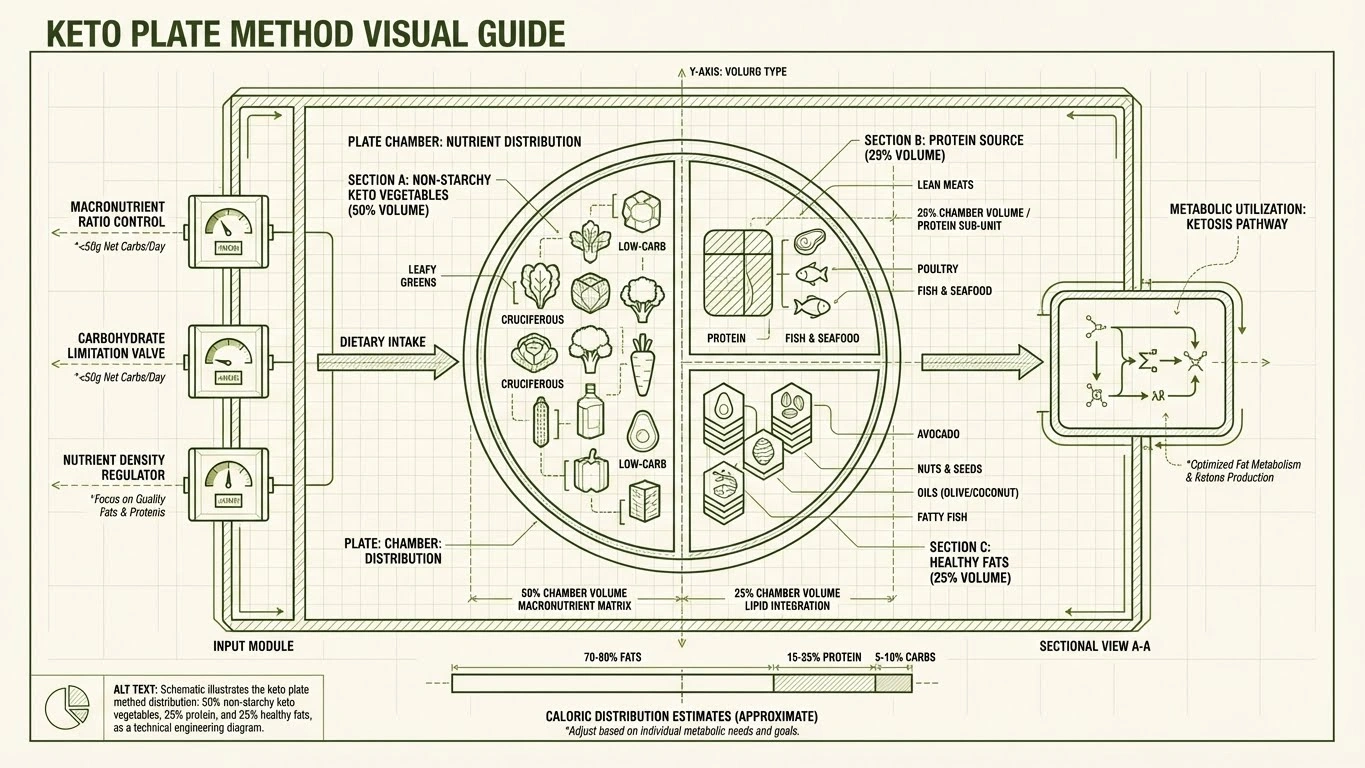
- 50% Green Non-Starchy Vegetables: Fill half your plate with leafy greens, broccoli, or zucchini.
- 25% High-Quality Protein: Chicken, fish, or beef to maintain muscle mass.
- 25% Healthy Fats/Optional Starch: Avocado, nuts, or a very small portion of moderate-carb vegetables.
Practical Strategies & Conclusion
When shopping for the best vegetables for keto, focus on freshness and color. Darker greens usually signify a higher concentration of minerals and antioxidants.
- Frozen is an Excellent Alternative: Often frozen at peak ripeness, preserving more nutrients.
- Beware of “Hidden” Carbs: Inspect labels on canned goods for added sugars or thickeners.
- Prioritize Seasonal Produce: Typically more nutrient-dense and affordable.
Conclusion: Integrating Vegetables for a Healthier Ketosis
Selecting the right keto vegetables is the difference between a restrictive, unsustainable diet and a therapeutic metabolic lifestyle. By prioritizing leafy greens and cruciferous varieties, and avoiding high-starch root vegetables, you can enjoy high volumes of food, maintain superior gut health, and protect your body from oxidative stress.
Remember, the goal of a ketogenic intervention is not just the absence of carbohydrates, but the presence of high-quality, nutrient-dense whole foods.
Further Reading & Tools
Know what other foods serve as companions to these vegetables.
Determine your specific personalized limit to fit these vegetables into.
Convert your grocery list into an actionable weekly schedule.
Explore More Resources
For additional information check out these excellent resources on keto vegetables: