
Understanding the TOP KETO VEGGIES BY CARBS for Optimal Ketosis
In this guide, we provide an analytical overview of the best and worst vegetable choices, prioritizing those lowest in net carbohydrates to help new practitioners stay within their daily macro limits without compromising nutrient density.
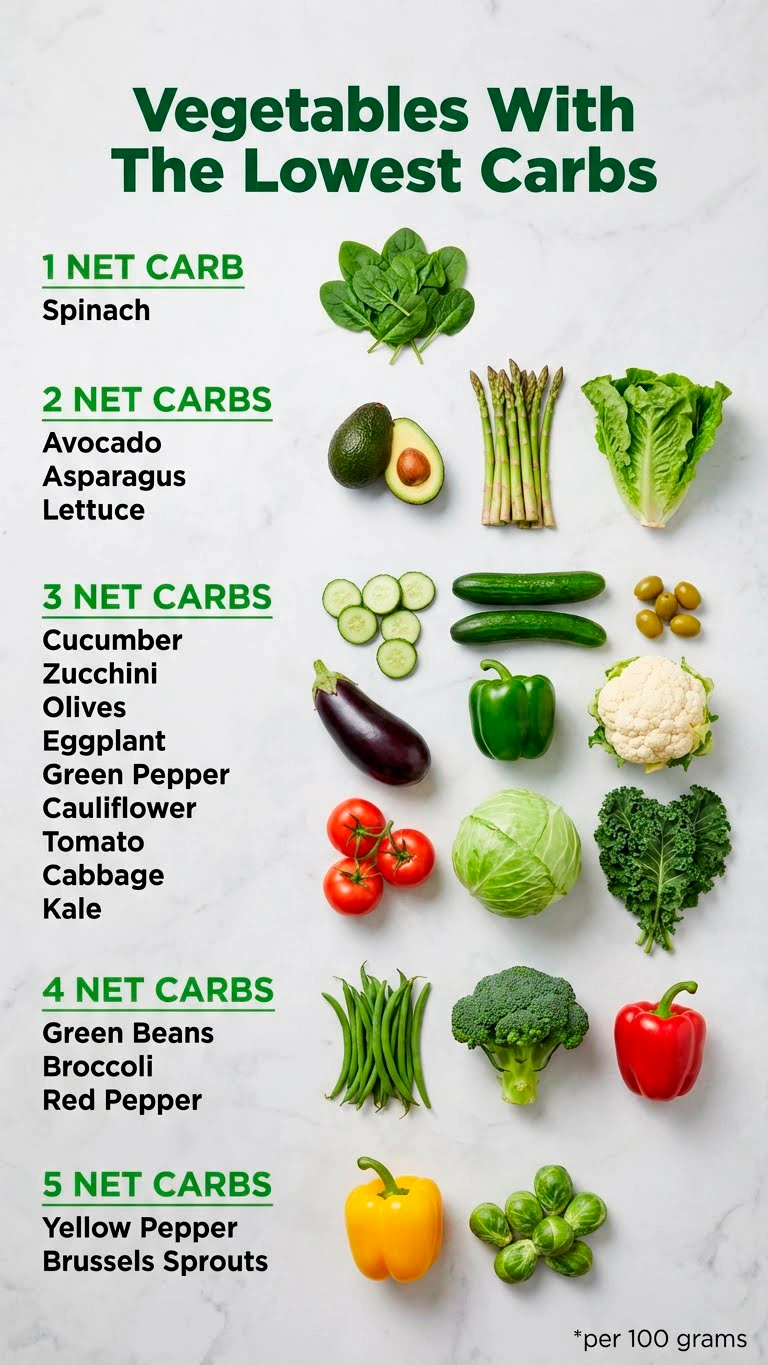
The ketogenic diet necessitates a significant reduction in carbohydrate intake, typically limiting consumption to 20 to 50 grams of net carbs daily, with stricter goals often aiming for fewer than 20 grams per day. For newcomers navigating this dietary change, selecting appropriate vegetables is crucial, as they are essential sources of vitamins, minerals, fiber, and protective phytonutrients.
While meat, poultry, and certain dairy products primarily offer protein or fat, vegetables supply the majority of carbohydrates in a whole-food keto approach. Therefore, identifying the TOP KETO VEGGIES BY CARBS and understanding their nutritional profiles is foundational for achieving and maintaining ketosis.

The Core Principles of Keto Vegetable Selection
Vegetables are an important component of a successful low-carb lifestyle, providing antioxidant protection and fiber. However, not all vegetables are created equal in terms of carbohydrate content. A structured approach based on where the vegetable grows and its net carb count is vital.
Defining Net Carbs: Fiber’s Role in Low-Carb Diets
The concept of “net carbs” refers to the carbohydrates that are absorbed and digested by the body, thus contributing to calorie intake and impacting blood sugar levels. Net carbs are calculated by subtracting fiber (and sometimes sugar alcohols) from the total carbohydrate count. Since fiber is a form of carbohydrate that is largely indigestible, it does not typically prevent the body from entering ketosis.
For those on a ketogenic diet, focusing on net carbs is the best way to determine the compatibility of a food. Foods that are high in natural starches and sugars but bound with fiber generally cause smaller blood sugar spikes compared to refined carbs.
Above-Ground vs. Below-Ground: A Quick Guide
A reliable rule of thumb for selecting TOP KETO VEGGIES BY CARBS is to favor those that grow above the ground.
- Above-Ground Vegetables: These are generally lower in carbs, containing less than 5 grams of net carbs per 100-gram serving, making them excellent keto options. Examples include leafy greens, broccoli, and peppers.
- Below-Ground Vegetables (Root Vegetables): These typically contain more starch and, consequently, higher carbohydrate levels. Root vegetables generally contain 6 to 19 grams of net carbs per 100-gram serving and should be limited or avoided on a strict keto regimen.
A further guideline suggests that leafy greens are consistently excellent choices, and green vegetables tend to have fewer carbohydrates than those with more intense colors, such as red or yellow peppers.
Tier 1: Ultra-Low Carb Champions (Net Carbs 0–2g)
Vegetables in this category can often be eaten relatively freely on a ketogenic diet because they are extremely low in net carbohydrates, even when consuming generous portions. These are among the TOP KETO VEGGIES BY CARBS.

🍃 Spinach (0–1g Net Carbs)
Spinach is widely recognized as one of the best low-carb vegetables to stock up on, boasting zero net carbs per serving in some instances.
Nutritional Profile (1 cup, raw):
Raw spinach has almost no digestible carbs. Health Benefits: Spinach is an excellent source of Vitamin A, Vitamin K, iron, and magnesium. It may support heart health, lower blood pressure, and decrease the risk of common eye diseases. Raw spinach is perfect for salads, while wilted spinach is a great source of Vitamin A for soups.
🥬 Lettuce (Romaine and Butter Lettuce)
Different varieties of lettuce are exceptionally low in carbs, making them a staple for salads and wraps.
Butter Lettuce (1 Cup):
Its leaves are hearty enough to be used as wraps for meats and cheeses.
Lettuce (Chopped, 1 Cup):
Romaine Lettuce (1.5 cups): Contains over 30% of daily folate needs and about 10% of daily potassium needs.
🥗 Leafy Green Heroes
Arugula (Rocket): Known for its peppery flavor, arugula provides a slight spice and mustard note. One 2-cup serving contains 1.5g of carbohydrates. Arugula contains antioxidants like carotenoids, flavonoids, and phenolic compounds, which may protect against heart disease and certain cancers.
Bok Choy (3/4 Cup, raw):
This is considered one of the best low-carb veggies. Bok choy is a fantastic source of Vitamin K, which is essential for bone formation and preventing blood clotting.
Swiss Chard (1 Cup):
Swiss chard is typically cooked due to its raw bitterness, and it can be sautéed with fats like butter, garlic, and bacon for an easy side dish. Swiss chard is a wonderful source of kaempferol, a phytonutrient with potent antioxidant activity that may help protect against cancer.
🍄 Celery, Mushrooms, and Radishes
These vegetables offer versatility, crunch, and low net carb counts, placing them firmly among the TOP KETO VEGGIES BY CARBS.
Celery (1 Cup, chopped, raw): 16 Calories | 3g Total Carbs | 2g Fiber | 1g Net Carbs. Celery is typically eaten raw for its desired crunch. A 100g serving of raw celery has only 2.97 grams of carbs. Celery is rich in potassium, calcium, and the compound apigenin, which may contribute to cancer prevention through apoptosis (cell death).
Mushrooms (3 oz. or 1 Cup): 20 Calories | 2g Total Carbs | 1g Fiber | 1–2g Net Carbs. Mushrooms are extremely low in carbs, and one cup of raw white mushrooms contains just 2.2g net carbs. They add an earthy flavor to dishes when roasted or sautéed. Mushrooms are rich in B vitamins and selenium and have shown anti-inflammatory, antioxidant, and anti-cancer benefits.
Radishes (1 Cup, raw): 2g Net Carbs. Radishes contain anthocyanins, phytonutrients that may help regulate blood sugar. They can be sliced, used for dipping, or cooked and eaten like baby potatoes.
Tier 2: Foundation Keto Vegetables (Net Carbs 2g–4g)
These are staple keto vegetables. While their carb counts are slightly higher than Tier 1, their versatility and nutritional density make them essential for a well-rounded keto diet. They generally fall under 5 grams of net carbs per 100 grams.

🥦 Cauliflower and Broccoli: Cruciferous Staples
Cruciferous vegetables are highly valued on keto for their low carb count and ability to substitute high-carb staples.
Cauliflower (1 Cup, raw):
Cauliflower has approximately 3.2g net carbs per 1 cup serving. It is perhaps the most common keto vegetable, used extensively as a replacement for rice, mashed potatoes, and pizza crust. Cauliflower is high in Vitamin K and Vitamin C. As a cruciferous vegetable, it contains sulfur-containing glucosinolates, which may calm inflammation and protect against heart disease and cancer.
Broccoli (1 Cup, chopped, raw):
Raw broccoli has 3.6g net carbs per cup. Broccoli is versatile—it can be eaten raw, steamed, sautéed, or roasted. It is rich in Vitamin C, Vitamin K, and the sulfur compound sulforaphane, which supports the body’s natural detoxification pathways and liver function. Studies suggest broccoli may help decrease insulin resistance.
🥒 Zucchini, Summer Squash, and Asparagus
Zucchini and Summer Squash: The Noodle Alternatives
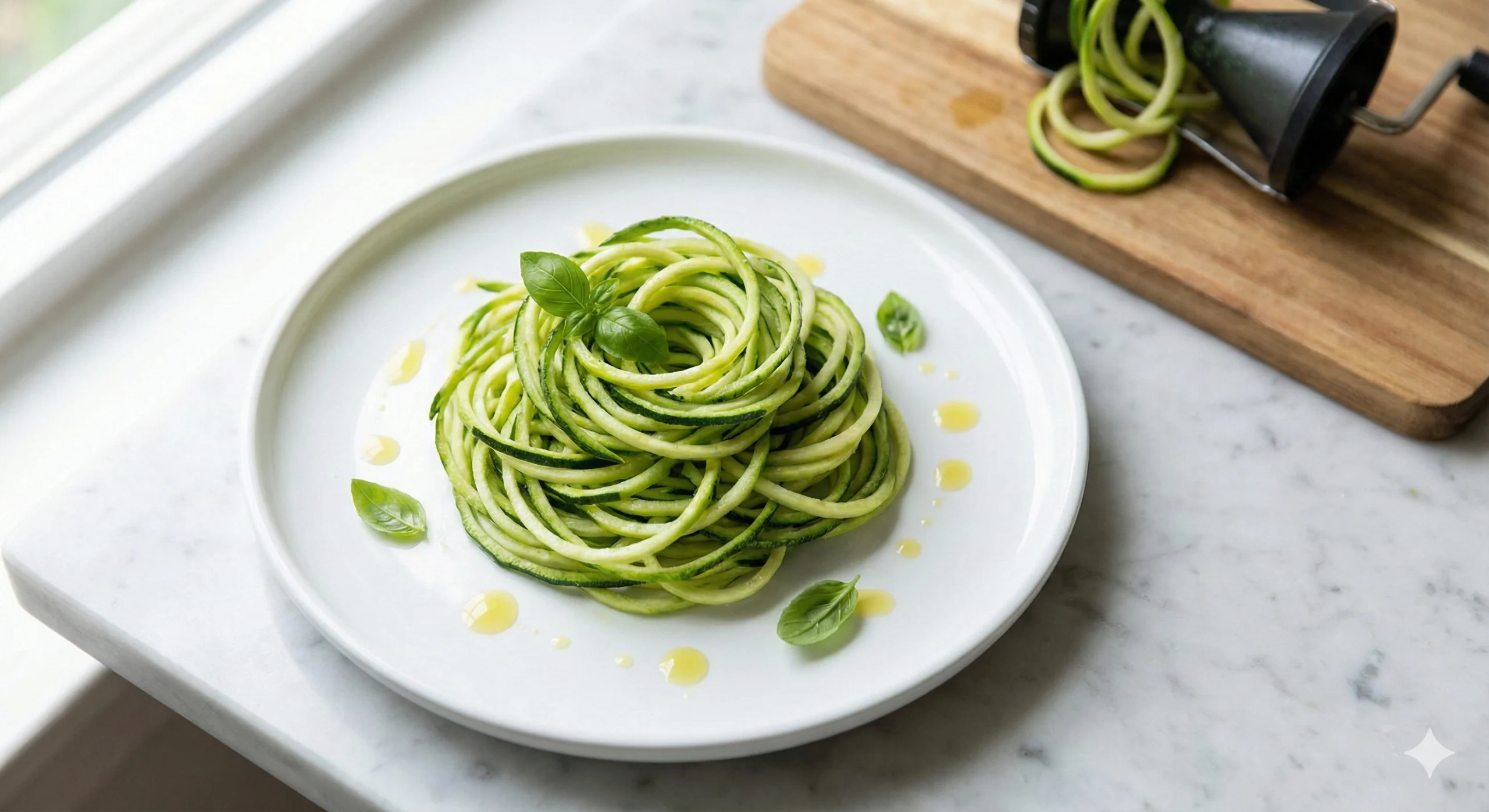
Zucchini is a keto staple, often spiralized into “zoodles” to replace pasta. Zucchini (1 Cup, raw): 2.4g Net Carbs per 1 cup serving. One cooked squash contains 4g net carbs. It provides a neutral flavor that pairs well with rich sauces. Zucchini is particularly rich in Vitamin A, supporting eye health and major organs. Yellow Squash (1 Cup, raw): 2.6g Net Carbs per cup.
Asparagus: Nutrient-Dense Spears
Asparagus is a highly nutritious, low-carb choice.
Nutritional Profile (1 Cup, raw):
Health Benefits: Asparagus is a good source of fiber, Vitamin A, C, and K. Its fiber content serves as a prebiotic, feeding healthy bacteria in the digestive tract. Animal studies indicate that asparagus may improve cognitive performance and protect brain health.
🍆 Cabbage and Eggplant
These vegetables offer substance and are excellent for replacing starches in many recipes.
Cabbage (1 Cup, chopped, raw): 22 Calories | 5g Total Carbs | 2g Fiber | 3g Net Carbs. Cabbage is a cruciferous vegetable that may help reduce the risk of certain cancers, such as breast cancer. It is also rich in the amino acid glutamine, crucial for maintaining the health and integrity of the gut lining.
Eggplant (1 Cup, cubed, raw): 21 Calories | 5g Total Carbs | 2g Fiber | 3g Net Carbs. Eggplant is a hearty vegetable often used to replace noodles in lasagna or as a pizza crust. Animal research suggests eggplant may help lower cholesterol and improve other markers of heart health.
Tier 3: Keto Vegetables Requiring Moderate Caution (Net Carbs 4g–6g+)
While still generally keto-friendly, these vegetables have slightly higher net carb counts per standard serving size, meaning they should be monitored, especially if targeting less than 20 grams of total net carbs daily.
🫑 Bell Peppers, Green Beans, and More
Bell Peppers: Balancing Flavor and Net Carbs
Bell peppers are wonderful additions for flavor, crunch, and high Vitamin C content. Green Bell Peppers (1 Cup, chopped, raw): 30 Calories | 7g Total Carbs | 3g Fiber | 4g Net Carbs. Red Bell Peppers: Have 4g net carbs per 100g. Red bell peppers are particularly rich in beta-carotene, a potent compound shown to increase cognitive function and protect against diabetes. Caution: Green peppers are somewhat lower in carbs than red or yellow peppers, so attention must be paid to portion size, as a medium pepper can contain 4–7 grams of carbs.
Green Beans and Brussels Sprouts
Both are nutritious, but their carb density requires mindful consumption.
Green Beans (1/2 Cup): 20 Calories | 4g Total Carbs | 2g Fiber | 2g Net Carbs. However, a larger 1-cup serving contains 4.3g net carbs. Green beans contain carotenoids, which are associated with improved brain function during aging.
Brussels Sprouts (4 oz.): 48 Calories | 9g Total Carbs | 5g Fiber | 4g Net Carbs. Brussels sprouts contain 4.6g net carbs per 1 cup serving (88g). They are high in fiber, Vitamin C, and Vitamin K. They also contain alpha-lipoic acid (ALA), which may support healthy blood glucose levels and combat insulin resistance, making them recommended for individuals with diabetes.
Tomatoes (Technically Fruit)
While botanically a fruit, tomatoes are utilized as vegetables and offer excellent nutritional value. Nutritional Profile (1 Medium Beef Tomato): 25 Calories | 5g Total Carbs | 1g Fiber | 4g Net Carbs. Tomatoes contain about 3g net carbs per 100g. Caution: Because tomatoes are slightly higher in carbs, consuming too many, especially when combined with other low-carb foods, can cause one to exceed the 20-gram daily limit. Health Benefits: Tomatoes are high in Vitamin A, C, and potassium, which helps reduce blood pressure and stroke risk. They contain lycopene, a natural red pigment and powerful antioxidant that protects against cell damage, cancer, and heart disease, and supports skin and bone health.
Specialty Vegetables and Root Alternatives (Approaching 5g+)
Some low-carb alternative vegetables provide texture and bulk but should be counted accurately.
- Spaghetti Squash (1 Cup, cubed): 31 Calories | 7g Total Carbs | 2g Fiber | 5g Net Carbs. It serves as a delicious pasta swap. Spaghetti squash has 5.5g net carbs per 1 cup serving.
- Jicama (3.5 oz.): 38 Calories | 9g Total Carbs | 5g Fiber | 4g Net Carbs. Jicama is a low-carb favorite that can be cut into sticks for dipping or chopped for crunch, sometimes even used as an apple substitute.
- Artichokes (1 Artichoke): 47 Calories | 11g Total Carbs | 5g Fiber | 6g Net Carbs. A medium artichoke (120g) contains 14g total carbs, with 7g coming from fiber, making it fairly low in digestible carbs. Artichokes may help lower blood pressure, cholesterol, and blood sugar.
Analyzing Higher-Carb Vegetables to Limit or Avoid
The goal of achieving ketosis requires the body to burn fat instead of carbohydrates for fuel. Consuming high-starch vegetables can undermine this effort by providing excessive carbohydrates. These items are generally excluded from the TOP KETO VEGGIES BY CARBS list.
Below-Ground Starchy Vegetables
Root vegetables and starchy items that grow underground must be heavily restricted due to their naturally high starch content.
- Potatoes: One medium potato contains 110 Calories, 26g Total Carbs, and 24g Net Carbs. A 100g serving of raw potatoes contains 16g of carbs. One medium white potato has 33.4g of carbohydrates.
- Sweet Potatoes: A medium sweet potato contains 17g net carbs.
- Yams: One medium yam contains 158 Calories, 37g Total Carbs, and 32g Net Carbs. A 100g serving of cooked yams contains 27.4g of carbs.
- Parsnips: 1 Cup contains 18g Total Carbs and 13g Net Carbs. Parsnips are high carb, with 10.5g net carbs per 1/2 cup serving.
- Beets (Beetroot): Contains 7g net carbs per 100g. Beets have 8g net carbs per 100g serving.
Legumes and Grains (Often Mistaken as Low-Carb Veggies)
Legumes, corn, and grains are typically high in carbohydrates and should be avoided on a ketogenic diet.
- Corn: 2/3 Cup contains 21g Total Carbs and 20g Net Carbs. One medium ear of corn has 19.1g of carbohydrates. A 100g serving contains 16g of net carbs.
- Peas: 1/4 Cup contains 12g Total Carbs and 9g Net Carbs. One cup of green peas contains 20.9g of carbohydrates.
- Cassava (Yuca): Contains 36g net carbs per 100g serving.
- Beans (various): Most beans are not keto-friendly. For example, black beans contain 13g net carbs per 1/2 cup, and kidney beans contain 14g net carbs per 1/2 cup.
Higher-Carb Squash Varieties
While zucchini and spaghetti squash are acceptable keto options, winter squashes are notably higher in net carbs.
- Acorn Squash (1 Cup, cubed, raw): 56 Calories | 15g Total Carbs | 2g Fiber | 13g Net Carbs.
- Butternut Squash (1 Cup, cubed, raw): 63 Calories | 16g Total Carbs | 3g Fiber | 13g Net Carbs. Butternut squash contains 10g net carbs per 100g.
Exceptions and Moderation: Carrots and Onions
Some vegetables that are commonly used should be limited or used sparingly.
- Carrots: Although root vegetables, carrots are relatively lower in carbs compared to potatoes. A medium-sized carrot contains 6–7 grams of carbs. A 100g serving has 7g net carbs. Carrots can be enjoyed in moderation, such as small amounts in coleslaw or baked goods, but frequent consumption of carrot sticks can quickly raise the daily carb count.
- Onions: While onions grow below ground and contain 8g net carbs per 100g, they are typically used sparingly as a seasoning. However, be cautious of caramelized, grilled, or sautéed onions, as these are often consumed in larger quantities.
Strategic Consumption: Maximizing Nutrient Intake from TOP KETO VEGGIES BY CARBS
Simply counting carbs is not enough; a successful keto diet must prioritize nutrient density. The TOP KETO VEGGIES BY CARBS should be integrated strategically to maximize their health benefits and fiber content.
The Importance of Leafy Greens and Fiber
Leafy greens such as spinach, lettuce, kale, and chard are universally considered excellent keto options.
- Fiber Intake: Keto-friendly vegetables provide essential fiber, which is crucial for digestion. Asparagus, for instance, has about half its carbohydrates coming from fiber.
- Micronutrient Density: Kale is a “superfood veggie” packed with antioxidants like lutein and zeaxanthin, which protect against macular degeneration and cataracts. Similarly, broccoli, cauliflower, and Brussels sprouts are vital for providing sufficient Vitamin K and Vitamin C, which can sometimes be lacking in very low-carb diets.
Cooking Methods to Support Ketosis and Nutrient Absorption
To maximize the benefits of the TOP KETO VEGGIES BY CARBS, healthy fats should be used during preparation.
- Fat as a Vehicle: Vegetables can act as an excellent vehicle for consuming healthy fats, which are key to the keto diet. Recommended fats for cooking or seasoning include butter, ghee, coconut oil, avocado oil, or lard.
- Fat-Soluble Vitamins: Cooking vegetables in healthy fat aids the absorption of fat-soluble nutrients, including Vitamins A, D, E, and K. For example, spinach provides significant Vitamin K.
- Versatile Preparations: Keto vegetables are adaptable: Zucchini can be spiralized into “zoodles”. Cauliflower can be riced, mashed, or made into pizza crust. Brussels sprouts are excellent when roasted until crispy or served in a creamy sauce.
Summary of TOP KETO VEGGIES BY CARBS
For quick reference, the following list summarizes some of the TOP KETO VEGGIES BY CARBS based on their cited net carbohydrate content, illustrating why they are foundational to a ketogenic meal plan.
- Spinach (1 Cup, raw): 0–1.4g Net Carbs (Salads, base for high-fat creamed sides)
- Butter Lettuce (1 Cup): 0g Net Carbs (Wraps, salad base)
- Bok Choy (3/4 Cup): 1g Net Carbs (Stir-fries, roasted sides)
- Celery (1 Cup, chopped): 1–1.4g Net Carbs (Dipping vehicle, adding crunch)
- Radish (1 Cup): 1.8–2g Net Carbs (Sliced for salads or cooked as potato alternative)
- Asparagus (1 Cup): 2–2.4g Net Carbs (Grilled, roasted, or bacon-wrapped)
- Cucumbers (1/2 Cup): 1.6–2g Net Carbs (Snacking, refreshing salads)
- Mushrooms (1 Cup): 1–2.2g Net Carbs (Flavoring sauces, pizza crust substitute)
- Zucchini (1 Cup): 2.1–2.4g Net Carbs (Zoodles (pasta replacement), fritters)
- Cauliflower (1 Cup): 2–3.2g Net Carbs (Rice, mash, crusts, versatility staple)
- Cabbage (1 Cup): 3g Net Carbs (Slaws, wraps, soups, stir-fries)
- Eggplant (1 Cup, cubed): 2.3–3g Net Carbs (Lasagna noodles substitute, crusts)
- Broccoli (1 Cup, raw): 3.6–4g Net Carbs (Roasted, side dishes, casseroles)
- Green Beans (1/2 Cup): 2g Net Carbs (Roasted, casseroles – monitor portion size)
Consistently choosing the TOP KETO VEGGIES BY CARBS, focusing on above-ground, non-starchy options, and incorporating healthy fats ensures adherence to ketogenic principles while maximizing vital micronutrient intake. By prioritizing vegetables with low net carbohydrate density, beginners can successfully navigate the complexities of macro restriction.
Disclaimer: This guide is intended for informational purposes regarding dietary management under a ketogenic lifestyle. Always consult with a registered dietitian or healthcare professional before making significant changes to your diet or if you have underlying health concerns, particularly if taking medications such as Warfarin, which can be affected by changes in Vitamin K intake from certain vegetables like kale, spinach, and broccoli.
Explore More Keto Resources
For additional information check out these excellent resources: