
The essential guide to using a keto diet calculator for optimized metabolic health
Move beyond guesswork. Understand how a keto calculator translates BMR, TDEE, and your personal metrics into a precise fat-burning blueprint.
Quick answer: what does a keto diet calculator actually do?
Embarking on a ketogenic diet represents a significant nutritional shift—moving the body’s primary energy source from carbohydrates to fat. For individuals new to this approach, achieving and sustaining the metabolic state of ketosis requires precise management of macronutrient intake. A professional keto diet calculator exists to solve exactly this problem.
Rather than offering generic dietary advice, a properly designed keto calculator generates a personalized assessment of your daily caloric requirements and the specific gram-level allocation of fats, proteins, and carbohydrates needed to meet your individual health objectives. Relying on intuition alone often leads to insufficient fat intake, excessive protein consumption, or carbohydrate levels high enough to break ketosis. The calculator provides the structured blueprint that prevents those errors.
What a keto calculator outputs
Understanding the scientific basis of ketogenic nutrition
The ketogenic diet is defined by a high intake of fats, moderate protein, and a dramatically restricted carbohydrate allowance. This specific macronutrient ratio prompts the liver to produce ketone bodies from fat, which the body then uses as an alternative fuel source to glucose—the metabolic state known as ketosis.
Achieving ketosis: the metabolic goal
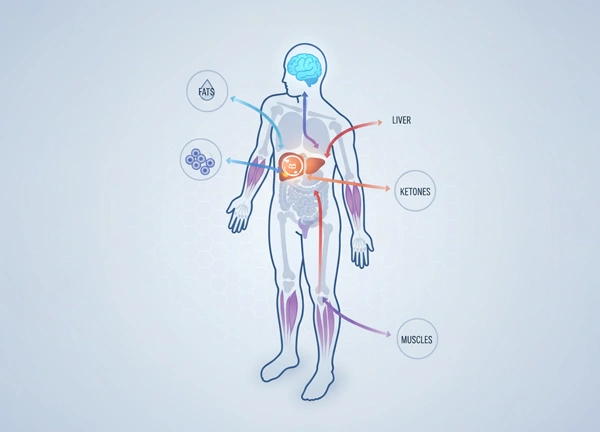
When carbohydrate intake is severely limited, glycogen stores are depleted and the body initiates lipolysis—the breakdown of stored fat. These fats are converted in the liver into ketone bodies (beta-hydroxybutyrate, acetoacetate, acetone), which serve as fuel for both the brain and peripheral tissues. This process effectively mirrors the positive metabolic effects associated with extended fasting. Sustaining this state can support fat loss, improved energy stability, and better blood sugar regulation.
Core macronutrients and their keto ratios
In a conventional diet, energy intake heavily favors carbohydrates. The ketogenic protocol inverts this priority. The three macronutrients play distinct roles:
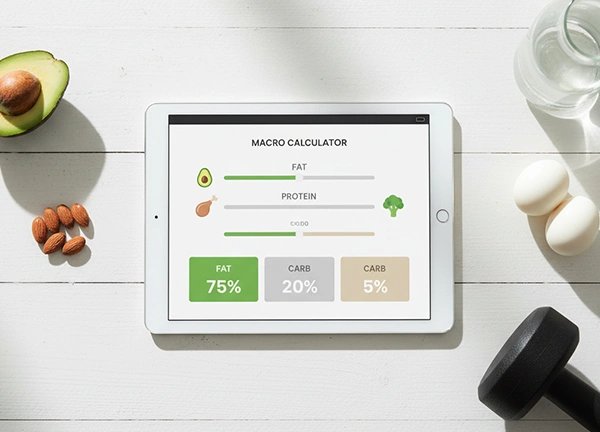
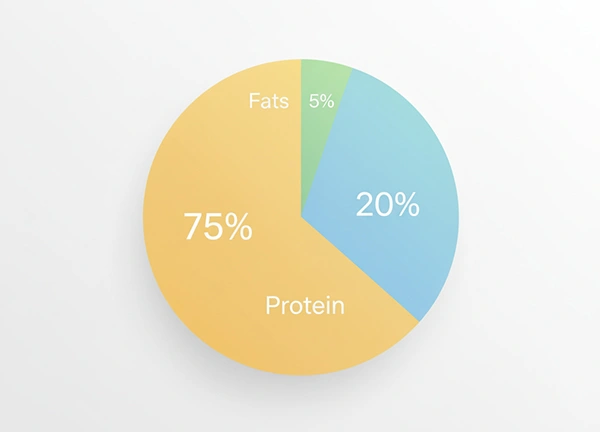
- Fats — 70–75% of total caloric intake. Fat replaces carbohydrates as the primary energy source. Adequate fat intake is essential for entering and sustaining ketosis; it is not optional.
- Proteins — 20–25% of total caloric intake. Protein is necessary for preserving muscle tissue. Consuming excessive protein, however, can trigger gluconeogenesis—a metabolic pathway where the body converts surplus amino acids into glucose, which can inhibit ketosis.
- Carbohydrates — approximately 5% of total calories. This strict limitation, typically 20–50 g of net carbs per day, is the primary catalyst for inducing ketosis. Exceeding this threshold risks exiting the fat-burning state.
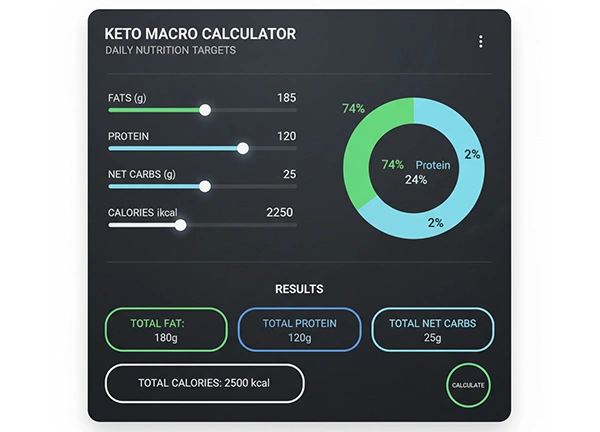
A well-designed keto diet calculator converts these percentage targets into precise gram amounts tailored to your body weight, composition, and goals—removing the manual calculation burden entirely.
Precision in caloric assessment: calculating BMR and TDEE
A core function of any keto diet calculator is its reliance on established scientific equations to determine individual energy expenditure. Understanding TDEE vs. BMR is foundational before any macro target can be assigned.
Calculating the Basal Metabolic Rate (BMR)
The BMR represents the minimum number of calories required to maintain basic life-sustaining functions while at complete rest—breathing, circulation, temperature regulation, and cellular repair. The most widely validated method for estimating BMR is the Mifflin-St Jeor equation, which requires four personal inputs:
- Biological sex
- Age (years)
- Height (cm or ft/in)
- Current body weight (kg or lb)
Mifflin-St Jeor Equation
Men: BMR = (10 × kg) + (6.25 × cm) − (5 × age) + 5 Women: BMR = (10 × kg) + (6.25 × cm) − (5 × age) − 161If body fat percentage is known, the Katch-McArdle formula uses lean mass for a more accurate result: BMR = 370 + (21.6 × lean mass in kg)
Determining Total Daily Energy Expenditure (TDEE)
The TDEE expands the BMR by factoring in the energy consumed through physical activity across a full day. Your macro targets are derived from TDEE—not BMR alone. TDEE is calculated by multiplying the BMR by an activity multiplier:
| Activity Level | Description | Multiplier |
|---|---|---|
| Sedentary | Desk job, little to no exercise | BMR × 1.2 |
| Lightly active | Light movement, 1–3 exercise sessions/week | BMR × 1.375 |
| Moderately active | Active work, 3–5 exercise sessions/week | BMR × 1.55 |
| Very active | Heavy physical work, 6–7 sessions/week | BMR × 1.725 |
| Extra active | Physical labor job plus intense daily training | BMR × 1.9 |
The ability of a keto diet calculator to precisely adjust TDEE for your specific activity profile is what separates it from generic calorie estimators.
Inputting personal metrics: body fat, BMI, and body composition
The accuracy of the macro targets generated by a keto calculator depends heavily on the quality of the input data. Beyond basic height and weight, additional body composition metrics significantly improve personalization.
The importance of body fat percentage
Body fat percentage is particularly critical for determining protein requirements. The reason: protein needs are calculated based on lean body mass—total weight minus fat mass—not total body weight. This distinction is essential. Calculating protein from total weight risks overconsumption in individuals with higher body fat, which can provoke gluconeogenesis and inhibit ketosis.
Methods for measuring body fat percentage vary considerably in their accuracy:
- High-accuracy methods: DEXA scan, BodPod, and InBody bioelectrical impedance analysis are the gold standard for input data quality.
- Consumer-grade methods: handheld BIA devices and visual estimation carry significant margins of error. When using these, it is advisable to slightly overestimate body fat to avoid miscalculating protein requirements downward.
Understanding BMI as a contextual indicator
While the keto calculator primarily uses BMR and TDEE equations, the Body Mass Index (BMI) provides a useful orientation toward health risk categories. BMI is calculated by dividing weight in kilograms by height in meters squared:
BMI = Weight (kg) ÷ Height (m)²| BMI Range | Category |
|---|---|
| < 18.5 | Underweight |
| 18.5 – 24.9 | Optimal weight |
| 25.0 – 29.9 | Overweight (pre-obesity) |
| 30.0 – 34.9 | Obesity Class I |
| 35.0 – 39.9 | Obesity Class II |
| > 40.0 | Obesity Class III (morbid obesity) |
It is important to note that BMI is an orientational measure. It does not differentiate between fat mass and lean muscle mass—a strength athlete may carry a high BMI due to muscle, not fat. For more precise risk assessment, the Waist-Hip Ratio (WHR) is a complementary tool:
WHR = Waist Circumference ÷ Hip CircumferenceCombining BMI with WHR substantially improves the prediction of metabolic risk, particularly for identifying visceral (abdominal) obesity. Visceral fat is biochemically active and is strongly associated with elevated risk for type 2 diabetes, cardiovascular disease, and hypertension.
Translating metrics into action: macro calculation in detail
Once the BMR, TDEE, body fat percentage, and goal are established, the keto diet calculator translates the total caloric target into specific grams for each macronutrient. This detailed breakdown is the operational core of the tool.
Carbohydrate restriction: defining net carbs
Restricting carbohydrates is the defining mechanism of the ketogenic diet. The recommended daily net carb intake for maintaining ketosis generally falls between 20 and 50 grams. For beginners targeting rapid ketosis onset, starting at a maximum of 20 grams of total carbohydrates per day is a common conservative benchmark.
Net carbohydrates are calculated by subtracting dietary fiber and sugar alcohols from total carbohydrates. These components are excluded because they do not significantly impact blood glucose or insulin levels and therefore do not inhibit ketosis. Exceeding the personalized carb limit set by the calculator will likely push the body out of the fat-burning state.
Important distinction: in European and Australian food labeling, “Carbohydrates” on the label often already represents the net carb value (fiber is listed separately). In US labeling, you must subtract fiber from the total carbohydrates figure yourself. Always confirm your label’s country of origin. See the net carbs vs. total carbs guide for a full breakdown.
Calculating optimized protein intake
Protein is critical for preserving lean muscle mass, especially during caloric restriction or active training. The calculator uses lean body mass—not total body weight—to determine protein targets. General protein recommendations by activity level are as follows:
- Low activity / no resistance training: 0.5–0.6 g per pound of lean body mass
- Average gym-goer: 0.7–0.8 g per pound of lean body mass
- High-intensity training: 0.85–0.9 g per pound of lean body mass
Some calculator models apply a minimum of 1.6–2.0 g of protein per kilogram of total body weight as a floor, supporting muscle preservation and compensating for natural variability in food composition. The key is balance: too little protein risks lean mass loss; too much risks gluconeogenesis and impaired ketosis.
The central role of dietary fat
Fat constitutes the largest percentage of caloric intake on a ketogenic diet. Once the carbohydrate and protein targets are defined, the calculator allocates the remaining required calories to dietary fat. Since 1 gram of fat yields 9 kcal—compared to 4 kcal per gram for protein and carbohydrates—the fat allowance forms the majority of meal volume on keto.
- Fuel source: dietary fat provides the substrate necessary to reach and maintain ketosis. Without adequate fat intake, the metabolic transition cannot be completed.
- Satiety: high-fat meals trigger robust satiety signaling, reducing cravings and the caloric overconsumption often associated with dietary restriction.
For beginners, the calculator’s fat target is particularly important—ensuring sufficient intake to support the metabolic transition and helping prevent the fatigue and symptoms associated with the “keto flu” during the induction phase.
Utilizing your keto calculator results for sustainable success
Practical application and macro tracking
For beginners, accurately tracking daily consumption is vital for remaining within the personalized parameters produced by the keto diet calculator. Tracking macros means monitoring the precise amounts of fat, protein, and carbohydrates consumed each day to ensure alignment with the calculator’s recommendations. Nutritional tracking applications simplify this process by providing food databases and automatic macro calculation. These tools prevent the two most common errors: inadvertently exceeding the carbohydrate threshold and failing to consume adequate fat—both of which can disrupt ketosis.
Sample ketogenic food sources
To meet the calculated macros consistently, it is essential to focus on foods that align with the ketogenic macronutrient profile.
- Fats (primary energy sources): avocado, grass-fed butter and ghee, coconut oil and MCT oil, macadamia nuts, almonds, and seeds.
- Proteins (moderate, lean-mass-calibrated): fatty fish (salmon, mackerel), red meat, poultry, eggs, and aged cheeses such as Gouda, Cheddar, and Parmesan.
- Carbohydrates (low net-carb vegetables): leafy greens, spinach, broccoli, cauliflower, green beans, and bell peppers. See the keto vegetables list for a full ranked breakdown.
Foods to avoid generally include all grains (wheat, rice, pasta), sugars including honey and syrup, most fruits with the exception of low-sugar berries, and root vegetables such as potatoes and yams.

The essential role of medical consultation
The information and results provided by a keto diet calculator are intended for educational and informational purposes. They should not replace professional medical advice, diagnosis, or treatment. Before initiating any new dietary protocol—particularly one as metabolically significant as the ketogenic diet—consulting a qualified healthcare provider or registered dietitian is strongly recommended. This is especially critical for individuals who:
- Have chronic diseases (including type 2 diabetes or cardiovascular conditions)
- Are pregnant or breastfeeding (scientific evidence is limited and caution is advised)
- Are taking prescription medications that interact with metabolic changes
- Require a detailed evaluation of complex energy needs or body composition
A qualified professional can accurately interpret calculator outputs, identify potential risks such as nutrient deficiencies or electrolyte imbalances, and tailor the protocol to your specific clinical profile.
Ready to calculate your personalized keto macros?
Use the MyKetoCalcs keto calculator to generate your precise daily fat, protein, and net carb targets—based on your body, activity level, and goal.
Calculate My Keto Macros →FAQ: keto diet calculator — clinical insights
What is a keto diet calculator used for?
A keto diet calculator translates your personal metrics—weight, height, age, activity level, and goals—into precise daily macro targets: fat, protein, and net carbohydrates. It removes guesswork and ensures your macronutrient intake supports ketosis and your weight management objective.
What is the difference between BMR and TDEE?
BMR is the calories your body burns at complete rest to sustain basic functions like breathing and circulation. TDEE multiplies BMR by an activity factor to reflect real-world calorie burn across a full day. Your keto macros are always calculated from TDEE, not BMR alone. For a deeper look, see the dedicated TDEE vs. BMR guide.
How many net carbs per day are recommended on keto?
For standard ketogenic protocols, the typical target is 20–50 grams of net carbs per day. Beginners pursuing rapid ketosis onset are often advised to start at a maximum of 20 grams of total carbohydrates per day. Understanding the difference between net carbs and total carbs is essential before tracking begins.
Why does body fat percentage matter for keto macro calculations?
Protein requirements are calculated based on lean body mass—total weight minus fat mass—not total body weight. Using lean mass prevents both under-fueling muscle and overconsumption of protein, which could trigger gluconeogenesis and inhibit ketosis.
What macro ratio does the ketogenic diet use?
The standard ketogenic macro ratio is approximately 70–75% of calories from fat, 20–25% from protein, and 5% or less from carbohydrates. These percentages shift the body’s primary fuel source from glucose to fat-derived ketones.
Can I combine intermittent fasting with my keto calculator results?
Yes. Combining a keto protocol with intermittent fasting can deepen ketosis and accelerate fat loss by extending the window of low insulin. The same macro targets apply; they are simply consumed within a shorter eating window.
What should I do if I break ketosis accidentally?
A single dietary lapse does not mean the protocol has failed. The guide to getting back into ketosis covers the scientific approach to restoring the metabolic state efficiently after a carbohydrate overage.
Explore more resources
For additional keto calculator tools and reference materials from across the web:
Macro calculator with adjustable protein and carb presets.
Goal-based macro output with dietary guidance.
Science-backed calculation tool with clear formula explanations.
Integrated with ketone monitoring data for precision tracking.
Optimized for performance athletes following a ketogenic approach.
Further reading & tools
The metabolic science behind the state your calculator is designed to support.
A deeper look at the equations driving every macro calculation.
Understand what to count and how to read your food labels correctly.
Ranked by net carbs — use this alongside your macro targets for meal planning.
How to stack fasting windows with your calculated keto macros for amplified results.
When you fall off track, this guide shows you the fastest path back.