
Intermittent fasting on keto: how the two approaches interact
An educational guide to how intermittent fasting interacts with ketosis — mechanisms, protocols, and practical safety guidance.
Intermittent fasting (IF) and the ketogenic diet are two of the most widely discussed metabolic strategies in low-carb nutrition. Both work by lowering insulin and encouraging the body to use stored fat for fuel. When combined, they overlap in mechanism — but combining them also amplifies certain risks and is not appropriate for everyone. This article explains how the two approaches interact, what the 16:8 protocol involves, how to compress macros into a shorter eating window safely, and who should not combine these protocols without medical supervision.
This is an educational overview, not medical advice. It covers the mechanism overlap between keto and IF, a comparison of common fasting windows, a phased starting protocol for people already keto-adapted, electrolyte and hydration considerations, and a detailed safety section. The calculator on this page applies the same macro math as a standalone keto calculator — the eating window does not change the daily macro targets, only when they are consumed.
Intermittent fasting on keto combines a ketogenic diet (carbs under 50g/day) with a daily fasting window. Both lower insulin and shift the body toward fat metabolism. Combining them may accelerate keto-adaptation and amplify metabolic effects, but it is not appropriate for people on insulin, SGLT2 inhibitors, GLP-1 medications, with kidney or liver disease, pregnancy, eating disorders, or low body weight. A gradual 12:12 → 14:10 → 16:8 progression is safer than starting with a long fast.
⚠️ Important: read before combining keto with intermittent fasting
This article is for educational purposes only and is not medical advice. Combining the ketogenic diet with intermittent fasting produces significant metabolic changes — including effects on blood glucose, insulin, electrolytes, blood pressure, and medication requirements — that can be unsafe without medical supervision for some people.
Do not combine keto and intermittent fasting without speaking to a qualified healthcare provider if you: have type 1 diabetes, have type 2 diabetes or pre-diabetes and take insulin, sulfonylureas, or any glucose-lowering medication (including SGLT2 inhibitors — these carry an increased risk of diabetic ketoacidosis, including euglycemic DKA, on very-low-carb diets and during fasting); take GLP-1 receptor agonists or other prescription weight management medications; have kidney disease, liver disease, pancreatitis, or any history of DKA; have cardiovascular conditions or take blood pressure medication; are pregnant or breastfeeding; are a child or teenager; have a history of eating disorders or disordered eating; are significantly underweight (BMI under 18.5); experience frequent dizziness, fainting, or low blood pressure; or are dehydrated or recovering from illness.
If you experience persistent confusion, vomiting, severe dizziness, rapid breathing, fruity breath odour, or signs of significant dehydration at any point on a ketogenic or fasted protocol, seek emergency medical care immediately. Information here is intended to support — not replace — conversations with your own healthcare team.
In this guide
How keto and fasting interact
To understand the combination, it helps to recognize that the ketogenic diet and intermittent fasting are mechanistically related — not independent strategies. Both share a metabolic objective: to lower insulin levels and shift the body from a glucocentric (sugar-burning) state to an adipocentric (fat-burning) state.
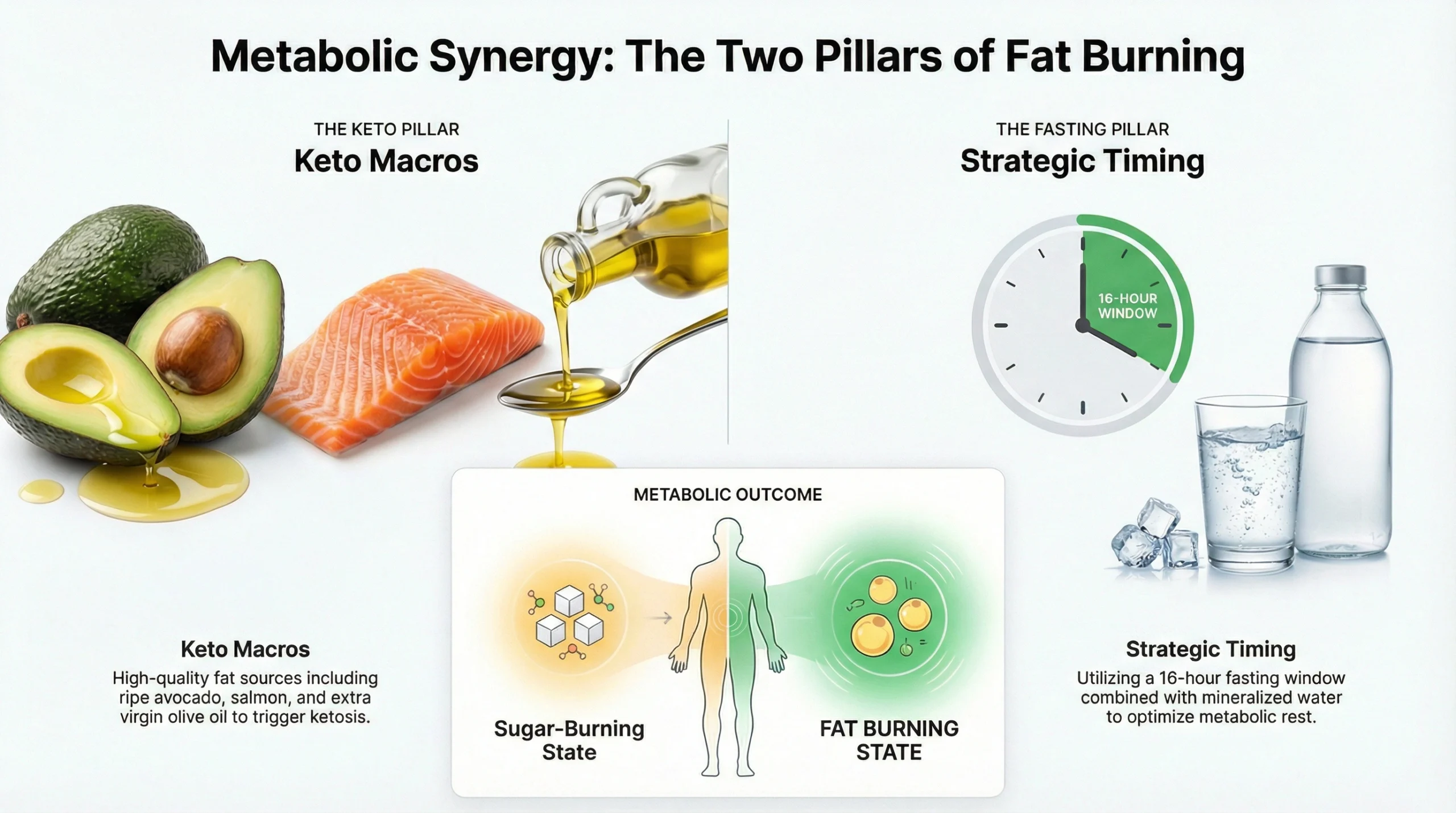
The ketogenic diet mimics aspects of the fasting state by restricting carbohydrates, the primary stimulus for insulin secretion. When carbohydrate intake is high, elevated insulin inhibits lipolysis (the breakdown of fat) and keeps energy locked in adipose tissue. By restricting carbohydrates to under 50 grams per day, insulin drops, and the body can more readily access fat for fuel.
Intermittent fasting on keto extends this effect through timing. While the diet restricts the type of fuel (carbohydrates), fasting restricts the frequency of fuel. When you stop eating, insulin levels drop further, and glycogen stores (stored sugar in the liver and muscles) deplete more rapidly. This depletion is one of the biochemical conditions that supports ketosis. Combining the two can therefore amplify the insulin-lowering effect — which is also why the combination must be monitored carefully for anyone on insulin or other glucose-lowering medication.
Keto and intermittent fasting are mechanistically related, not independent strategies. Both lower insulin and shift the body toward burning stored fat. Keto restricts the type of fuel (carbohydrates); fasting restricts the frequency of fuel. When stacked, the insulin-lowering effect is amplified — which is also why their combined effect on medications must be monitored carefully for anyone on insulin or other glucose-lowering drugs.
Fast-track to ketosis
One of the practical reasons people combine these protocols is to accelerate keto-adaptation. For someone starting a standard ketogenic diet, entering nutritional ketosis typically takes 2 to 7 days — and sometimes longer — depending on glycogen reserves, prior carbohydrate intake, and activity level. See our guide on what ketosis is and how it works.
Fasting can shorten this timeline. Research suggests the metabolic switch from glucose to ketone utilization begins between roughly 12 and 36 hours of fasting. By combining keto with a daily fasting window, liver glycogen depletes more rapidly — often within 8–12 hours of the last meal. Once these stores drop low enough, the liver upregulates production of ketone bodies (acetoacetate, beta-hydroxybutyrate, and acetone) to supply the brain and vital organs. People who combine these protocols often report a shorter adaptation period than those relying on diet alone, though individual results vary widely.
Understanding the 16:8 protocol
Of the various fasting windows, 16:8 is the most commonly used starting point because it is sustainable for most people and integrates with a normal sleep–wake schedule. It is not “the gold standard” in any official sense — it is simply the most studied and the easiest entry point.
What is the 16:8 method?
The 16:8 protocol involves a daily cycle of fasting for 16 hours and consuming calories within an 8-hour window. For example, someone might finish dinner by 8:00 PM and not consume calories again until 12:00 PM the next day. In practice, this typically means skipping breakfast and avoiding late-night snacking.
Why 16 hours?
The duration is not arbitrary. Research suggests 12 hours is roughly the minimum window for substantial glycogen depletion and the beginning of a shift toward lipid oxidation. Extending the window to 16 hours allows the body to spend several additional hours in a state where fat oxidation and ketone production are elevated before the next meal breaks the fast.
16:8 also aligns reasonably well with circadian rhythms for most people. Some research involving resistance-trained individuals suggests the 16:8 method can support fat loss while preserving lean mass when total daily protein and calorie targets are met — but the eating window itself is not protective; the macros consumed within it are.
Fasting windows compared
16:8 is the most commonly used starting point, but it is not the only protocol. The table below summarizes how the most discussed fasting windows interact with a ketogenic diet. Longer windows are not “better” — they carry more risk for some groups and offer diminishing returns for most people.
Longer fasting windows are not inherently “better.” For people without contraindications, the practical benefit of moving from 16:8 to 18:6 or beyond is often outweighed by the increased difficulty of meeting protein and calorie targets, the increased electrolyte demand, and the higher risk of disordered eating patterns developing over time.
👇 Calculate Your 16/8 Macros
Even with intermittent fasting, your macros remain constant. Find your personalized targets below.
Your Personalized Results
Daily Target (within 8-hour window)
0
kcal / day
The mathematics of macros: the window changes, the numbers do not
A common mistake people make when starting intermittent fasting on keto is dropping their calorie intake too far during the feeding window. It is important to understand that intermittent fasting on keto is a tool for changing meal timing, not for unintentionally starving the body.
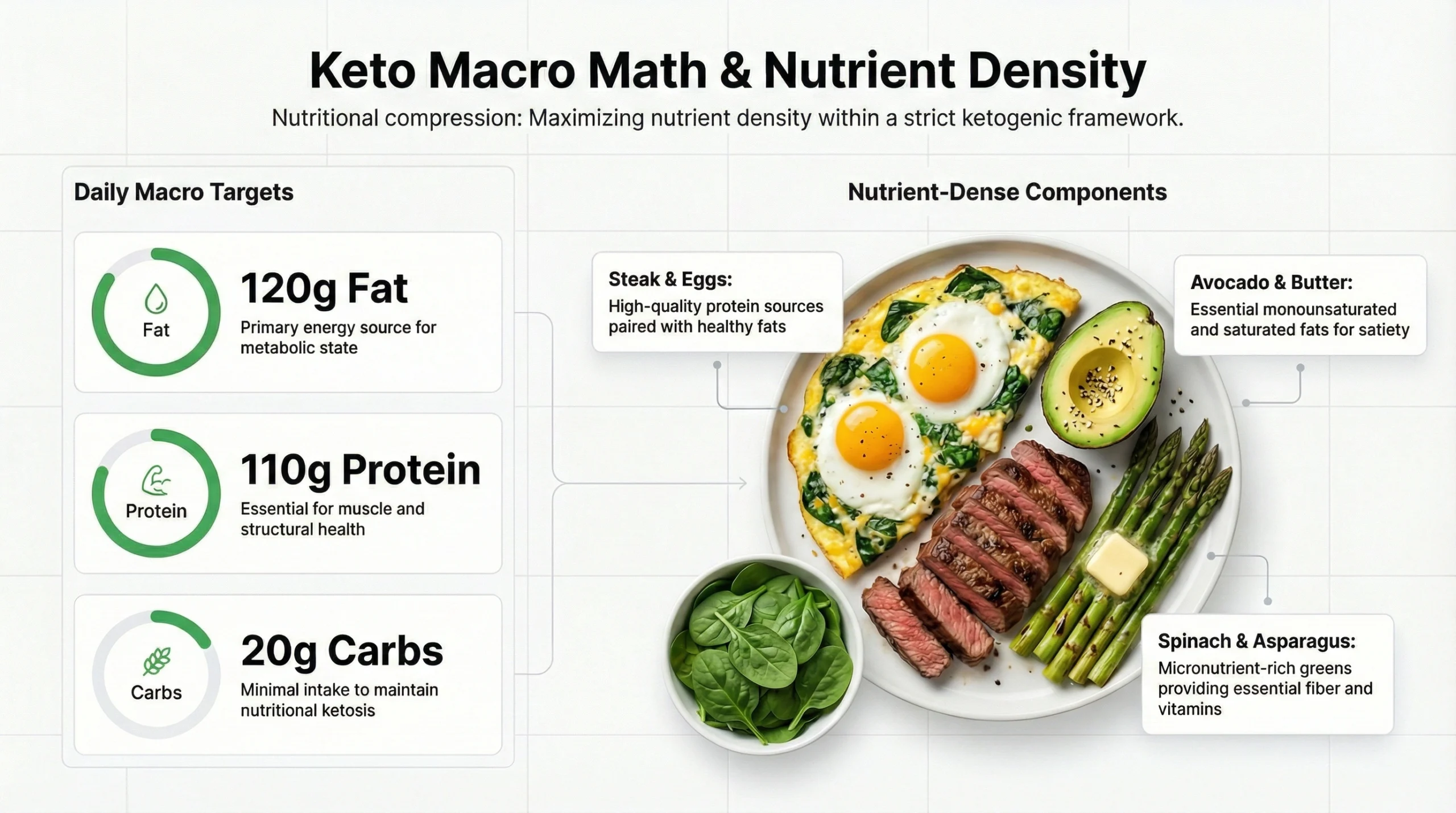
Intermittent fasting on keto is a strategy for changing meal timing, not for accidentally undereating. The daily macro targets from a keto calculator do not change when you compress them into a shorter eating window. Consistently eating well below your target (especially below maintenance calories or below your protein floor) can downregulate thyroid hormones, reduce lean mass, and stall progress.
When you calculate your macros, you receive a specific target for protein, fats, and carbohydrates based on your basal metabolic rate (BMR), activity level, and goal. These numbers remain the same whether you consume them over 14 hours or 8 hours. For background on the difference between net and total carbs within your daily target, see our guide on net carbs vs. total carbs.
Preserving nutrient density
If the calculator prescribes 1,800 calories with 120g of fat, 110g of protein, and 20g of carbohydrates, you need to consume that total amount during your 8-hour eating window. Cutting intake dramatically just because the window is shorter can downregulate thyroid hormones (T3), reduce metabolic rate, and contribute to lean muscle loss.
The goal is to compress nutrition, not eliminate it. During the fasting window, the body draws on stored fat for energy. During the feeding window, it needs the essential amino acids, fatty acids, and micronutrients required for cellular repair and hormonal function. Focus on nutrient-dense, high-satiety foods: avocados, eggs, fatty fish, olive oil, leafy greens, and low-carb vegetables.
Autophagy: cellular maintenance and recycling
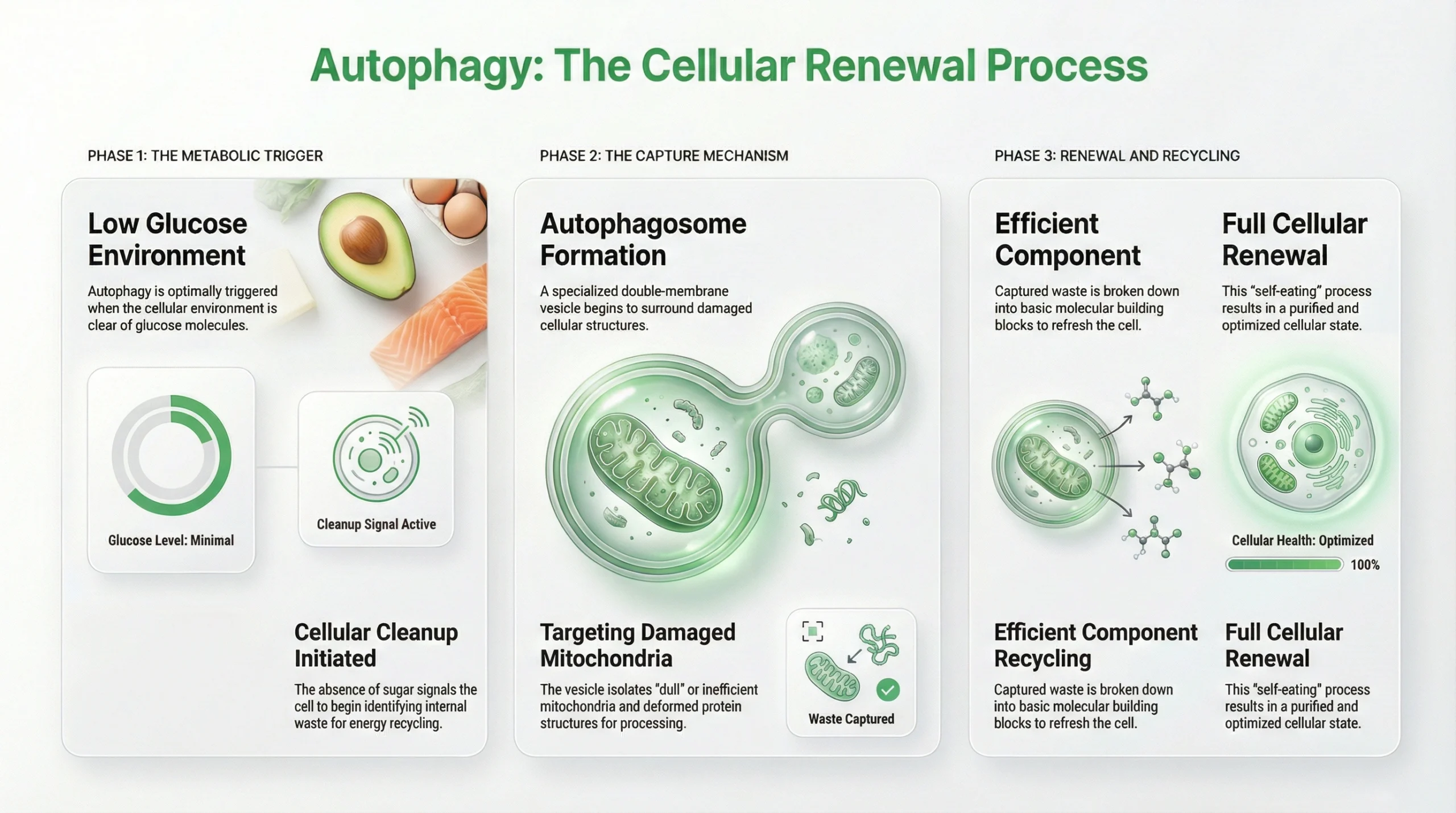
Beyond fat metabolism, the combination of intermittent fasting on keto is often discussed in the context of autophagy. Derived from the Greek for “self-eating,” autophagy is a cellular housekeeping process where the body identifies damaged cells, misfolded proteins, and dysfunctional mitochondria and breaks them down for recycling.
The role of insulin and mTOR
Autophagy is regulated by nutrient sensors in the body, primarily insulin and mTOR (mammalian target of rapamycin). When you eat, insulin rises and mTOR is activated, which signals the body to grow and divide. This generally shuts down autophagy. Conversely, when you fast and restrict carbohydrates (keeping insulin low), mTOR is suppressed, and the AMPK pathway is activated, which can trigger autophagy.
Research suggests ketosis alone may stimulate some autophagy, and a deeper fasted state may amplify this effect. Studies indicate autophagy increases meaningfully after approximately 16–24 hours of fasting, although the precise threshold varies by individual and the human data is more limited than the animal-model data. Interest in autophagy is partly driven by its possible role in neurodegenerative disease and aging, but these effects in humans remain an area of active research rather than settled science. The practical takeaway is that giving the body extended periods without food intake may support cellular maintenance processes — not that fasting reliably “reverses” aging or prevents specific diseases.
Reported benefits of combining keto and fasting
The reported effects of combining keto and fasting extend beyond weight loss and include metabolic, cognitive, and appetite-related changes. The strength of the evidence varies by outcome — some effects are well-supported, others are based on smaller studies or anecdotal reports.
Insulin sensitivity and blood sugar control
Insulin resistance is a defining feature of metabolic syndrome and type 2 diabetes. By compressing the eating window and reducing carbohydrate-driven glucose spikes, resting insulin levels typically drop. Research suggests this combination may improve insulin sensitivity and support better blood glucose regulation in some people, and may help lower HbA1c levels in individuals with insulin resistance or type 2 diabetes. Decisions about medication adjustment must be made with a qualified healthcare provider — these dietary changes can rapidly alter medication requirements, particularly for anyone on insulin, sulfonylureas, or SGLT2 inhibitors.
Visceral fat loss
Visceral fat — the fat stored around internal organs — is metabolically active and responsive to insulin levels. By lowering insulin through the combination of carbohydrate restriction and fasting, the body may mobilize visceral fat more effectively than with calorie restriction alone. Reductions in waist circumference are commonly reported, though individual results depend on adherence, total calorie intake, and starting body composition.
Cognitive effects
The brain typically uses glucose as its primary fuel, but it can also use ketones — particularly beta-hydroxybutyrate (BHB) — when glucose is scarce. Research suggests ketones may produce more energy per unit of oxygen than glucose with less oxidative byproduct. People often report a reduction in “brain fog” and improved focus during sustained ketosis, although these are subjective effects and not universal. Fasting has also been associated with increased brain-derived neurotrophic factor (BDNF), a protein involved in neuronal health.
Appetite regulation
Counterintuitively, eating less often may reduce hunger over time. Ketones appear to influence ghrelin (the hunger hormone), and the absence of glucose spikes between meals helps stabilize blood sugar — preventing the dips that drive cravings. For many people this makes 16:8 more sustainable than chronic daily calorie counting.
Navigating challenges: keto flu and electrolytes
Transitioning to intermittent fasting on keto changes the body’s fluid and mineral balance. As insulin drops, the kidneys excrete sodium and water at an accelerated rate. This diuretic effect is responsible for the rapid initial weight loss often called “water weight,” but it can also lead to a constellation of symptoms commonly referred to as the “keto flu”.
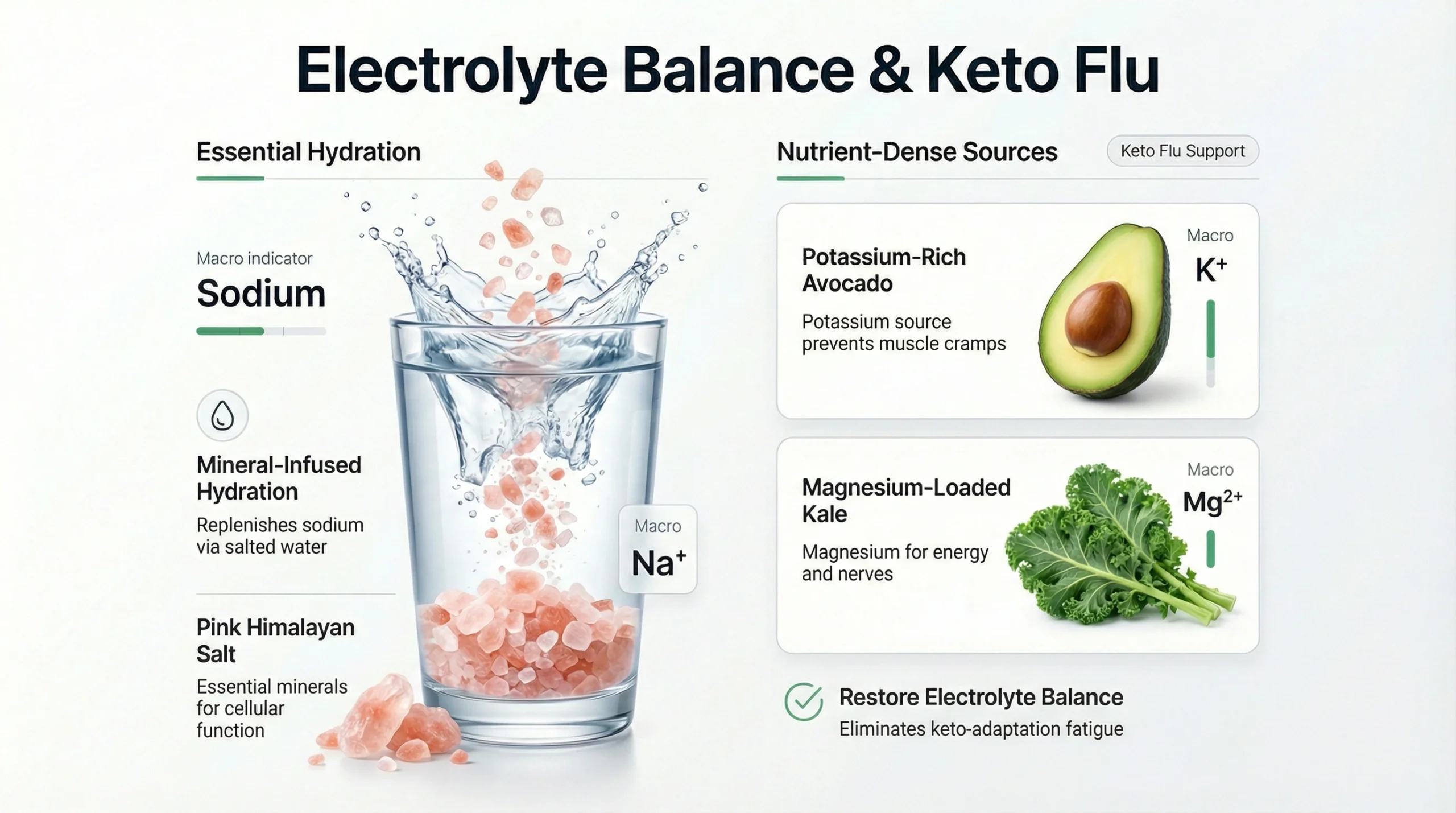
Keto alone increases sodium and water excretion by the kidneys. Adding a daily fasting window amplifies this effect. Drinking plain water without electrolytes during a long fast can worsen symptoms by further diluting sodium. Practical baseline during adaptation: roughly 3,000–5,000 mg sodium, 1,000 mg potassium, and 300 mg magnesium per day from food and supplements combined — adjusted to your activity level and any medication-related restrictions.
Symptoms and management
Common symptoms include fatigue, headaches, dizziness, and muscle cramps. These are typically signs of electrolyte deficiency rather than starvation. See our full guide on keto electrolytes and hydration for detailed protocols.
- Sodium: the most commonly under-replenished mineral on keto. Salting food more liberally or drinking broth typically helps.
- Magnesium and potassium: support muscle and nerve function and help reduce cramps and fatigue. Leafy greens, avocados, nuts, and seeds are good keto-friendly sources.
- Hydration: plain water alone is not sufficient. Drinking large volumes of plain water without electrolyte replacement can dilute sodium and worsen symptoms. Mineralized water or a no-sugar electrolyte supplement is preferable, especially during longer fasting windows.
If symptoms persist or include severe dizziness, fainting, chest pain, or rapid heartbeat, stop fasting and consult a healthcare provider.
A practical phased starting protocol
For people already eating keto and considering layering in intermittent fasting, a phased approach is safer and more sustainable than jumping straight into a long fast. The following progression assumes you have no contraindications (see safety section below) and that any medical conditions or medications have been reviewed with your healthcare provider beforehand.
Phase 1: Fat adaptation (weeks 1–2)
Focus on the ketogenic diet alone. Reduce carbohydrates to under 20–50g net carbs per day. Eat to satiety. Allow the body to develop the enzymatic adaptations needed to burn fat efficiently. Do not restrict eating windows yet. If you are new to keto, our guide to entering ketosis may help.
Phase 2: Soft start (weeks 3–4)
Begin by eliminating late-night snacking. Aim to stop eating by 8:00 PM and have breakfast at 8:00 AM (12:12 schedule). For many people this is a sustainable long-term pattern on its own.
Phase 3: Move toward 16:8 (week 5+, optional)
If 12:12 has been comfortable for 1–2 weeks and you have no contraindications, gradually push the first meal of the day back by 30 minutes per week, working toward a 14:10 and then 16:8 schedule. There is no requirement to reach 16:8 — many people maintain 12:12 or 14:10 indefinitely.
- 7:00 AM: wake up. Hydrate with water and electrolytes. Plain black coffee or tea is permitted (no sugar, milk, or sweeteners).
- 12:00 PM (break fast): consume the first meal. Prioritize protein and healthy fats. Example: omelet with spinach, avocado, and salmon.
- 4:00 PM (optional snack): a small portion of macadamia nuts or full-fat cheese, only if needed for satiety.
- 8:00 PM (last meal): finish dinner. Example: steak with asparagus and butter.
- 8:00 PM – 12:00 PM: fasting window (water, plain tea, plain coffee, and electrolytes).
Important: if you experience persistent dizziness, lightheadedness, or fatigue, do not “push through” — go back to a shorter fasting window, increase electrolytes, and check in with a healthcare provider if symptoms continue.
Contraindications and safety
Combining intermittent fasting with the ketogenic diet is a significant metabolic stressor. For some groups it carries meaningful risk and should not be attempted without explicit medical guidance.
Do not combine keto and intermittent fasting without medical supervision if you:
- Have type 1 diabetes: very high risk of diabetic ketoacidosis (DKA). Nutritional ketosis is not DKA, but the safety margin in type 1 diabetes is narrow and depends on insulin dosing. Any change in carbohydrate intake or meal timing requires endocrinologist supervision. See our explainer on ketosis vs. ketoacidosis.
- Have type 2 diabetes and take insulin or sulfonylureas: risk of hypoglycaemia is meaningfully increased. Medication doses commonly need to be reduced — only by your prescribing healthcare provider — before starting a low-carb or fasted protocol.
- Take SGLT2 inhibitors (e.g. canagliflozin, dapagliflozin, empagliflozin): these medications carry an increased risk of euglycemic diabetic ketoacidosis on very-low-carb diets and during fasting. This is a life-threatening condition that can occur even when blood glucose appears normal. The combination of SGLT2 inhibitors + keto + fasting is generally not recommended.
- Take GLP-1 receptor agonists (e.g. semaglutide, liraglutide, tirzepatide) or other prescription weight management medications: appetite suppression from medication plus a restrictive eating window can lead to inadequate intake and rapid lean mass loss. Discuss with your prescriber before changing eating patterns.
- Have kidney disease or a history of kidney stones: very-low-carb diets and fasting can increase kidney stone risk and may affect renal function. People on a protein-restricted diet especially require supervision.
- Have liver disease, pancreatitis, or any history of DKA: impaired hepatic metabolism of fat and ketones makes ketogenic and fasted protocols potentially unsafe.
- Have cardiovascular conditions or take blood-pressure medication: rapid water and sodium shifts on keto and fasting can affect blood pressure significantly.
- Are pregnant or breastfeeding: fetal and infant nutrient demands are not compatible with restrictive eating windows or very-low-carb intake.
- Are a child or teenager: growth, development, and hormonal needs make restrictive fasting inappropriate outside of supervised medical contexts (such as ketogenic diet for refractory epilepsy under specialist care).
- Have any history of eating disorders or disordered eating — anorexia, bulimia, binge eating disorder, or restrictive patterns: the tracking and restriction inherent to keto + IF can reactivate or worsen these patterns.
- Are significantly underweight (BMI under 18.5): further caloric restriction risks malnutrition and is not appropriate.
- Experience frequent dizziness, fainting, or have low blood pressure: fasting can worsen these symptoms.
- Are dehydrated, ill, or recently recovering: wait until baseline health is stable.
If you experience persistent confusion, vomiting, fruity breath odour, rapid breathing, severe abdominal pain, or signs of significant dehydration, stop fasting immediately and seek medical care. These can be signs of DKA — a medical emergency — and require prompt evaluation regardless of how “normal” your blood glucose reading appears.
Final practical takeaway
Combining intermittent fasting with a ketogenic diet is one approach among many. It is not a metabolic miracle, and it is not appropriate for everyone — particularly people with diabetes on insulin or SGLT2 inhibitors, those on GLP-1 medications, anyone with a history of eating disorders, pregnant or breastfeeding individuals, children, teenagers, or people with kidney or liver disease. For people without these conditions who are already keto-adapted, a gradual on-ramp through 12:12 to 14:10 to 16:8 is reasonable, with electrolyte and hydration attention throughout.
If the practical experience is unsustainable, that is useful information — not a personal failure. Returning to a wider eating window or a less restrictive low-carb pattern is a valid choice. The most effective dietary pattern is one that supports your health markers, fits your routine, and is one you can maintain over the long term.
Disclaimer: This article is for educational purposes only and is not medical advice. Always consult a qualified healthcare provider before starting a restrictive dietary or fasting protocol, especially with pre-existing conditions such as diabetes, kidney disease, liver disease, eating disorders, or while taking prescription medications.
Frequently asked questions
What is intermittent fasting on keto?
Intermittent fasting on keto means combining a ketogenic diet (carbohydrates typically below 50g per day) with a daily fasting window in which no calories are consumed. Both approaches lower insulin and shift the body toward fat-based metabolism. Combining them may accelerate keto-adaptation and amplify certain metabolic effects, but also increases certain risks for some groups and is not appropriate for everyone.
Does fasting help you get into ketosis faster?
Research suggests fasting can shorten the time to nutritional ketosis. The metabolic switch from glucose to ketone use begins between roughly 12 and 36 hours of fasting. Combining a ketogenic diet with a 14- to 16-hour daily fasting window can deplete liver glycogen faster and accelerate ketone production. Individual timelines vary based on prior carbohydrate intake, activity level, and metabolic flexibility.
What can I drink during the fasting window on keto?
Water, plain coffee, plain tea, and sparkling water with no calories generally do not break a fast. Adding sugar, milk, cream, or sweeteners introduces calories or insulin response and is considered breaking the fast in most protocols. Electrolyte supplements without calories (sodium, potassium, magnesium in water) are usually tolerated and may help with fasting-related symptoms.
What is the best fasting window for keto beginners?
For most people new to combining the two, starting at 12:12 (12-hour fast, 12-hour eating window) and gradually moving to 14:10, then 16:8, is more sustainable than starting with a long fast. Longer windows such as 18:6, 20:4, OMAD, or extended fasting are not recommended without prior keto adaptation and a clear understanding of personal contraindications. Aggressive fasting on top of keto can amplify electrolyte loss and adaptation symptoms.
Can intermittent fasting on keto cause electrolyte problems?
Yes. The ketogenic diet alone increases sodium and water excretion by the kidneys, and fasting amplifies this effect. Symptoms of electrolyte deficiency include fatigue, headache, dizziness, muscle cramps, and lightheadedness on standing. Sodium intake typically needs to increase (often 3,000–5,000 mg per day during adaptation), along with adequate potassium and magnesium from food or supplements. Drinking plain water without replacing electrolytes can worsen symptoms.
Who should not combine intermittent fasting and keto?
People who should not combine these approaches without medical supervision include those with type 1 diabetes, type 2 diabetes on insulin or SGLT2 inhibitors (increased DKA and euglycemic DKA risk), individuals on GLP-1 medications, people with kidney or liver disease, pregnant or breastfeeding individuals, children and teenagers, people with a history of eating disorders, those significantly underweight (BMI under 18.5), and anyone with a history of fainting or frequent dizziness.
Will I lose muscle doing intermittent fasting on keto?
Muscle loss is possible if total daily protein intake or total daily calories drop too low during the eating window. The eating window does not change the daily macro targets — the same amount of protein and calories needs to be consumed in fewer, larger meals. Adequate protein (commonly 0.7–1.0g per pound of lean body mass for active adults) and resistance training are the main protective factors. Excessive fasting or large caloric deficits increase the risk of lean mass loss.
Data & sources
The claims and figures in this article are drawn from general scientific consensus on the ketogenic diet and intermittent fasting. Where specific quantified claims are made (such as fasting-window timelines or HbA1c effects), the underlying primary literature should be consulted for context. This article does not present any single study as definitive evidence.
- Glycogen depletion and ketone production timeline — the 8–12 hour glycogen depletion window and the 12–36 hour metabolic-switch range reflect commonly cited ranges in the metabolic literature; individual timelines vary significantly. Specific primary citation pending verification before being presented as a precise figure.
- Insulin sensitivity, HbA1c, and type 2 diabetes — research on keto and intermittent fasting suggests possible improvements in insulin sensitivity and HbA1c in some people with insulin resistance or type 2 diabetes. These effects are individual and require medical supervision for anyone on glucose-lowering medication. Specific primary studies pending verification before being cited as definitive evidence.
- Autophagy timeline — the 16–24 hour autophagy upregulation figure reflects ranges reported in animal-model and limited human research. Human-data quality on autophagy thresholds is weaker than the animal data; this figure should not be presented as a precise human threshold.
- SGLT2 inhibitor and euglycemic DKA risk on keto + fasting — the increased risk of euglycemic diabetic ketoacidosis in people taking SGLT2 inhibitors on very-low-carb diets and during fasting is widely reported in endocrinology literature and FDA medication labeling. Anyone on these medications should discuss diet changes with their prescriber.
- Electrolyte requirements during keto adaptation — the 3,000–5,000 mg sodium / 1,000 mg potassium / 300 mg magnesium daily intake range during adaptation reflects common practical guidance summarized across keto-clinical resources; individual requirements vary by activity level, climate, and medical conditions.
Pre-publish note: 2–3 authoritative source links (PubMed, NIH, Harvard Health) should be added for items 1–3 once verified URLs are available. Commercial or low-authority sources are not used here.
Further Reading & Tools
Understand the biological mechanisms of transitioning to fat-burning in detail.
Detailed electrolyte protocols for navigating the adaptation phase on keto and during fasting.
Sodium, potassium, and magnesium dosing for keto and intermittent fasting.
How to track ketone levels during keto and intermittent fasting.
Understand how to count carbs within your 8-hour eating window.
How keto compares to other dietary approaches for sustainability and health goals.
Explore more resources
Additional reading on intermittent fasting and the ketogenic diet: