
How to Get Back Into Ketosis After a Carb Binge (Recovery Guide)
Whether due to a planned holiday event or a sudden dietary lapse involving pizza or pastries, deviating from a ketogenic diet fundamentally alters systemic energy metabolism. The fundamental instruction for recovery is simple: return to your macros from the calculator the very next morning.
Quick answer
Quick Answer: No fasting, purging, or punishment needed. Simply return to your keto macros the next morning, stay hydrated, and replenish your electrolytes. For most people, nutritional ketosis resumes within 24 to 72 hours after a typical cheat day — faster if you add light exercise or a short overnight fast.
Executive scientific summary
A cheat day on keto triggers an abrupt metabolic shift from lipid oxidation to glucose metabolism. Ingesting high-glycemic loads induces a rapid insulin spike, which halts hepatic ketogenesis and promotes glycogen storage in the liver and skeletal muscle. This transition often causes acute water retention, reactive hypoglycemia, and systemic lethargy. To recover, prolonged fasting, purging, or severe caloric restriction is metabolically counterproductive and psychologically detrimental. Instead, the most effective approach involves an immediate return to strict carbohydrate restriction (under 20–50g net carbs), targeted electrolyte replenishment (sodium, potassium, magnesium), and moderate physical activity to accelerate glycogen depletion. Depending on the individual’s baseline metabolic flexibility and degree of keto-adaptation, a complete metabolic transition back to fat-burning typically occurs within 24 to 72 hours.
⚠️ Important: Read Before Following Any Protocol
This article is for educational purposes only and is not medical advice. The recovery protocols described here — including fasting, exercise recommendations, and electrolyte targets — are intended for healthy adults without underlying health conditions.
Speak with a qualified healthcare professional before making major dietary changes if you: have type 1 or type 2 diabetes or use insulin or glucose-lowering medication; have kidney disease or high blood pressure; are pregnant or breastfeeding; take diuretics, ACE inhibitors, or blood pressure medications; or have a history of disordered eating or eating disorders. Fasting in particular can significantly affect blood sugar and medication requirements. If you experience dizziness, heart palpitations, or confusion during any recovery protocol, stop and seek medical attention.
How Long Does It Take to Get Back Into Ketosis? (By Cheat Size)
For most people, returning to nutritional ketosis takes 24–72 hours after a typical cheat day. Extended breaks from keto — a full weekend or a week off — can extend re-entry to 5–7 days. The exact timeline depends on how many carbs you consumed, your current level of fat-adaptation, and whether you use exercise or fasting to accelerate glycogen depletion.
Key insight: Recovery time scales with how much glycogen you stored. A single off-plan meal typically clears in 12–24 hours. A full cheat day takes 24–48 hours. A full weekend off keto takes 48–72 hours. An extended break of a week or more can take 5–7 days. Fat-adapted veterans recover faster than beginners.
| Cheat Scenario | Estimated Return to Ketosis | Key Factor |
|---|---|---|
| Small cheat (1 off-plan meal, ~30–50g net carbs) | 12–24 hours | Minimal glycogen replenishment; quick to clear with strict macro return. |
| Moderate cheat (full day of normal eating) | 24–48 hours | Liver glycogen partially refilled; standard recovery with low carbs. |
| Full weekend off keto (150g+ carbs/day × 2 days) | 48–72 hours | Both liver and muscle glycogen near-full; exercise accelerates depletion. |
| Extended break (1 full week or more off keto) | 5–7 days | Complete glycogen saturation; beginners often need closer to 7 days. |
| Re-entry for a keto beginner (first 3 months on keto) | Add 1–2 extra days to any scenario above | Fewer fat-burning enzymes; metabolic flexibility not yet fully built. |
| Re-entry for a fat-adapted veteran (1+ year on keto) | Subtract 12–24 hours from any scenario above | High metabolic flexibility; glycogen depleted faster at cellular level. |
Values are approximate based on typical glycogen storage capacity (~100g hepatic, ~300–400g muscular) and standard insulin clearance rates. Individual results vary by body size, activity level, and degree of keto-adaptation.
Rapid data matrix: actionable recovery protocols
Key insight: Every recovery protocol works through one of two mechanisms — either reducing the insulin signal that blocks fat burning, or directly depleting the glycogen stores that prevent ketogenesis. The most effective approach is to combine strict macro reset with electrolyte loading and moderate exercise simultaneously.
Understanding how long to get back into ketosis after cheat events depends on understanding the physiological mechanisms of glycogen storage and insulin response. The table below summarizes all core recovery strategies with their metabolic impact and practical recommendations.
| Item / concept | Keto compatibility | Metabolic impact | Practical recommendation |
|---|---|---|---|
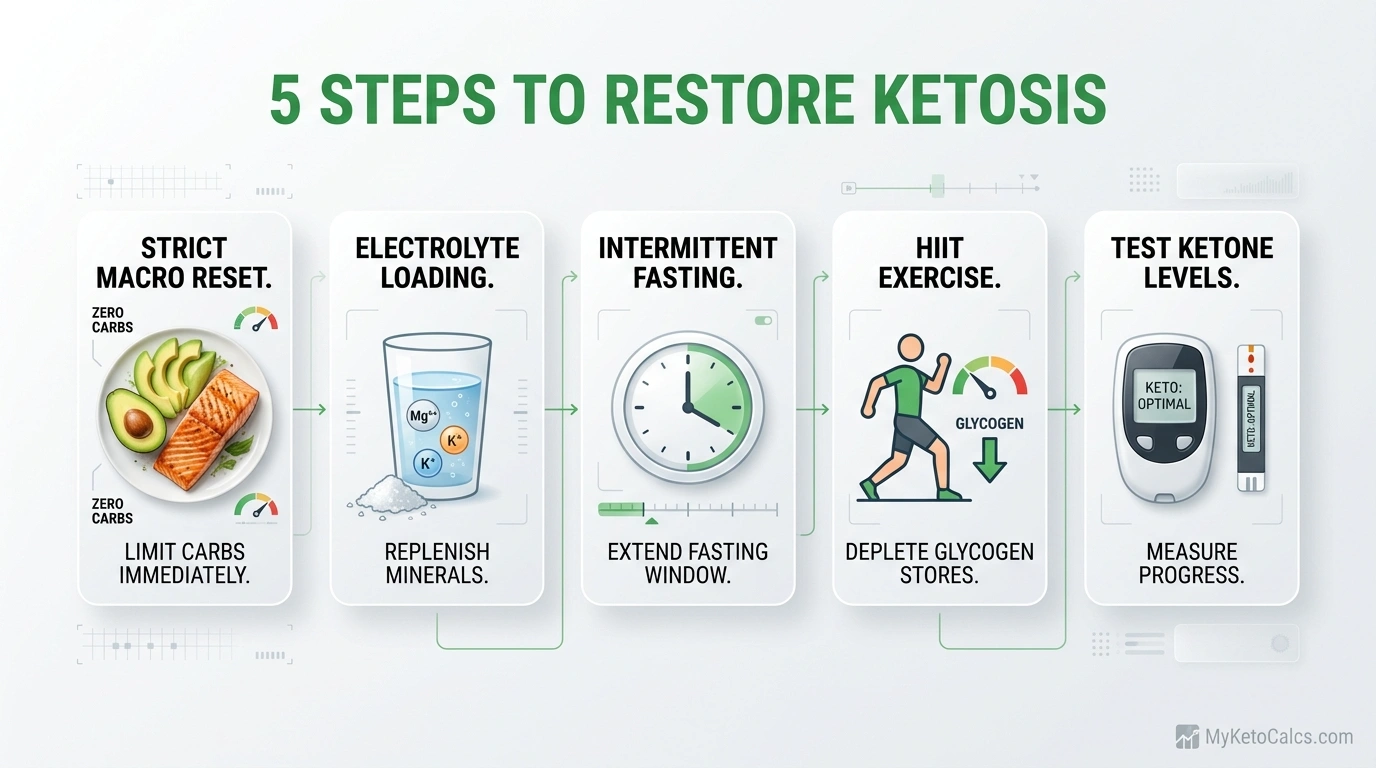
| Strict macro reset | yes | Halts lipogenesis, lowers insulin, initiates hepatic glycogen depletion. | Return to calculated macros (<20-50g net carbs) immediately the next morning. |
| Electrolyte loading | yes | Prevents osmotic diuresis side effects (keto flu) as insulin levels crash. | Consume 3-5g sodium, plus potassium and magnesium via whole foods or supplements. |
| Intermittent fasting | limit (use carefully) | Accelerates hepatic glycogen oxidation without introducing new caloric energy. | Implement a 16:8 fasting window to hasten the return to beta-oxidation, avoiding extreme fasts. |
| HIIT / exercise | yes | Burns skeletal muscle glycogen directly, increasing cellular insulin sensitivity. | Engage in resistance training or brisk cardio within 24 hours of the carbohydrate binge. |
| Extreme starvation / purging | avoid | Spikes cortisol, increases muscle catabolism, triggers binge-restrict cycles. | Do not punish a binge with compensatory starvation; prioritize metabolic stability. |
| Exogenous ketones / MCTs | limit | Temporarily elevates blood ketones without increasing endogenous fat burning. | Use only for mental clarity or energy bridging during the adaptation phase. |
Scientific deep dive: the physiology of a carb binge and keto recovery
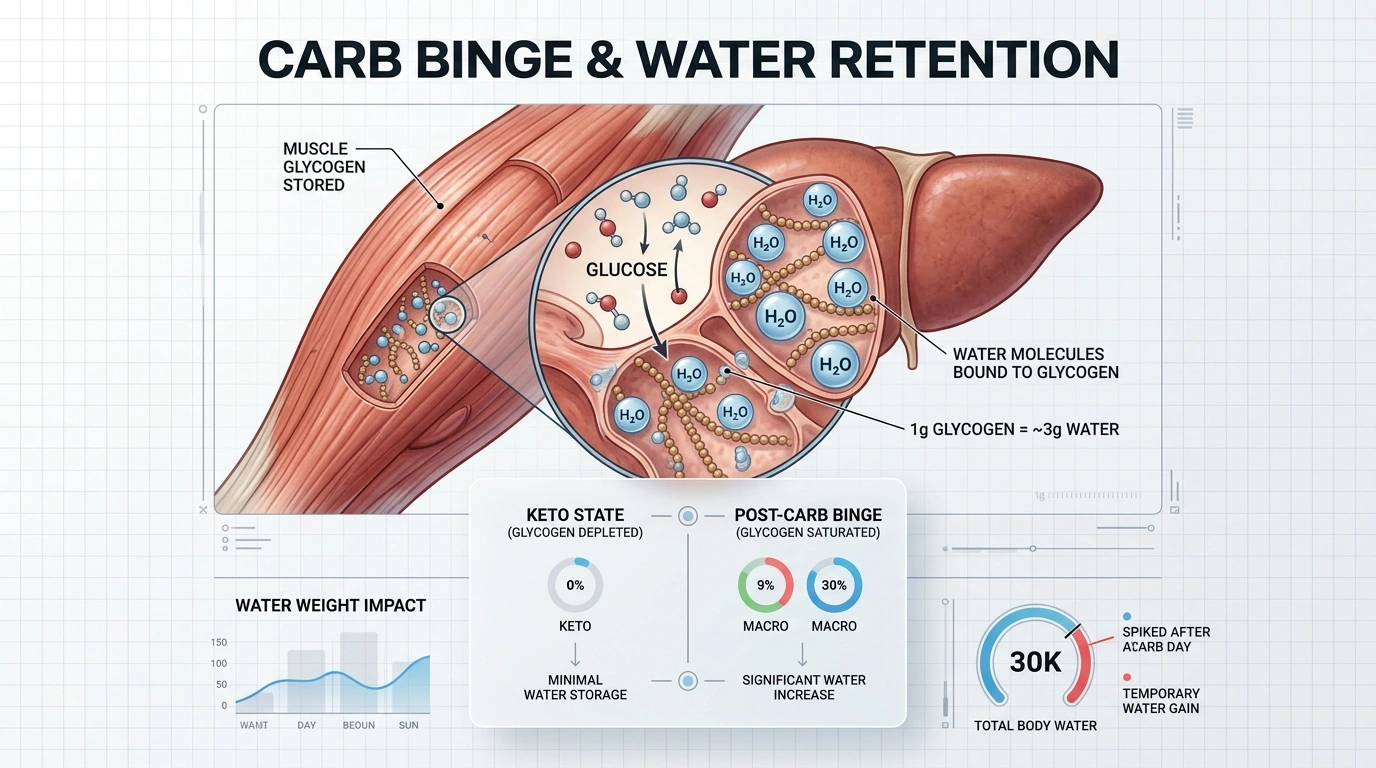
Key insight: A carbohydrate binge triggers an insulin surge that simultaneously halts fat breakdown and fills glycogen stores in the liver and muscles. Every gram of glycogen binds roughly 3–4 grams of water — explaining immediate bloating and the scale jump. Restoring ketosis requires depleting this glycogen through time, restriction, and movement.
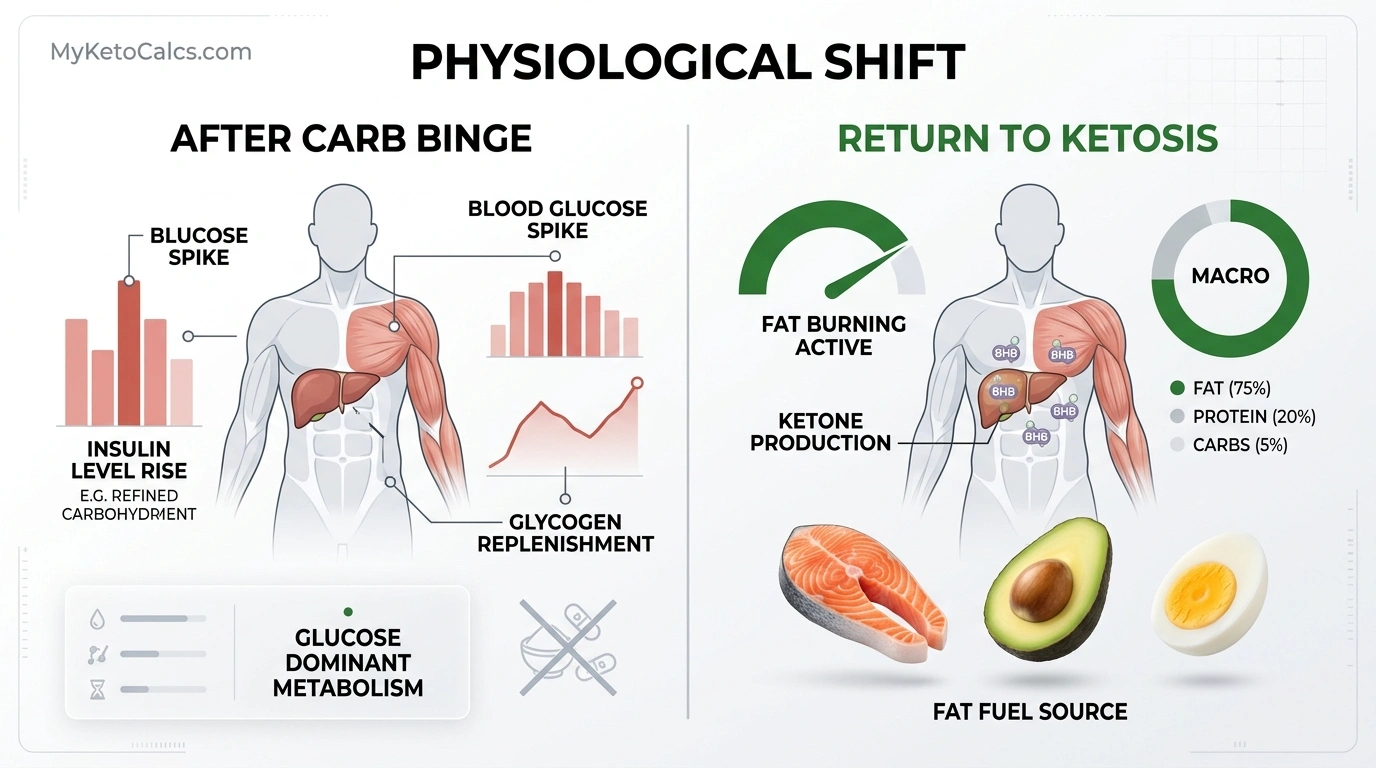
To recover efficiently, one must first analyze the biochemical cascade triggered by a sudden carbohydrate influx. The ketogenic diet suppresses insulin secretion, forcing the liver to convert fatty acids into ketone bodies for neurological and physical fuel.
When high-glycemic carbohydrates are consumed, the pancreas releases a surge of insulin. Insulin functions as a highly anabolic storage hormone; it immediately halts lipolysis (the breakdown of fat) and initiates lipogenesis (the storage of fat). The incoming glucose is shuttled into the liver and skeletal muscles to be stored as glycogen. Because every gram of glycogen chemically binds to approximately 3 to 4 grams of water, a carbohydrate binge results in instant, profound water retention and bloating.
Following this insulin spike, the body frequently experiences reactive hypoglycemia—a rapid crash in blood sugar that induces fatigue, brain fog, and severe secondary carbohydrate cravings. To transition the metabolism back to nutritional ketosis, the body must fully exhaust this newly acquired glycogen payload.
1. Strict macronutrient reset
Metabolic profile (glucose, insulin, ketones): resuming strict carbohydrate restriction immediately halts the exogenous supply of glucose. As blood glucose clears, insulin levels drop, which reverses the suppression of glucagon. Glucagon mobilizes stored hepatic glycogen; once this glycogen falls below a critical threshold, hepatic ketogenesis resumes.
Practical keto use: the most critical step is to return to your precise macronutrient targets the very next morning. Do not attempt to eat zero calories. Consume meals rich in high-quality fats (avocados, olive oil, grass-fed butter) and moderate protein (eggs, fish, meat), keeping net carbohydrates strictly below 20 to 50 grams.
Biochemical justification (always / limit / avoid):
- Always prioritize fiber over net carbs. Dietary fiber does not elicit an insulin response and supports gut microbiome health, mitigating the digestive distress often caused by a binge.
- Limit “zero sugar” or artificially sweetened foods during the recovery window. Ingredients like maltitol or excessive non-nutritive sweeteners can trigger a cephalic phase insulin response or disrupt gut flora, prolonging cravings.
- Avoid hidden carbohydrates in processed meats, sauces, and dressings, which can unknowingly keep you above the ketogenic threshold and delay glycogen depletion.
Edge cases: individuals with high metabolic flexibility (advanced, long-term keto dieters) can often clear glycogen and return to ketosis in under 24 hours. Beginners, whose cellular machinery is less adapted to lipid oxidation, may require 3 to 7 days to shift back and may experience more pronounced cravings.
2. Electrolyte and hydration management
Metabolic profile (glucose, insulin, ketones): as carbohydrate intake drops and glycogen is oxidized, circulating insulin plummets. Low insulin decreases the renal reabsorption of sodium, prompting the kidneys to excrete large volumes of sodium and water (osmotic diuresis). This rapid depletion of intracellular and extracellular electrolytes is the primary catalyst for the keto flu.
Practical keto use: proactive electrolyte replacement is mandatory to sustain energy and muscle function. Target an intake of 3,000 to 5,000 mg of sodium daily. Complement this with dietary or supplemental potassium (from spinach, avocados, or salts) and magnesium (from pumpkin seeds, almonds, or glycinate supplements). For a full electrolyte guide, see optimizing keto electrolytes and hydration.
Biochemical justification (always / limit / avoid):
- Always hydrate aggressively while simultaneously providing mineral co-factors. Consuming bone broth provides a highly bioavailable source of sodium and hydration.
- Limit the consumption of massive quantities of plain, unmineralized water, as this can further dilute serum sodium levels and exacerbate lethargy or headaches.
- Avoid commercial sports drinks that contain sugars or dextrose, as these will directly spike glucose and prevent ketogenesis.
Important caveat: People with high blood pressure or kidney disease should speak with a healthcare provider before following high-sodium protocols, as aggressive sodium supplementation may not be appropriate for their condition. The 3,000–5,000 mg/day target is intended for healthy adults without underlying conditions.
3. Glycogen depletion via exercise
Metabolic profile (glucose, insulin, ketones): skeletal muscle lacks the enzyme glucose-6-phosphatase, meaning muscle glycogen cannot be released back into the bloodstream to raise systemic blood sugar; it must be oxidized locally for mechanical energy. Physical exertion dramatically increases ATP demand, accelerating the depletion of these localized glucose stores.
Practical keto use: engage in high-intensity interval training (HIIT), heavy resistance training, or a prolonged, brisk cardiovascular session within 24 hours of the cheat meal. This serves as a metabolic sink, absorbing and utilizing the excess glucose.
Note: If you have a heart condition, are not accustomed to high-intensity exercise, or are experiencing dizziness or fatigue from the post-binge crash, choose low-to-moderate activity (a brisk walk or gentle resistance work) rather than HIIT. The goal is glycogen depletion — not performance.
Biochemical justification (always / limit / avoid):
- Always incorporate movement after a binge. Exercise not only depletes glycogen but also enhances insulin sensitivity, rapidly clearing circulating blood glucose.
- Limit highly glycolytic (sugar-burning) exercises once you have re-entered ketosis if you feel unadapted fatigue, as your body is upregulating the enzymes required for efficient beta-oxidation.
- Avoid extreme overtraining. Punishing a dietary lapse with exhaustive exercise spikes cortisol (a primary stress hormone). Cortisol triggers gluconeogenesis (the creation of new glucose from amino acids), which paradoxically elevates blood sugar and stalls ketone production.
Edge cases: highly trained athletes possess immense muscle glycogen storage capacity and superior insulin sensitivity, allowing them to process carbohydrate binges rapidly and return to ketosis swiftly. Sedentary individuals will rely much more heavily on strict dietary restriction to clear glycogen.
4. Fasting and intermittent caloric restriction
Metabolic profile (glucose, insulin, ketones): during a fasting window, the absence of incoming dietary calories forces the liver to break down its stored glycogen to maintain basal blood glucose levels. Once hepatic glycogen falls below a critical volume, the liver shifts to beta-oxidation and begins synthesizing beta-hydroxybutyrate and acetoacetate.
Practical keto use: implement a time-restricted eating window, such as the 16:8 protocol (fasting for 16 hours, eating within an 8-hour window). Skipping breakfast the day following a binge provides the body an extended overnight period to lower insulin and oxidize the cheat meal’s energy.
Biochemical justification (always / limit / avoid):
- Always consume adequate fluids (black coffee, herbal tea, or water) during the fast. Caffeine can mildly enhance lipolysis and glycogen utilization.
- Limit fasting to a comfortable duration. A 16- to 24-hour reset is highly effective for glycogen depletion without causing severe metabolic stress.
- Avoid multi-day starvation as a compensatory behavior for a binge. Extreme restriction can negatively impact thyroid hormone conversion and promote a dangerous restrict-binge psychological cycle.
Safety note: If you have diabetes and use insulin or glucose-lowering medication, fasting can significantly affect your blood sugar and medication requirements — consult your healthcare provider before implementing any fasting protocol. If you have a history of disordered eating, the binge-restrict pattern described in this article is a recognized psychological risk. A recovery plan built on returning calmly to normal eating is more sustainable and safer than any compensatory fasting or restriction approach.
Edge cases: women may experience greater hormonal volatility with prolonged fasting. Fasting should be applied gently, focusing primarily on extending the natural overnight fasting window rather than forcing extreme caloric deprivation.
5. Integrating MCTs and exogenous ketones
Metabolic profile (glucose, insulin, ketones): medium-chain triglycerides (MCTs) bypass the lymphatic system and travel directly via the portal vein to the liver, where they are rapidly oxidized into ketones. Exogenous ketones (BHB salts) introduce pre-formed ketone bodies directly into the bloodstream.
Practical keto use: incorporating MCT oil into morning coffee or utilizing exogenous ketone supplements can temporarily elevate blood ketone levels, providing alternative fuel to the brain and mitigating the fatigue and brain fog associated with the “keto crash”.
Biochemical justification (always / limit / avoid):
- Always view MCTs and exogenous ketones as tools to bridge the energy gap, not as magic solutions. They support mental clarity while your body does the hard work of clearing glucose.
- Limit the dosage of MCT oil if you are unaccustomed to it, as excessive amounts can cause rapid gastrointestinal distress.
- Avoid believing that exogenous ketones “erase” carbohydrates. If your liver is still full of glycogen, taking exogenous ketones simply means your blood contains both high glucose and high ketones — a state that is very different from true nutritional ketosis (see ketosis vs. ketoacidosis: understanding the difference). It does not accelerate endogenous fat burning.
👇 Calculate Your Recovery Macros
The very first step of the recovery protocol is to return to your precise macronutrient targets the very next morning. Use this calculator to get your exact numbers.
Your Personalized Results
Daily Target
0
kcal / day
Methodology: nutritional database logic and glycemic principles
Key insight: Three common reactions after a keto cheat — starvation, relying on exogenous ketones, or assuming fat-adaptation is gone — are all ineffective. The evidence-based path is straightforward: return to your macros, clear the glycogen, and ketosis follows. Metabolic flexibility built over months of keto is not erased by a single meal.
The recovery approaches outlined in this educational guide are grounded in established physiological principles of glycemic control, insulin dynamics, and lipid metabolism. When carbohydrates are ingested, they elicit an insulin response measured by the area under the curve (AUC). Foods with a high glycemic index (GI) and glycemic load (GL) maximize this AUC, creating a rapid and prolonged suppression of beta-oxidation.
To reverse this metabolic state, the methodology relies on the biological imperative of homeostasis. By strictly limiting exogenous carbohydrate intake to sub-ketogenic thresholds (<50g net carbs/day), the body’s insulin-to-glucagon ratio is inverted. This hormonal inversion chemically unlocks the adipocytes (fat cells), allowing triglycerides to be released, transported to the liver, and cleaved into ketone bodies. The inclusion of specific mineral repletion (sodium, potassium, magnesium) is dictated by the predictable renal response to hypoinsulinemia. Therefore, the protocol of returning to baseline macros, hydrating, and engaging in glycogen-depleting exercise is the singular, evidence-based pathway to restoring a ketogenic state without compromising metabolic rate or hormonal health.
Contrarian analysis: debunking common keto recovery myths
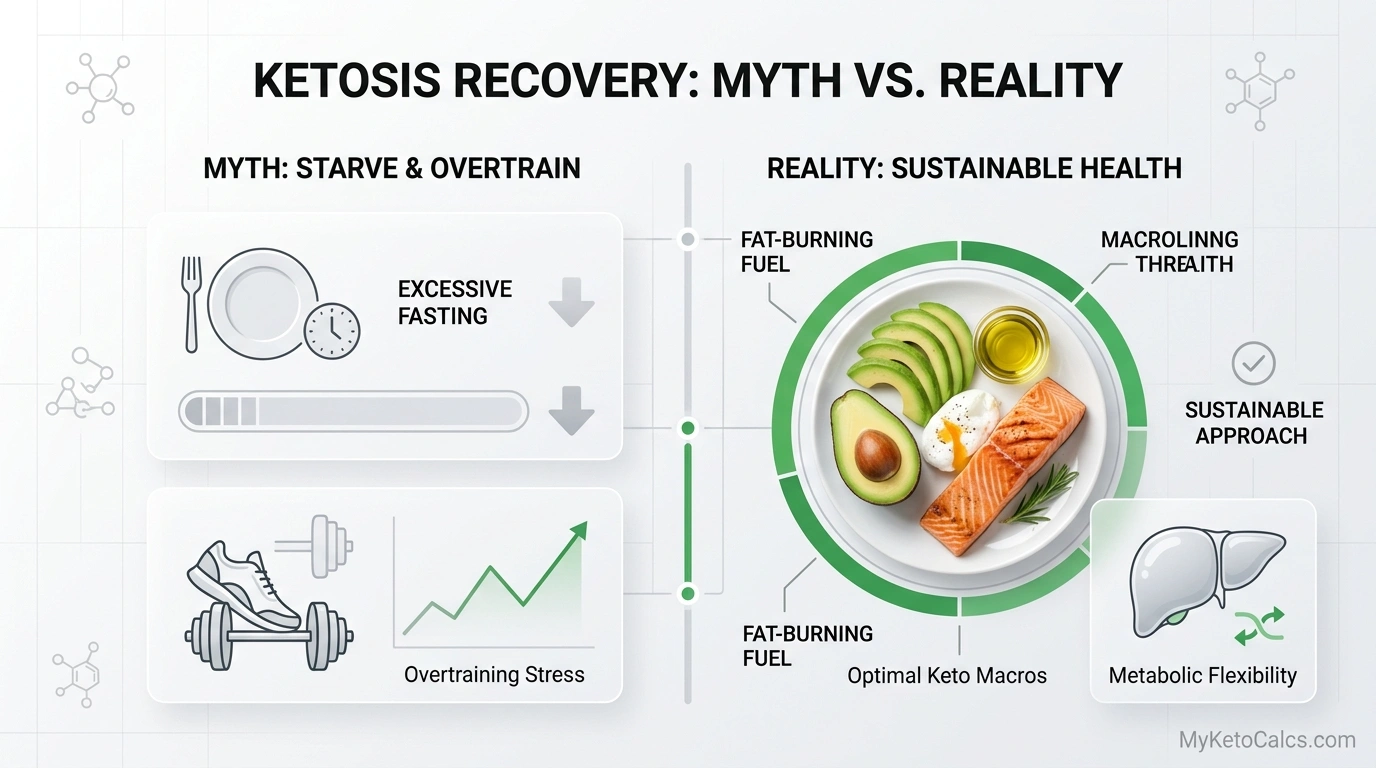
Myth 1: you must starve yourself to fix a cheat day. Scientific reality: extreme caloric restriction immediately following a high-carbohydrate binge often induces intense reactive hypoglycemia. The resulting crash in blood sugar triggers severe hunger and cravings, heavily increasing the likelihood of a secondary binge. Returning to a standard, satiating ketogenic macro profile (high fat, moderate protein) stabilizes blood glucose and prevents binge-restrict cycles.
Myth 2: exogenous ketones instantly put you back into ketosis. Scientific reality: supplements like beta-hydroxybutyrate (BHB) salts elevate blood ketone levels artificially, providing alternative fuel to the brain and potentially reducing cravings. However, they do not automatically trigger endogenous ketosis (your body burning its own fat). True nutritional ketosis requires the depletion of hepatic glycogen, which exogenous ketones do not directly accomplish.
Myth 3: a cheat day permanently damages your fat-adaptation. Scientific reality: while a high-carbohydrate meal abruptly halts ketogenesis, it does not permanently erase the cellular adaptations (such as increased mitochondrial density and enzymatic shifts) built during weeks or months of keto dieting. Individuals who are highly fat-adapted possess greater metabolic flexibility and can clear glucose and return to ketosis much faster than beginners.
Frequently asked questions (FAQ)
How long to get back into ketosis after a cheat?
The timeline strictly depends on the volume of carbohydrates consumed and your baseline metabolic flexibility. Generally, it takes anywhere from 24 to 72 hours for the liver and skeletal muscles to deplete newly stored glycogen and resume fat oxidation. Engaging in intermittent fasting and vigorous exercise can accelerate this timeline to the shorter end of the spectrum.
Will a cheat day on keto ruin my progress?
No, a single cheat day will not permanently derail your metabolic progress or cause massive fat gain. While the scale may show an immediate increase of several pounds, this is almost entirely due to water weight bound to newly stored glycogen. Once you return to your keto macros, this water weight will flush out within a few days.
Should I fast for 48 hours to speed up my recovery?
Prolonged fasting after a carbohydrate binge is not biochemically necessary and is generally not recommended. Extreme fasting can spike stress hormones like cortisol and encourage an unhealthy binge-restrict psychological cycle. A simple 16-hour overnight fast combined with returning to your calculated keto macros is sufficient to safely restore ketosis.
Why do I feel bloated and heavy after a carb binge?
Carbohydrates are rapidly converted into glycogen for storage in the liver and muscles. Every single gram of glycogen chemically binds to approximately 3 to 4 grams of water. Therefore, eating a large amount of carbohydrates instantly forces your body to retain water, leading to acute gastrointestinal bloating, puffiness, and physical lethargy.
Can exogenous ketones or MCT oil instantly reverse a cheat meal?
Exogenous ketones and MCT oil cannot “erase” carbohydrates from your system or instantly force your body to burn its own fat. They can, however, provide a temporary, clean energy source to your brain as your blood sugar crashes, helping to alleviate brain fog and carbohydrate cravings while your body naturally burns off the glycogen.
What is the keto flu, and will it return after cheating?
The keto flu is a collection of symptoms—such as fatigue, brain fog, headaches, and muscle cramps—caused by rapid electrolyte and fluid loss as insulin levels drop. If you binge on carbs and then quickly re-enter ketosis, you may experience these symptoms again. Prevent this by proactively consuming adequate sodium, potassium, and magnesium during your recovery days.
Is extreme exercise necessary to burn off a carbohydrate binge?
While exercise is highly effective at depleting skeletal muscle glycogen and accelerating the return to ketosis, extreme or exhaustive overtraining is counterproductive. Excessive physical stress spikes cortisol, which can trigger gluconeogenesis and paradoxically raise blood sugar. Moderate HIIT, brisk walking, or standard resistance training is perfectly sufficient.
Does too much protein kick you out of ketosis during recovery?
While it is true that excess amino acids can be converted to glucose via gluconeogenesis, this process is highly demand-driven rather than supply-driven. Moderate to high protein intake is essential for maintaining muscle mass, supporting metabolic rate, and promoting deep satiety. Focus on restricting carbohydrates and maintaining high fat intake rather than fearing dietary protein.
How do I know when I’m back in ketosis after a cheat day?
The most reliable confirmation is a blood ketone meter showing beta-hydroxybutyrate (BHB) above 0.5 mmol/L — the threshold for nutritional ketosis. Urine ketone strips offer a cheaper option during the first few weeks of re-entry, though they become less accurate as your body becomes more fat-adapted (kidneys excrete fewer ketones as adaptation increases). Common subjective signs include reduced hunger, returning mental clarity, and less bloating. For a full breakdown of all testing methods, see the guide to measuring ketosis with blood, urine, and breath testing.
What should I eat immediately after a carb binge to get back into ketosis faster?
Focus on high-fat, zero or very-low-carb foods: eggs, fatty cuts of meat, salmon, full-fat cheese, avocados, butter, and olive oil. These provide energy without spiking insulin or adding to the glycogen load your body needs to clear. Avoid protein-only meals — excess protein can be converted to glucose via gluconeogenesis, which can slow re-entry. Keep net carbs under 20g for the first 24–48 hours of recovery.
Conclusion: Recovery Is a Reset, Not a Failure
A carbohydrate binge does not erase your fat-adaptation. It temporarily fills your glycogen stores and spikes insulin — a predictable, reversible biochemical event. Your body knows how to return to ketosis, and for most people it does so within 24 to 72 hours when you follow the basics: return to your calculated macros, replenish your electrolytes, and move your body.
The single most effective action is also the simplest — eat your normal keto meals the next morning and stop treating the binge as a reason to punish yourself. Extreme fasting, overtraining, or guilt-driven restriction all slow recovery rather than speed it up.
If you want to confirm you are back in ketosis, use a blood ketone meter or urine strip as described in the guide to measuring ketosis. And if electrolyte management during re-entry is a concern, the keto electrolytes and hydration guide covers sodium, potassium, and magnesium targets in full.
Data & Sources
This article draws on established research in glycogen metabolism, insulin physiology, and ketogenic nutrition. Key quantitative claims are listed below with their basis. MyKetoCalcs is an educational site, not a medical provider. For clinical decisions, consult your healthcare provider.
- Glycogen water-binding ratio (3–4 g water per gram of glycogen): Widely cited figure in glycogen storage and sports nutrition literature, based on research into muscle and hepatic glycogen hydration. Exact ratio varies by tissue and individual hydration status.
- Glycogen storage capacity (~100 g hepatic, ~300–400 g muscular): Approximate values based on exercise physiology research on average-sized adults at rest. Capacity scales with muscle mass, training status, and body size.
- Sodium target during keto re-entry (3,000–5,000 mg/day): Derived from electrolyte supplementation guidance in ketogenic diet research, reflecting increased renal sodium excretion during low-insulin states. Individual requirements vary significantly. People with hypertension or kidney disease should consult a healthcare provider.
- Recovery timeline (24–72 hours for a typical cheat day): Estimate based on insulin clearance rates, hepatic glycogen depletion kinetics under carbohydrate restriction, and metabolic flexibility data from keto adaptation research.
- 16:8 intermittent fasting protocol: Time-restricted eating approach referenced in published intermittent fasting literature. Effect on glycogen depletion is indirect — primarily through caloric restriction and reduced insulin exposure during the fasting window.