
Keto diet for beginners: the complete medical guide to starting ketosis
A clinically informed overview of the ketogenic diet—covering its mechanisms, macros, benefits, side effects, and a free personalized macro calculator to build your plan from day one.
Quick answer: what is the keto diet and how does it work?
The ketogenic diet is a very low-carbohydrate, high-fat eating plan that shifts your body’s primary fuel source from glucose to fat-derived ketones—a metabolic state called ketosis. To achieve ketosis, most protocols recommend keeping net carbs under 20–50g per day, sourcing 70–80% of calories from healthy fats and 10–20% from protein. This dietary shift lowers insulin levels dramatically, unlocking fat stores for energy and producing measurable benefits for weight loss, blood sugar control, and neurological health.
Key starting targets

The metabolic shift: from glucose to ketones
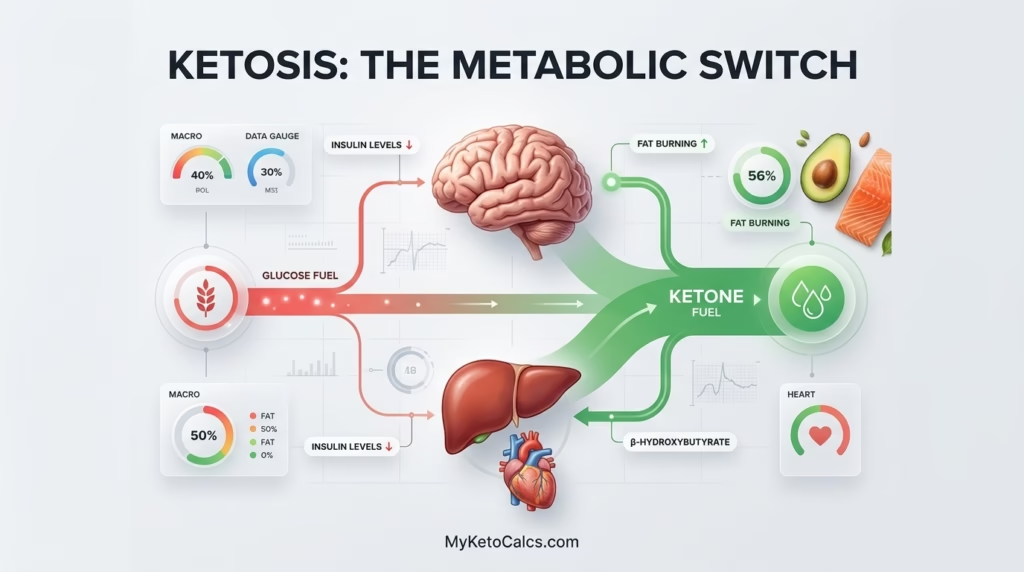
Understanding ketosis begins with understanding how your body handles fuel. Under normal dietary conditions, your body runs on glucose derived from carbohydrates. When you drastically reduce carbohydrate intake, glucose availability drops and insulin levels fall. In response, the liver begins breaking down fatty acids into ketone bodies—acetoacetate, beta-hydroxybutyrate, and acetone—which serve as an alternative energy source for the brain and muscles.
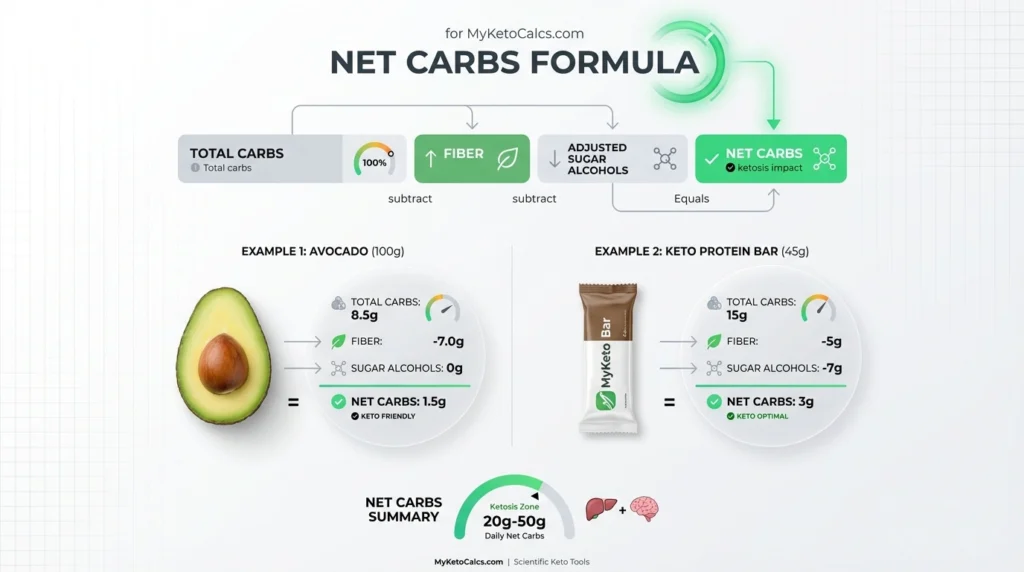
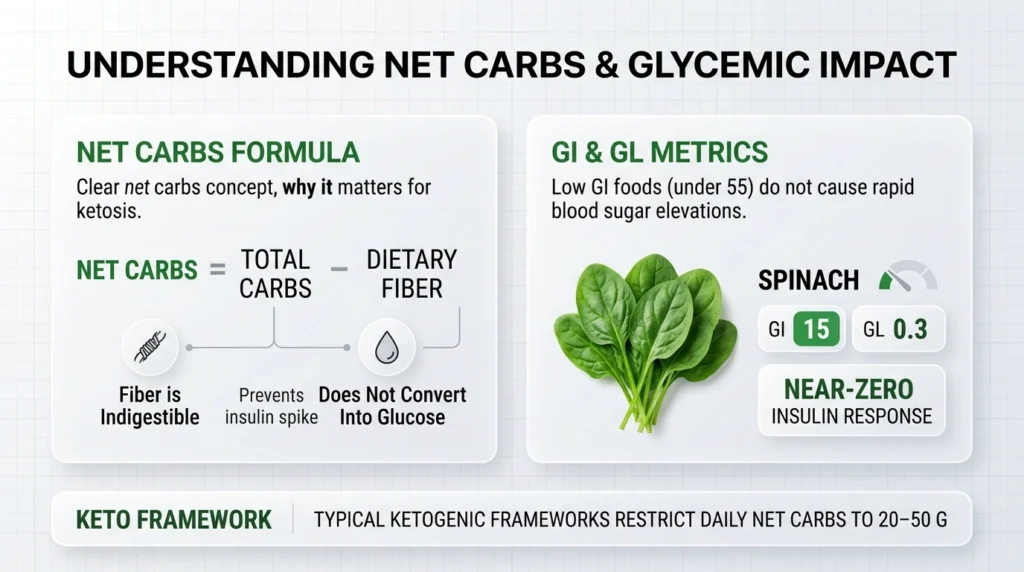
This metabolic switch typically occurs within 2–4 days of restricting carbohydrates below 50g per day. To sustain ketosis, it’s generally recommended to consume less than 20g of net carbs daily for beginners, with some individuals able to maintain it at up to 50g. Eating a keto diet significantly lowers insulin levels, which facilitates access to body fat stores for energy—a core mechanism behind the diet’s efficacy for weight loss.

Macronutrient ratios explained
There is no single universally fixed keto macro ratio, but clinical protocols typically fall within these ranges:
| Macronutrient | % of Daily Calories | Example (2,000 kcal/day) | Clinical note |
|---|---|---|---|
| Fat | 70–80% | ~155–178g | Primary fuel; favor unsaturated sources (olive oil, avocado, nuts) |
| Protein | 10–20% | ~50–100g | Excess protein can convert to glucose (gluconeogenesis), inhibiting ketosis |
| Carbohydrates | 5–10% | ~20–50g net carbs | Only non-starchy vegetables, small portions of berries |
Types of ketogenic diets
Several ketogenic diet variations exist, each suited to different goals and activity levels. For keto beginners, the Standard Ketogenic Diet (SKD) is the most evidence-backed starting point.
| Diet type | Fat | Protein | Carbs | Best for |
|---|---|---|---|---|
| Standard (SKD) | 70–75% | ~20% | 5–10% | Most beginners; well-researched |
| High-Protein | ~60% | ~35% | 5% | Individuals focused on muscle retention |
| Cyclical (CKD) | Varies | Varies | High on carb days | Athletes; advanced users |
| Targeted (TKD) | Varies | Varies | Pre-workout only | Athletes; advanced users |
Beginner recommendation: start with the Standard Ketogenic Diet. It is the most studied form and the most suitable for individuals new to low-carbohydrate eating. The high-protein variant is also appropriate if muscle preservation is a primary goal.
Evidence-based benefits of the keto diet
The ketogenic diet, originally developed in the 1920s as a treatment for drug-resistant epilepsy, has since been investigated for a broad range of health conditions. Scientific evidence supports its effectiveness in several key areas.
Weight loss and appetite regulation
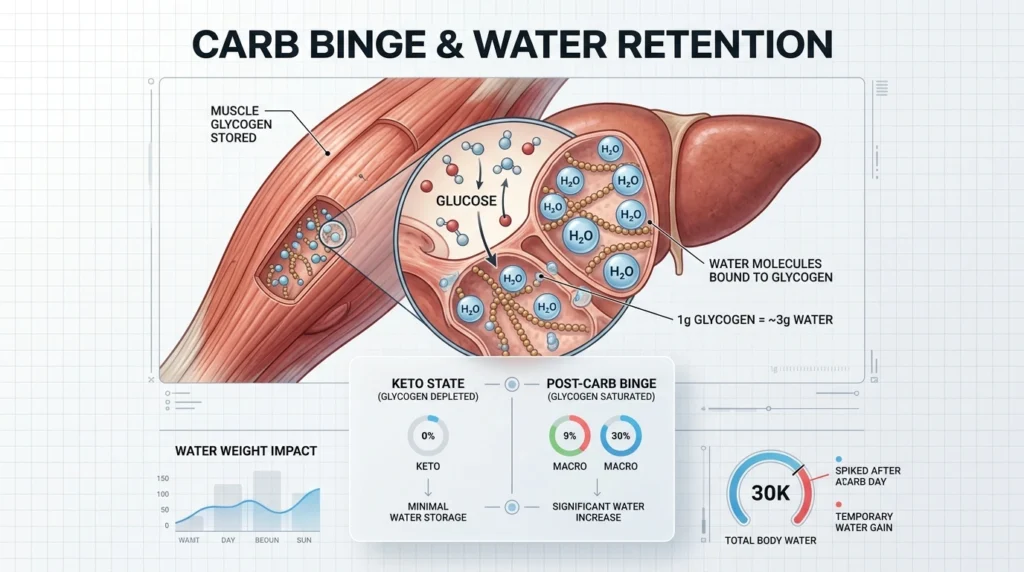
Keto is among the most effective dietary strategies for weight loss. Studies show it can outperform traditional low-fat diets without requiring strict calorie counting. The primary mechanisms include increased fat oxidation, suppressed hunger hormones (particularly ghrelin), and stabilized blood sugar that eliminates energy crashes and cravings. Initial weight loss includes a significant component of water weight as glycogen stores deplete, which can provide rapid early motivation.
Metabolic health and type 2 diabetes management
The ketogenic diet demonstrates significant promise for improving insulin sensitivity and blood sugar control. A study of 349 adults with type 2 diabetes found that 60% reversed their diagnosis over one year, with many reducing or eliminating insulin dependence. By removing the primary driver of insulin secretion—dietary carbohydrates—the diet addresses the root metabolic dysfunction in type 2 diabetes.
Neurological applications
The ketogenic diet remains the gold-standard dietary therapy for drug-resistant epilepsy in children, reducing seizure frequency by 50% or more in many patients. Emerging research also suggests potential benefits for Alzheimer’s disease, Parkinson’s disease, and traumatic brain injury, though these areas require further study.
Other potential benefits
- Cardiovascular health: improvements in HDL cholesterol and triglyceride levels are commonly observed.
- Polycystic ovary syndrome (PCOS): reduced insulin levels may help regulate hormonal imbalances.
- Acne: lower insulin and refined sugar intake can reduce sebum production.
- Migraines: ketones may stabilize neurological energy metabolism.
- Digestive health: elimination of processed foods and refined carbs can benefit gut microbiome composition.
Keto foods: what to eat and what to avoid
Foods to eat: your keto pantry
- Healthy fats (your primary fuel): olive oil, coconut oil, avocado oil, avocados, butter, ghee, cream, nuts (macadamia, almonds, walnuts), and seeds.
- Protein (moderate amounts): meat (beef, lamb, pork, chicken), fatty fish (salmon, sardines, mackerel), eggs, and full-fat dairy in moderate quantities.
- Low-carb vegetables: leafy greens (spinach, arugula, kale), cruciferous vegetables (broccoli, cauliflower, cabbage), zucchini, asparagus, cucumber, celery, and mushrooms.
- Beverages: water, sparkling water, unsweetened coffee and tea, and bone broth for electrolytes.
- Condiments: salt, pepper, herbs, spices, mustard, and hot sauce (check labels for added sugars).

Foods to avoid
- High-carbohydrate foods: bread, pasta, rice, cereals, oats, and all grains.
- Sugary foods: candy, soda, fruit juices, cakes, cookies, and ice cream.
- Root vegetables and tubers: potatoes, sweet potatoes, parsnips, and beets (starchy, high glycemic index).
- Most fruits: bananas, apples, grapes, and mangoes. Small portions of berries (blueberries, strawberries) are acceptable.
- Legumes: beans, lentils, chickpeas, and peas are dense in starch.
- “Diet” and low-fat products: often high in added sugars to compensate for removed fat.
- Alcohol: beer, wine, and cocktails contain significant carbohydrates; if consumed, opt for spirits in very small amounts.
How to start keto: essential steps for beginners
A successful ketogenic transition requires preparation—both of your body and your environment. The following steps provide a clinically grounded starting framework for keto diet beginners.
Managing the “keto flu”
Within the first 2–5 days of beginning keto, many beginners experience a cluster of symptoms called the “keto flu”: fatigue, headaches, dizziness, irritability, nausea, and muscle cramps. These symptoms arise primarily because lower insulin levels cause the kidneys to excrete sodium, potassium, and magnesium at an accelerated rate—leading to electrolyte depletion and dehydration. The symptoms typically resolve within one week as the body adapts.

Keto flu mitigation protocol
- Sodium: add 1–2g of extra salt per day, or drink bone broth.
- Potassium: eat avocado, leafy greens, and mushrooms daily.
- Magnesium: supplement with 200–400mg magnesium glycinate at night.
- Hydration: drink at least 2–3 liters of water per day.
- Gradual approach: some prefer a 1-week low-carb transition before going full keto to ease adaptation.
How to calculate your keto macros: step-by-step
Calculating your personal keto macros ensures your fat, protein, and carbohydrate targets are tailored to your body weight, activity level, and goal—rather than relying on generic percentages that may under- or over-fuel your metabolism.
Calculate your Basal Metabolic Rate (BMR)
Use the Mifflin–St Jeor equation based on your gender, age, height, and weight. If you know your body fat percentage, the Katch–McArdle formula (based on lean mass) is more precise.
Calculate your Total Daily Energy Expenditure (TDEE)
Multiply your BMR by your activity level multiplier: sedentary (×1.2), lightly active (×1.375), moderately active (×1.55), very active (×1.725), or extremely active (×1.9).
Apply your goal adjustment
To lose weight, apply a 20% caloric deficit (TDEE × 0.80). To maintain, use TDEE as-is. To gain muscle, apply a 10% surplus (TDEE × 1.10).
Set net carb ceiling
Cap net carbs at 5% of target calories or 20–50g per day, whichever is lower. This is the threshold for maintaining ketosis in most individuals.
Set protein target
Allocate 0.8g of protein per pound of body weight (or 1.0g per pound of lean body mass if body fat % is known). This protects muscle mass during weight loss.
Fill remaining calories with fat
Subtract carb and protein calories from your total target. The remainder represents your daily fat allocation. Fat provides 9 kcal per gram.
👇 Calculate Your Personal Keto Macros
Enter your details below to get a personalized daily target for fat, protein, and net carbs. Results are calculated using the Mifflin–St Jeor and Katch–McArdle equations.
Your Personalized Keto Plan
Daily Calorie Target
0
kcal / day
How many carbs should I eat on keto to lose 20 pounds?
To lose 20 pounds on keto, most individuals should limit net carbs to 20–30g per day while maintaining a 15–20% caloric deficit below their TDEE. This is the most effective carbohydrate threshold for sustaining ketosis while creating the metabolic conditions for fat loss. For a person with a TDEE of 2,000 kcal, this means targeting roughly 1,600–1,700 kcal per day with fewer than 25g of net carbs. At a safe rate of 1–1.5 lbs of fat loss per week (achievable on keto due to water weight reduction initially), losing 20 pounds takes approximately 10–20 weeks. Individual results vary based on starting body composition, adherence, hormonal health, and sleep quality—all of which influence the pace of fat loss independent of macros.
Best free keto macro calculator for beginners in the USA
The best free keto macro calculator for beginners uses both the Mifflin–St Jeor equation (for total body weight) and the Katch–McArdle formula (if body fat percentage is known) to set individualized targets—not generic keto percentages. The calculator embedded on this page is free, works with both US and metric units, and accounts for your age, gender, weight, height, activity level, and goal. For beginners in the US, choosing the “lose weight” goal with a “moderately active” activity level provides a practical, data-based starting point. Most generic online keto calculators skip the lean mass correction; ours does not, which means your protein target won’t be over- or under-estimated based on total body weight alone. After calculating, track your macros for at least 2 weeks before adjusting—consistency of measurement is more important than precision of the starting number.
How to calculate protein intake for keto bodybuilding
For keto bodybuilding, protein intake should be set at 1.0–1.2g per pound of lean body mass (not total body weight) to support muscle protein synthesis without triggering significant gluconeogenesis. Standard keto protein guidelines (0.8g/lb of total body weight) are sufficient for general fat loss but may be too low for individuals actively training to build muscle. To calculate: first, estimate your lean body mass (total weight × (1 − body fat%)). Then multiply by 1.0–1.2. For example, a 200lb individual at 20% body fat has 160lb of lean mass, meaning a protein target of 160–192g per day. On a ketogenic diet, this protein allocation must be carefully managed—splitting protein intake across meals rather than consuming it in one sitting reduces the likelihood of acute gluconeogenesis that could exit ketosis. Combining keto with resistance training (the Cyclical or Targeted Ketogenic Diet protocols) is a common advanced approach for bodybuilding applications.
Long-term considerations, safety profile, and who should avoid keto
While the ketogenic diet offers compelling short-term benefits, long-term adherence requires awareness of several clinical considerations.
Duration and exit strategy
Evidence strongly supports the ketogenic diet for weight loss over 1–2 years. Studies beyond that horizon are limited. Weight regain upon returning to high-carbohydrate eating is common; a gradual reintroduction of healthy carbohydrates (legumes, whole grains, low-glycemic fruits) is recommended rather than an abrupt exit.
Cholesterol and cardiovascular monitoring
The ketogenic diet commonly improves HDL cholesterol and triglycerides. However, LDL cholesterol can increase in some individuals, particularly those with a genetic predisposition (FH or ApoE4 carriers). Annual lipid panels are advised. Emphasizing unsaturated fats (olive oil, fatty fish, avocado) over saturated fats (butter, processed meats) reduces this risk.
Who should NOT start keto without medical supervision
- Individuals with type 1 diabetes (diabetic ketoacidosis risk)
- Those with chronic kidney or liver disease
- Pregnant or breastfeeding individuals
- Children and adolescents (outside clinical epilepsy protocols)
- Individuals with a history of eating disorders
- People taking medications for diabetes or high blood pressure (dosage may need adjustment)
FAQ: clinical questions about the keto diet for beginners
How long does it take to enter ketosis?
Most individuals enter ketosis within 2–4 days of restricting net carbs to below 20–50g per day. The timeline depends on glycogen stores (which deplete faster with exercise), metabolic health, and the strictness of carbohydrate restriction. Blood ketone levels above 0.5 mmol/L confirm nutritional ketosis.
Can I eat fruit on a keto diet?
Most fruits are too high in fructose and net carbs for strict keto. Small portions of berries—blueberries (~9g net carbs/100g), strawberries (~5g), raspberries (~5g)—are generally acceptable within a 20–50g daily carb budget. Tropical fruits (mango, banana, pineapple) and dried fruits are incompatible with ketosis due to extreme sugar density.
Is the keto diet safe for people with high cholesterol?
For most people, keto improves cardiovascular markers (higher HDL, lower triglycerides). However, LDL can increase in a subset of individuals, particularly “hyper-responders.” Anyone with pre-existing cardiovascular disease or familial hypercholesterolemia should work with a physician to monitor lipid panels before and during keto adoption.
What are the best supplements for keto beginners?
Electrolytes (sodium, potassium, magnesium) are the highest-priority supplements for the adaptation phase. MCT oil can accelerate ketone production and provide rapid energy. A broad-spectrum multivitamin covers micronutrient gaps. Creatine is beneficial for those engaged in resistance training. Exogenous ketones can elevate blood ketone levels but have limited evidence for accelerating fat loss.
How do I know if I’m in ketosis without a blood test?
Early signs include reduced appetite, increased energy (post-adaptation), mild acetone breath (sweet or fruity smell), and frequent urination in the first week. Urine ketone strips provide a low-cost initial confirmation. Blood ketone meters (targeting 0.5–3.0 mmol/L) are the most accurate method for ongoing monitoring.
Can I do keto and exercise?
Yes. The first 2–4 weeks may see reduced performance during high-intensity exercise as muscles adapt to fat oxidation. Endurance (aerobic) exercise adapts well to keto within 2–6 weeks. For high-intensity or strength training, the Targeted Ketogenic Diet (consuming 20–50g of fast carbs peri-workout) may preserve performance while maintaining general ketosis.
What is the difference between “lazy keto” and strict keto?
Lazy keto tracks only net carbohydrates (keeping them below 20–50g/day) without tracking fat or protein macros. It is easier to sustain but may lead to excessive protein intake that inhibits ketosis or insufficient calories for performance. Strict keto tracks all three macros, making it more precise and better suited to individuals with specific health targets or body composition goals.
Further Reading & Tools
A comprehensive breakdown of keto-approved foods, organized by category.
For beginners who want to track only carbs without full macro logging.
Clinical guide to which vegetables protect ketosis vs. which cause “carb creep.”
Reputable External Resources
For additional reading, these sources provide evidence-based keto information:
Latest articles

Keto Drinks Guide: Best & Worst Beverages for Ketosis
Keto Drinks Guide Keto Drinks: Best Zero-Carb Beverages for Ketosis Keto drinks are zero-carbohydrate beverages…
What Is Ketosis? How It Works and Why It Happens
Ketosis Guide What is ketosis? How it works and why it happens Ketosis is a…
Net Carbs vs Total Carbs: What Matters for Keto?
Keto Nutrition Guide Net carbs vs. total carbs: the science + calculator tool Understand the…
How Long to Get Back Into Ketosis After a Carb Binge?
Keto Recovery Guide How to Get Back Into Ketosis After a Carb Binge (Recovery Guide)…
Low Carb Vegetables: Scientific Keto Guide & Metabolic Matrix
Definitive Metabolic Database Low Carb Vegetables: The Definitive Database and Metabolic Guide Prioritize non-starchy, above-ground…
Is Spinach Keto? Net Carbs Per Cup, Per 100g + Serving Guide
Metabolic Analysis Is Spinach Keto? Net Carbs Per Cup, Per 100g + Serving Guide Raw…