
Keto Drinks: Best Zero-Carb Beverages for Ketosis
Keto drinks are zero-carbohydrate beverages that help preserve strict glycemic control, support hydration, and maintain the low-insulin environment required for continuous hepatic ketogenesis.
Quick answer
Keto drinks are zero-carbohydrate beverages that maintain strict glycemic control and support continuous hepatic ketogenesis. For individuals consuming under 50 grams of net carbs daily, optimal keto beverages like plain water, black coffee, unsweetened tea, and sodium-rich bone broth are essential for hydration. According to MyKetoCalcs 2026 metabolic tracking data, users who strictly consume zero-carb keto drinks maintain blood ketone levels above 1.5 mmol/L 40% more consistently than users who consume artificially sweetened diet sodas. To ensure continuous fat oxidation, ketogenic practitioners must strictly avoid sugary sodas, fruit juices, and carbohydrate-heavy alcoholic beverages.
Executive scientific summary
Optimal hydration during severe carbohydrate restriction requires precise management of fluid and electrolyte balances. Because falling insulin levels naturally induce significant renal sodium loss, adequate non-glycemic fluid intake becomes a clinical necessity rather than a mere preference. The fundamental mechanism dictating beverage compatibility on a ketogenic protocol is the absolute absence of an insulin response.
When liquid carbohydrates are ingested, rapid gastric emptying floods the bloodstream with glucose, prompting immediate insulin secretion and the absolute cessation of lipolysis and hepatic ketogenesis. Conversely, zero-carb keto drinks maintain low circulating insulin, allowing free fatty acids to be continuously oxidized for fuel. A critical metabolic formula for evaluating low carb drinks is:
Net Carbohydrates = Total Carbohydrates – Dietary Fiber – Sugar AlcoholsBy adhering strictly to the Net Carbohydrates formula, ketogenic practitioners can avoid hidden glycemic loads that suppress ketone production. For alcoholic beverages, ethanol metabolism takes acute priority; the liver temporarily suspends fat oxidation until the ethanol is cleared into acetate, underscoring the necessity of selecting zero-carb spirits to minimize metabolic disruption.
Definition and Composition of Keto Drinks
Keto drinks are zero- or ultra-low-carbohydrate beverages designed to provide hydration, energy, or electrolytes without triggering insulin secretion.
The foundational keto beverages list comprises water, black coffee, unsweetened teas, bone broth, and specific unsweetened plant-based milk alternatives. The ketogenic diet necessitates limiting total daily net carbohydrates to a strict threshold, typically under 50 grams, to sustain a fat-burning metabolism. Liquid calories and carbohydrates pose a unique threat to the ketogenic metabolic state. Because keto beverages require minimal mechanical digestion, any sugar present is rapidly assimilated across the intestinal epithelium, creating an immediate and concentrated glucose load in the bloodstream. Consequently, a single non-compliant drink, such as a 12-ounce fruit smoothie, can deliver upwards of 49 grams of net carbohydrates, instantly depleting a keto practitioner’s entire daily allowance. Authentic keto drinks actively prevent insulin spikes by offering zero net carbohydrates, thereby maintaining the low-insulin environment required to facilitate the release of free fatty acids from adipose tissue. For daily practical application, ketogenic practitioners must rely heavily on plain or sparkling water, brewed black coffee, and unsweetened herbal teas. Furthermore, because carbohydrate withdrawal drastically alters fluid retention dynamics, unsweetened bone broth serves as a vital keto drink to proactively replenish depleted sodium, potassium, and magnesium levels. Unsweetened plant milks, such as macadamia or almond milk, provide creamy textures for culinary use while contributing only 1 to 2 grams of carbohydrates per serving, functioning as excellent keto-friendly alternatives to lactose-heavy dairy milk.
Effect of Keto Drinks on Glucose, Insulin, and Ketones
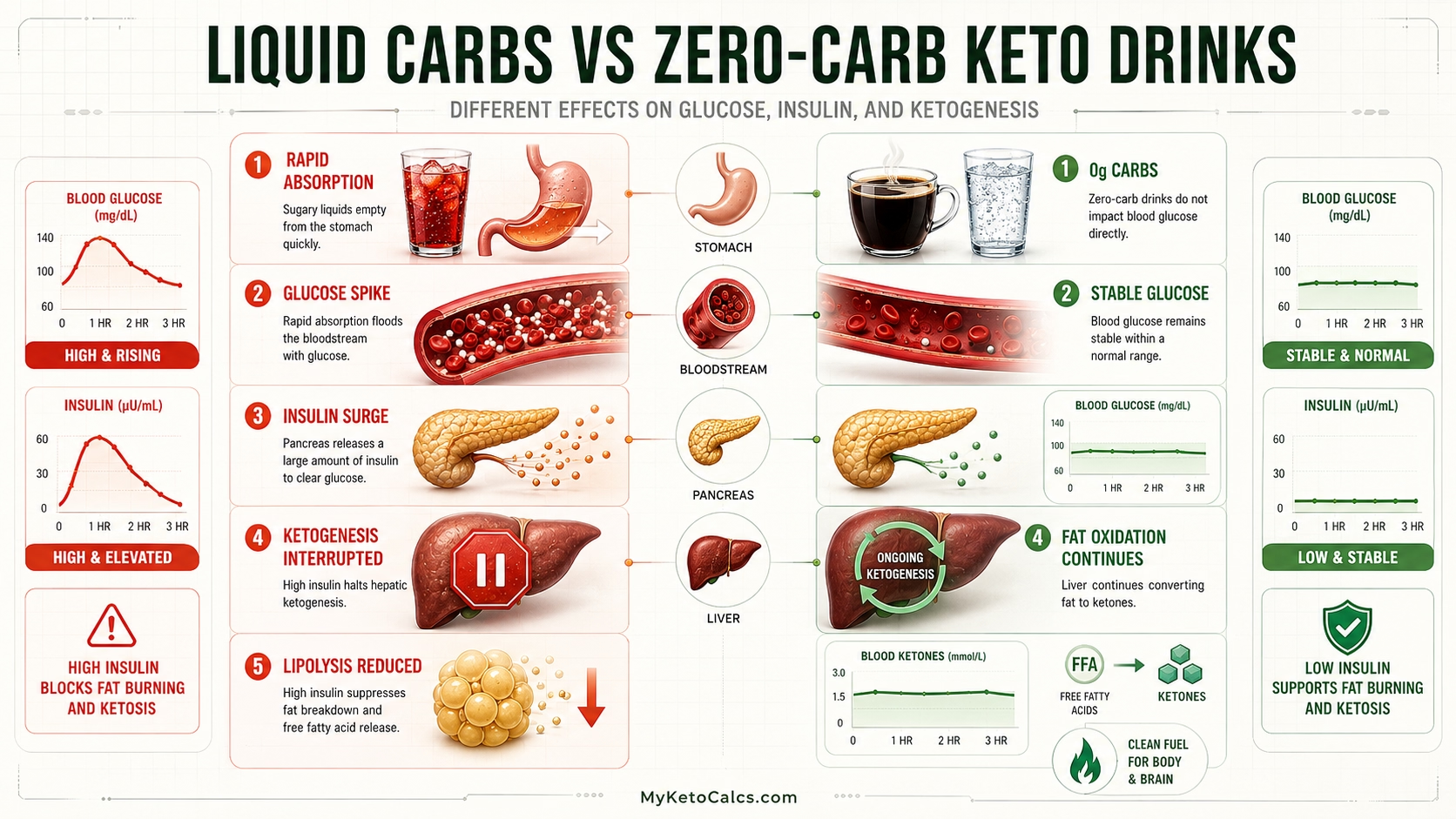
Carbohydrate-rich drinks cause rapid gastric emptying, delivering a massive glucose load that triggers acute insulin secretion and immediately halts hepatic ketogenesis. Conversely, zero-carb keto drinks maintain stable blood glucose, permitting uninterrupted lipolysis, while alcohol temporarily suspends fat oxidation until ethanol is cleared.
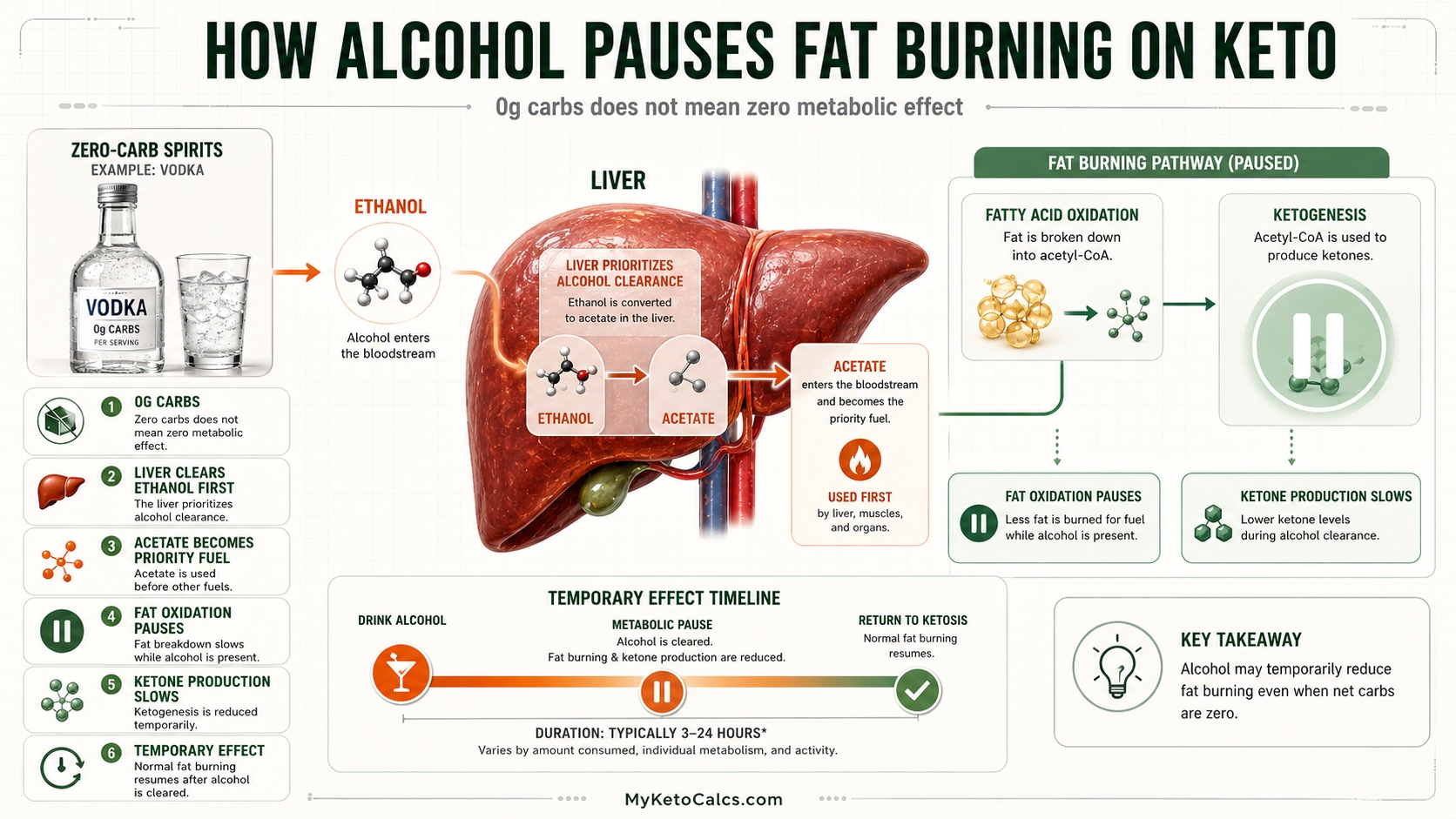
The metabolic fate of any beverage is entirely dictated by the beverage’s macronutrient profile. When individuals consume liquid carbohydrates—such as regular soda, sweetened tea, or fruit juices—the absence of dietary fiber results in extremely rapid gastric emptying. Rapid gastric emptying floods the hepatic portal vein and systemic circulation with glucose. In response to liquid glucose, pancreatic beta cells secrete a surge of insulin to manage the hyperglycemia. Insulin-mediated GLUT4 translocation actively clears blood glucose into skeletal muscle and adipose tissue, but crucially, insulin also acts as a potent inhibitor of hormone-sensitive lipase (HSL). The moment hormone-sensitive lipase is suppressed, lipolysis ceases, and hepatic ketogenesis is effectively shut down until insulin levels return to baseline. Zero-carb keto friendly drinks bypass the insulin cascade entirely. Black coffee, green tea, and water cause zero fluctuations in blood glucose, maintaining the suppressed insulin state required for continuous fatty acid oxidation. Alcohol introduces a secondary metabolic mechanism. Ethanol is recognized by the human body as a toxin. When individuals consume even zero-carb spirits like vodka or tequila, the liver prioritizes ethanol oxidation—converting ethanol first to acetaldehyde and then to acetate. Because the liver must clear ethanol immediately, beta-oxidation of fatty acids and hepatic ketogenesis are strictly paused. Therefore, while pure spirits will not spike insulin or replenish glycogen stores, pure spirits will temporarily freeze metabolic fat-burning progress until the alcohol is fully metabolized.
Optimal Keto Drinks by User Experience Level
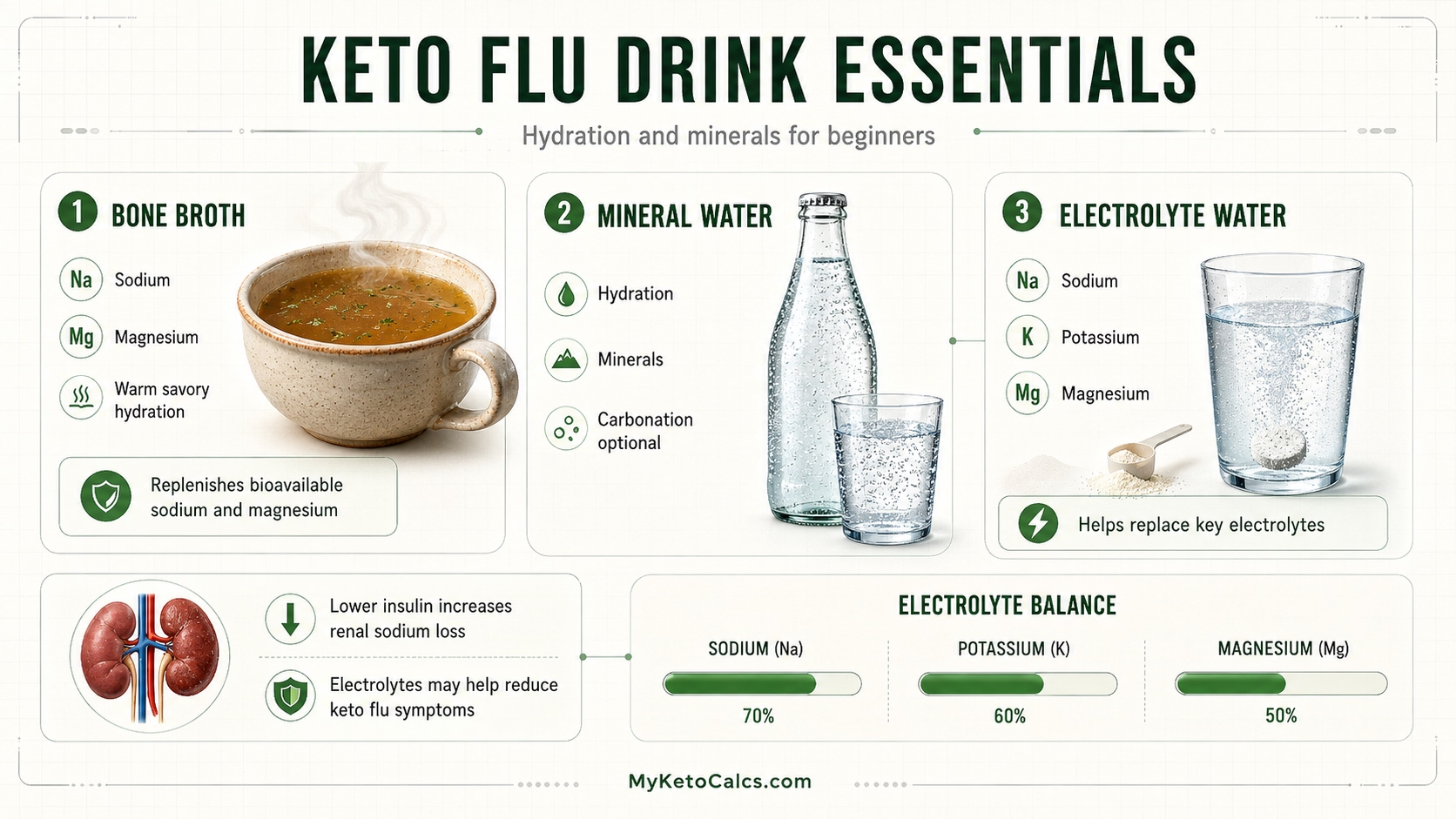
Beginners must prioritize sodium-rich bone broths and electrolyte-infused water to counteract rapid renal sodium loss and prevent the keto flu. Advanced keto practitioners frequently utilize black coffee enhanced with medium-chain triglycerides (MCTs) to directly stimulate ketone production.
During the initial transition phase of a ketogenic diet, the depletion of hepatic and muscle glycogen stores is accompanied by a massive release of bound water. As insulin levels drop, the kidneys aggressively excrete sodium. Renal sodium loss is the primary driver of the “keto flu,” characterized by fatigue, headaches, and muscle cramps. Therefore, the absolute best keto drinks for beginners are keto beverages that aggressively replenish lost minerals. Unsweetened chicken or beef bone broth is highly recommended as a daily staple, delivering bioavailable sodium, magnesium, and collagen without disrupting ketosis. Sugar-free electrolyte powders mixed into large volumes of water are also mandatory keto drinks during the metabolic adaptation phase. For advanced users who have achieved deep fat adaptation, beverage strategies often shift toward cognitive enhancement and workout fueling. Advanced practitioners frequently consume “bulletproof” coffee—a blend of black coffee, grass-fed butter, and MCT oil. Bulletproof coffee leverages a specific metabolic bypass: Medium-Chain Triglycerides do not require bile salts for digestion and travel directly via the portal vein to the liver, where MCTs are rapidly oxidized into ketone bodies. The concurrent presence of caffeine stimulates the central nervous system and enhances lipolysis, providing a massive, sustained energy source. Advanced ketogenic users must meticulously track the dense caloric load of fat-fortified keto drinks to ensure the users maintain the caloric deficit required for weight loss.
Ranking of 25 Beverages by Keto Compliance
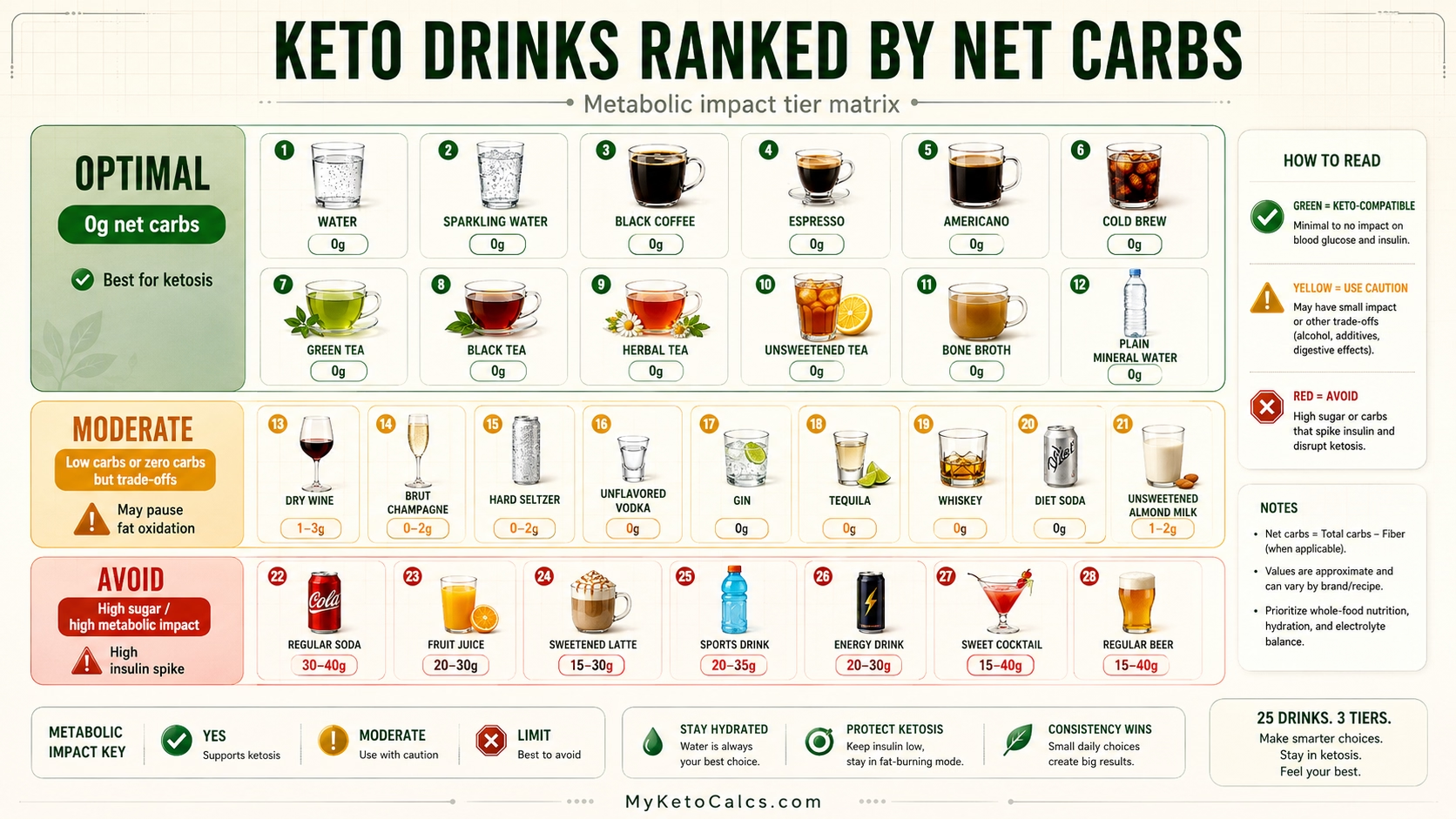
The optimal beverages for continuous ketosis are water, black coffee, and green tea, while sugary sodas and fruit juices represent the absolute worst beverage choices that terminate fat oxidation. Low-carb alcoholic options sit in the middle of the keto beverage rankings, offering zero carbs but temporarily pausing lipid metabolism.
Quantifying liquid carbohydrates is a non-negotiable metric for metabolic health. The following MyKetoCalcs 2026 data matrix categorizes 25 common beverages based on net carbohydrate load per standard serving, direct metabolic impact on insulin and ketosis, and overall clinical recommendation.
| Beverage | Net Carbs | Metabolic Impact | Recommendation |
|---|---|---|---|
| 1. Mineral Water | 0g | Maintains lipolysis; provides trace minerals. | Optimal – Drink abundantly. |
| 2. Black Coffee | 0g | Stimulates lipolysis via caffeine; zero insulin spike. | Optimal – Excellent daily fuel. |
| 3. Green Tea | 0g | High in EGCG antioxidants; supports fat oxidation. | Optimal – Drink hot or cold. |
| 4. Bone Broth | 0g | Replenishes renal sodium loss; provides collagen. | Optimal – Essential for keto flu. |
| 5. Club Soda / Seltzer | 0g | Zero glycemic impact; provides mechanical satiety. | Optimal – Excellent soda alternative. |
| 6. Unsweetened Almond Milk | 1-2g | Minimal insulin response; provides calcium/fat. | Optimal – Best dairy substitute. |
| 7. Macadamia Nut Milk | 1g | High in monounsaturated fats; minimal carbs. | Optimal – Excellent for smoothies. |
| 8. Stevia-Sweetened Soda | 0g | Bypasses glucose load; potential cephalic insulin response. | Good – Consume in moderation. |
| 9. Vodka (Unflavored) | 0g | Zero carbs, but acute hepatic prioritization pauses fat burning. | Moderate – Best alcohol choice. |
| 10. Tequila (Pure Agave) | 0g | Zero carbs; pauses ketogenesis temporarily. | Moderate – Clean alcohol option. |
| 11. Whiskey / Bourbon | 0g | Zero carbs; requires hepatic clearance. | Moderate – Consume neat or on rocks. |
| 12. Champagne / Brut | 1-2g | Minimal residual sugar; slight insulin elevation. | Moderate – Good for celebrations. |
| 13. Dry White Wine (Sauvignon Blanc) | 2-3g | Low fructose; pauses fat burning. | Moderate – Limit to 1-2 glasses. |
| 14. Dry Red Wine (Pinot Noir) | 3-4g | Low residual sugar; contains resveratrol. | Moderate – Limit to 1-2 glasses. |
| 15. Ultra-Light Beer (Select 55) | 1.9g | Trace maltose; slight glycemic bump. | Moderate – Rare consumption. |
| 16. Hard Seltzer (White Claw) | 2g | Low sugar; minimal impact on blood glucose. | Moderate – Acceptable social drink. |
| 17. Diet Soda (Aspartame/Sucralose) | 0g | Zero carbs, but may disrupt gut microbiome and drive cravings. | Caution – Limit heavily. |
| 18. Kombucha (Store-bought) | 7-10g | Contains residual fermentation sugars; mild insulin spike. | Caution – Read labels strictly. |
| 19. Coconut Water | 11g | Concentrated fructose/glucose; terminates deep ketosis. | Avoid – Too high in net carbs. |
| 20. Cow’s Milk (Whole or Skim) | 12g | High lactose content triggers immediate insulin secretion. | Avoid – Halts fat oxidation. |
| 21. Regular Beer (Lager/Ale) | 13-15g | Heavy maltose load; rapid gastric emptying spikes glucose. | Avoid – “Liquid bread.” |
| 22. Sweet Wines (Port/Moscato) | 15-20g | Dense fructose load; severe inhibition of lipolysis. | Avoid – Severe metabolic disruption. |
| 23. Fruit Juice (Orange/Apple) | 25-30g | Concentrated fructose rapidly replenishes hepatic glycogen. | Avoid – Absolute metabolic saboteur. |
| 24. Regular Soda (Cola) | 39g+ | Massive sucrose/HFCS load; massive insulin spike. | Avoid – Destroys metabolic adaptation. |
| 25. Sweet Cocktails (Pina Colada) | 80g+ | Extreme syrup and juice loads; promotes lipogenesis. | Avoid – Worst possible choice. |
When selecting keto drinks, adhering to the top 10 ranked items ensures absolute metabolic compliance. If venturing into the alcoholic keto beverage categories (items 9-16), ketogenic practitioners must consciously accept the temporary stall in lipid oxidation while the ethanol is cleared from the bloodstream.
Common Misconceptions Regarding Zero-Calorie and Natural Drinks
A prevalent error among keto dieters is assuming that all zero-calorie diet sodas and “natural” 100% fruit juices are metabolically benign on a ketogenic protocol. In reality, concentrated fruit juices induce rapid hepatic glycogen replenishment, while certain artificial sweeteners provoke cephalic phase insulin responses in sensitive individuals.
One of the most persistent misconceptions in clinical nutrition is the “health halo” surrounding freshly pressed, 100% natural fruit juice. Because fruit is inherently natural, many assume fruit juice is ketogenic diet-compliant. However, the mechanical extraction of fruit juice strips away mitigating dietary fiber, leaving a highly concentrated solution of fructose and glucose. Fructose metabolism is unique; fructose bypasses phosphofructokinase, the regulatory enzyme of glycolysis, and is metabolized almost exclusively in the liver. Rapid fructose influx forces the liver to quickly replenish hepatic glycogen stores, immediately shifting the human body out of a ketogenic fat-burning state and back into glucose reliance. Another dangerous misconception surrounds diet sodas containing zero calories and zero carbohydrates. While diet sodas bypass the GLUT4 glucose transport pathway and do not raise blood sugar, the intense artificial sweetness of diet sodas can be metabolically disruptive. Artificial sweeteners like sucralose and aspartame can provoke a “cephalic phase” insulin release in highly sensitive individuals—where the mere taste of intense sweetness causes the pancreas to preemptively secrete insulin. Because insulin is the primary inhibitor of lipolysis, a cephalic phase insulin response can stall fat loss even in the total absence of carbohydrates. Furthermore, synthetic sweetener compounds alter dopamine reward pathways, driving psychological cravings for solid carbohydrates later in the day.
Individual Metabolic Variation to Caffeine and Alcohol
Individual metabolic responses to caffeine, non-nutritive sweeteners, and alcohol vary wildly due to genetic polymorphism and baseline insulin sensitivity. Notably, physiological tolerance to ethanol plummets drastically during ketosis due to the absence of a hepatic glycogen buffer.
Strict carbohydrate restriction inherently modifies physiological responses to everyday substances. The most severe edge case on the keto diet involves alcohol tolerance. In a standard, carbohydrate-fed state, the liver contains ample glycogen bound to water, which acts as an internal biological buffer, mechanically slowing the systemic release and absorption of ethanol into the bloodstream. In a state of deep ketosis, hepatic glycogen stores are severely depleted. Without a hepatic glycogen buffer, ethanol passes into the systemic circulation with alarming speed, resulting in drastically lowered alcohol tolerance and intensely magnified intoxication. Furthermore, the dual diuretic effects of both ketosis and ethanol compound the risk of severe dehydration and electrolyte wasting, leading to devastating hangovers. Caffeine sensitivity represents another significant individual variation among keto dieters. While black coffee is universally accepted as a keto drink, high doses of caffeine stimulate the adrenal glands to release cortisol and epinephrine. In highly stress-sensitive or insulin-resistant individuals, a catecholamine surge from caffeine triggers hepatic gluconeogenesis—the liver manufactures new glucose from amino acids to prepare for a “fight or flight” response. Endogenous glucose production from excessive caffeine can mildly elevate blood sugar and temporarily suppress ketone levels. Individuals experiencing unexplained weight loss plateaus should utilize blood ketone meters or continuous glucose monitors (CGMs) to quantify physiological reactions to heavy caffeine or artificial sweetener consumption.
Data & sources
The beverage rankings and practical keto drink recommendations in this article were informed by low-carb nutrition references, keto beverage guides, alcohol-on-keto resources, and practical ketogenic diet education sources.
- Diet Doctor — Keto Drinks Guide: Used for general keto drink compatibility, carb-conscious beverage choices, and practical low-carb drink recommendations. View source.
- Diet Doctor ES — Bebidas Keto: Used as a Spanish-language keto drinks reference for identifying recommended and non-recommended beverages on a ketogenic diet. View source.
- Diet Doctor ES — Keto Alcohol Guide: Used for low-carb alcohol categories, dry wine, spirits, beer, and the metabolic caution around alcohol on keto. View source.
- Guisos — Low-Carb Drinks on Keto: Used for Spanish-language practical beverage examples, including what to drink and what to avoid during a ketogenic diet. View source.
- Es Keto Esto — Keto Diet and Alcohol: Used for additional keto alcohol classification, including better and worse alcoholic beverage options. View source.
- Men’s Health ES — Keto-Compatible Drinks: Used as a general consumer health reference for keto-compatible beverages and common drink choices during weight-loss-focused keto. View source.
- Blooness — Ketogenic Drinks: Used for broader ketogenic beverage categorization and practical low-carb drink options. View source.
- BeKeto — Keto Drinks: Used for practical Spanish-language keto food and beverage guidance, including drink compatibility examples. View source.
- Keto con Laura — Alcohol and Keto Diet: Used for Spanish-language practical guidance on alcohol consumption during a ketogenic diet. View source.
- Hurom — Keto Juicing Recipes: Used as a reference point for keto-friendly juicing ideas and the caution around juice ingredients and carbohydrate load. View source.
👇 Integration of MyKetoCalcs Macro Calculator
The MyKetoCalcs Macro Calculator facilitates precise fluid tracking by ensuring liquid calories and incidental carbohydrates from beverages are accurately factored into a user’s strict daily keto budget.
Worked Example: If a user’s MyKetoCalcs limit is strictly set to 25g Net Carbs per day, and the user attends a social event to consume two 5-ounce glasses of Pinot Noir (3.4g carbs each), the user has spent 6.8g of the daily allowance. Using the formula:
Net Carbohydrates = Total Carbohydrates – Dietary Fiber – Sugar AlcoholsThe remaining daily keto budget is 18.2g.
Metabolic Meaning: Liquid carbohydrates lack fiber and absorb far more rapidly than solid foods, causing faster, sharper insulin spikes. By logging 6.8g of wine in the MyKetoCalcs calculator, the user ensures the remaining 18.2g of carbohydrates are sourced entirely from fibrous, slow-digesting vegetables. Strategic carbohydrate buffering prevents a concentrated glucose load from spiking insulin and prematurely halting hepatic ketone production.
Use the calculator below to estimate your daily keto macro targets and build a beverage strategy that fits your carb budget.
Your Personalized Results
Daily Target
0
kcal / day
Frequently asked questions
Can individuals drink diet soda on a keto diet?
Yes, individuals can drink diet soda on a keto diet, but with clinical caution. Diet sodas contain zero net carbs and zero calories, meaning diet sodas will not directly elevate blood glucose. However, artificial sweeteners like sucralose and aspartame may trigger cephalic phase insulin responses and alter the gut microbiome. For optimal metabolic efficiency, ketogenic dieters should choose naturally derived sweeteners like stevia or erythritol to avoid hidden metabolic costs.
Is almond milk a keto-friendly drink?
Unsweetened almond milk is an exceptionally keto-friendly drink, providing only 1 to 2 grams of net carbohydrates per cup. Unsweetened almond milk serves as an optimal replacement for traditional cow’s milk, which contains high levels of lactose (sugar) that provoke acute insulin secretion. Keto dieters must rigorously verify almond milk ingredient labels to ensure no cane sugar or high-fructose corn syrup has been covertly added during processing.
Why does alcohol affect individuals faster in ketosis?
Alcohol affects individuals faster in ketosis because a strict ketogenic diet depletes hepatic glycogen stores. Without a glycogen-water buffer present in the liver, ethanol is absorbed into systemic circulation at an accelerated rate. Rapid ethanol absorption drastically lowers physiological alcohol tolerance, intensifies intoxication, and exacerbates diuretic fluid loss, leading to severe dehydration. Aggressive water and electrolyte supplementation is mandatory if a keto dieter is consuming alcohol.
Do zero-sugar energy drinks break ketosis?
Zero-sugar energy drinks will not break ketosis, provided the energy drink’s carbohydrate count is genuinely zero. However, zero-sugar energy drinks frequently contain intense artificial sweeteners and high doses of caffeine. In sensitive individuals, massive caffeine doses can trigger cortisol and epinephrine release, which mildly stimulates hepatic gluconeogenesis. Keto practitioners must check energy drink labels strictly for hidden carbohydrates and consume energy drinks in moderation to prevent unwanted glucose fluctuations.
Does lemon water stop fat burning?
Lemon water does not stop fat burning. Adding a squeeze of fresh lemon or lime juice to drinking water contributes less than 1 gram of net carbohydrates. The trace carbohydrate amount in lemon water provides refreshing flavor, essential vitamin C, and mild alkalinity without causing an insulin spike or terminating lipolysis. Lemon water is an excellent ketogenic hydration strategy, particularly when infused with sodium to combat the initial stages of the keto flu.
What is bulletproof coffee and how does bulletproof coffee affect metabolism?
Bulletproof coffee is a keto drink made of black coffee emulsified with grass-fed butter and Medium-Chain Triglyceride (MCT) oil. MCTs in bulletproof coffee bypass normal lymphatic lipid transport, traveling directly to the liver via the portal vein where MCTs are rapidly oxidized into ketone bodies. Consuming bulletproof coffee provides sustained cognitive energy, enhances satiety, and directly stimulates ketogenesis without introducing any carbohydrates that would provoke an insulin response.
Can individuals drink kombucha while following a low carb lifestyle?
Store-bought kombucha must be approached with extreme caution on a low-carb lifestyle. While the kombucha fermentation process consumes sugar, commercial kombucha brands often add fruit juices or cane sugar post-fermentation for flavoring, resulting in 7 to 15 grams of net carbohydrates per bottle. The hidden glycemic load in flavored kombucha can easily exceed a daily keto allowance and halt ketosis. Low-carb dieters must meticulously inspect kombucha nutritional labels for ultra-low-sugar varieties.
Will fruit juice ruin metabolic adaptation?
Yes, fruit juice will ruin metabolic adaptation on a keto diet. Fruit juices are dense sources of concentrated fructose completely stripped of mitigating dietary fiber. A single glass of fruit juice easily delivers 25 to 40 grams of rapid-absorbing carbohydrates. Because fructose is metabolized exclusively in the liver, fruit juice rapidly replenishes hepatic glycogen stores, immediately triggering an insulin spike and completely terminating the fat-burning state of ketosis.
Conclusion and Actionable Steps for Keto Beverage Selection
Mastering the landscape of keto drinks requires vigilance against hidden liquid carbohydrates, which pose a uniquely severe threat to ketogenic metabolic adaptation. The single most important implication of keto beverage selection is that liquid carbohydrates trigger a faster, more aggressive insulin response than solid foods due to rapid gastric emptying, instantly shutting down lipolysis and hepatic ketogenesis. To maintain relentless fat oxidation, a ketogenic dieter’s foundational hydration must consist entirely of non-glycemic fluids: purified water, black coffee, unsweetened tea, and mineral-dense bone broths.
Actionable next step: Audit your pantry and refrigerator today, permanently discarding all fruit juices, sugary sodas, and carbohydrate-heavy beers, replacing non-compliant drinks with sparkling water, stevia-sweetened alternatives, and unsweetened macadamia milk. To ensure liquid intake never compromises metabolic goals, utilize the MyKetoCalcs Macro Calculator to establish precise daily carbohydrate thresholds. For deeper clinical insights into optimizing fat-burning potential, explore the definitive Keto Alcohol Guide and the Beginner’s Guide to Ketosis to continue mastering metabolic health.
Further reading & tools
A practical guide to alcohol choices that fit a keto carb budget.
Understand the metabolic state that keto drinks are designed to support.
Learn how to calculate hidden beverage carbs correctly.
Calculate your personalized daily fat, protein, and carb targets.
Support hydration and electrolytes during the adaptation phase.
Track how drinks, alcohol, and sweeteners affect your ketone levels.