
What is ketosis? How it works and why it happens
Ketosis is a natural metabolic state where your body burns stored fat for fuel instead of glucose—learn how it works, how to enter it, and how it differs from ketoacidosis.
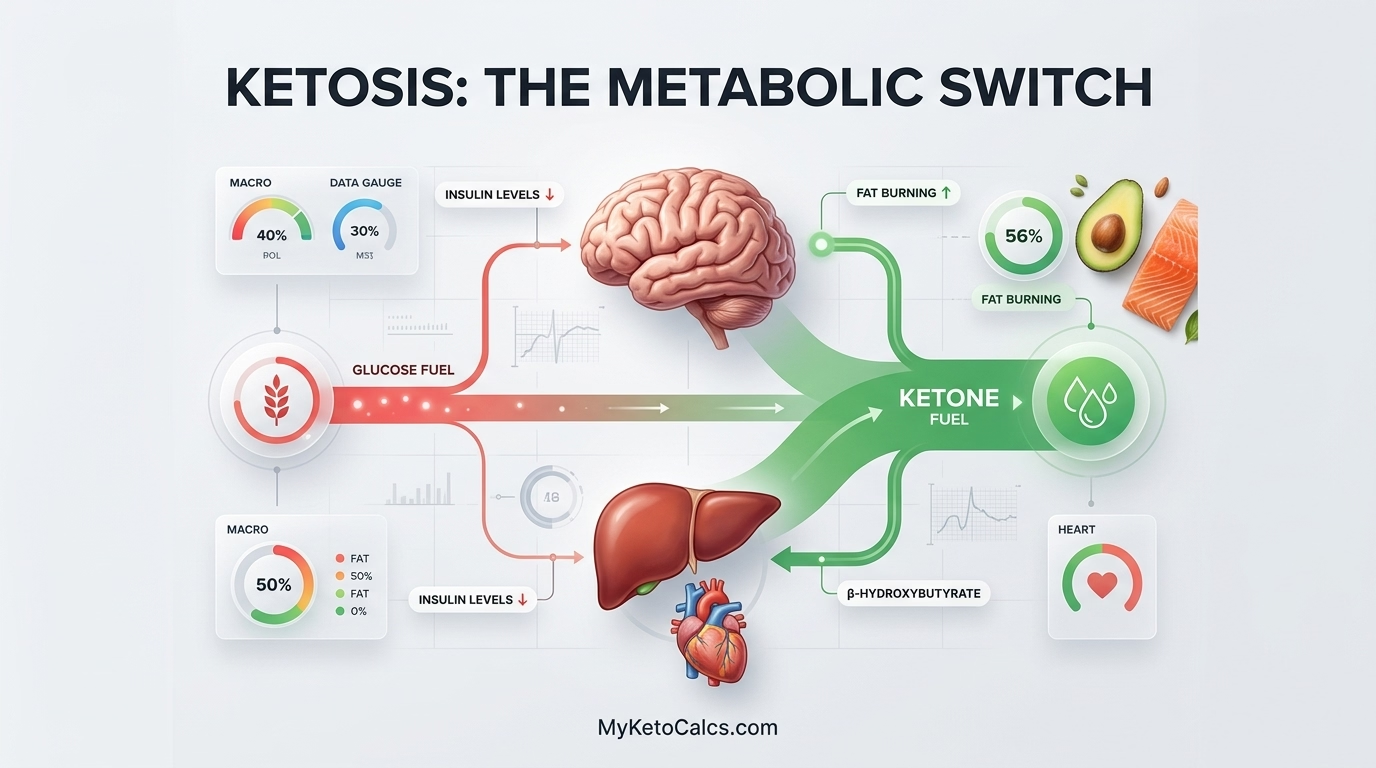
Quick Answer: Ketosis is a natural metabolic state where your body burns stored fat for fuel instead of glucose. This shift occurs when carbohydrate intake is drastically reduced or during prolonged fasting. As fat breaks down, the liver produces energy-rich molecules called ketones to power your brain and organs.
The primary mechanism of metabolic ketosis involves the depletion of glycogen stores, which lowers insulin levels and forces the body to oxidize fatty acids for energy. During this process, the liver converts acetyl-CoA into ketone bodies—acetoacetate, beta-hydroxybutyrate, and acetone—which cross the blood-brain barrier to meet the central nervous system’s high energy demands. A practical implication of nutritional ketosis is appetite suppression; elevated ketones can naturally reduce hunger, facilitating sustainable weight management. Clinically, ketosis is defined by blood ketone levels generally ranging between 0.5 and 3.0 millimolar (mM). Achieving this state typically requires restricting daily carbohydrate intake to under 50 grams for several days. Understanding how does ketosis work is essential for leveraging its metabolic benefits safely.
Educational note: This article is for educational purposes only and is not medical advice. If you have diabetes, take glucose-lowering medication, are pregnant or breastfeeding, have kidney disease, or have a history of eating disorders, speak with a qualified healthcare professional before making major dietary changes.
What is ketosis?
Ketosis is a metabolic state characterized by elevated levels of ketone bodies in the blood or urine. It is a physiological adaptation that allows the body to survive on fat stores when carbohydrates are scarce.
The ketosis meaning revolves around fuel adaptation. Normally, human cells rely on glucose from dietary carbohydrates for energy. However, when you limit carb intake, the body’s glucose reserves quickly deplete. This prompts a metabolic switch where the body begins breaking down triglycerides from fat stores into fatty acids. The liver then converts these fatty acids into ketones, providing a highly efficient alternative energy source for tissues, especially the brain, which cannot directly use fatty acids for fuel.
How does ketosis work metabolically?
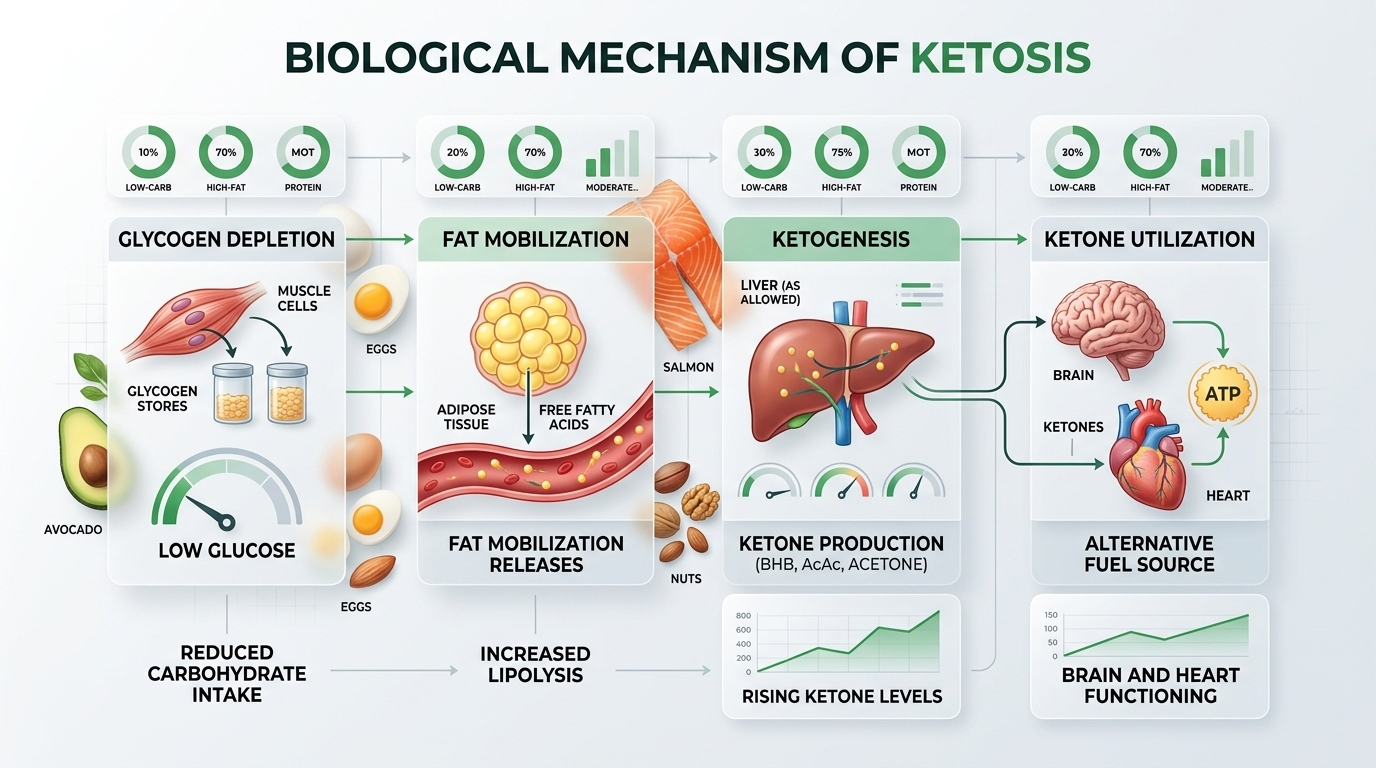
Metabolically, ketosis begins when low blood glucose leads to decreased insulin and increased glucagon levels. This hormonal shift triggers the release of fatty acids from adipose tissue, which travel to the liver to be converted into usable ketone bodies.
To fully grasp how does ketosis work, you must look at the liver’s mitochondria. When carbohydrates are restricted, the body uses its limited oxaloacetate for gluconeogenesis, making it unavailable for the citric acid cycle. Consequently, excess acetyl-CoA generated from fat oxidation is diverted directly into ketogenesis. Two acetyl-CoA molecules condense and ultimately form ketone bodies. These molecules are exported into the bloodstream to power peripheral tissues and the brain. While the brain requires approximately 120 grams of glucose daily on a standard diet, it can derive up to 70% of its energy from ketones during fasting or strict carb restriction.
What are the main ketone bodies?
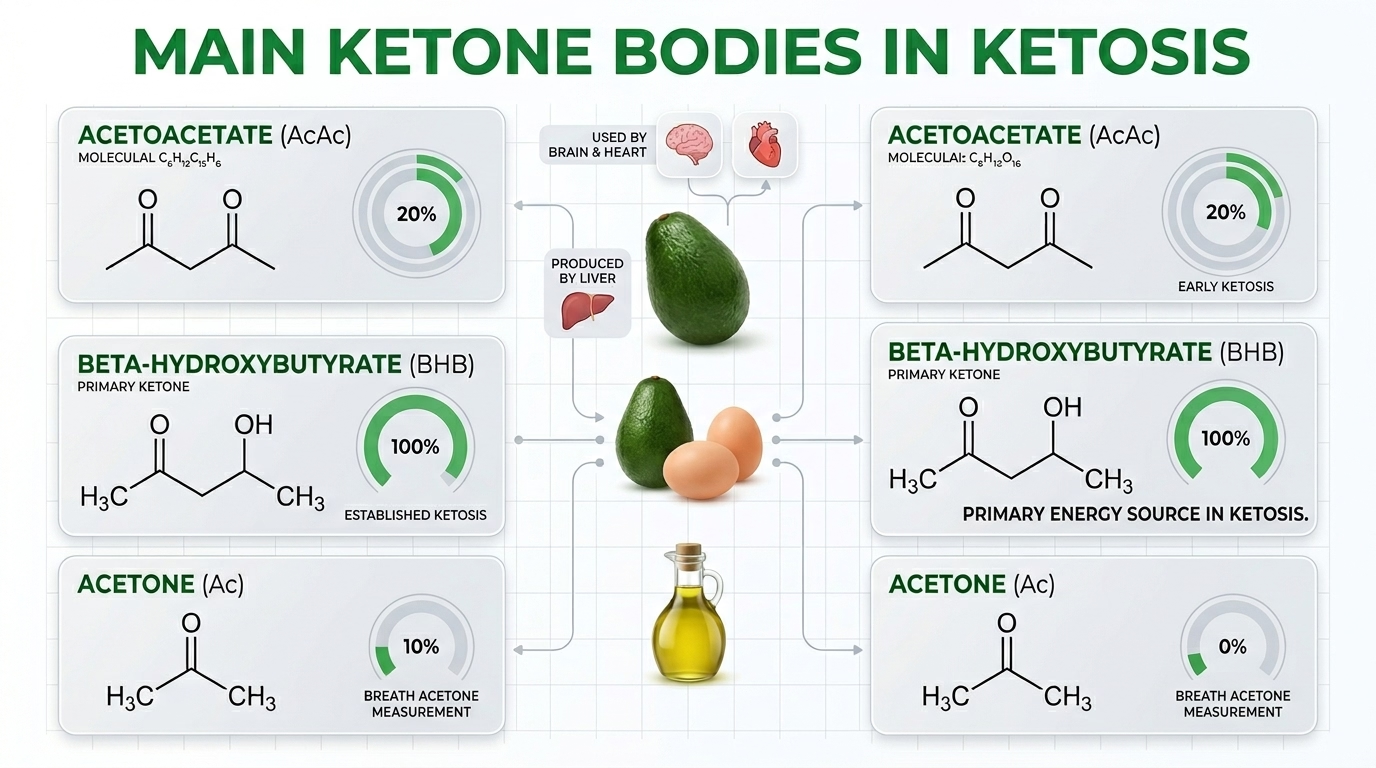
The liver produces three primary ketone bodies during ketogenesis: acetoacetate, beta-hydroxybutyrate (BHB), and acetone. These compounds serve as crucial energy shuttles and signaling molecules throughout the body.
The first ketone body produced in the liver is acetoacetate. From there, acetoacetate can be reversibly converted into beta-hydroxybutyrate (BHB), which is the most abundant and stable circulating ketone used for cellular energy. Alternatively, acetoacetate can spontaneously degrade into acetone, a highly volatile compound. Acetone cannot be used for energy efficiently; instead, it is excreted through urine and breath. This specific excretion process causes the characteristic “fruity” or metallic breath often associated with the early stages of a ketogenic diet.
Nutritional ketosis vs ketoacidosis
Nutritional ketosis is a safe, naturally regulated metabolic state, whereas ketoacidosis is a dangerous, life-threatening medical emergency. Confusing these two distinct physiological conditions is a common misunderstanding.
| Feature | Nutritional Ketosis | Diabetic Ketoacidosis (DKA) |
|---|---|---|
| Who it affects | Healthy individuals restricting carbohydrates | Primarily people with type 1 diabetes; less commonly type 2 or severe alcohol use |
| Blood ketone level | 0.5–3.0 mmol/L | Often above 10 mmol/L |
| Blood glucose | Normal or low-normal | Typically very high (hyperglycemia) |
| Blood pH | Normal (7.35–7.45) | Acidic (<7.3) — disrupts acid-base balance |
| Insulin | Low but present and functional | Severely deficient or absent |
| Cause | Deliberate carbohydrate restriction or fasting | Insulin deficiency, illness, or missed insulin doses |
| Medical risk | Generally safe for healthy individuals | Medical emergency requiring immediate treatment |
In physiological or nutritional ketosis, blood ketone levels are strictly regulated by a healthy pancreas and typically stay between 0.5 and 3.0 mmol/L. The body maintains its acid-base homeostasis perfectly. Conversely, diabetic ketoacidosis (DKA) occurs primarily in people with type 1 diabetes when there is an absolute lack of insulin. Without insulin to regulate the process, ketone production spirals out of control, pushing blood concentrations above 10 mmol/L. This floods the bloodstream with acid, disrupting the body’s pH balance and requiring immediate emergency medical treatment.
For a deeper breakdown of these two states, see our detailed guide on ketosis vs ketoacidosis.
How do you get into ketosis?
Entering ketosis requires depleting your body’s glycogen stores, most commonly achieved by restricting carbohydrate intake or through fasting. For most people, this metabolic shift takes between two to four days.
| Daily Carbohydrate Intake | Expected Time to Enter Ketosis | Notes |
|---|---|---|
| Under 20g | 1–2 days | Strict threshold. Fastest route for most people; used in therapeutic ketogenic protocols. |
| 20–50g | 2–4 days | Standard ketogenic range. Timeline varies with activity level, prior diet, and metabolism. |
| 50–100g | Unlikely or significantly delayed | May prevent ketosis for most people. Some highly active individuals may reach a mild state. |
| Over 100g | Ketosis generally not achieved | Insulin levels remain elevated enough to suppress fat-derived ketone production. |
Individual responses vary. Age, activity level, body composition, and prior diet all affect how quickly ketosis is reached.
To achieve nutritional ketosis, you typically need to consume fewer than 50 grams of carbohydrates per day, sometimes restricting intake to as low as 20 grams, depending on individual metabolic factors. Understanding the difference between net carbs vs total carbs is critical when making these calculations. This means eliminating grains, sugars, starchy vegetables, and most fruits from your diet. Moderate protein intake is also necessary, as excess dietary protein can be converted into glucose via gluconeogenesis, which can stall ketone production. Intermittent fasting can accelerate the depletion of liver glycogen and speed up the transition into ketosis; read our full guide to intermittent fasting on keto for a step-by-step approach.
How do you measure ketosis?
You can verify if you are in ketosis by testing your urine, breath, or blood. Blood testing is widely considered the gold standard for accuracy and real-time ketone monitoring.
Urine test strips measure excreted acetoacetate and are an inexpensive way for beginners to detect ketosis. However, they become less reliable as the body adapts to utilizing ketones efficiently and excretes fewer of them. Breath analyzers measure excreted acetone, offering a reusable, non-invasive testing method, though their correlation with blood levels can sometimes vary. Blood ketone meters measure beta-hydroxybutyrate (BHB) directly from a finger prick, providing the most precise data. A blood reading between 0.5 and 3.0 mmol/L confirms that you have successfully entered nutritional ketosis. For a complete breakdown of each method, visit our guide to measuring ketosis accurately.
Benefits, limits, and misconceptions
Ketosis is associated with several notable benefits for some people, including weight loss, improved blood sugar control, and reduced seizure frequency in certain epilepsy cases. However, the diet is highly restrictive and individual responses vary.
One of the primary effects of metabolic ketosis is increased reliance on fat-derived fuel, and some people experience appetite suppression, which may support weight management. Some research suggests that carbohydrate restriction may improve blood sugar control and insulin sensitivity in some people with type 2 diabetes, but medication use and individual risk must be discussed with a qualified healthcare professional. A common misconception is that the brain requires high amounts of dietary carbohydrates to function; in reality, ketones are an incredibly efficient brain fuel. However, the diet has limits. During the initial transition, many experience the “keto flu,” characterized by fatigue, headaches, and nausea—for relief strategies, see our dedicated guide on keto flu symptoms and fixes. Furthermore, strict long-term adherence can be challenging.
You can also find your personalized daily calorie and macro targets using our keto calculator for weight loss.
Edge cases and individual variation
Ketosis is not a one-size-fits-all metabolic state; factors like age, genetics, and activity levels significantly influence how quickly someone enters ketosis and how their body responds. Certain populations must exercise extreme medical caution.
Individual variation plays a huge role in the ketogenic timeline. Highly active athletes might maintain ketosis at a slightly higher carbohydrate intake compared to sedentary individuals. Pregnant or lactating women, as well as neonates, enter ketosis much faster due to higher metabolic demands, but pursuing a strict keto diet in these states without medical supervision is generally contraindicated. Additionally, people taking medications that actively lower blood sugar, such as SGLT2 inhibitors or supplemental insulin, face a much higher risk of hypoglycemia or euglycemic ketoacidosis and must consult a doctor before restricting carbohydrates.
👇 Calculator integration: fine-tuning your macros
To successfully enter and maintain ketosis, hitting the exact right macronutrient ratio is critical. A specialized free keto macros calculator helps you determine your daily targets based on your unique body weight, activity level, and health goals.
Worked Example: If your daily energy requirement is 2,000 calories and you aim for a standard ketogenic ratio (70% fat, 20% protein, 10% carbs), the calculator will convert this to approximately 155 grams of fat, 100 grams of protein, and 50 grams of carbohydrates daily to keep you firmly in ketosis.
Your Personalized Results
Daily Target
0
kcal / day
Data & sources
- Ketone Thresholds: Physiological ketosis is defined by blood ketone levels generally ranging between 0.5 and 3.0 millimolar (mM), whereas ketoacidosis often exceeds 10 mM. Source: Cleveland Clinic
- Brain Energy Consumption: The human brain requires about 120 grams of glucose daily but can readily adapt to derive up to 70% of its needed fuel from ketones during carbohydrate restriction. Source: Harvard T.H. Chan School of Public Health
- Carbohydrate Limits: Entering ketosis typically requires restricting carbohydrate intake to fewer than 50 grams per day for a period of at least two to four days. Source: Cleveland Clinic
- Epilepsy Treatment: The ketogenic diet was successfully introduced in the 1920s as a highly effective metabolic therapy for treatment-resistant epilepsy in children. Source: Charlie Foundation
Frequently asked questions
How long does it take to get into ketosis?
For most individuals, it takes between two to four days of eating fewer than 50 grams of carbohydrates daily to achieve ketosis. However, this timeline can vary based on factors like your previous diet, age, physical activity level, and metabolism. Intermittent fasting can help speed up the process.
Can I eat too much protein on a keto diet?
Yes, excessive protein intake can potentially hinder ketosis. Through a process called gluconeogenesis, the liver can convert surplus amino acids from dietary protein into glucose. To maintain a ketogenic state, protein intake should be kept moderate, generally making up 10% to 20% of your daily calories.
What is the “keto flu”?
The “keto flu” refers to a cluster of temporary side effects experienced during the initial transition into ketosis. As your body adapts to burning fat instead of glucose, you may experience headaches, fatigue, nausea, brain fog, and irritability. Staying well-hydrated and replenishing electrolytes usually alleviates these symptoms.
Are exogenous ketone supplements necessary?
No, exogenous ketone supplements are not necessary to achieve or maintain ketosis. While they can temporarily raise blood ketone levels and may offer a short-term boost in mental or physical energy, they do not inherently increase your body’s fat-burning capabilities or lower insulin levels.
Does ketosis cause bad breath?
Yes, “keto breath” is a common side effect of ketosis. It occurs because acetoacetate breaks down into acetone, a highly volatile ketone body that is excreted through your breath and urine. This often results in a distinct fruity or metallic odor, which typically subsides as the body adapts.
Can you build muscle while in ketosis?
While the ketogenic diet is famous for fat loss, you can still maintain and build muscle. The diet includes moderate protein, which preserves lean body mass. Because carbohydrates are limited, some athletes use targeted ketogenic diets to consume specific carbs around workouts for explosive energy.
Is ketosis safe for diabetics?
Some research suggests that carbohydrate restriction may improve blood sugar control and insulin sensitivity in some people with type 2 diabetes. However, individuals taking insulin or blood-sugar-lowering medications are at risk of hypoglycemia and must consult a physician before restricting carbohydrates.
Will eating a single high-carb meal stop ketosis?
Yes, consuming a high-carbohydrate meal will quickly halt ketone production. When you ingest significant carbs, your blood glucose spikes, prompting an insulin release that signals your body to switch back to using glucose for fuel. It may take several days of strict carb restriction to re-enter ketosis. Our guide on getting back into ketosis can help you recover quickly.
Conclusion
The core ketosis definition reveals an evolutionary survival mechanism that transforms dietary and stored fat into highly efficient fuel for the body and brain. By limiting carbohydrate intake and moderating protein, many people can shift their metabolism toward ketone production, which may support weight management and blood sugar regulation for some individuals. While the transition can bring temporary side effects, understanding the profound difference between natural nutritional ketosis and dangerous ketoacidosis empowers you to approach this lifestyle safely and effectively. If you are ready to take the next step and harness the power of a fat-burning metabolism, begin by carefully tracking your macronutrients. For a comprehensive roadmap on structuring your meals and mastering this metabolic shift, explore our ultimate Ketogenic Diet Science Guide.
Further reading & tools
A deeper look at the critical safety distinction.
Full comparison of all three testing methods.
Speed up your entry into ketosis with fasting protocols.
Calculate your personalized daily fat, protein, and carb targets.
Everything you need to survive the adaptation phase.
Master the most important number in your keto diet.
Explore more resources
For additional information on ketosis from authoritative sources: