
Keto drinks: the complete guide to hydration on a ketogenic diet
Optimal beverage choices, metabolic clarity, and practical strategies for staying hydrated — without disrupting ketosis.
Quick answer: which drinks are safe on keto?
Successfully maintaining ketosis requires more than just tracking food macros — your beverage choices matter equally. Many everyday drinks contain hidden sugars and carbohydrates that can silently disrupt fat-burning. The safest keto drinks are those with zero or near-zero carbohydrates: water, unsweetened black coffee, unsweetened teas, and plain sparkling water. At the opposite end, regular sodas, fruit juices, and sweetened coffee drinks are among the fastest ways to exit ketosis.
Core keto drink rules at a glance
Understanding ketosis and essential hydration needs
Embarking on a ketogenic diet requires a fundamental shift in dietary habits: low carbohydrate intake, high fat intake, and sufficient protein — all designed to induce a metabolic state known as ketosis. In ketosis, the body transitions its primary fuel source from glucose to fatty acids and ketones. This metabolic switch comes with one important physiological consequence that directly affects hydration: insulin drops significantly.
When insulin is low, the kidneys shift into a more excretory mode for sodium. Because water follows sodium osmotically, the body excretes more water and electrolytes. This is why keto dieters often experience rapid early weight loss (largely water) and are at higher risk of dehydration and electrolyte imbalances, especially in the first two to four weeks. Sustaining ketosis therefore necessitates careful monitoring of all ingested carbohydrates — including those from beverages — and a conscious commitment to replacing lost fluids and electrolytes: sodium, potassium, and magnesium.
Why beverage carbs matter more than most people realize
Liquid carbohydrates are metabolized faster than solid food carbohydrates. A 355ml (12 oz) glass of orange juice contains approximately 26g of net carbs — more than an entire day’s carbohydrate allowance on a strict ketogenic protocol. Because liquids are processed more rapidly in the GI tract, they produce a sharper insulin spike for the same carb load. This makes beverage selection a critical variable for anyone serious about maintaining ketosis.
Always track the net carbs in any flavored, packaged, or sweetened drink you consume.
👇 Calculate Your Daily Carb & Calorie Limits
Before choosing your drinks, know your exact daily limits. Guessing your macros is one of the most common reasons keto stalls — this calculator gives you precision.
Your Personalized Results
Daily Target
0
kcal / day
Everyday keto drinks: core choices for daily consumption
These are the drinks you can reach for with confidence every day. They contain zero or negligible carbohydrates, support hydration, and in many cases contribute electrolytes or other metabolic benefits relevant to the ketogenic state.
Water: the undisputed foundation
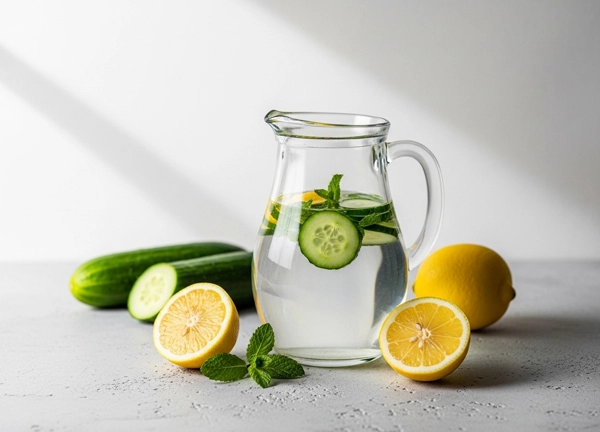
Pure water is the most fundamental, zero-carb, zero-calorie beverage on the planet. On keto, aim for 2.5–3.5 liters per day. Enhance it with citrus infusions (lemon, lime), herbal additions (mint, cucumber), or a pinch of sea salt for sodium. Carbonated water is equally valid. Try our sugar-free lemonade for a refreshing twist.
Coffee and tea
Unsweetened black coffee and all varieties of unsweetened tea — black, green, white, herbal — are excellent zero-carb choices. For coffee, adding heavy cream, MCT oil, or grass-fed butter instead of sugar or regular milk keeps it keto-compatible and increases fat intake. See our Bulletproof Coffee recipe for a fat-fueled morning option.
Unsweetened plant-based milks
Unsweetened almond milk (~1g net carbs per cup), unsweetened coconut milk, macadamia nut milk, and flaxseed milk are excellent low-carb alternatives to regular cow’s milk (~12g net carbs per cup). Always check the nutrition label carefully — flavored or “original” versions of plant milks frequently contain added sugars. Use our homemade keto coffee creamer recipe for a clean alternative.
Sparkling and infused water
Plain seltzer, club soda, and unsweetened flavored sparkling waters offer variety and carbonation without carbs. Homemade fruit and herb infusions — cucumber and mint, lemon and basil, berry and rosemary — add natural flavor without disrupting your carb limit. Be cautious with commercial “flavored sparkling water” products; check the label for added sweeteners.
Bone broth
Bone broth is a savory, low-carb drink rich in minerals, collagen, and naturally occurring electrolytes. It is an especially valuable option during the keto flu phase, where sodium and potassium depletion is most acute. A cup of quality bone broth can replace lost sodium without adding meaningful carbohydrates.
Electrolyte drinks
Commercial electrolyte drinks and powders can be valuable on keto, provided they contain no added sugars or dextrose. Look for products sweetened with stevia, erythritol, or monk fruit. The three electrolytes that matter most on keto are sodium, potassium, and magnesium — particularly in the first four weeks of adaptation.
Navigating alcoholic keto drinks
Alcohol is not strictly forbidden on a ketogenic diet, but it requires careful navigation. The body treats alcohol as a toxin and prioritizes its metabolism above all other fuels — including fat. This means that when you drink, ketone production and fat oxidation temporarily slow down until the alcohol is cleared. For this reason, alcohol is best consumed infrequently and in controlled quantities. For the most thorough analysis, see our dedicated Keto Alcohol Guide: Best Low-Carb Drinks Ranked.
Spirits and low-carb mixers
Pure distilled spirits — vodka, gin, tequila, rum, and whiskey — are carb-free. The distillation process removes all sugars, leaving only ethanol. Pair them with diet soda, seltzer, sparkling water, or a squeeze of lime. Avoid regular tonic water (29g carbs per 355ml can), sugary juices, and pre-made cocktail mixes. Our Keto Mojito and Skinny Margarita are good examples of adapted keto cocktails.
Low-carb wines and seltzers
Dry red wines (Cabernet Sauvignon, Merlot, Pinot Noir) and dry white wines (Sauvignon Blanc, Pinot Grigio) contain approximately 3–4g net carbs per 150ml glass, making them acceptable in moderation. Sweet dessert wines and prosecco are significantly higher in residual sugar and should be avoided. Hard seltzers marketed as low-carb are typically 2–3g carbs per can — check labels carefully.
Beer: generally off limits
Most standard beers contain 12–15g net carbs per can due to residual fermented grain sugars. Specialized low-carb or “light” beer variants exist with 3–5g net carbs, but even these can add up quickly. A single can of regular beer can consume an entire day’s carb allowance on strict keto.
Energizing keto drink options
Beyond water and coffee, a range of more nutritionally complex drinks can support keto performance, satiety, and recovery — without breaking ketosis.
Keto shakes and smoothies
Craft smoothies with unsweetened nut milk as a base, half an avocado for healthy fats and fiber, a handful of spinach for micronutrients, low-carb protein powder, and a tablespoon of MCT oil. This combination provides a complete macro-balanced meal replacement. See our Keto Green Smoothie and Keto Piña Colada Smoothie for ready-to-blend recipes.
Sugar-free energy drinks
Most major energy drink brands now offer zero-sugar varieties sweetened with sucralose or stevia. These can provide a caffeine boost without carbs. However, some zero-sugar formulations still use sucralose in quantities that may affect certain individuals’ insulin response. If in doubt, plain black coffee remains the cleanest and most reliable energy source.
Exogenous ketones
Exogenous ketone supplements — typically available as ketone salts (BHB salts) or ketone esters — can transiently elevate blood ketone levels even in the presence of dietary carbohydrates. They are marketed to help individuals enter ketosis faster, reduce keto flu symptoms, or provide a cognitive and physical energy boost. However, they do not accelerate fat loss and should not be used as a substitute for proper dietary adherence. If you’ve recently gone off-plan, our guide on getting back into ketosis covers the most effective recovery strategies without relying solely on supplements.
Keto drinks to avoid: the complete red-flag list
Understanding what to avoid is as important as knowing what to include. The beverages below contain enough sugar and carbohydrates to spike insulin, inhibit ketone production, and potentially knock you out of ketosis with a single serving.
⚠️ High-risk beverages: avoid entirely on strict keto
- Regular sodas and sweetened drinks: a single 355ml can of regular cola contains approximately 39g of sugar. This alone exceeds the total daily carb limit for strict keto.
- Fruit juices: despite their “healthy” perception, juices are concentrated sugar without the fiber protection of whole fruit. Orange juice (~26g carbs/cup), apple juice (~28g), and grape juice (~38g) are among the most insulin-disrupting beverages available.
- Sweetened iced tea and lemonade: commercial versions are typically loaded with added sugar (20–35g per serving). Unsweetened versions are fine; always check the label.
- Sweetened coffee drinks: commercial lattes with syrups, Frappuccinos, and flavored specialty coffees can contain 40–70g of sugar. A Starbucks Pumpkin Spice Latte contains approximately 52g of carbs in a grande size.
- Coconut water: often marketed as a natural electrolyte drink, coconut water contains approximately 10–12g of natural sugars per cup — too high for strict keto protocols.
- Sweetened plant-based milks: “original” or flavored varieties of almond, oat, or soy milk routinely contain 10–20g of added carbohydrates. Oat milk in particular is extremely carb-dense and should be avoided entirely.
- Milkshakes and blended drinks: typically 60–100g of sugar per serving. Off the table for keto in any form.
A note on diet sodas: while technically carb-free, some research suggests that certain artificial sweeteners (particularly sucralose and aspartame) may maintain sugar cravings, affect gut microbiome composition, or cause a modest insulin response in sensitive individuals. If you track your progress carefully and find that diet sodas correlate with stalled results, consider reducing or eliminating them and switching to plain sparkling water.
Crafting your own keto drinks: DIY recipes and principles
Preparing keto drinks at home gives you complete control over every ingredient, ensuring your beverages are fully aligned with your dietary requirements and personal taste. Below are the core recipe categories and principles, with links to full recipes on the site.
- Infused waters: combine filtered water with sliced cucumber, fresh mint, and a few ice cubes for a zero-carb, mineral-rich hydration option. A Lemon-Ginger Refresher (lemon slices + grated ginger in cold water) is another excellent electrolyte-supporting variant. See our Sugar-Free Lemonade recipe for a more structured option.
- Bulletproof Coffee: blend hot coffee with one tablespoon of grass-fed butter and one tablespoon of MCT oil until frothy. This delivers a high-fat, zero-carb morning drink that supports cognitive clarity and sustained energy during fasted ketogenic periods. Full recipe: Bulletproof Coffee (BPC).
- Keto keto coffee creamer: make your own creamer from heavy cream, unsweetened coconut milk, and a natural sweetener like stevia or erythritol. This eliminates the hidden carbs and additives found in most commercial creamers. Our Keto Coffee Creamer recipe offers four flavor variations.
- Sugar-Free Hot Chocolate: use unsweetened cocoa powder (100% cacao), unsweetened almond milk, a keto sweetener of your choice, and a splash of heavy cream. This provides the comfort of a warm dessert drink without any meaningful carb load.
- Apple Cider Vinegar (ACV) drinks: dilute 1–2 tablespoons of raw, unfiltered ACV in 250ml of sparkling water with a few drops of stevia and a squeeze of lemon. ACV is reported to support insulin sensitivity, promote satiety, and may assist with entry into ketosis, though the clinical evidence is still preliminary.
- Keto cocktails: adapt classic cocktails with keto-friendly swaps. Replace simple syrup with keto simple syrup (erythritol + water), use fresh lime or lemon juice for acidity, and use pure spirits as the base. See our full keto cocktail library including the Skinny Margarita, Keto Mojito, and Keto Alcohol Guide.
Common myths about keto drinks: deconstructed
Myth 1: “Diet soda is completely fine on keto.” Correction: diet sodas are technically zero-carb, which means they do not raise blood glucose directly. However, the artificial sweeteners in diet sodas may perpetuate sugar cravings, and some research suggests a potential effect on gut microbiome diversity with prolonged use. Moderate consumption is unlikely to disrupt ketosis in most people, but it is not the metabolic neutral substance it is often portrayed to be.
Myth 2: “Juice is healthy, so vegetable juice is fine.” Correction: even unsweetened commercial vegetable juices typically contain 15–20g of net carbs per 240ml serving due to naturally occurring sugars from tomatoes, carrots, and beets. Green juices that include apple or carrot as sweeteners are even higher. On keto, whole low-carb vegetables are preferred over juice because they retain fiber — which creates the metabolic protection of the “fiber cage” that prevents rapid sugar absorption.
Myth 3: “Coconut water is the best electrolyte drink for keto.” Correction: coconut water is high in natural sugars (~10–12g per cup). While it does contain potassium and magnesium, these minerals can be obtained far more safely through a pinch of sea salt, magnesium glycinate, and potassium chloride added to plain water — or through low-carb vegetables like avocado and spinach, which provide potassium and magnesium without carbs.
FAQ: clinical insights on keto hydration
What is the best drink on a keto diet?
Water is the gold standard. Unsweetened coffee and tea are excellent zero-carb additions. For variety, plain sparkling water, bone broth, and unsweetened almond milk all fit within keto macros. The guiding principle is simple: avoid any added sugars, fruit juice, or sweetened syrups.
Is black coffee keto-friendly?
Yes. Black coffee contains essentially zero carbohydrates and does not disrupt ketosis. You can further optimize it by adding heavy cream, grass-fed butter, or MCT oil — creating what is commonly called Bulletproof Coffee. Avoid commercial flavored syrups, regular milk, and sugar. Even a “splash” of regular milk adds roughly 1.5g of lactose, which accumulates over multiple cups.
Can you drink alcohol on keto?
Yes, in strict moderation. Pure spirits are carb-free and the safest choice. Dry wines are low in carbs. The key metabolic caveat is that the body prioritizes clearing alcohol above all other fuels, temporarily pausing fat oxidation and ketone production. For a complete breakdown of every category, see our Keto Alcohol Guide.
What drinks will kick you out of ketosis?
Regular sodas, fruit juices, energy drinks with sugar, sweetened iced teas, milkshakes, commercial smoothie mixes, sweetened coffee drinks, sweetened plant-based milks, and coconut water. These beverages contain sufficient sugar to spike insulin and inhibit ketogenesis. Even a single large sugary drink can displace the body from ketosis, requiring 24–72 hours to re-establish depending on glycogen stores. If you need a recovery protocol, see our guide on getting back into ketosis.
How much water should I drink on keto?
A common clinical guideline is 2.5–3.5 liters (85–120 oz) per day for most adults on keto. This is higher than on a standard diet because lower insulin levels cause the kidneys to excrete more sodium and water. Signs of under-hydration on keto include fatigue, headaches, muscle cramps, and constipation — all frequently mislabeled as “keto flu.” Pairing adequate water intake with electrolyte supplementation (sodium, potassium, magnesium) resolves these symptoms in the vast majority of cases.
Does intermittent fasting affect which keto drinks I can have?
During a fasting window in an intermittent fasting on keto protocol, the general rule is: water, plain black coffee, and plain unsweetened tea are acceptable as they do not meaningfully stimulate an insulin response. Adding cream, butter, or MCT oil technically breaks the fast from a strict caloric perspective, though it may preserve ketosis. This is a contextual decision depending on your goals and the specific IF protocol you follow.
Further Reading & Tools
Deepen your understanding of keto hydration, ketosis, and metabolic health with these related MyKetoCalcs resources.
Understand the metabolic foundation behind every keto drink decision.
Complete ranking of alcoholic beverages by carb count and ketosis impact.
The science behind counting carbs in drinks and food — accurately.
What to do after a sugary drink or carb binge disrupts ketosis.
Which drinks break a fast? Complete guidance for combined IF + keto.
New to ketogenic nutrition? Start here for the full foundational overview.
Explore More Resources
For additional information on keto hydration and beverage science, check out these trusted external resources: